
Makers of electric vehicles geared towards U.S. consumers would be wise to adopt a sales model similar to that of mobile phones, in which drivers would pay a set fee for unlimited electric charging, ex-Sierra Club Chairman Carl Pope wrote in an editorial for EV World.
Pope suggested that automakers should provide a six-year recharging contract to EV buyers who’d then pay $150 a month for recharging privileges. That would pencil out to about equal to refueling costs of a 25-mile-per-gallon car that’s driven 15,000 miles a year, but at a relative bargain of $3 a gallon, Pope wrote.
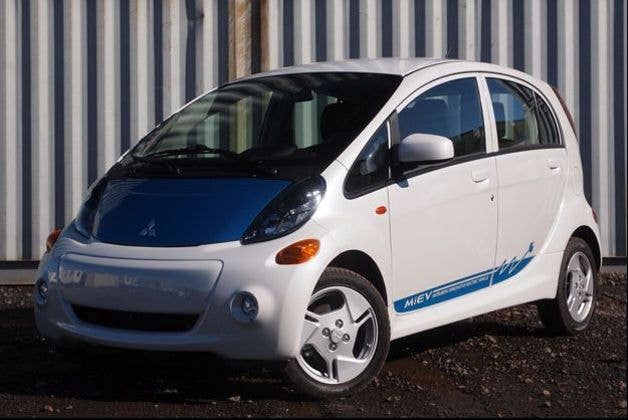
Such a program would help minimize up-front vehicle purchase costs – a major issue since electric vehicles often cost much more than similarly profiled gas-powered cars – as opposed to using an estimate of total lifecycle costs to sway purchasers. Currently, the Mitsubishi i is the lowest-priced full EV on the market, and it starts at $29,125.
Pope says the U.S. automotive industry risks losing its technological leadership in electric-vehicle development by not adopting such a plan because the U.S. has lower gas prices and requires longer driving distances than a country like France, putting EVs at a competitive disadvantage compared to other countries. The thing is, Better Place is already trying to make a cell-phone-like plan work for EVs, but it is not having tremendous success in the U.S.