
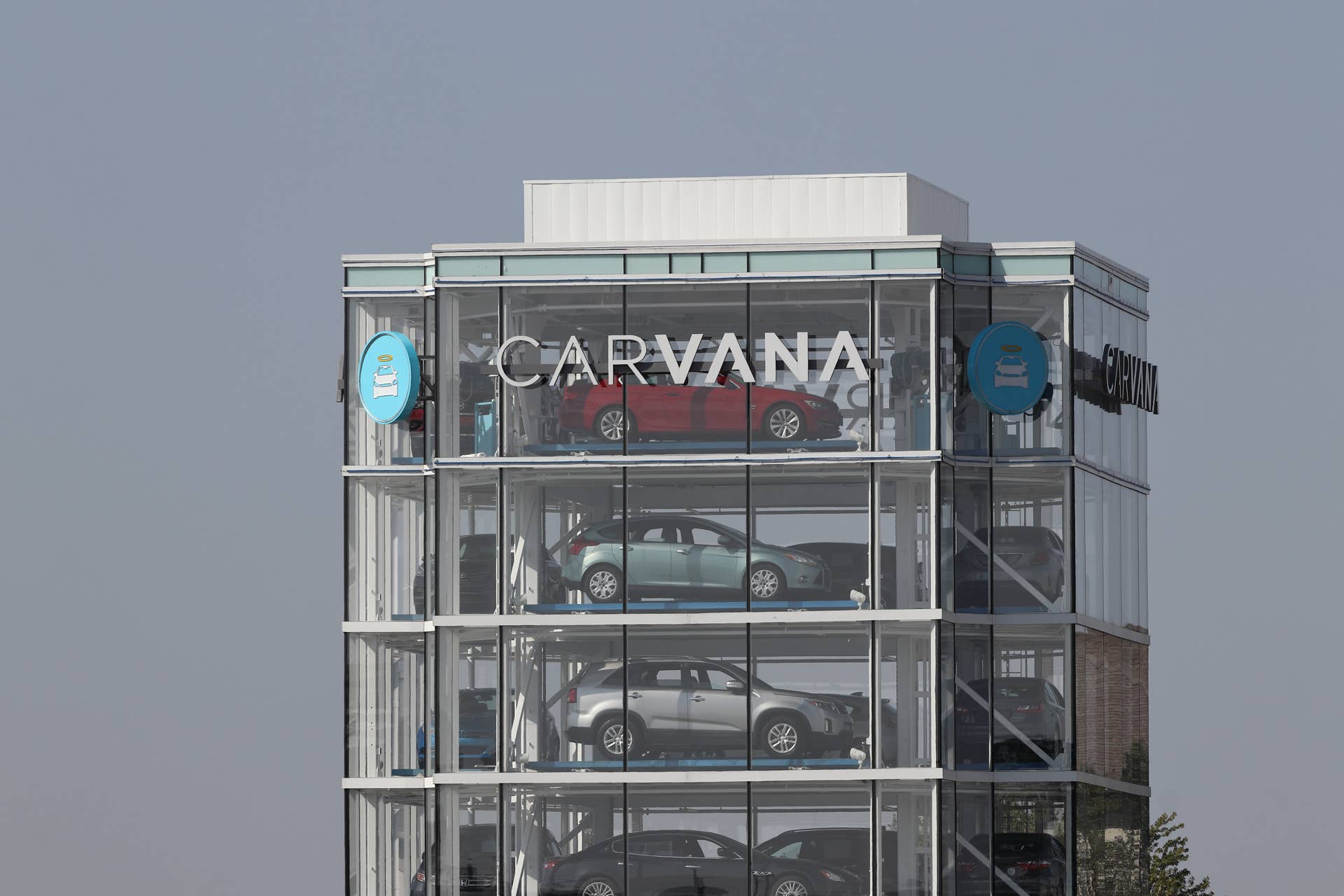
Nearly one in 10 Carvana sales are electric vehicles in Q2 2025
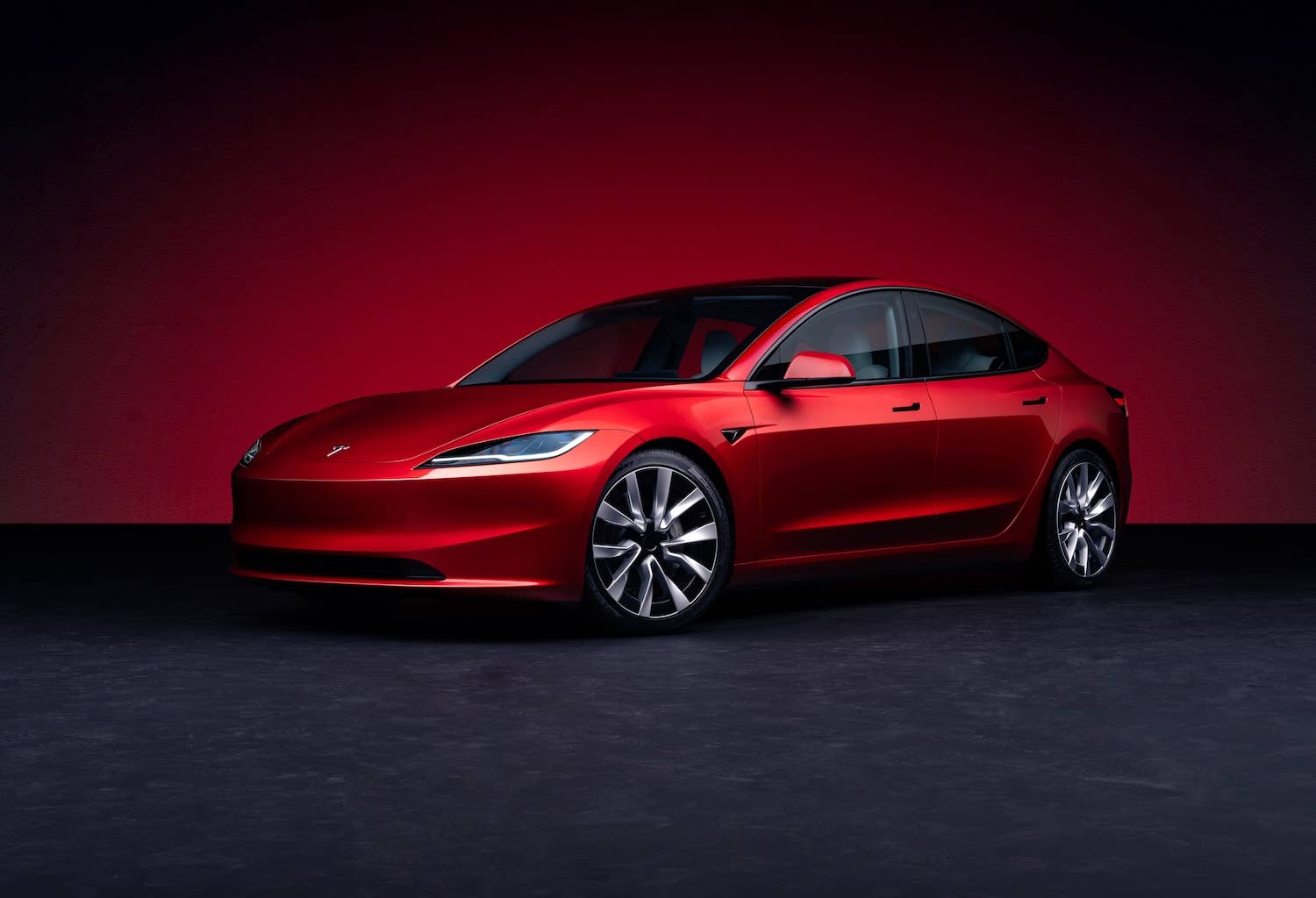
Carvana has been making headlines over the past couple of years with its significant stock rebound, but fewer may be aware of its noteworthy gains in electric vehicle (EV) sales during the same period. EVs accounted for nearly one in 10 Carvana sales during Q2 this year, a surge jump-started by an expanded inventory. More specifically, EV and plug-in hybrid electric vehicle (PHEV) sales increased from 2.3% of Carvana’s retail unit sales to 9% between Q2 2023 and Q2 2025, the company’s highest mix to date. While SUVs have passed sedans and hatchbacks as the dominant EV and PHEV purchase types over the past two years, Tesla’s Model 3 was Carvana’s top-selling battery electric vehicle (BEV) model during Q2. Tesla’s Model Y and Model S took second and third place in top BEV sales, followed by Chevrolet’s Bolt EV and Nissan’s Leaf. On the PHEV side, Jeep’s Wrangler Unlimited 4xe, Wrangler 4xe, and Grand Cherokee 4xe ranked first, second, and third in sales. Chrysler’s Pacifica Hybrid and Chevrolet’s Volt filled out the rest of the top five PHEVs.
From Q2 2023 to Q2 2025, Carvana’s electric and PHEV unique make/model count grew from about 55 and 40, respectively, to over 90 and 85. In terms of percentage growth, the retailer offered 66% more EV make/model combinations in Q2 2025 than in Q2 2023, and PHEV options doubled over the same period. SUVs were the most preferred class for EV and PHEV Carvana customers, followed by sedans and hatchbacks. In Q2 2025, nearly 44% of all Carvana EV and PHEV sales were SUVs, up from 24% during Q2 2023. Christina Keiser, Executive Vice President of Strategy at Carvana, said in a release: “Last quarter, nearly 1 in 10 vehicles we sold was an EV or PHEV – a significant shift from just a couple of years ago. The widening selection of electrified SUVs has been especially powerful, offering buyers greater variety in one of the most sought-after body styles.”
Amazon’s car market ambitions don’t stop at Slate Auto
Amazon appears eager to follow in the footsteps of Carvana’s recent success with the expansion of its Autos platform at the start of August, which now includes certified pre-owned and used listings. The platform’s listings are currently limited to Los Angeles, with plans to expand to additional cities across the U.S. in the upcoming months. Amazon Autos previously just sold new Hyundai vehicles, but participating Los Angeles dealers can now list non-Hyundai units. Fan Jin, global leader of Amazon Autos, echoed some of Carvana’s sentiments: “This expansion is driven by strong interest from our dealer partners. By including certified pre-owned and used vehicles, we’re meeting dealer demand for broader online reach while offering customers a wider selection of high-quality vehicles.”
Tesla
Final thoughts
Despite EV sales being mixed during 2025, the segment’s growth on Carvana, including PHEVs, is playing a central role in supporting the online retailer’s comeback after a stock crash lasting from 2022 to 2024. The upcoming expiration of the $4,000 federal EV tax credit on September 30 is likely to impact this growth. Still, demand should remain strong, as COX Automotive predicts that 90% of all vehicle shoppers will have an EV on their list by 2033.
About the author

Cody Carlson
Contributing Writer, Autoblog