
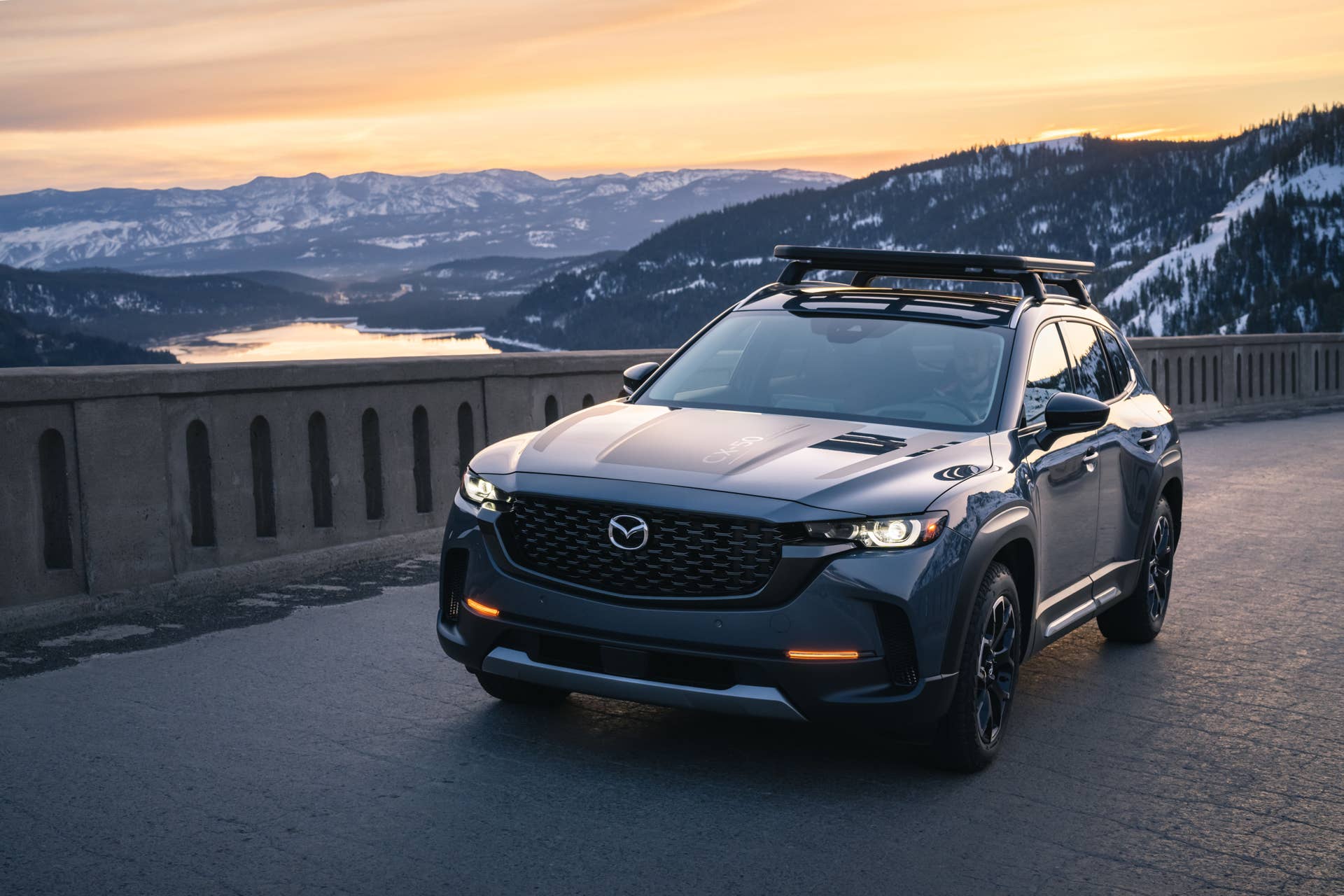
CX-50 Finds Itself on Shifting Ground
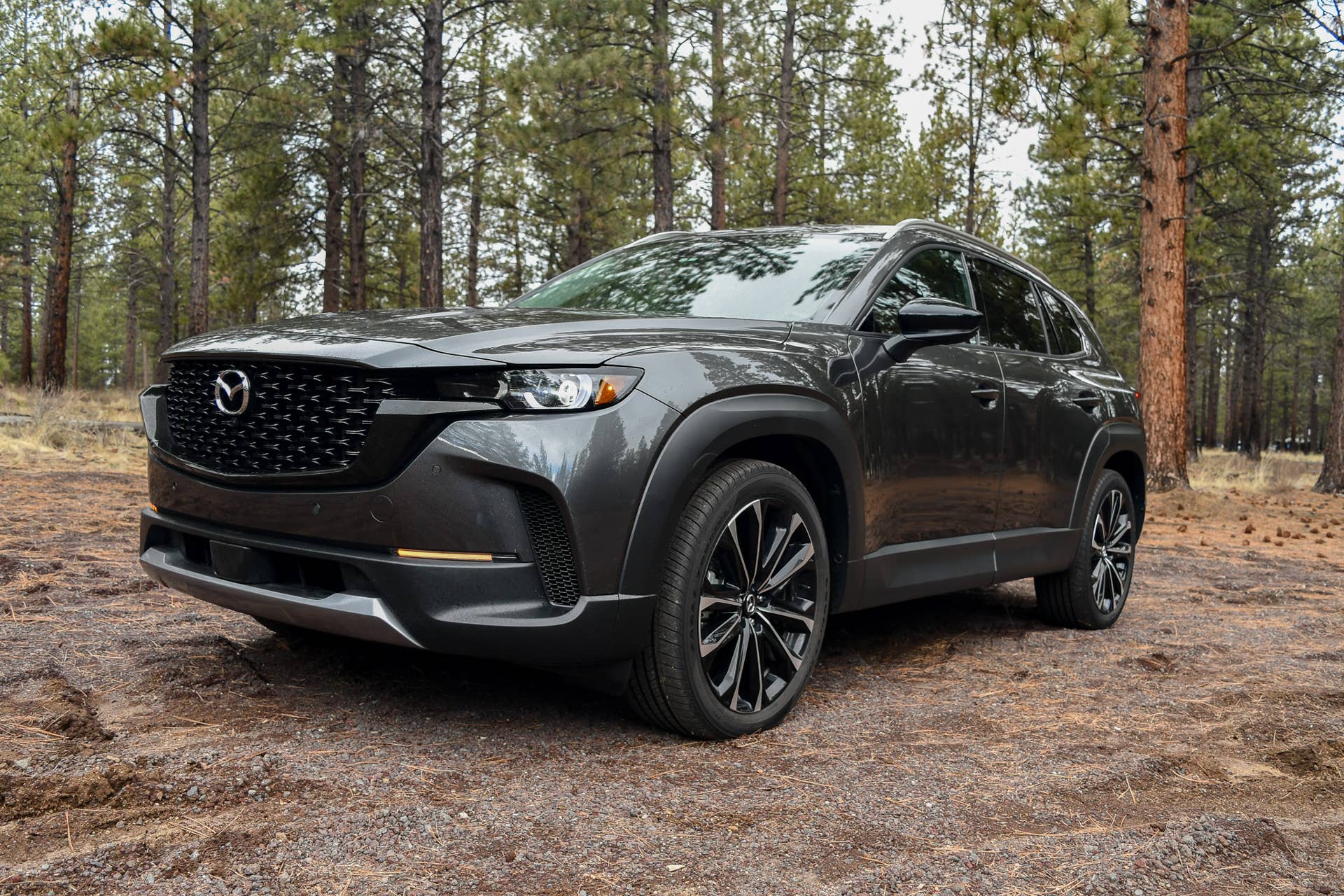
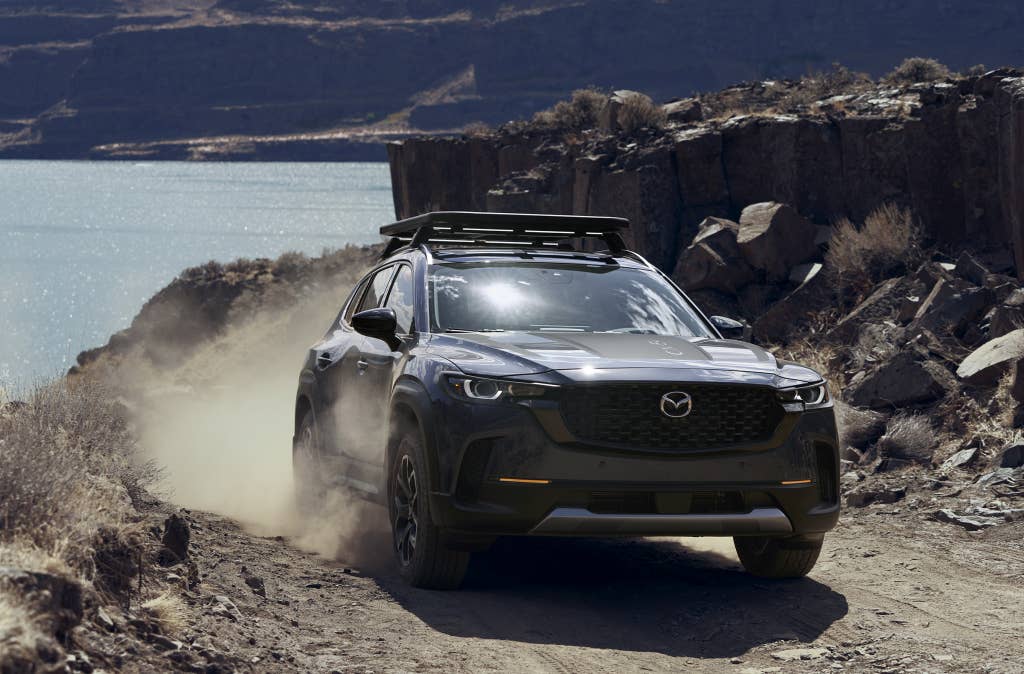
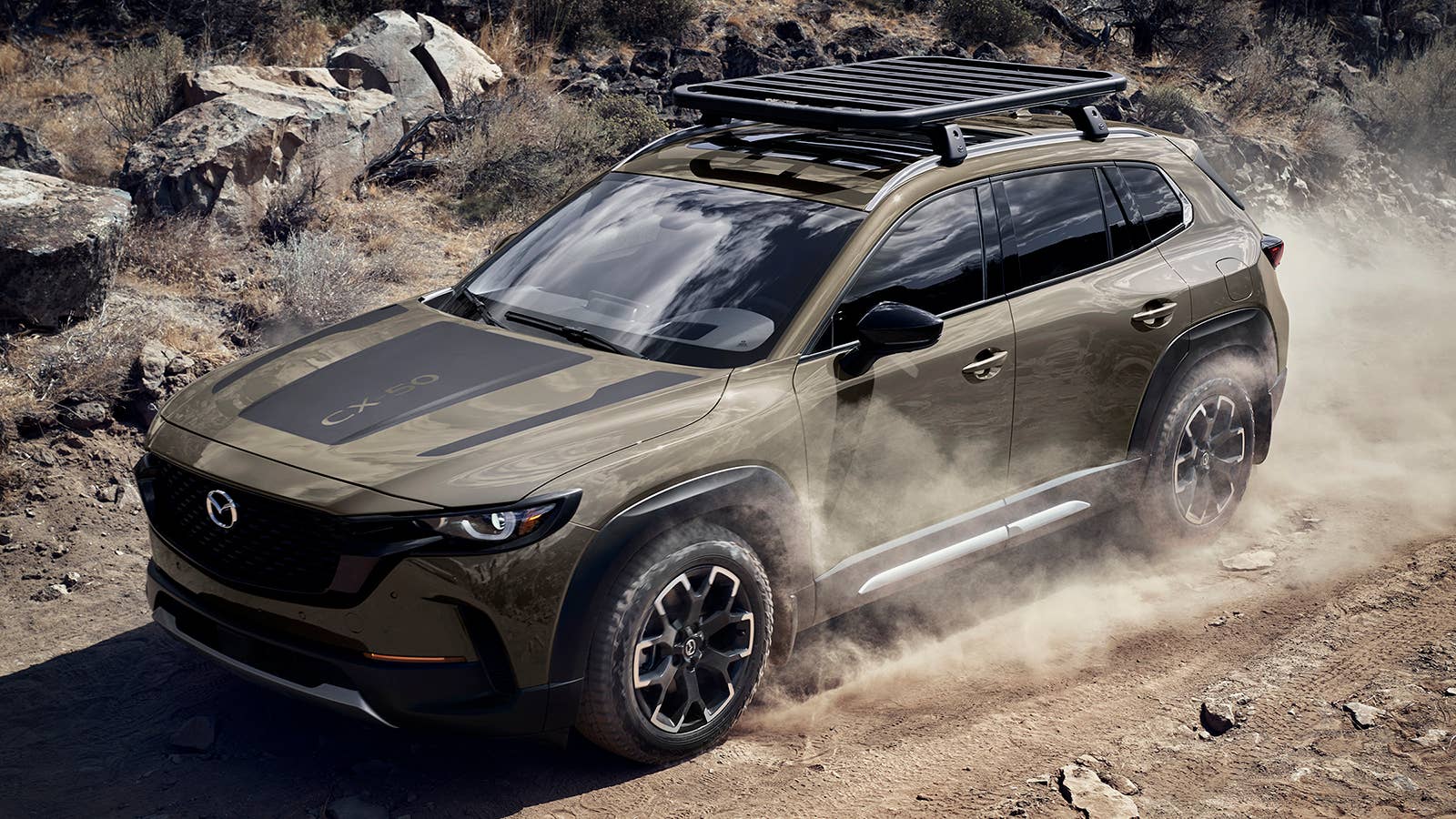
The Mazda CX-50 has been positioned as the more rugged, outdoorsy alternative to the CX-5, with premium touches and adventure‐ready styling. That positioning may be under pressure now that Mazda has revealed the all-new 2026 CX-5, which brings a lot of upgrades in design, comfort, and tech.
As Mazda prepares the CX-5’s arrival in early 2026, the CX-50 needs to sharpen its appeal; one way the company is doing that is by adjusting its pricing structure so that CX-50 trims offer more value and become more competitive for buyers evaluating both models.
Kristen Brown
Kristen Brown
Kristen Brown
Kristen Brown
Adjustments in Pricing Across the CX-50 Lineup
Mazda’s 2026 pricing for the CX-50 shows several trims getting cheaper, others becoming pricier, and the introduction of a new variant to appeal to niche buyers. The base 2.5 S Select now starts at $29,900, a $600 decrease. High trim levels also see cuts: the Turbo Meridian Edition drops $600 to $40,400, and the Turbo Premium Plus falls $600 to $42,900. Hybrid Premium Plus sees a slight decrease of $100 to $40,150.
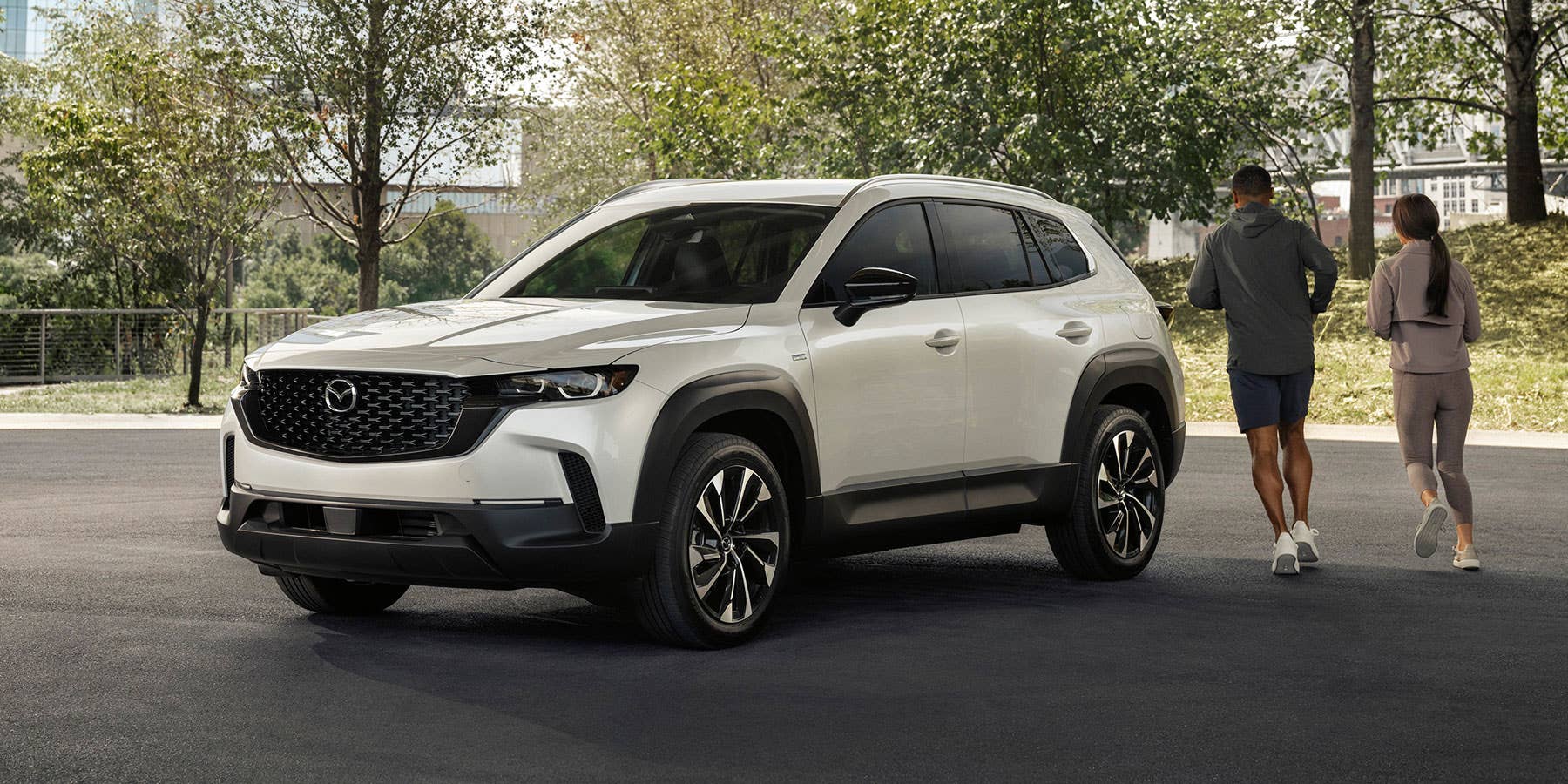
On the other side, trims like the 2.5 S Premium rise by $700 (to $34,900), Hybrid Preferred moves up by $580 ($34,750), and Hybrid Premium increases $450 ($38,150). The 2.5 S Preferred also edges up to $32,400. A new trim, the 2.5 S Meridian Edition, joins the naturally aspirated line at $33,150, offering added rugged styling without going into the turbo range. These changes bring the CX-50 trims closer to being compelling options for buyers who might otherwise wait for the revamped CX-5.
Mazda
What’s New for 2026
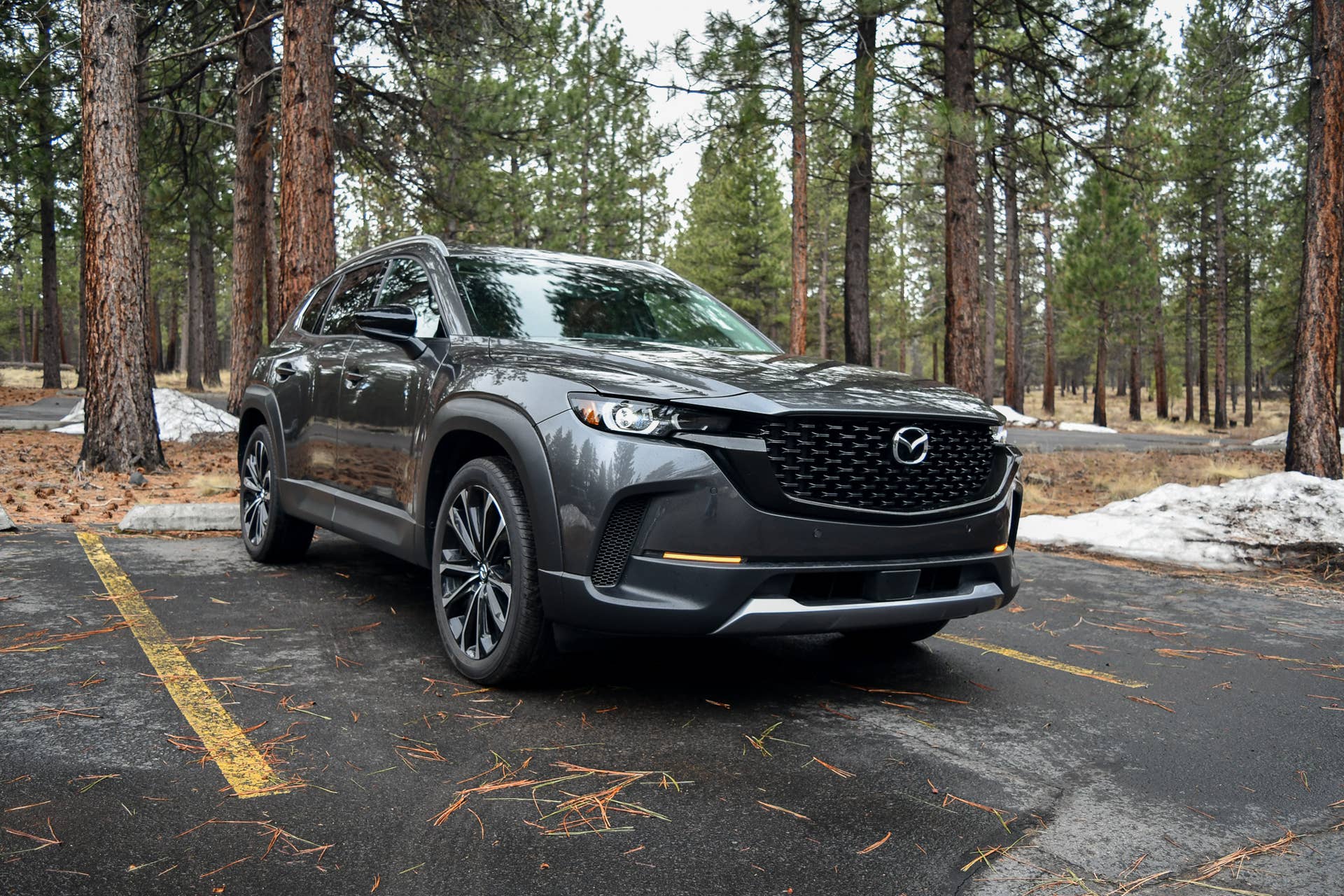
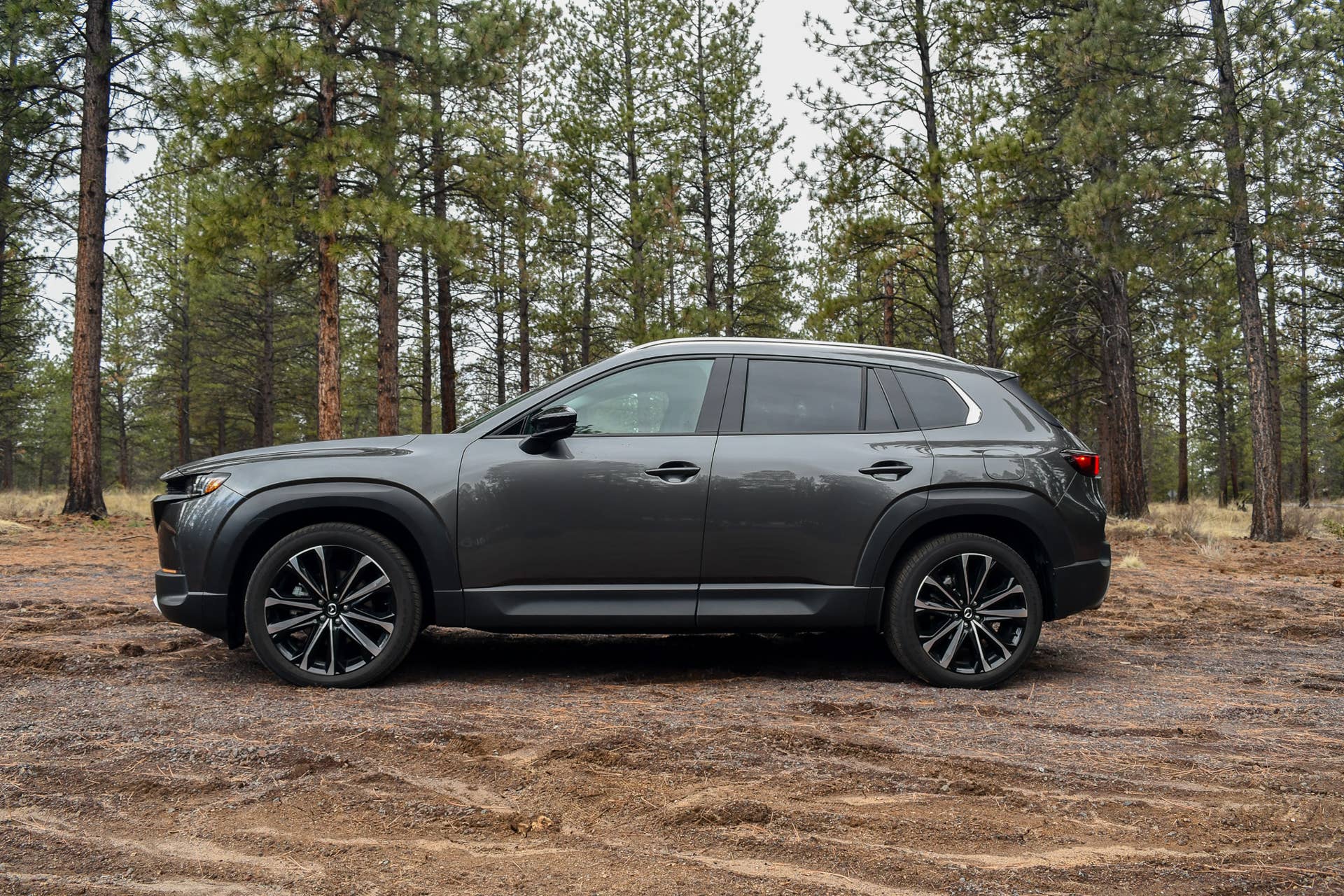
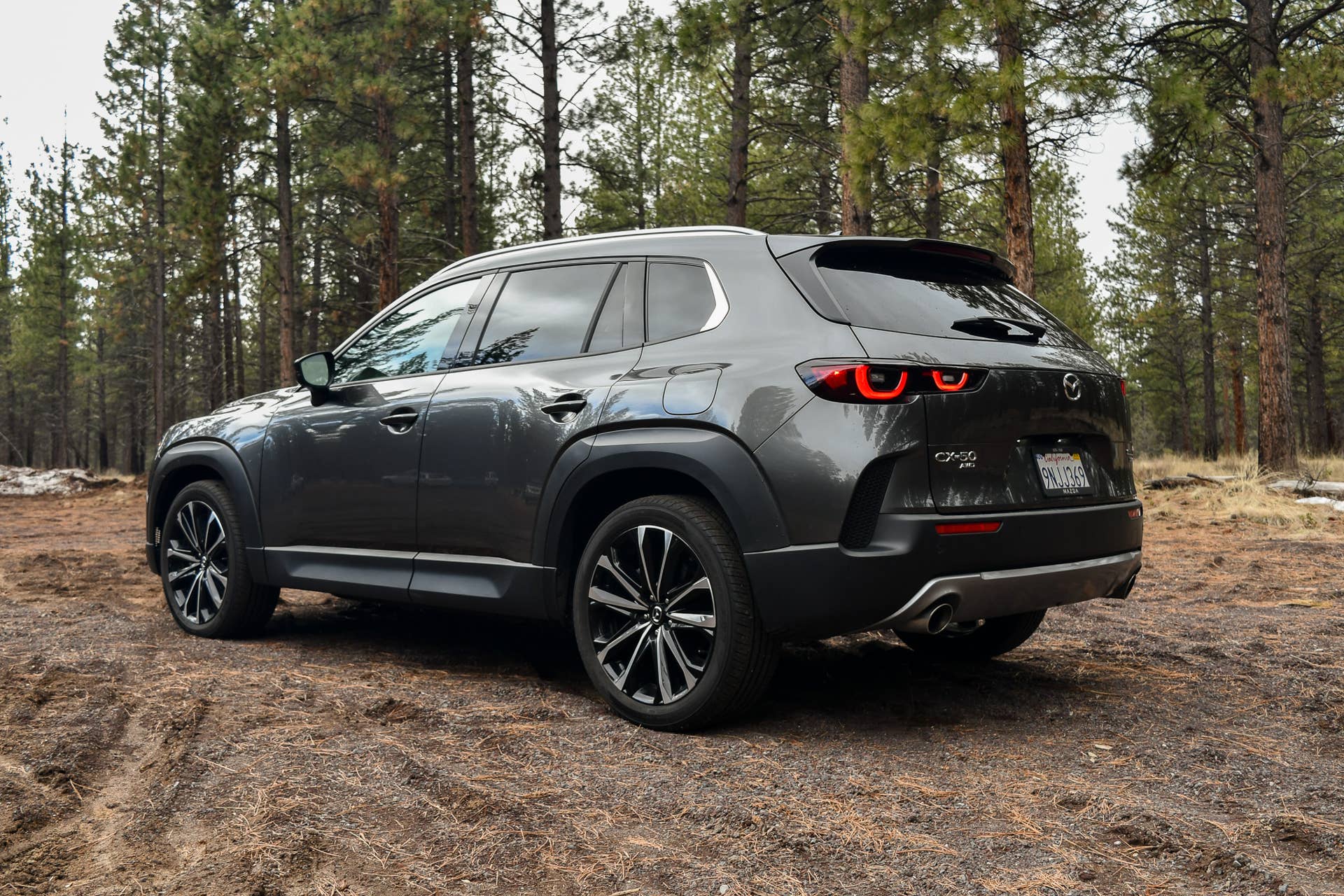
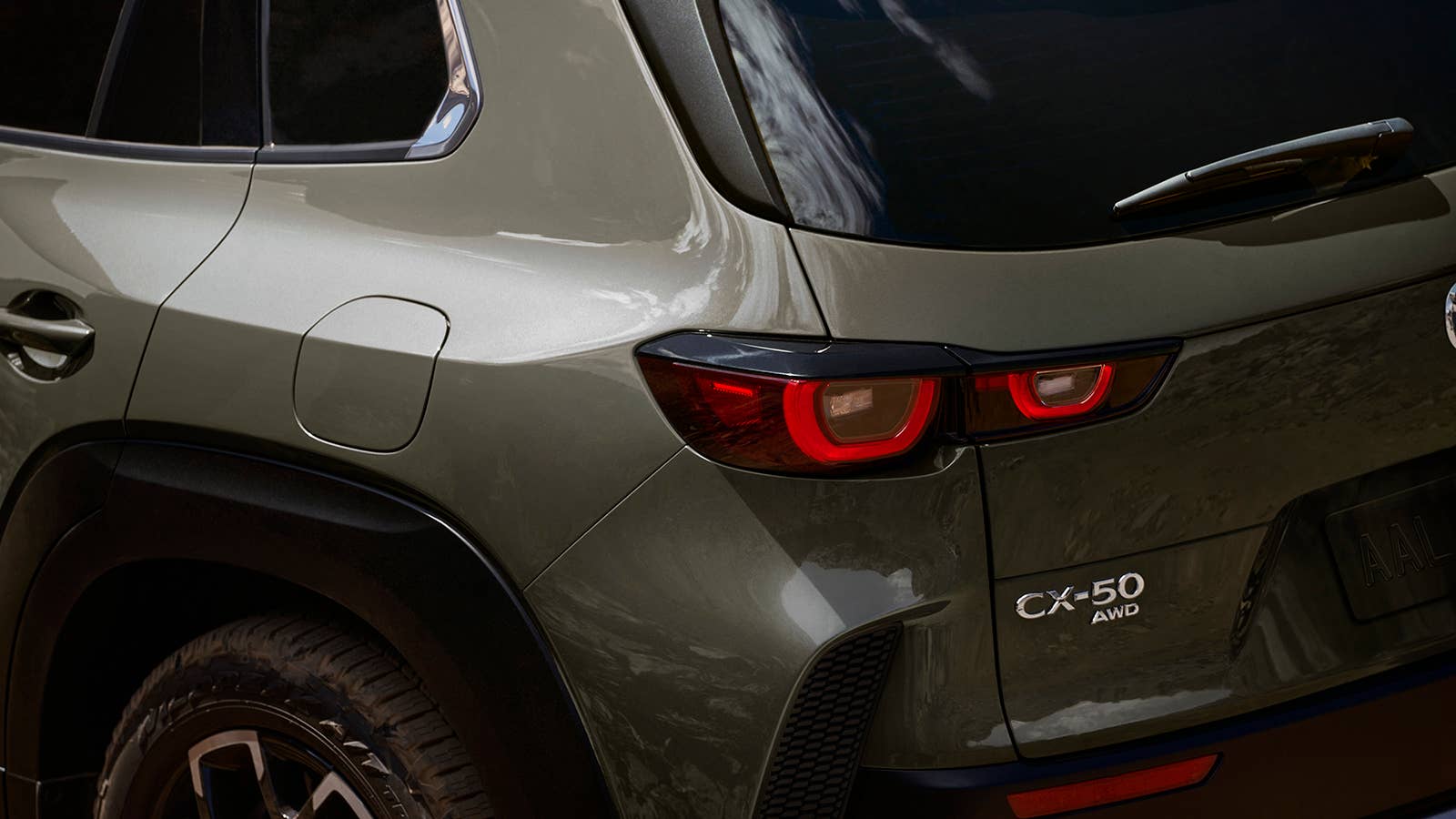
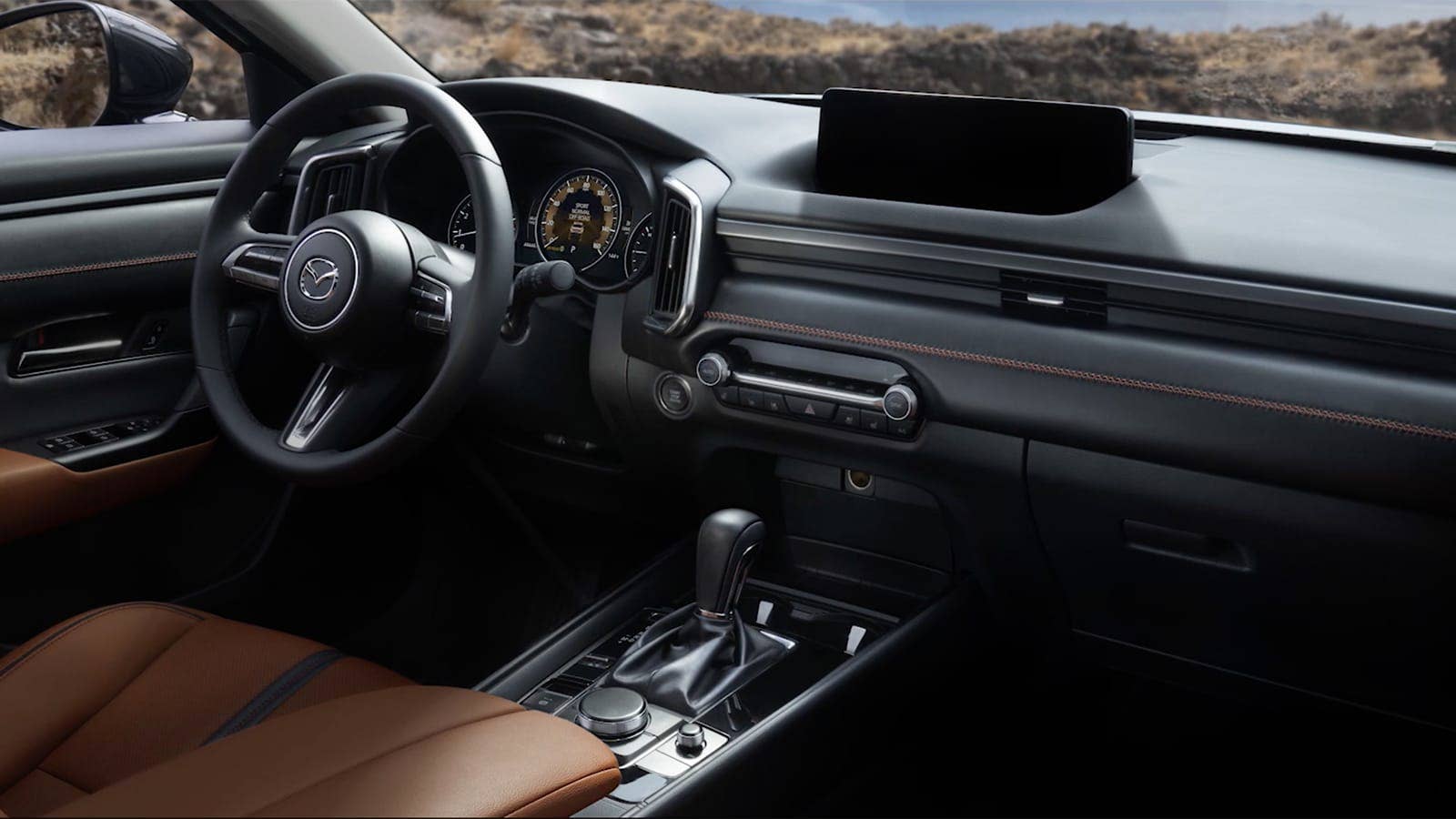
Beyond price, the CX-50 gets equipment enhancements across trims. New Meridian Edition variants (both in 2.5 S and Turbo) bring all-terrain tires, black roof rails, gloss-black emblems, and special interior treatments. Premium trims add ventilated seats, upgraded leather (or optional white interior), power-adjustable passenger seats, memory settings, more driver assist technology, and more lighting/refined touches. Hybrid models now come with features like heated rear seats, heated steering wheel, adaptive headlights, and more comfort-oriented technologies.
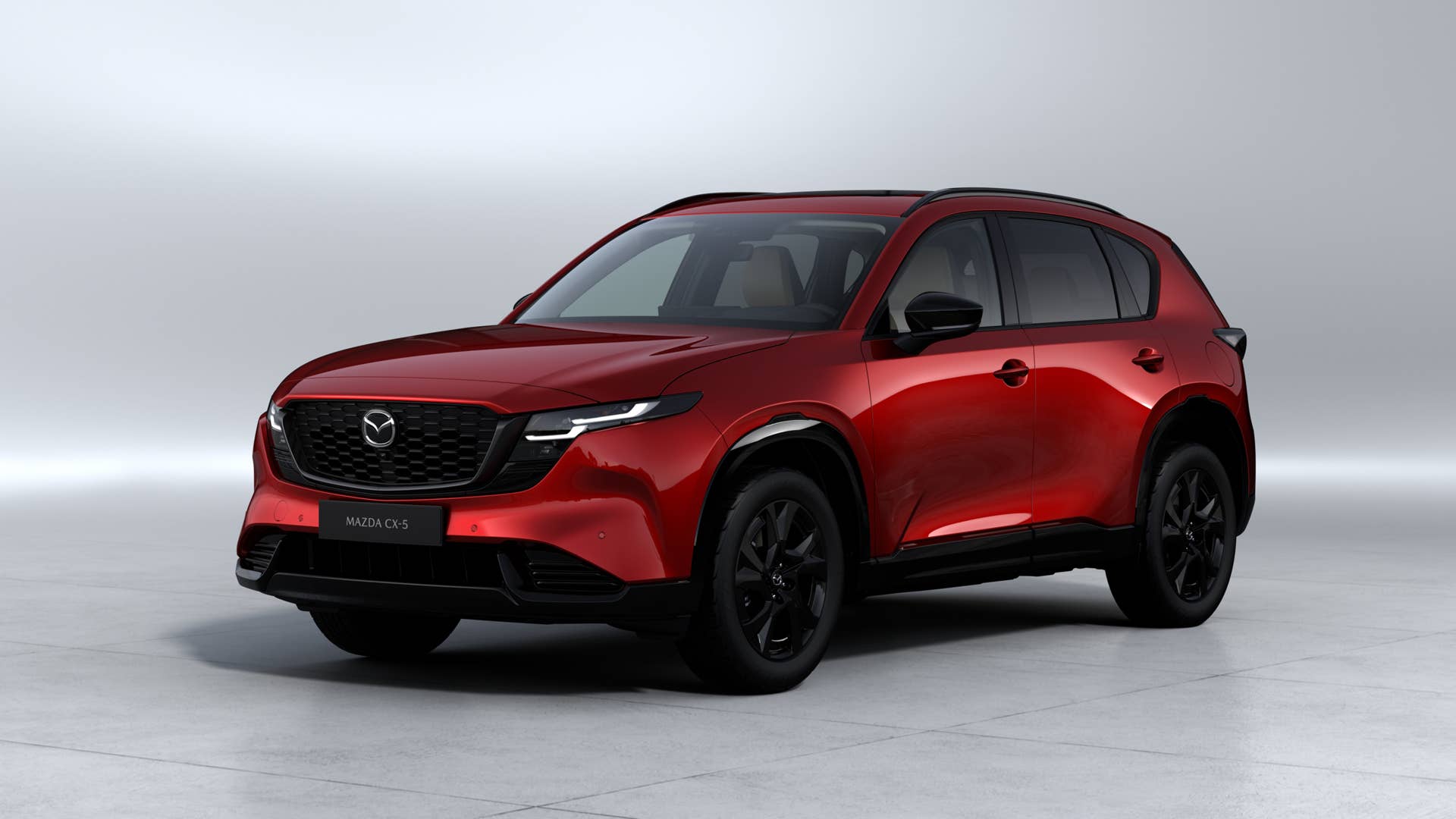
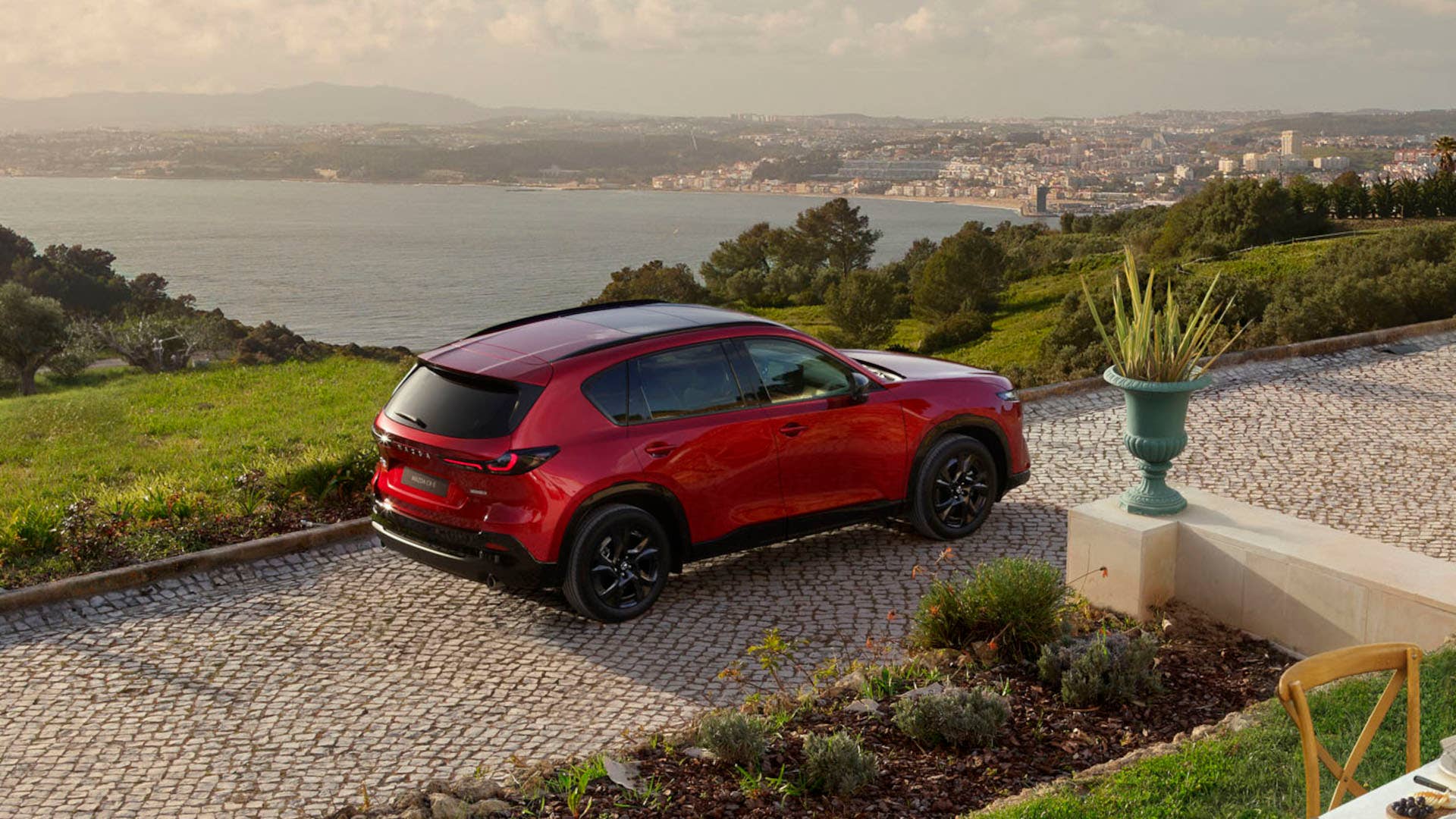
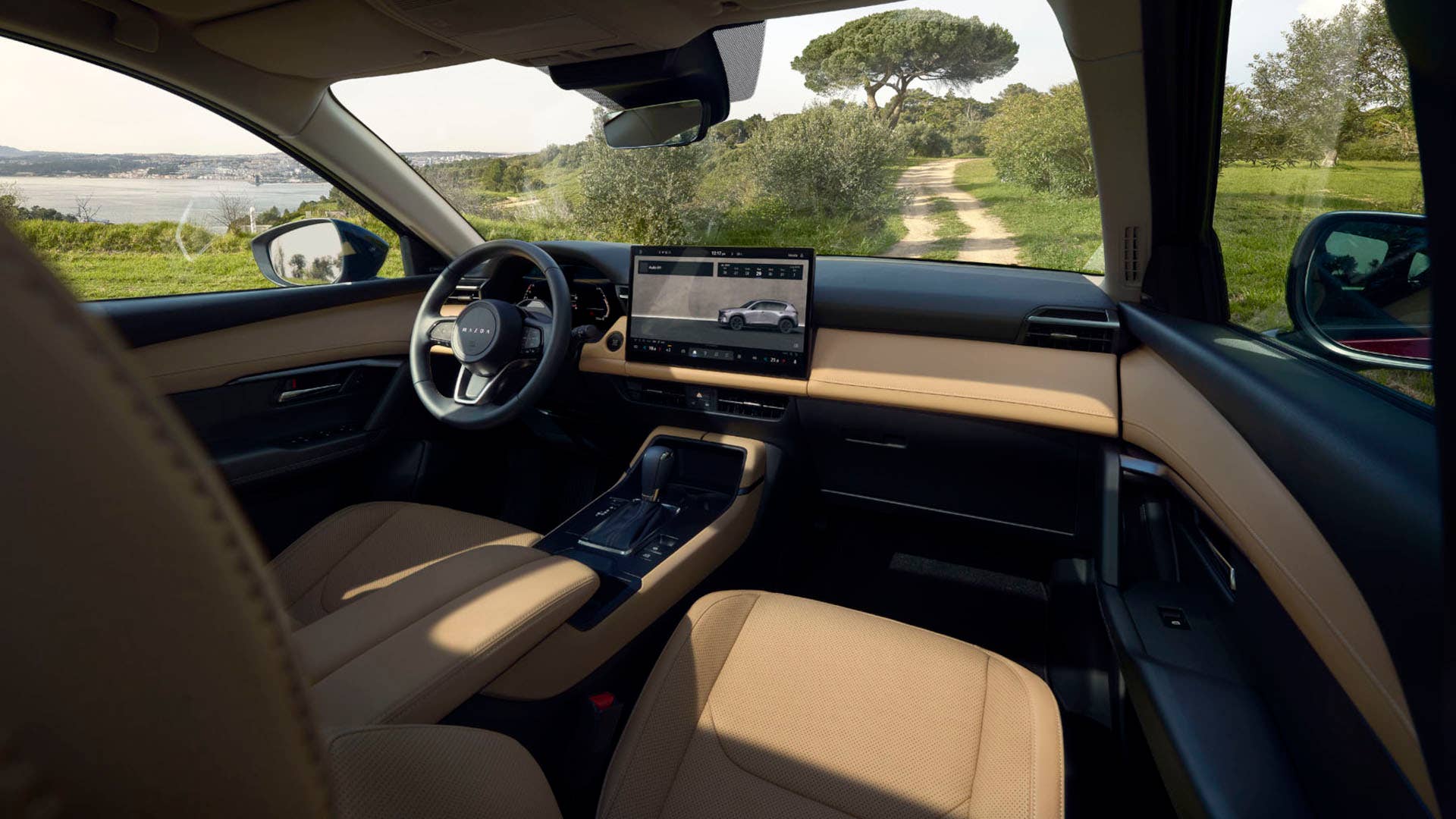
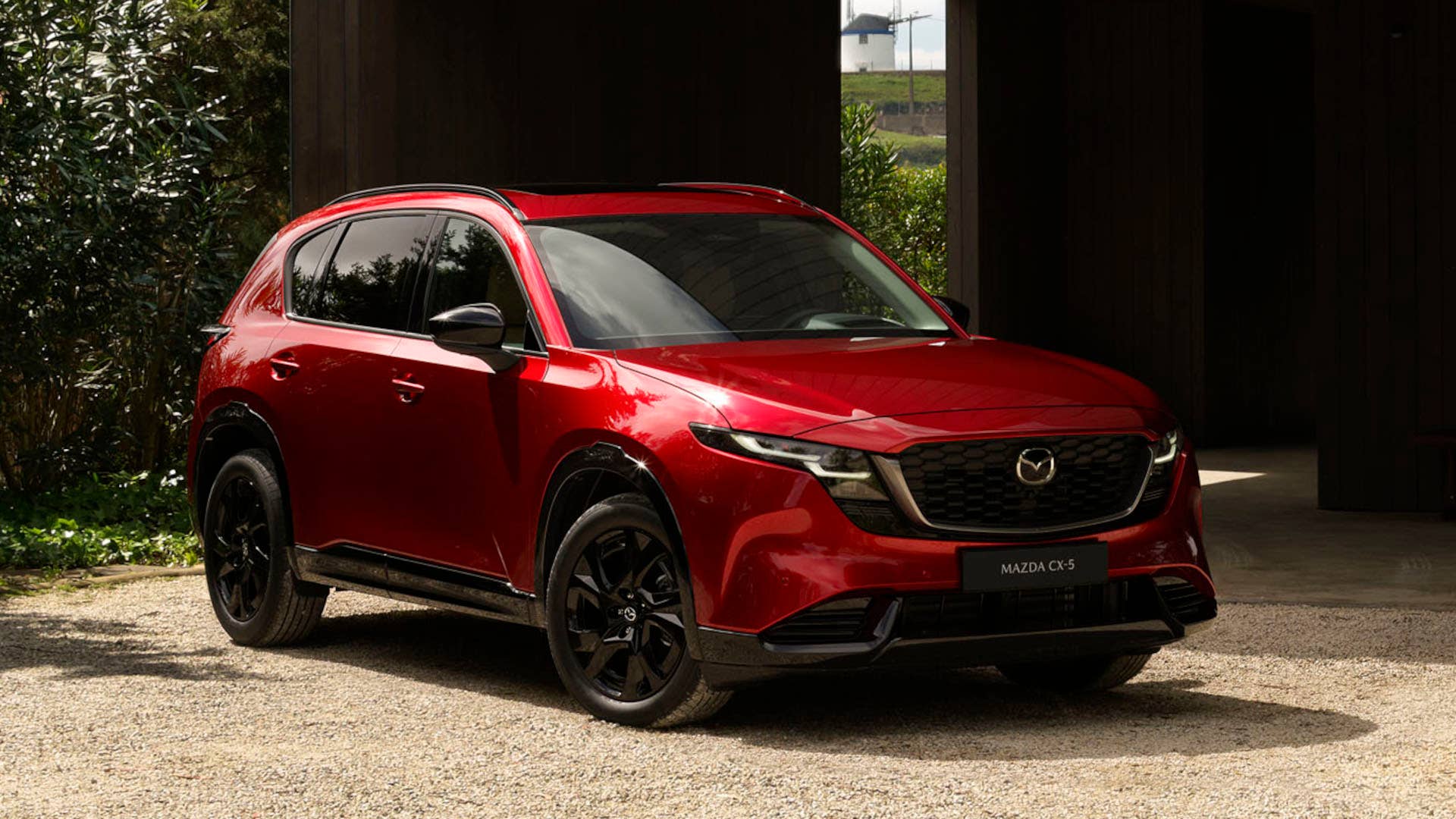
Meanwhile, Mazda’s new-generation CX-5 is set to raise the bar when it arrives. It will feature a longer, wider body with more rear legroom, improved cargo volume, a larger and lower lift-in height for the cargo area, and larger door openings. The CX-5’s cabin is rethought for comfort, with more serene and functional materials, seven-color ambient lighting, and a new, available 15.6-inch touchscreen with Google built-in. Standard and advanced safety systems are expanded. The CX-5 continues with the familiar 2.5-liter Skyactiv-G engine in 2026, while an electrified powertrain is slated for 2027.
About the author

Jacob Oliva
Senior Editor, Autoblog