
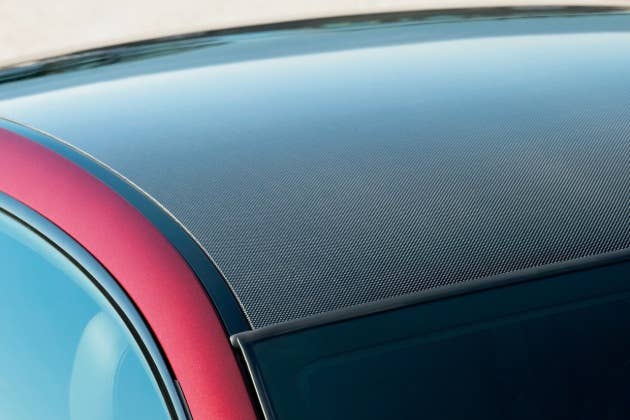
Carbon fiber has been a big success in the automotive aftermarket for years now. From interior trim pieces to strut bars on down to spoilers, the material is extremely popular and for many reasons. First, it’s lightweight yet very strong. Second, it just plain looks good. And finally, it begs for attention from other car enthusiasts. While the aftermarket has been hot for this stuff for some time now, original equipment manufacturers (OEMs) have not exactly warmed up to widespread use of the space-age material in large measure because of the cost and complexity associated with its production. BMW has plans to change that beginning with the upcoming Megacity electric vehicle scheduled for release in 2013, and the company sees even more applications ahead.
In an electric vehicle, use of carbon fiber can make sense. Its lightweight characteristics help to offset the bulk of the on-board batteries. As BMW global sales head Ian Robertson explained:
By using carbon fiber, which is a little more expensive but 30 percent lighter, you don’t need as many batteries for the same range. There’s a trade-off that actually works.
Beyond the electric vehicle, where does carbon fiber fit in? Well it’s really quite simple. Carbon fiber reduces weight and has excellent crash safety characteristics so it could feasibly be used in any vehicle to help increase fuel efficiency while maintaining high safety standards. As Robertson added:
We will be the first manufacturer to take carbon fiber to effectively high volume. We are developing a lot of volume technology here.
BMW is currently working with SGL Group to build a $100 million carbon fiber plant in the state of Washington. The plant will produce components for the Megacity electric, but more widespread use of the exotic material will help offset cost and create economies of scale. With automakers racing to meet upcoming CAFE regulations, carbon fiber could become a partial solution. For now, BMW has a jump on the competition.
[Source: Automotive News – sub. req.]