
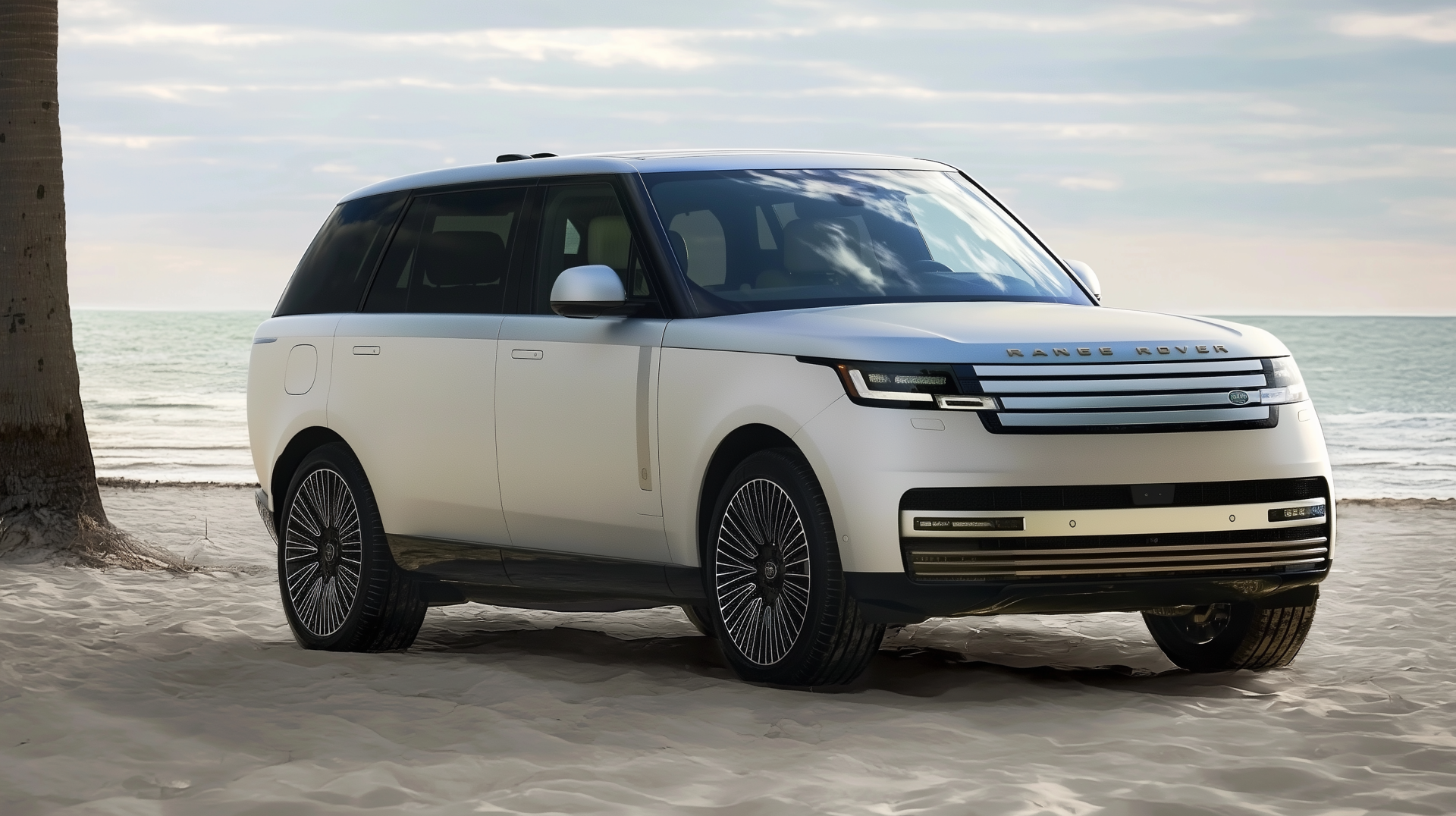
The Range Rover Electric must signal its electrification through its styling without omitting its heritage
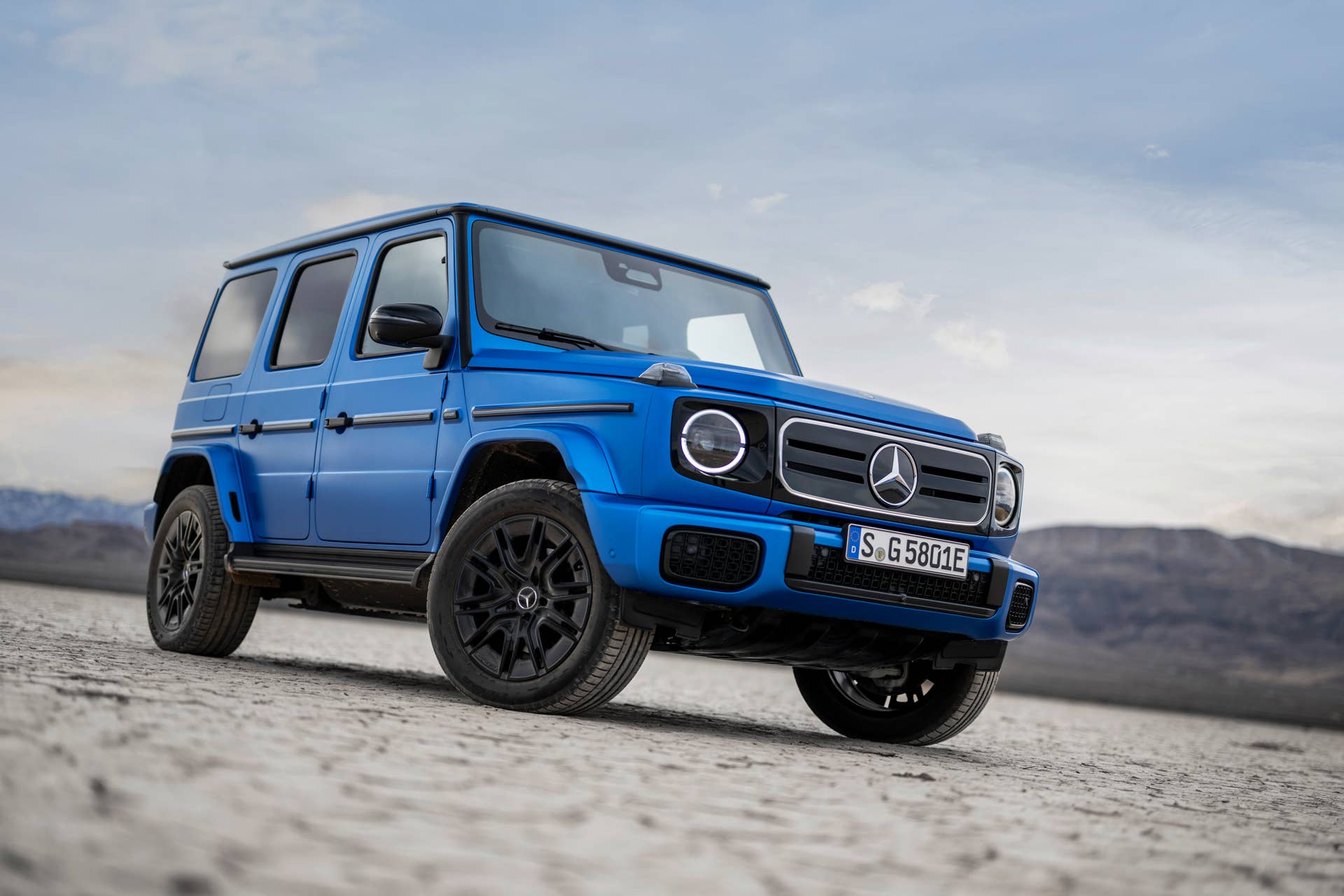
With a steady aim focused towards the Mercedes-Benz G580 with EQ Technology and the Cadillac Escalade IQ, Land Rover’s upcoming Range Rover Electric will need to dress to impress. At the same time, it mustn’t stray too far from current Range Rover styling, or else it risks alienating the brand’s loyal portfolio of clientele. With an expected six-figure price tag, the upcoming Range Rover Electric will need to finely tether the line between signalling its battery-powered uniqueness through its design while simultaneously staying true to the Range Rover brand image with a distinguished sense of class and elegance.
Mercedes-Benz
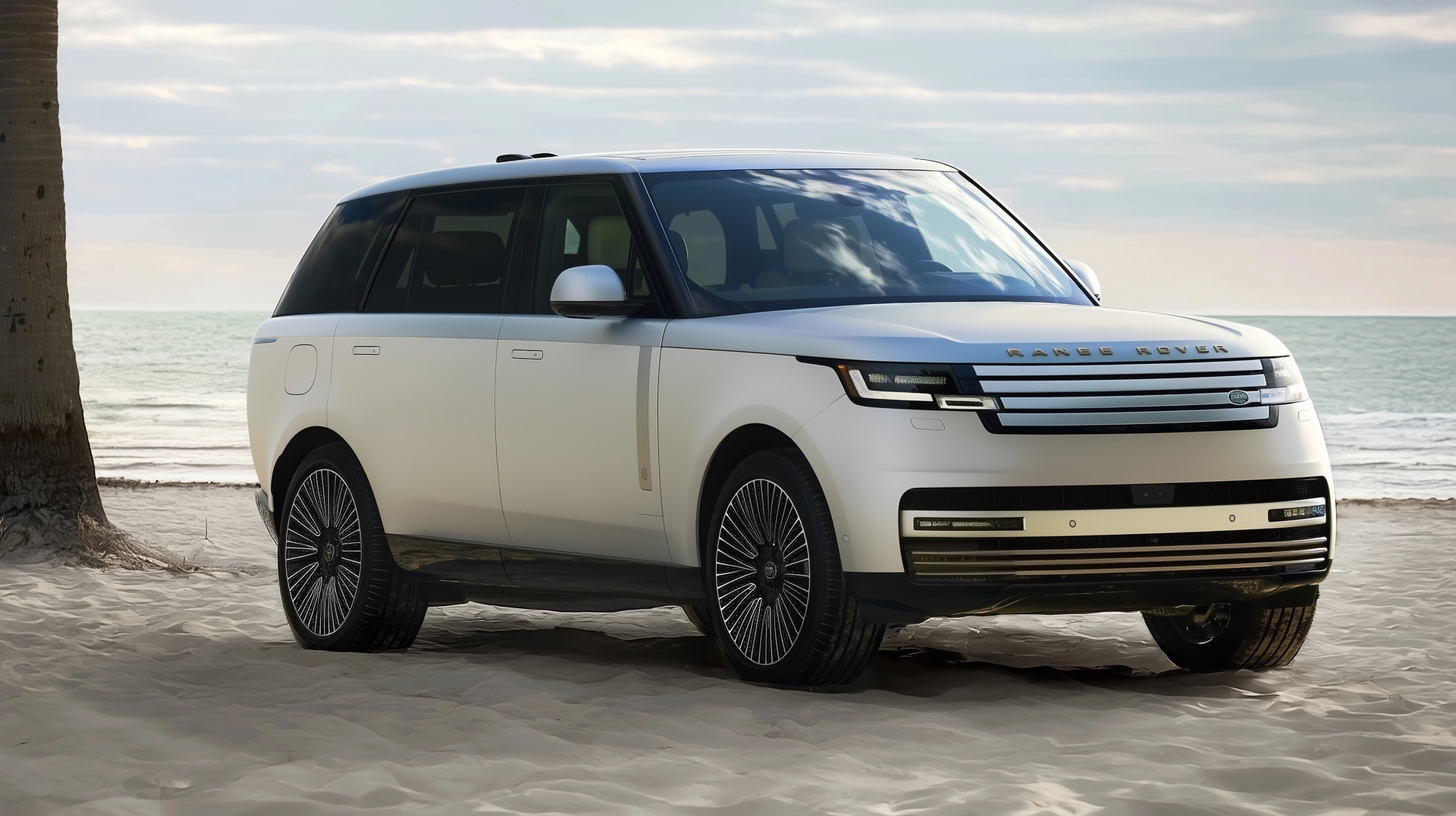
Using generative text-to-image artificial intelligence and Adobe Photoshop over official Range Rover press images, we take an imagined look at what the upcoming Range Rover Electric could look like, incorporating current Range Rover design elements and styling cues while simultaneously integrating electric-specific fixtures, such as its front fascia, grille, and updated interior. These images are for speculation purposes only and in no way depict any actual Land Rover or Range Rover products.
EVs might not need traditional grilles, but Range Rovers sure do
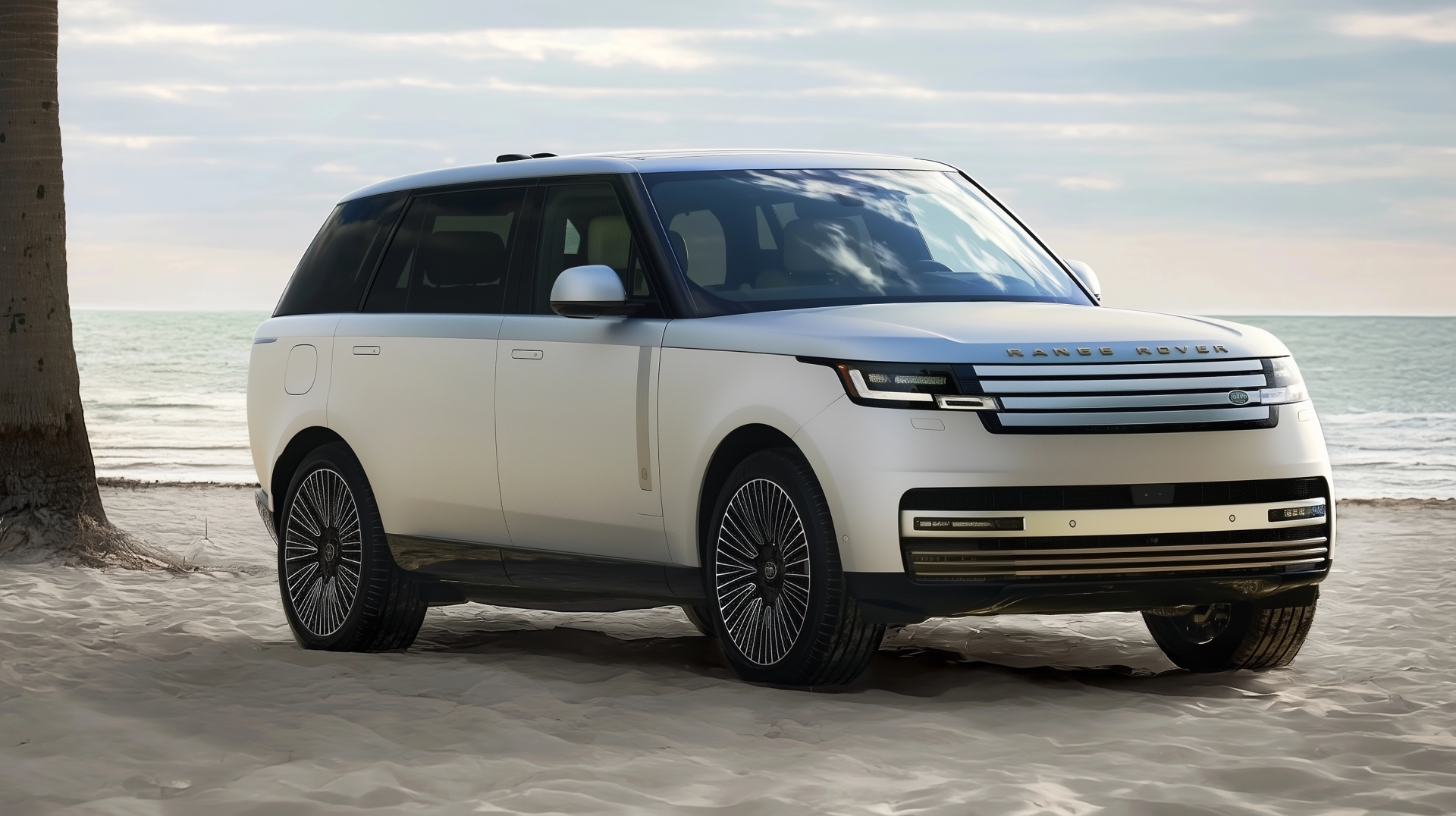
Remember in the mid-2000s, when it seemed like almost every L322 Range Rover in California had an Asanti chrome grille? Even without an aftermarket face, the Range Rover’s iconic horizontally-slatted grille style has been a touchstone of the model since the early 1990s. Although battery-powered vehicles don’t require traditional grilles in the same way that combustion-powered vehicles do, the presence of an imposing, confident grille is synonymous with the Range Rover image. Therefore, we anticipate that while the Range Rover Electric may not have an entirely functional grille on its forward fascia, it’ll still possess a styling element that heavily resembles such a fixture, likely continuing the Range Rover’s tradition of handsome horizontal slats that set Range Rovers apart from copycats.
Land Rover / AI Generated Image
Other notable styling elements we anticipate will be altered for the Range Rover Electric include the wheels and charging port. In keeping with the Range Rover Electric’s intended essence of retaining its well-known aura, we wouldn’t be surprised to see an NACS charge port integrated in a similar location to the combustion-powered variant’s fuel filler cap, albeit slightly enlarged to accommodate EV chargers.
As for its wheels, it’s important for EVs to protect their in-wheel motors with wheels that allow for very little debris to pass through their spokes while also being aerodynamic, which is why many EVs have wheels with very few holes. At the same time, it’s vital for EV wheels to direct what airflow they can towards their brakes and motors for cooling purposes. This all poses a tremendous task for EV wheel designers, who must balance protection and aerodynamics with cooling functions and aesthetic style. Here, we envision wheels with plenty of visible, polished spokes, featuring gloss-black painted inserts to improve aerodynamics and protection. The polished spokes would allow the Range Rover Electric’s wheels to retain their iconic style while simultaneously possessing their necessary functionality.
Land Rover / AI Generated Image
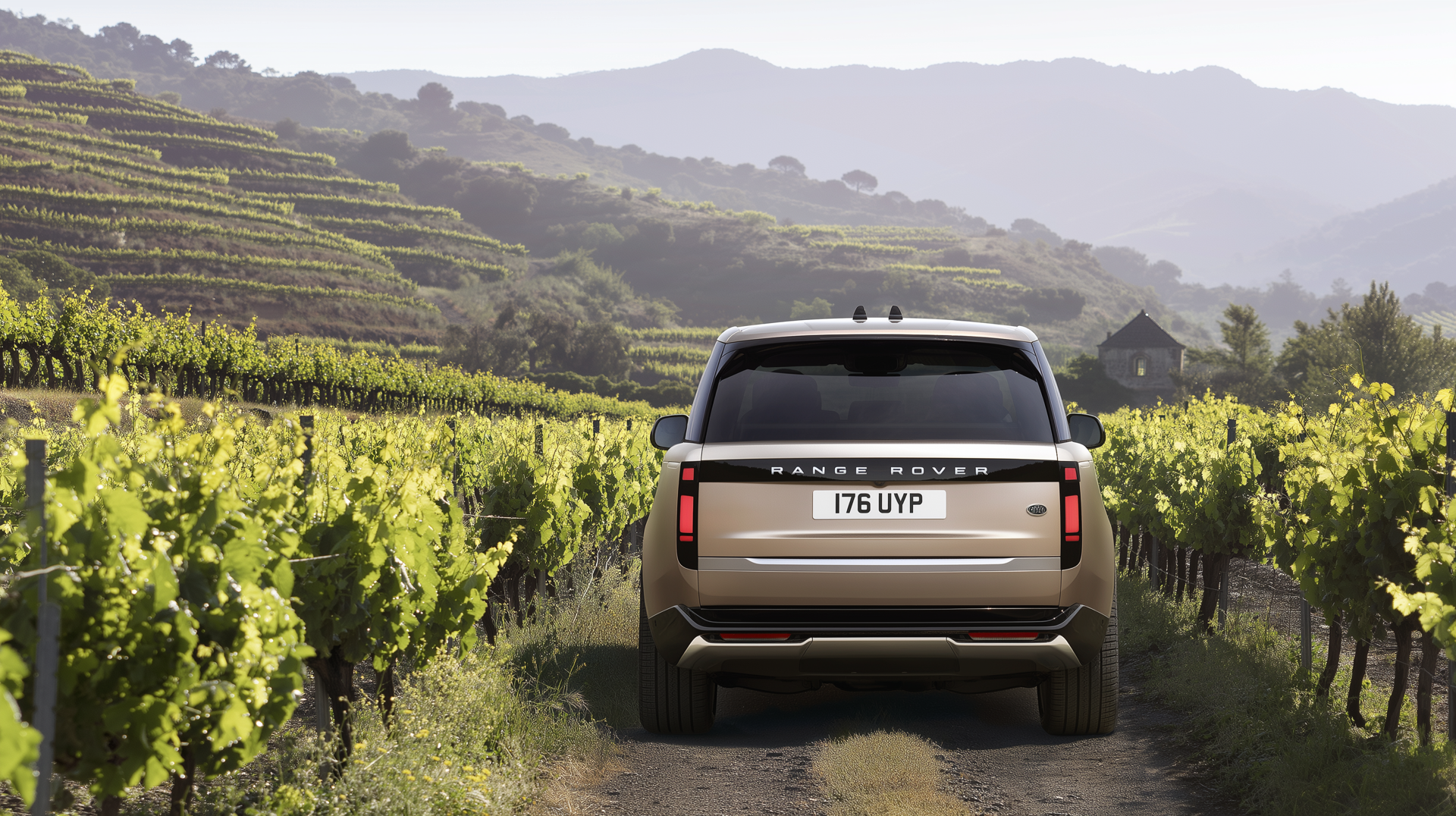
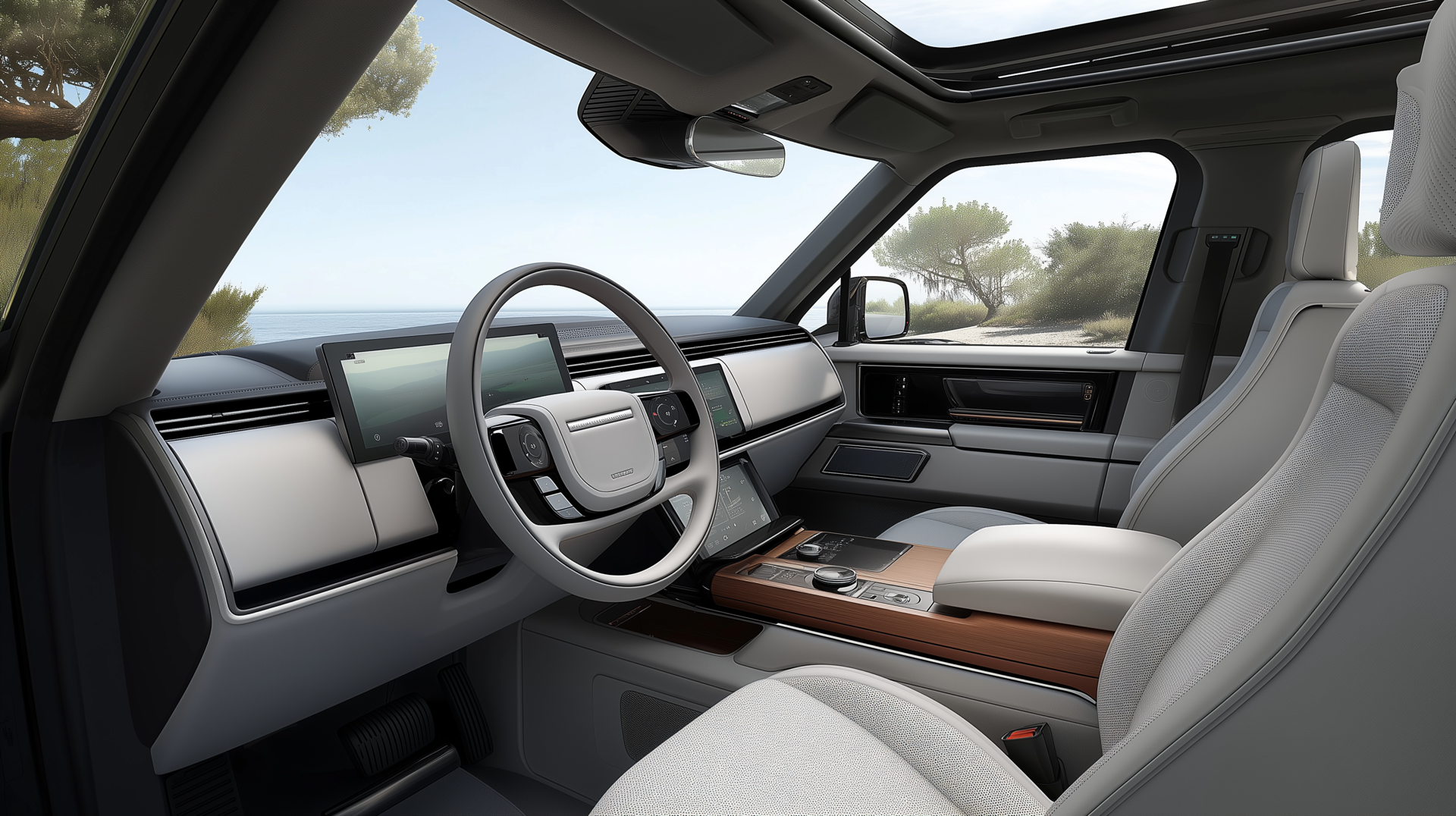
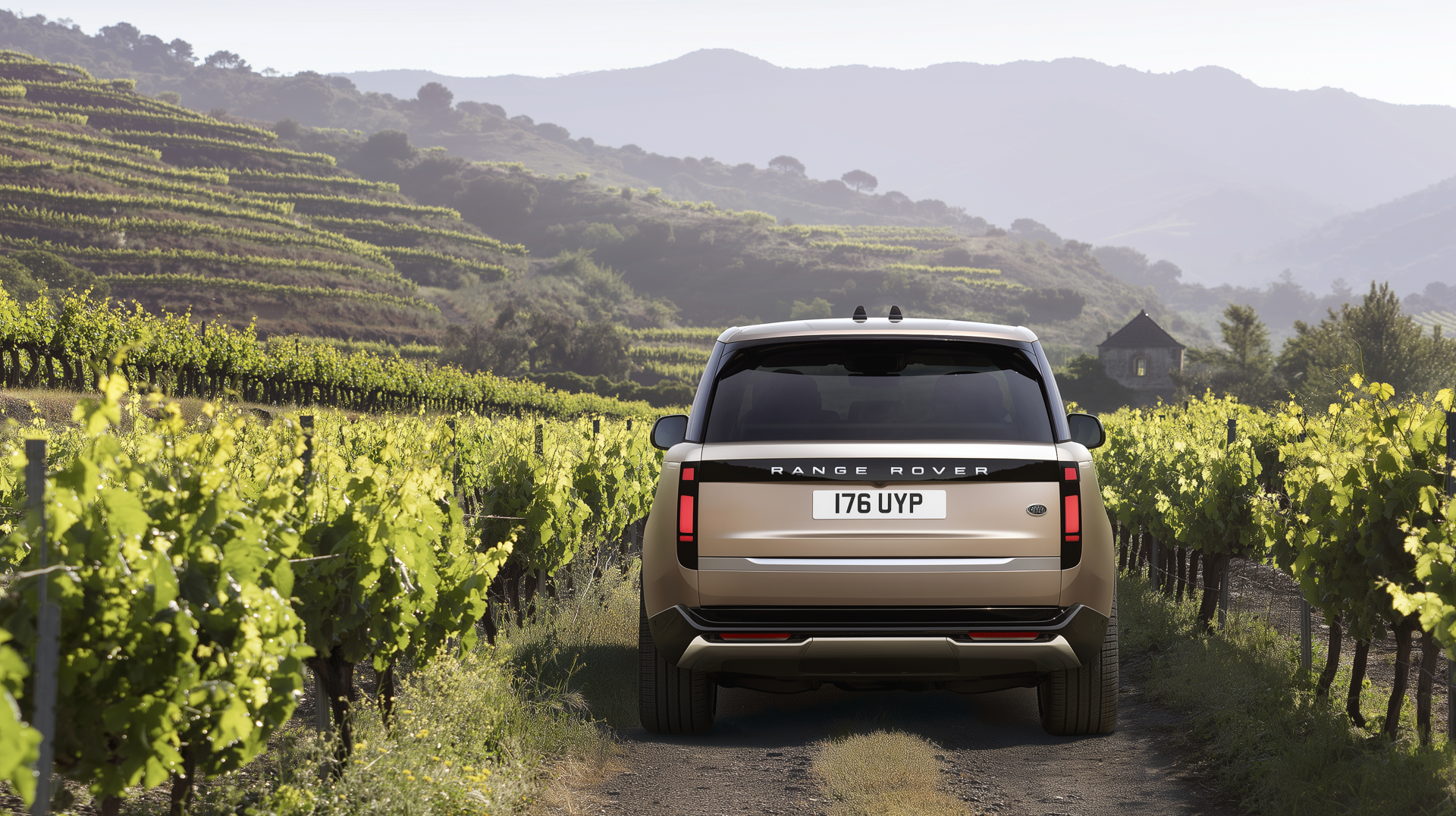
Unique tail lights and deleted tailpipes could sum up the relatively unchanged rear end
Not only do EVs not require grilles, but they also don’t need exhaust pipes. Although the current Range Rover, even in combustion-powered guise, makes a serious effort to conceal its tailpipes as much as possible, the fully-electric version will be rid of them entirely. Additionally, even though the recently refreshed big body Range has a seriously modern tail light design, some minor adjustments to distinguish itself from its combustion-powered counterpart would be welcome here, as Mercedes-Benz has done with its electric G580.
AI Generated Image
Inside, opulence and sustainability must work in harmony
It has become trendier than ever for EVs to use sustainable materials, like sugar cane materials and mushroom-based upholstery, enhancing their market appeal as eco-friendly bastions of a progressive and eco-focused future. Unsurprisingly, however, these kinds of materials don’t always fare well with buyers of luxury EVs, who have come to expect the finest natural leathers and the most well-aged forest wood trims auto manufacturers have to offer. Yet another balancing act the Range Rover Electric will have to perform for its buyers, the battery-powered Range’s interior must strike a careful balance between old-money’s traditional excess and new-money’s want for progressive sustainability.
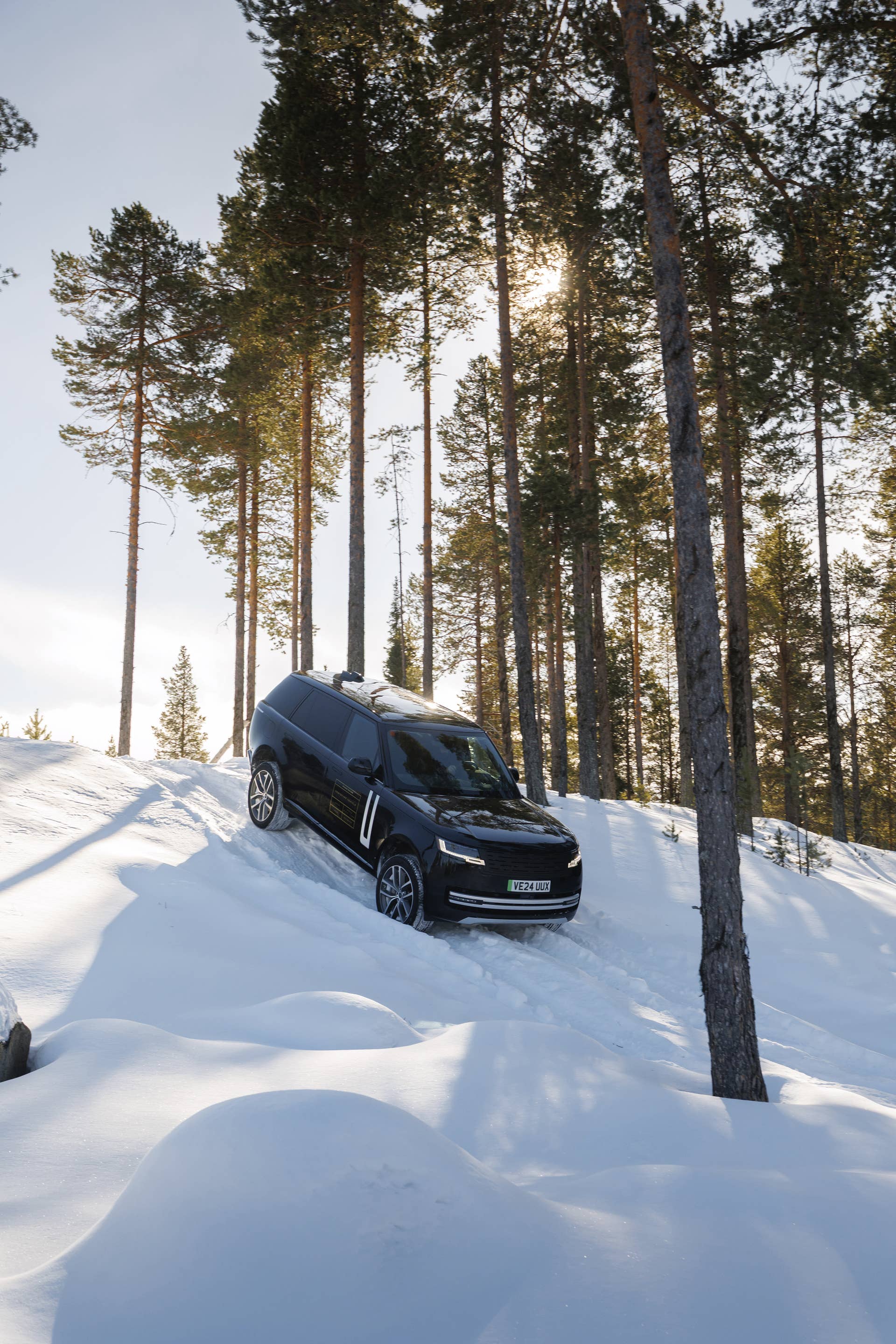
Essentially, we’re looking for an interior that incorporates materials somewhere between illegally-harvested ivory tusks and organically-harvested free-range mushroom fabrics, yet somehow still screams “Range Rover” at the end of the day. Screens are inevitable, I guess, because automakers seem to have come to the conclusion that every EV must pack at least three flat-screen TVs each throughout their dashboards, but we’d like to think that Range Rover is capable of forming an ambient interior environment that impresses the same traditional ethos of class and elegance as Range Rovers of yore while integrating upholstery materials that don’t contribute to animal torture.
Sustainable materials in cars are nothing new, even for luxury vehicles, as brands like BMW and Mercedes-Benz have been experimenting with them for years now, so we’re certainly intrigued by a hypothetical possibility for Range Rover to start playing with similar creative ideas, should they be so bold.
Land Rover / AI Generated Image
Land Rover / AI Generated Image
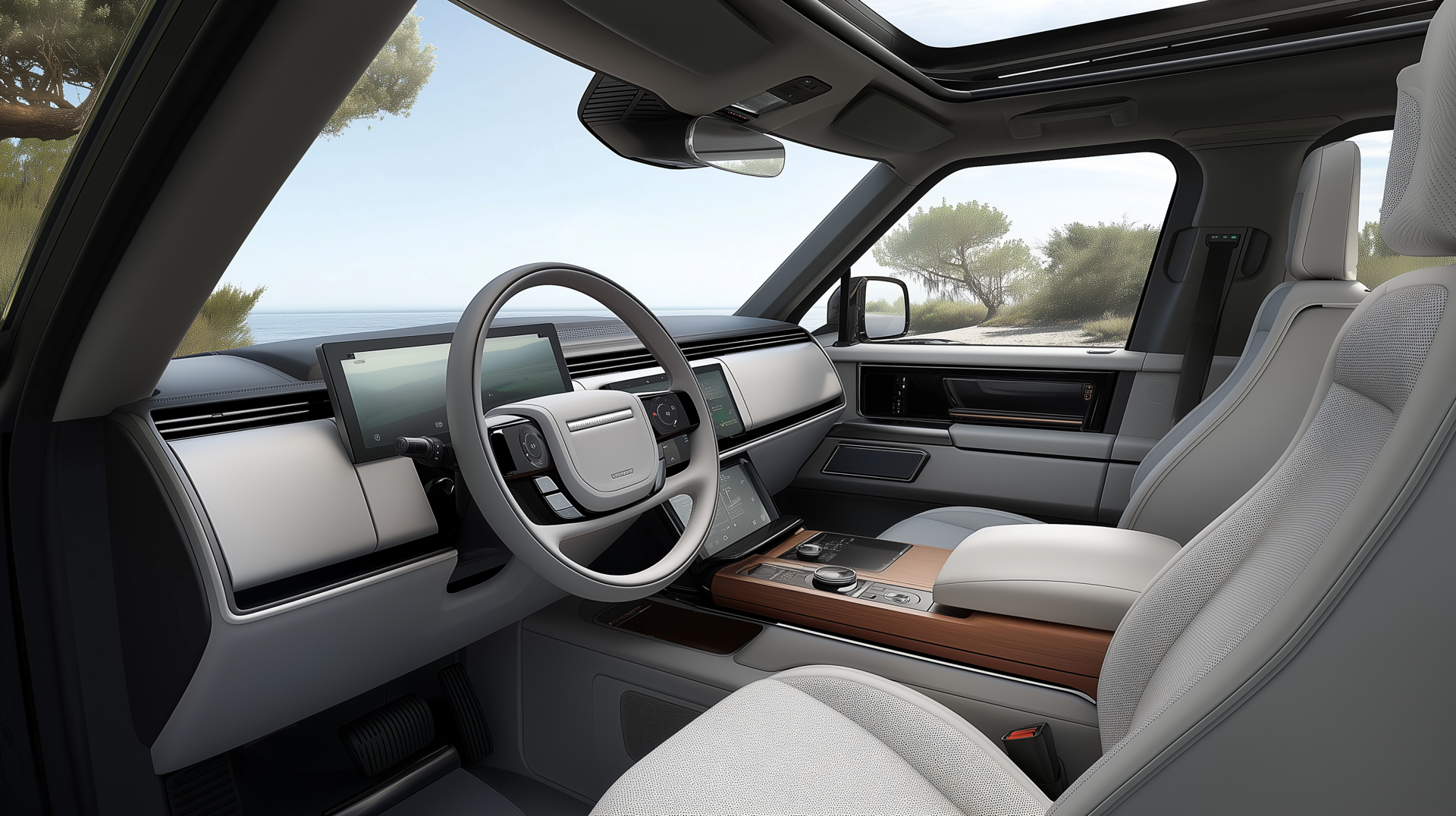
Land Rover / AI Generated Image
Final thoughts
The upcoming Range Rover Electric offers the brand’s design team an interesting opportunity to make the differences where they really count–in the details. The overall look of the EV model shouldn’t stray too far its combustion-powered counterpart, but the smaller details–like the slatted grille, altered tail lights, and cabin materials–can make the difference to set apart the EV Range Rover from the rest of its lineup, especially when buyers are comparing models in the showroom. We can’t wait to see what the brand has to offer when the time comes for the model to debut, but until then, we’ll eagerly anticipate its arrival.
About the author

Cole Attisha
Staff Writer, Autoblog