
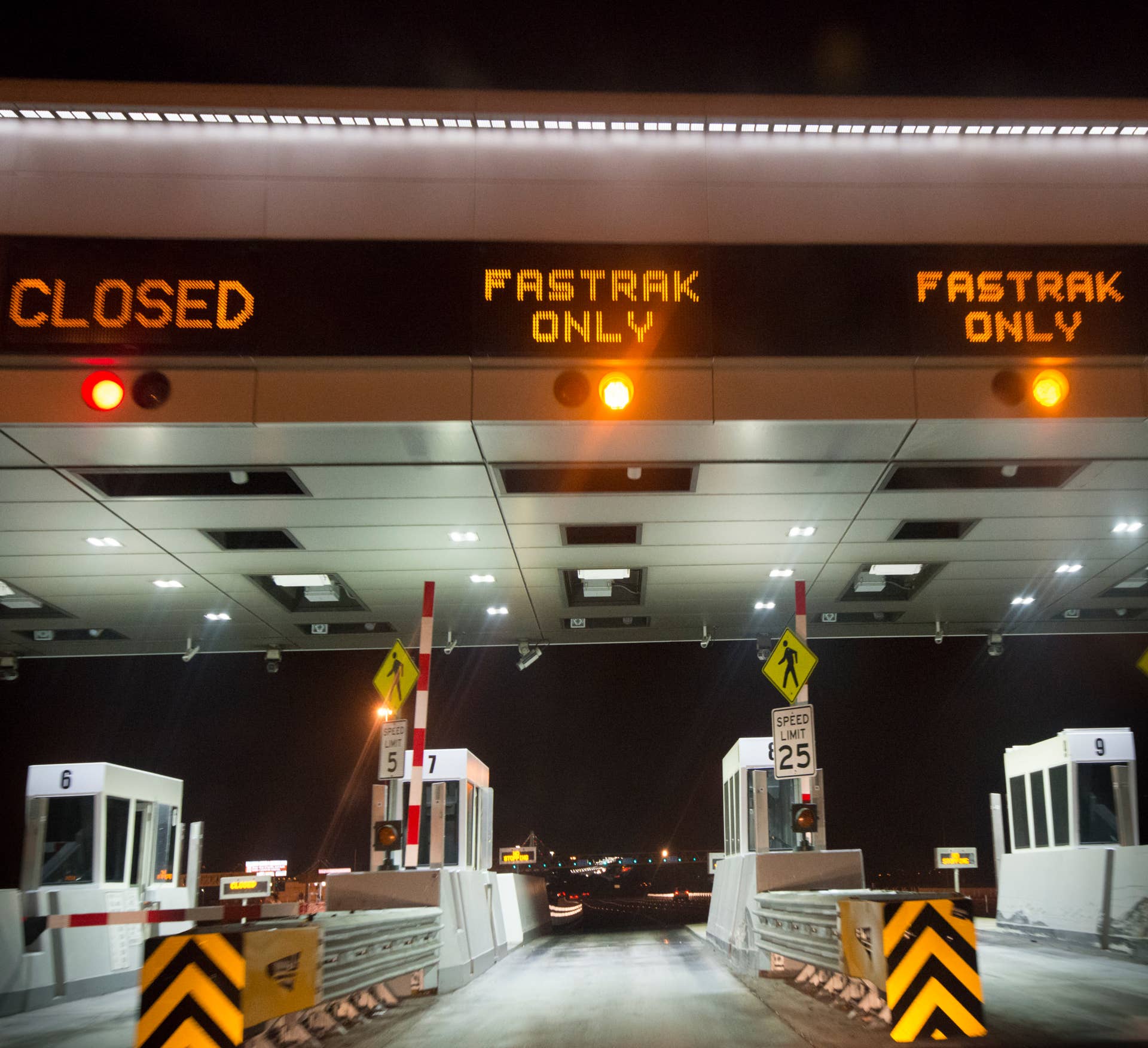
The growth of electric vehicle adoption is largely viewed as a positive movement, effectively reducing pollution and saving owners and their wallets from rising fuel costs. Since EVs never need to fuel up at the gas station, however, they’re putting strain on roadways from an economic standpoint. On top of that, vehicles in general have become more efficient. For decades, fuel taxes have helped pay for our roadways. Now, both federal and state governments are looking for new sources of income, and it looks like expanding toll roads is on the table.
The 18.4 cent problem
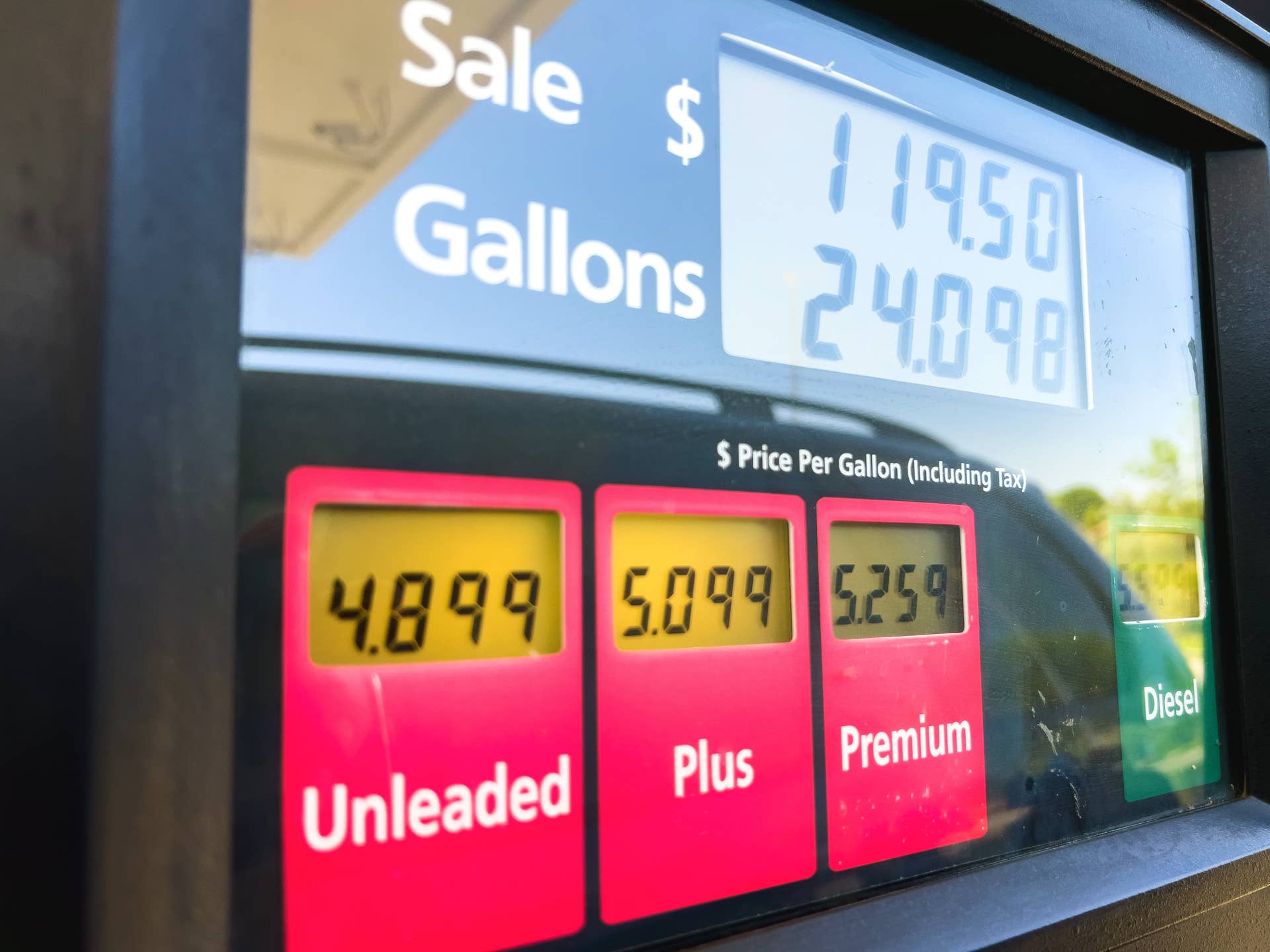
For decades, the federal fuel tax has remained a fixed cost that doesn’t fluctuate with inflation. As a result, its purchasing power has fallen dramatically as the years have gone by. Last updated by the Clinton administration in 1993 from 14.1 cents to 18.4 cents per gallon, the federal gas tax has remained stagnant for more than 30 years, and now our nation’s infrastructure is paying the price.
The continuing decline in revenue generated by federal and state fuel taxes has policymakers looking for new ways to fund maintenance of the nation’s roadways. For the most part, EV owners are bearing the most obvious burden. While some states are charging EV owners a higher flat fee to register their vehicles, others are taxing the electricity used to charge EVs at public charging stations.
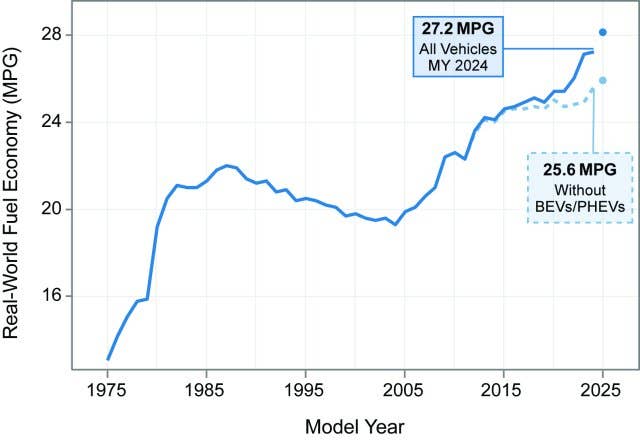
EVs aren’t alone in the declining revenue from the gas tax, though. Everyday vehicles are consuming far less fuel than they have in the past, effectively contributing to the decline, albeit not at the same level. In 2005, just 12 years after the last federal fuel tax increase, the average car earned 20.1 mpg. In 2024, that number had risen to 27.2 mpg, an increase of more than 35%. While EVs circumvent the gas tax entirely, modern hybrid systems are allowing owners to bypass gas stations more and more with each passing year.
There’s growing resentment from EV drivers towards special registration fees, despite their vehicles continuing to cause similar wear and tear on roadways as standard vehicles. As a result, some policymakers are looking for a way to spread the cost of maintaining our nation’s infrastructure evenly. Toll roads are one solution that guarantees drivers pay for infrastructure and maintenance directly. Another possible solution comes in the form of mileage-based user fees (MBUF), which would replace the gas tax with a per-mile charge, a move that would likely require some drivers, like truckers, to pay more than others.
Toll roads and and MBUF
Naturally, the rising cost of vehicle ownership is a concern for many drivers, and toll roads certainly wouldn’t alleviate those troubles. In order to replace declining gas tax revenue and continue to maintain roadways, however, they may be a necessary evil. With toll roads, revenue is tied to actual road usage, and both gas and electric vehicles would contribute equally. Governments would also have a predictable stream of income, and funding could be directed towards the roads themselves.
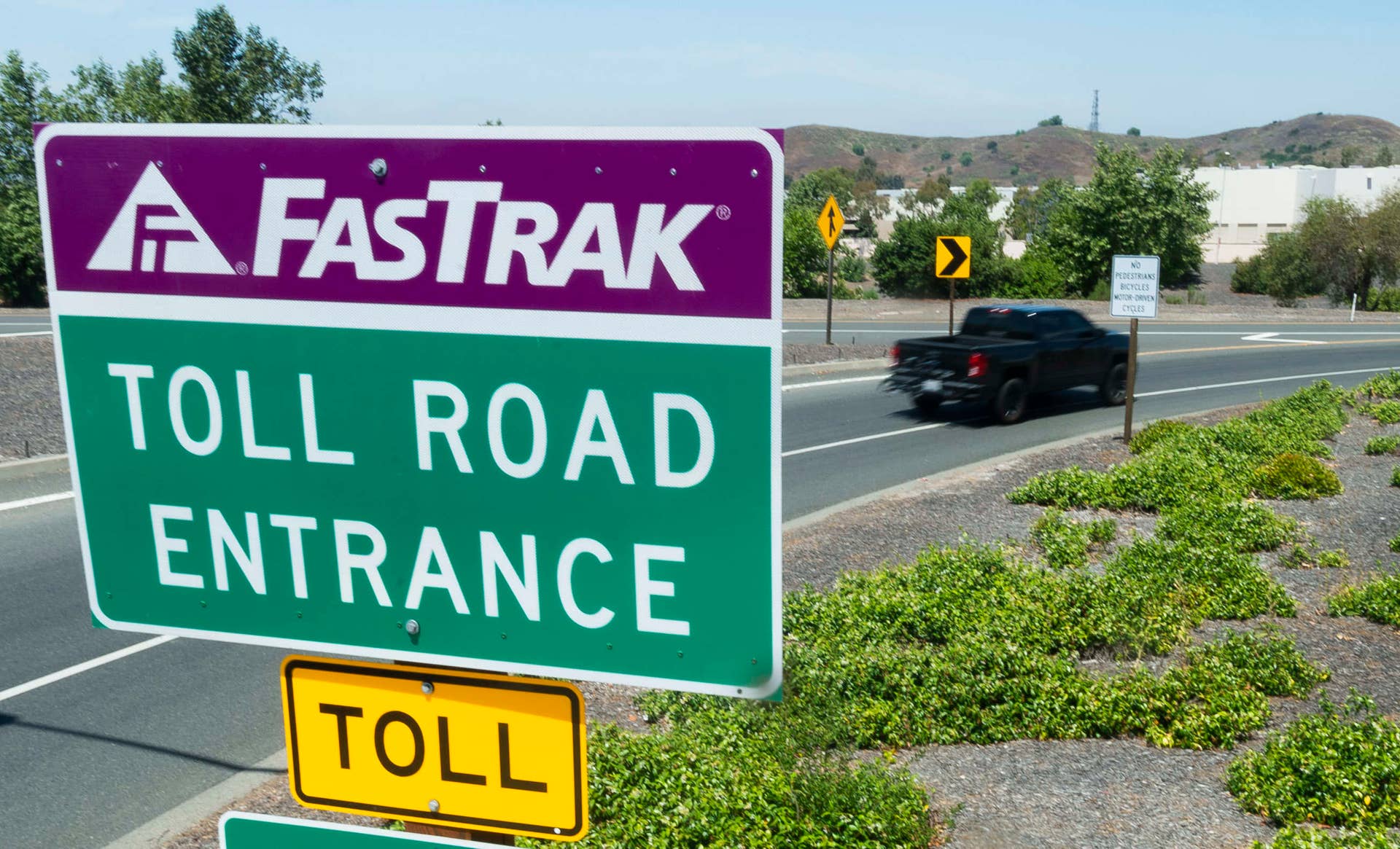
While toll roads seem to be the simplest solution, others argue that mileage-based user fees would be the better long-term system to replace the gas tax. Under this system, drivers would pay a fee determined by a variety of factors, including miles driven and vehicle weight. While it would more accurately reflect road usage and create a sustainable income stream, there are some serious problems as well. Not only would it be complex to implement at the administrative level, but it would likely face plenty of resistance from the public.
Mobility and driver data
It’s no secret that modern vehicles generate extensive location and driving data, and everyone from toll operators to automakers have an interest in transportation ecosystems. Naturally, this raises some privacy concerns related to vehicle tracking, especially once digital payment and road tracking systems come into play. Automakers could potentially offer toll payment systems integrated into their vehicles as well, which would presumably require a monthly subscription, further increasing the cost of vehicle ownership.
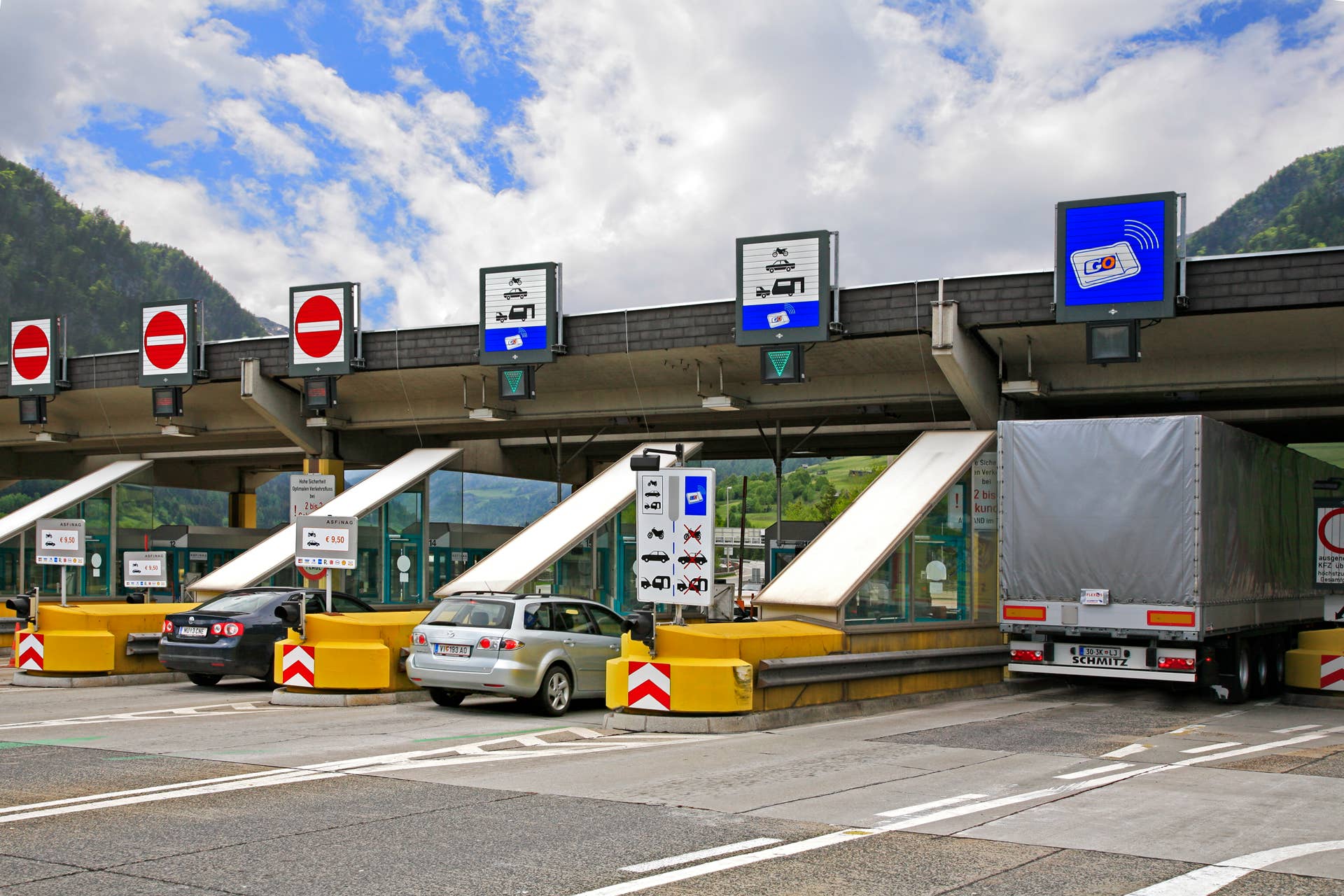
As we’ve seen in the past, the government isn’t hesitant about partnering with private companies to finance, operate, or manage revenue streams. Long-term agreements could effectively privatize toll collections, leading to deals that hinder funding and leave driver data at risk. Once a toll road begins operating at a major corridor, drivers often have limited alternatives to consider.
Dynamic toll pricing, also known as congestion pricing or variable tolling, remains a top concern as well. Under this system, not all drivers would pay the same fee. Rather, the toll would adjust according to traffic flow to maximize efficiency. In order to truly maximize the efficiency of dynamic toll pricing, however, drivers would need to know the fee prior to arriving at the toll road. This is likely where automakers would need to step in.
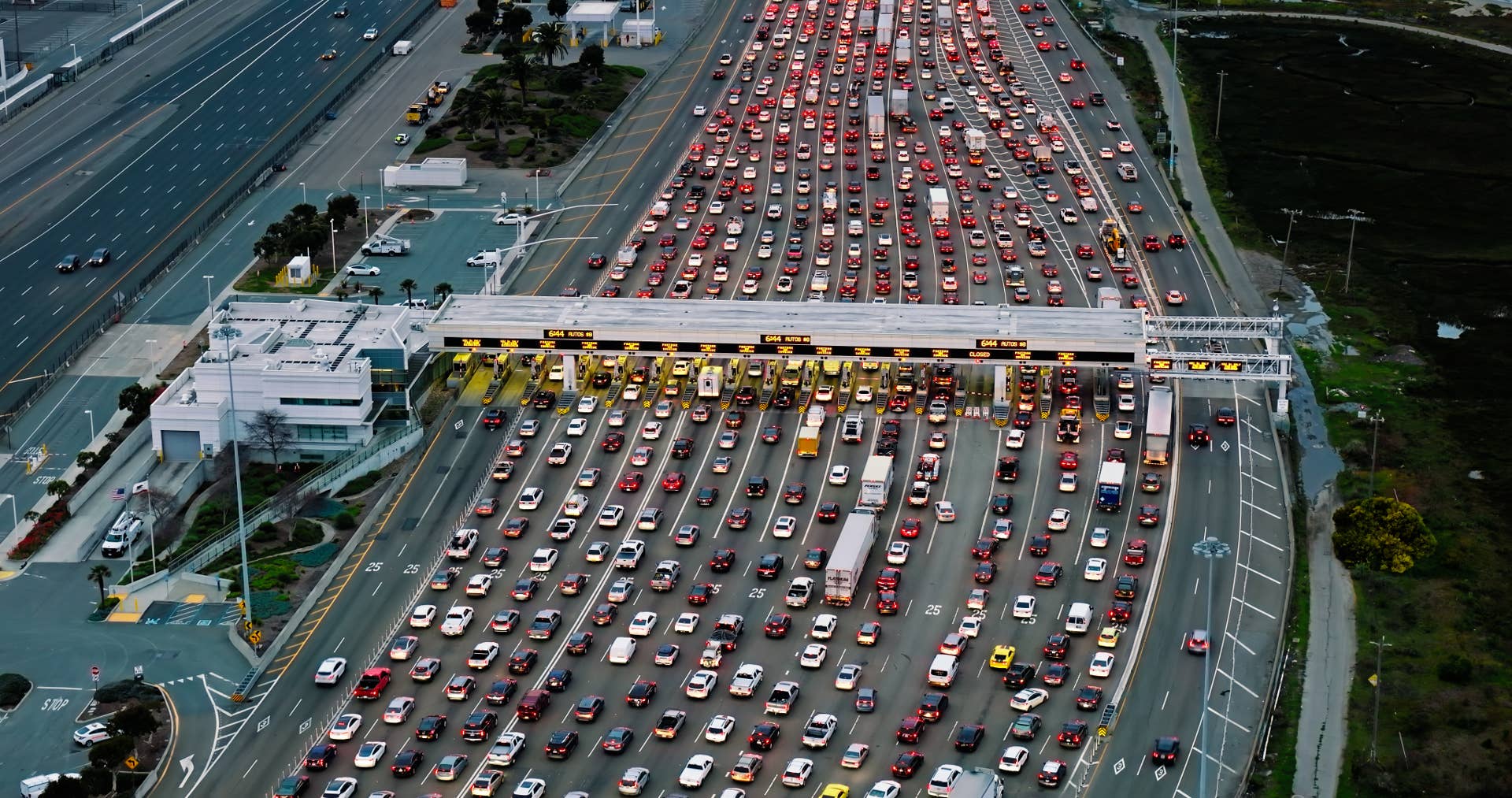
If dynamic toll pricing becomes the norm nationwide, automakers have the opportunity to equip their future connected vehicles with software that could receive real-time toll prices and automatically compare route costs. Not only that, but a built-in system could potentially optimize routes based on time and money and process toll road payments automatically.
Toll roads, gas taxes, and the future
It’s clear that income from the federal gas tax is on the decline as a result of not just EV adoption, but more efficient vehicles in general. While a mileage-based user fee system would potentially work, the complications behind the scenes might make it much harder to implement on a national level. As a result, toll roads appear to be the most likely solution going forward.
If toll roads replace the gas tax at both the federal and state level, the cost of road maintenance would be paid equally by all drivers. While the implementation of a dynamic pricing model would be controversial at best, it would potentially generate more income and improve traffic flow. On the flipside, if the system is privatized, it puts more driver data in the hands of private corporations.
There are pros and cons to every model, but a direct-user pay system of some sort seems to be the future. The federal gas tax has been stagnant for more than 30 years, and while states have adjusted their own fuel taxes more recently, only Maryland and New Jersey generate enough revenue to cover their highway spending. As it currently stands, toll roads are the most likely solution, but given how long the government takes to implement change, we may not see an expansion for years to come.
About the author

Joseph Pudlewski
Contributing Writer, Autoblog