
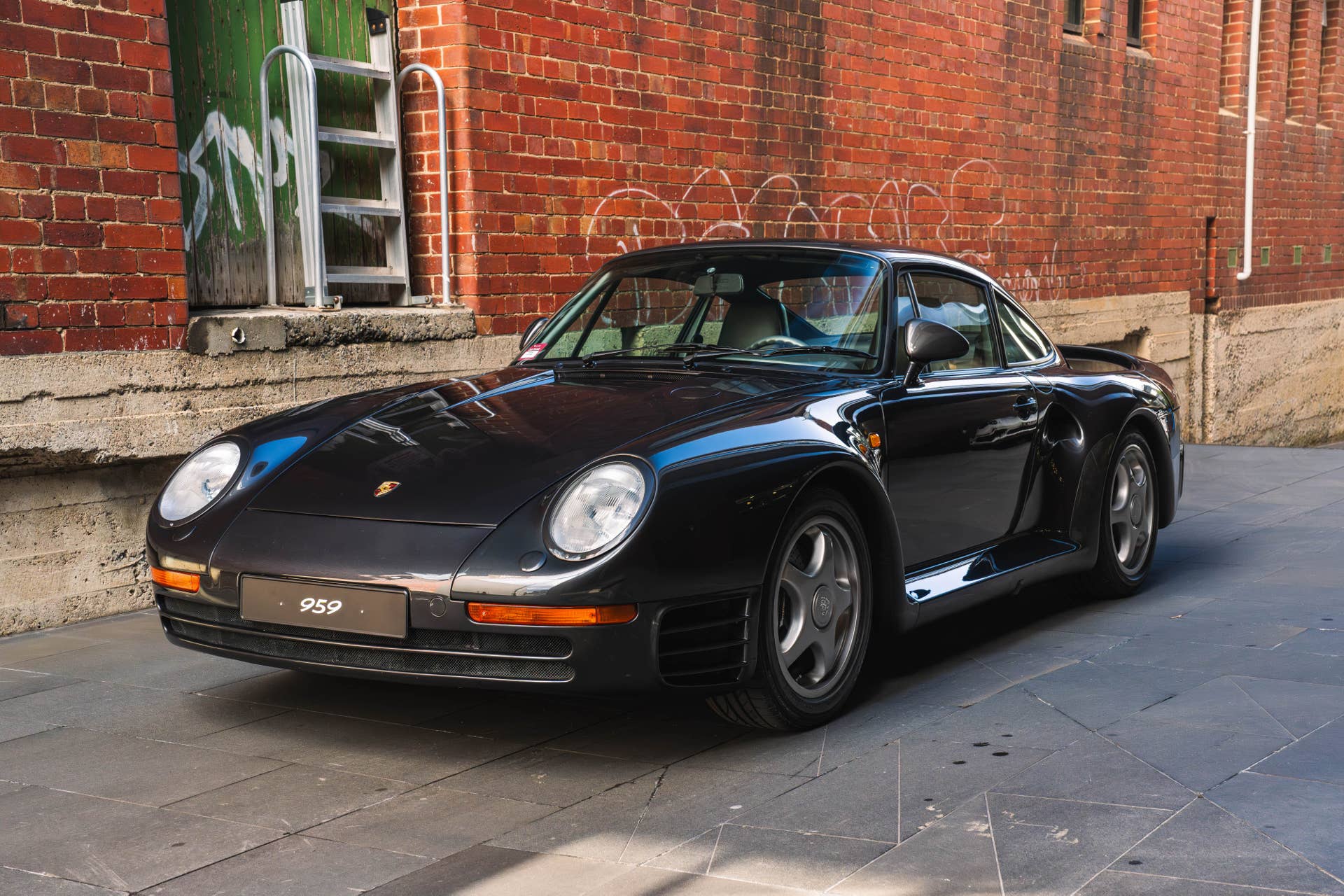
When it comes to street-legal performance, few automakers deliver a more enthusiastic and engaging driving experience than Porsche. The origin of the automaker’s modern systems dates back to the Porsche 959 of the 1980s. Designed as a rally car, the 959 helped revolutionize the industry by implementing computer-controlled engineering that improved performance. It was a wild departure from the norm in a time where many automakers were simply shoving more ponies under the hood.
Patrick Ernzen / RM Sotheby's
From the track to the streets
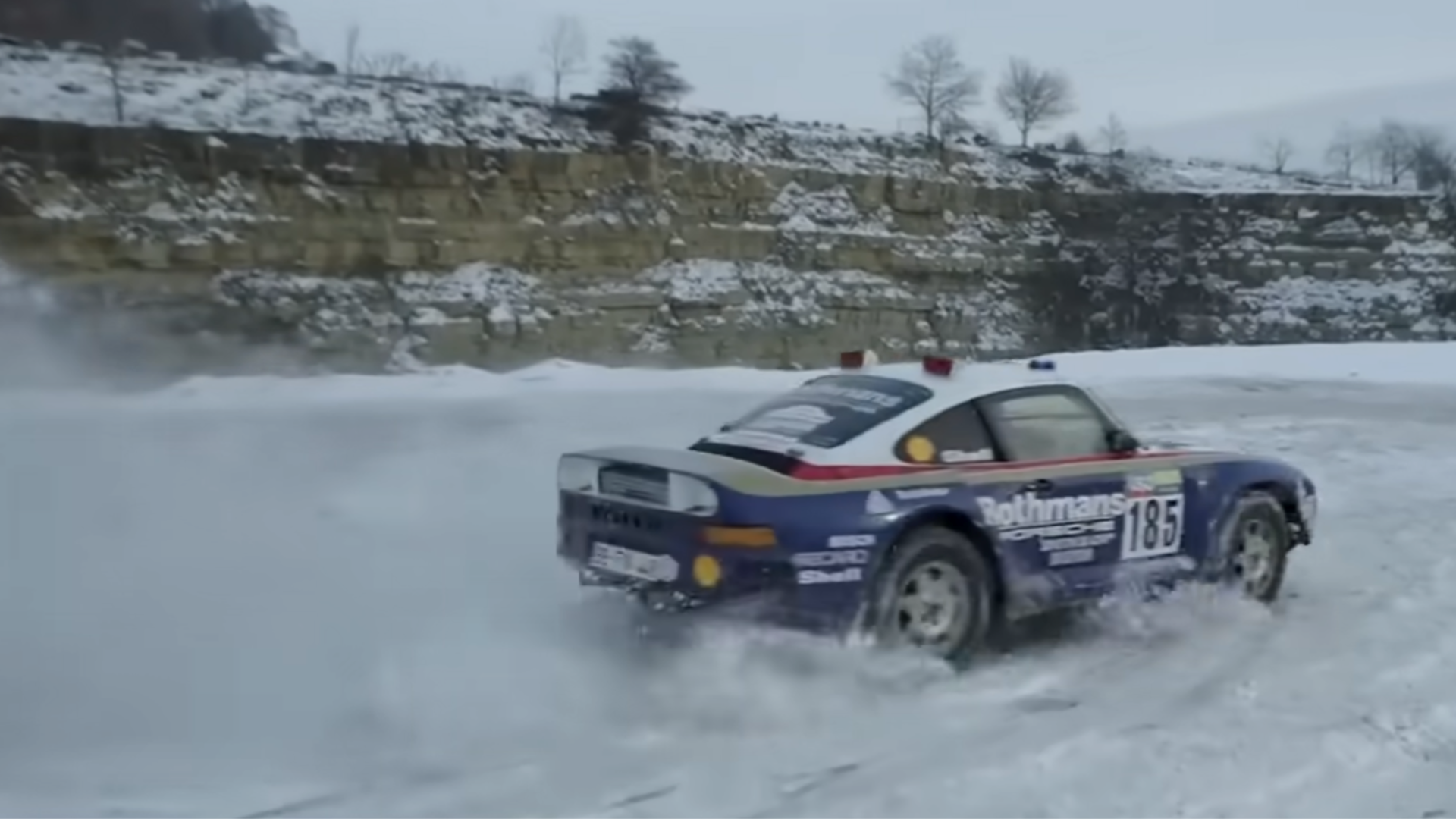
The Porsche 959 was originally developed to compete in Group B of the World Rally Championship (WRC). In order to meet the group’s homologation rules, Porsche was required to build at least 200 production versions of the race car, as well as another 20 units to compete in the WRC. Notably, Group B had virtually no design restrictions, allowing automakers to let loose in the development and production of their race cars.
YouTube/@TheFrame
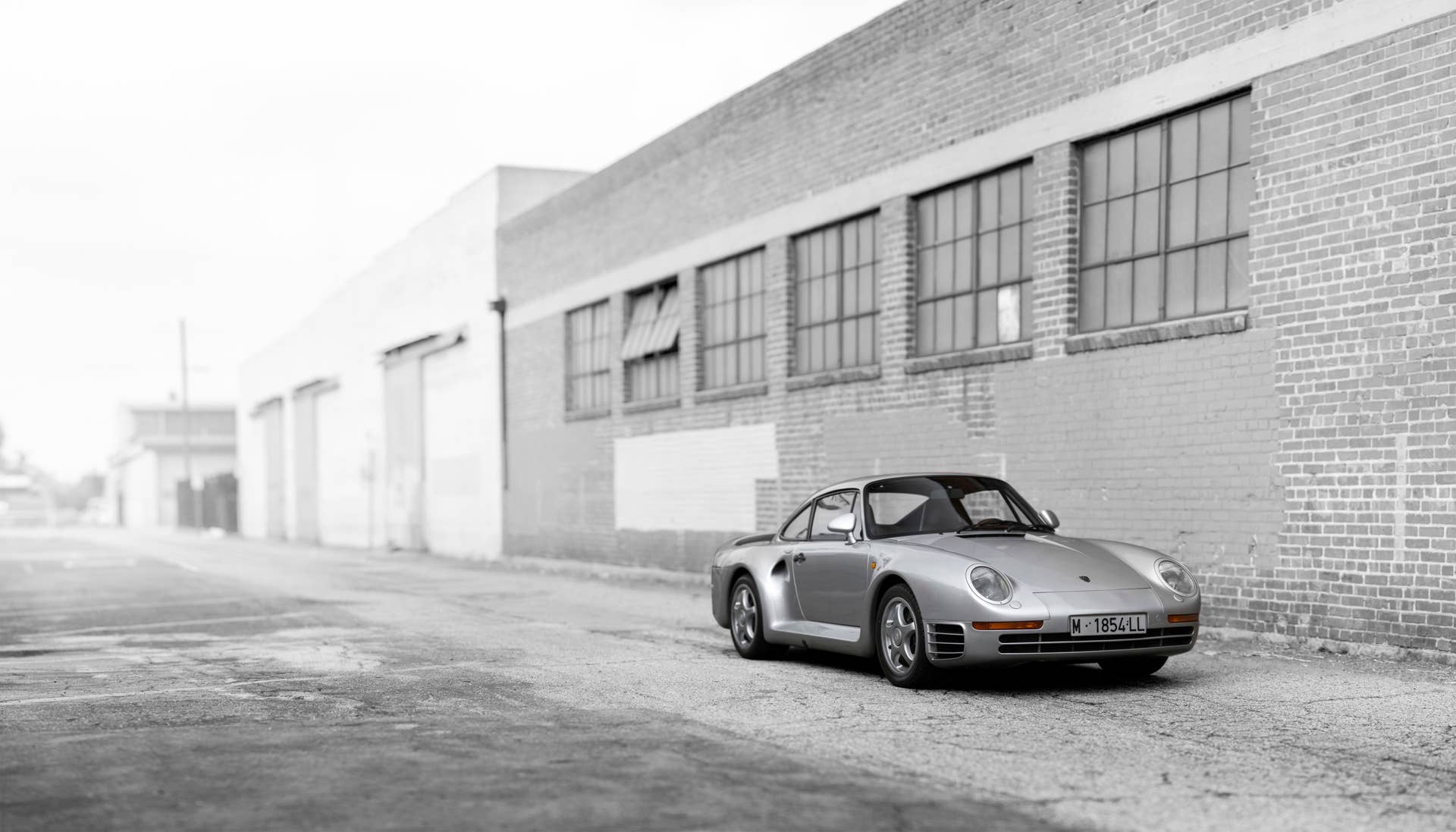
From 1986 to 1993, just 345 examples of the Porsche 959 were built in Stuttgart, Germany. The manufacturer began delivering the 959 street model to customers in 1987, and production ultimately ended in 1988, with just 337 examples built, including 292 cars and 37 prototypes. In 1992 and 1993, Porsche assembled another eight examples of the 959 from spare parts. They featured a more advanced damper system, and the cars were sold to collectors selected by Porsche.
The street-legal Porsche 959 was capable of achieving a top speed of 197 mph. According to Paul Frère, former race car driver and Porsche expert, the German automaker offered an optional factory upgrade that increased output to 523 horsepower. With the upgrade, the 959 could reach speeds of up to 209 mph and hit 60 mph in just 3.4 seconds.
Ronan Glon
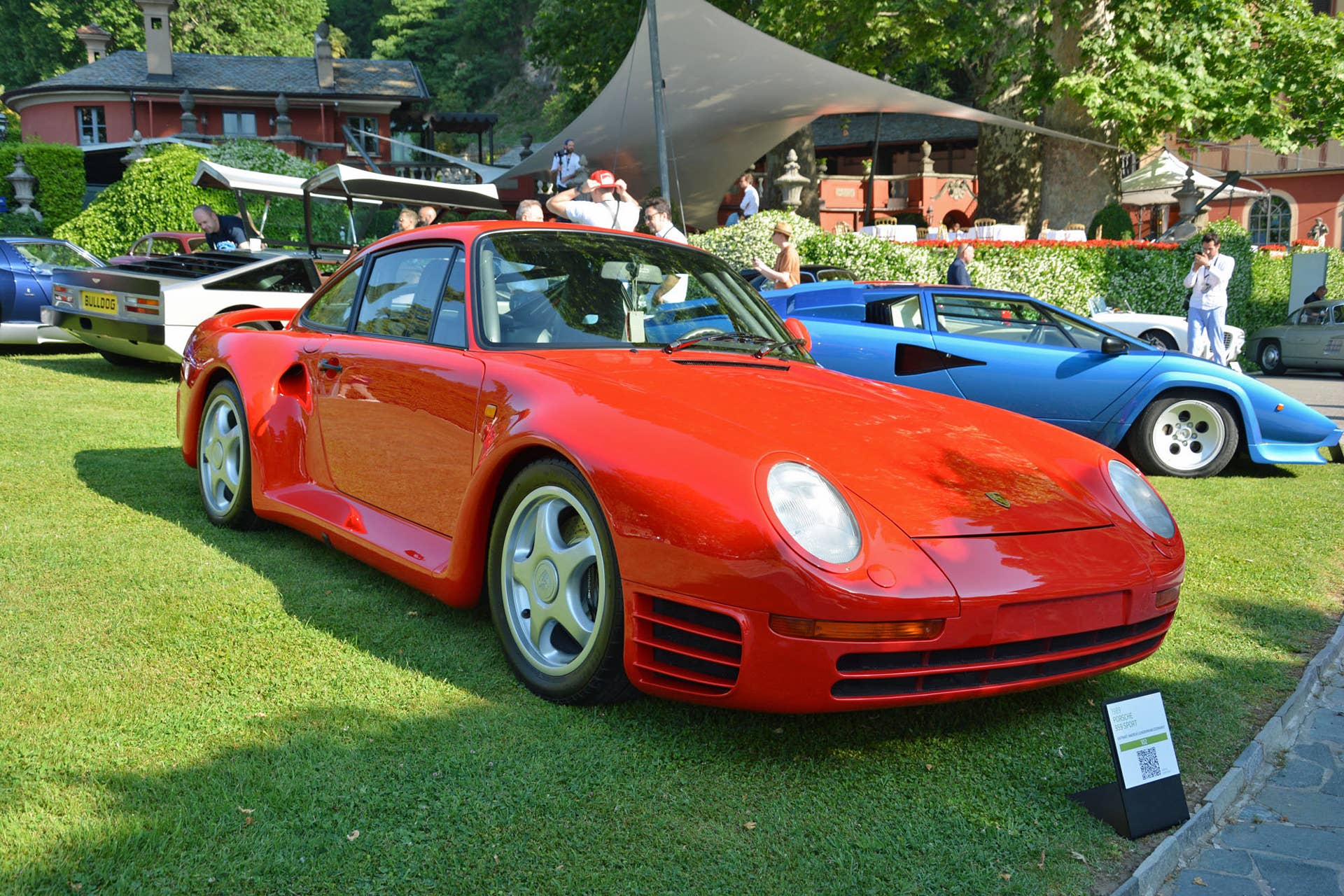
It should come as no surprise that the 1986 Porsche 959 wasn’t cheap, but the German automaker wasn’t making money hand over fist on the sports car. In fact, they lost money due to the sheer cost of developing the advanced technology. The model debuted around the $225,000 mark, a figure that lost $200,000 for each 959 sold. Today, well-preserved models routinely go for seven figures at auction. Per Glenmarch, earlier this year, a 1987 959 and 1988 959 Komfort sold for upwards of $2.3 and $2.5 million respectively. An example of the 1988 Porsche 959 Sport managed to fetch just over $5.5 million at auction this past March.
Thinking about selling your car? Get an instant cash offer online now. Click here to get started.
Race cars meets luxury sedan
Development of the Porsche 959 began in 1981 under the leadership of Helmuth Bott, chief engineer at the time, and Peter Schutz, managing director. While the concept began as a rear-engined 911, it quickly grew into something more, prompting Bott to gain approval to compete in Group B. When the Porsche 959 finally hit roadways in 1986 and 1987, it officially became the world’s fastest street-legal production car.
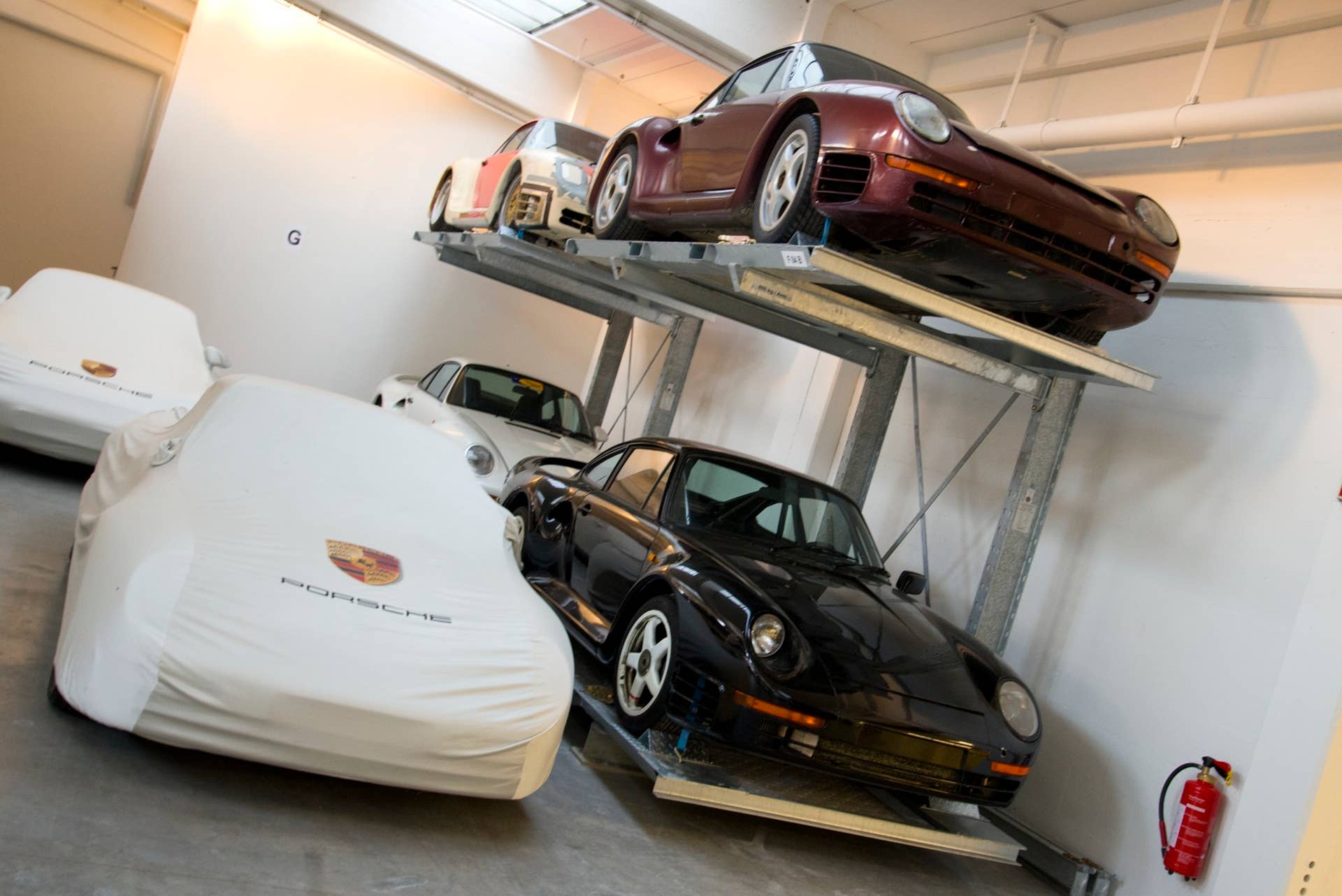
The 1986 Porsche 959 combined high-octane performance with top-spec comfort on par with a luxury sedan of its day. Thanks to its advanced computer-controlled approach, the sports car was widely considered one of the most technologically-advanced models to grace roadways.
Under the hood sat a lively 2.85-liter twin-turbo flat-six that generated 444 horsepower and 369 lb-ft of torque. A six-speed manual gearbox sent power to all four wheels via a computer-controlled all-wheel drivetrain. The Porsche-Steuer Kupplung (PSK) system, along with the 959’s other electronic components, proved to be revolutionary.
An advanced system for its time, the 959’s PSK system constantly monitored wheel speed, steering input, throttle position, and road conditions. The computer-controlled all-wheel drivetrain was capable of adjusting how much power was delivered to the front and rear wheels on the fly. As a result, the wheels maintained exceptional grip, regardless of road conditions.
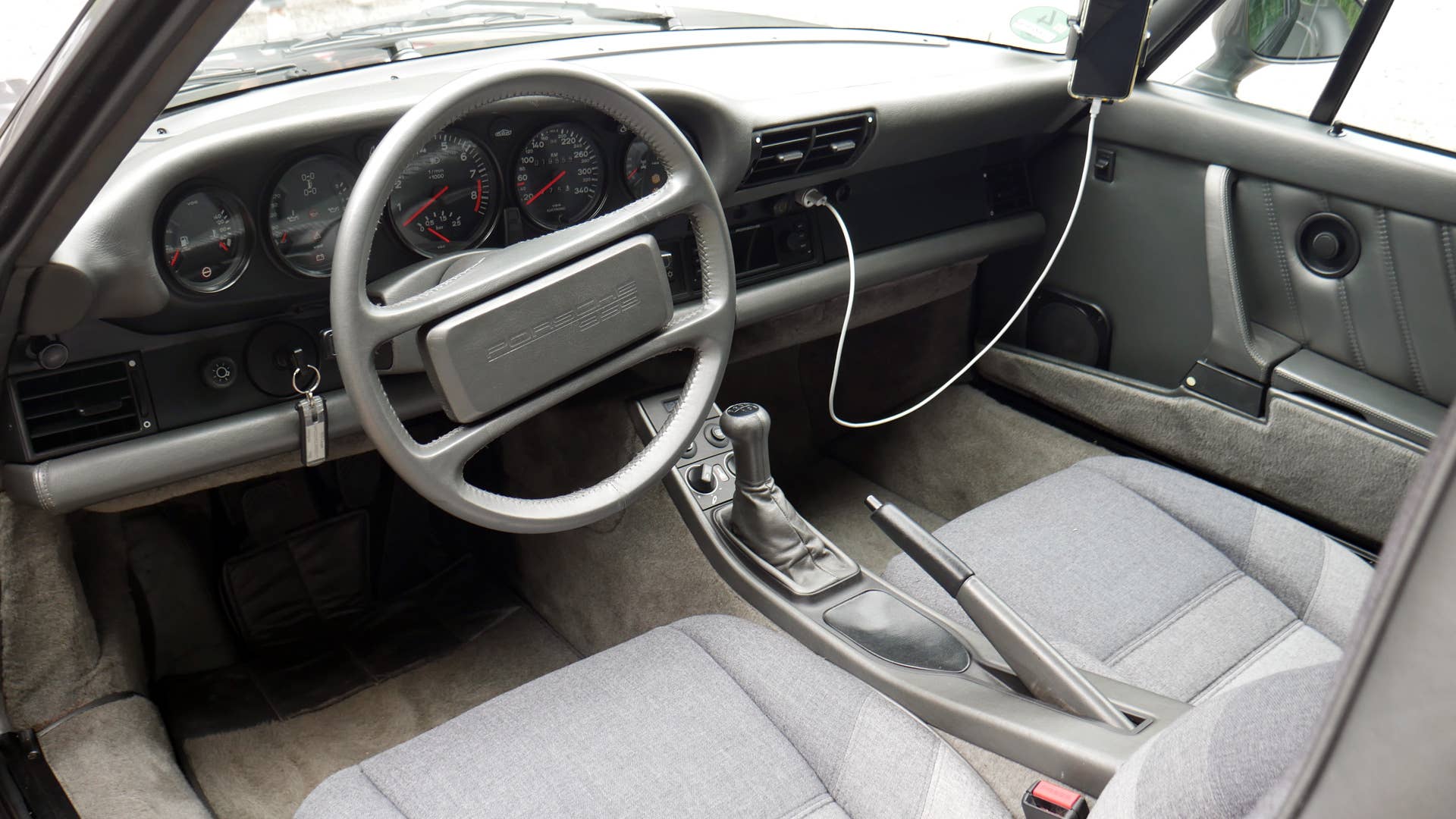
The Porsche 959 brought several other innovations along for the ride. An adjustable suspension allowed drivers to change the vehicle’s ride height according to road conditions, and electronic dampers automatically adapted as well. Designed for the WRC, the production 959 featured several innovative lightweight materials, including kevlar panels and magnesium wheels.
Despite its high-tech features that prioritized performance and handling, the Porsche 959 was far from a standard race car. Rather, it included a number of comfort features that made it a great car for long road trips. Air conditioning, sound insulation, and power windows came stock. In all, the 959 weighed in at just shy of 3,200 lbs.
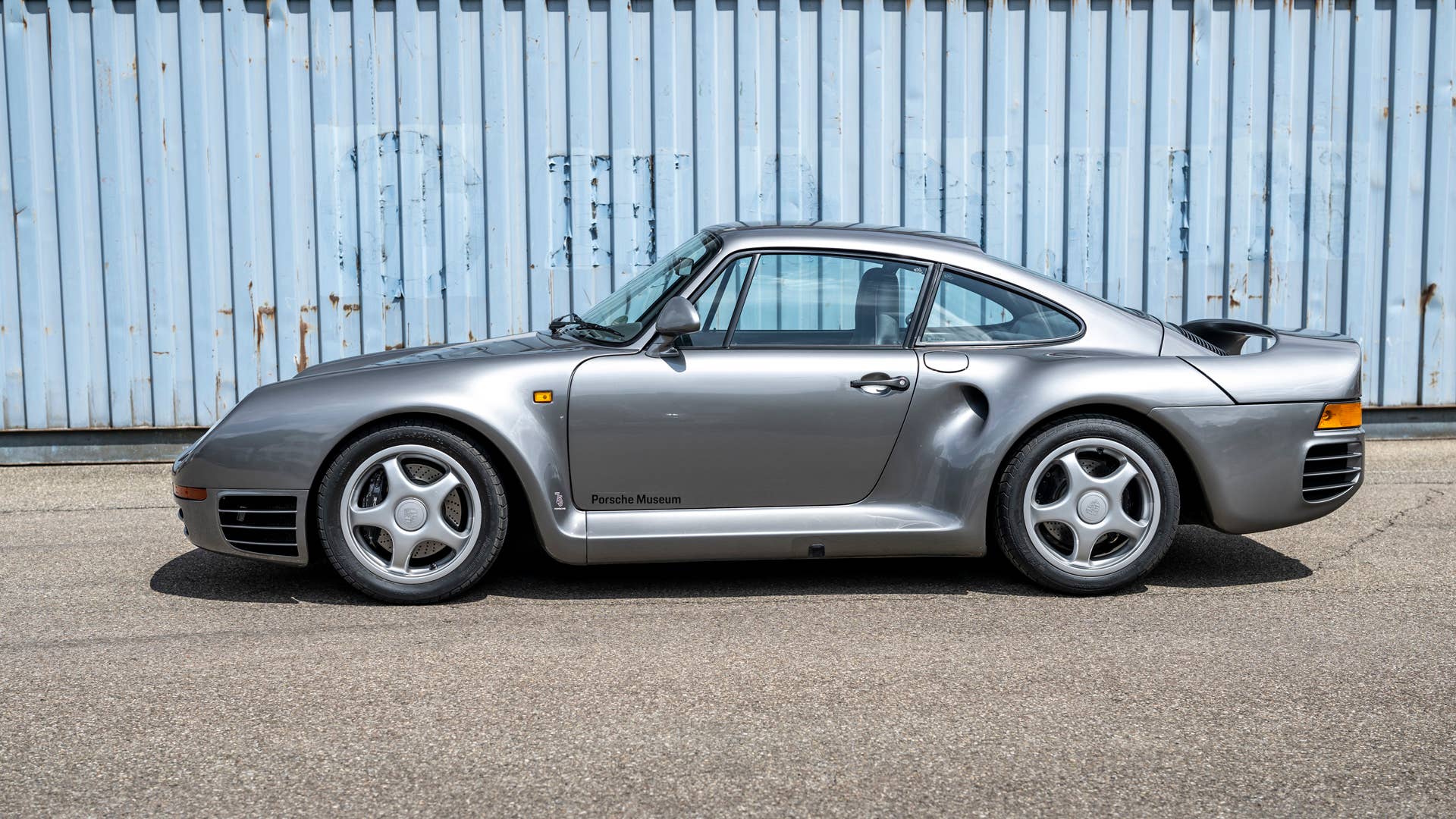
Shopping for a new car? Click here to get a great deal on your next vehicle. Powered by Carvana, no haggle pricing, 100% online.
The banning of Group B
While the Porsche 959 was designed to compete in the WRC’s Group B, the sports car never got the chance. In March 1986, a car veered off the course in Portugal, striking spectators, killing three and injuring another 31. Just two months later, in Corsica, drivers Henri Toivonen and Sergio Cresto died when their Lancia Delta S4 ran off a cliff. As a result, the Fédération Internationale du Sport Automobile (FISA) permanently banned the group, citing crowd safety and vehicle speed.
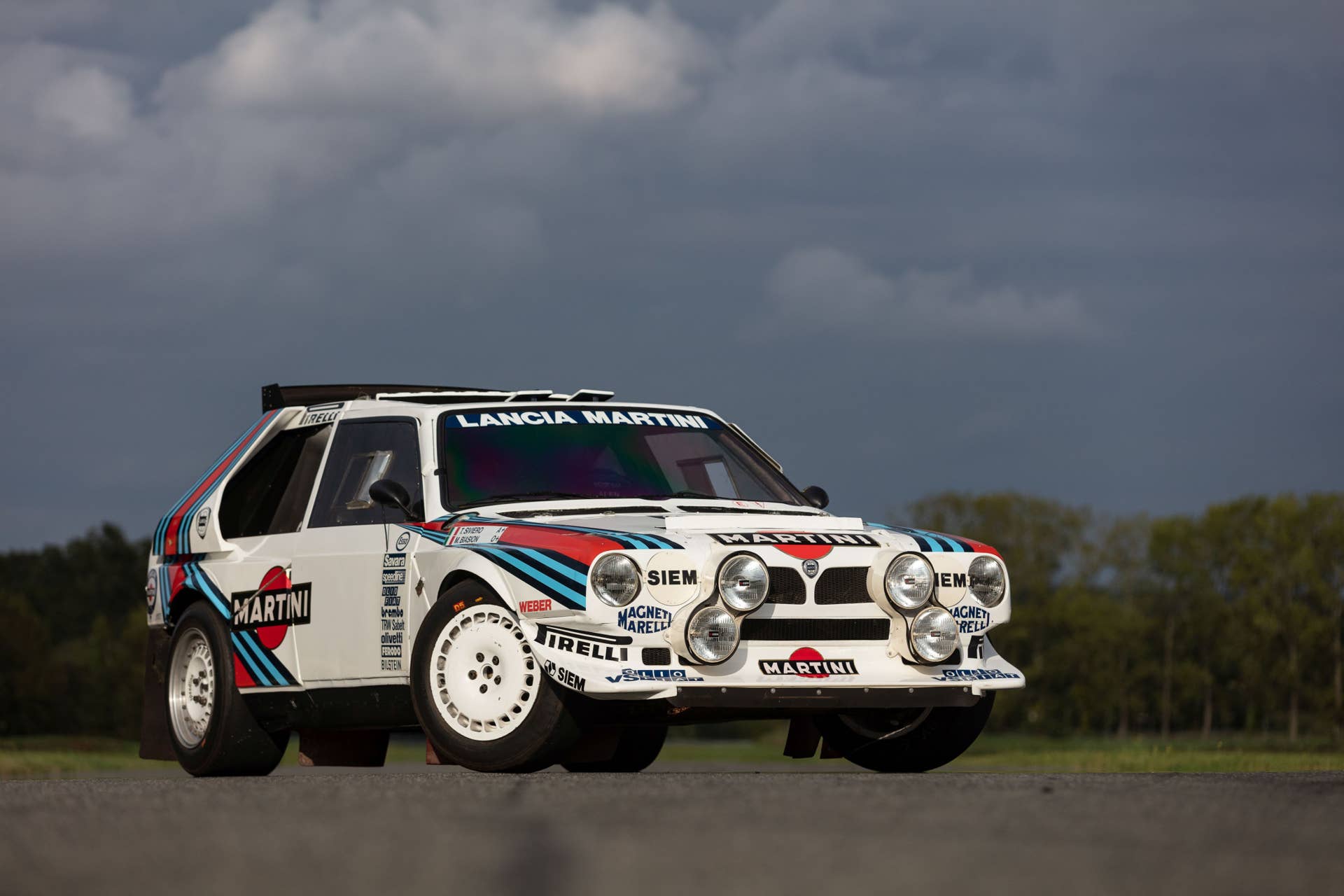
Looking back, it’s surprising there weren’t more deaths as a result of Group B and its lack of restrictions. Spectators were often inches from injury and death, given there effectively wasn’t a single safety measure to be found. It wasn’t uncommon for photographers to stand in the path of 500-horsepower cars speeding towards them to get a picture. This video, which is safe for work, offers a glimpse of the massive crowds and sheer risk involved, and here’s another video on Group B itself. Regardless, Group B gave automakers the freedom to create the ultimate driving machines, and it’s that intensity that made the races so popular.
Prior to entering the 959 in race form, Porsche tested various parts of the 959 on different cars in other races. The all-wheel drive system was tested in the 953 at the 1984 Paris-Dakar Rally. The German automaker entered three cars with the 959 body the following year. In 1986, Porsche entered three 959 models in the Dakar-Paris Rally, finishing in first, second, and sixth place. From there, the racing variant of the 959, known as the 961, went on to debut at the 24 Hours of LeMans where it finished first in its class.
Final thoughts
It’s likely thanks to its entry in Group B of the WRC that Porsche was able to bring such advanced systems to the 959. Rather than simply add more horsepower like many competitors, Porsche optimized the sports car’s performance via a computer-controlled powertrain and drivetrain. Today, advanced engine management systems and electronically controlled suspensions are commonplace in most segments. The German automaker may have lost upwards of $200,000 per 959 it sold, but the sports car’s legacy and influence lives on in nearly every performance-driven Porsche model that’s followed.
Disclaimer: Autoblog aims to feature only the best products and services. If you buy something via one of our links, we may earn a commission.
About the author

Joseph Pudlewski
Contributing Writer, Autoblog