
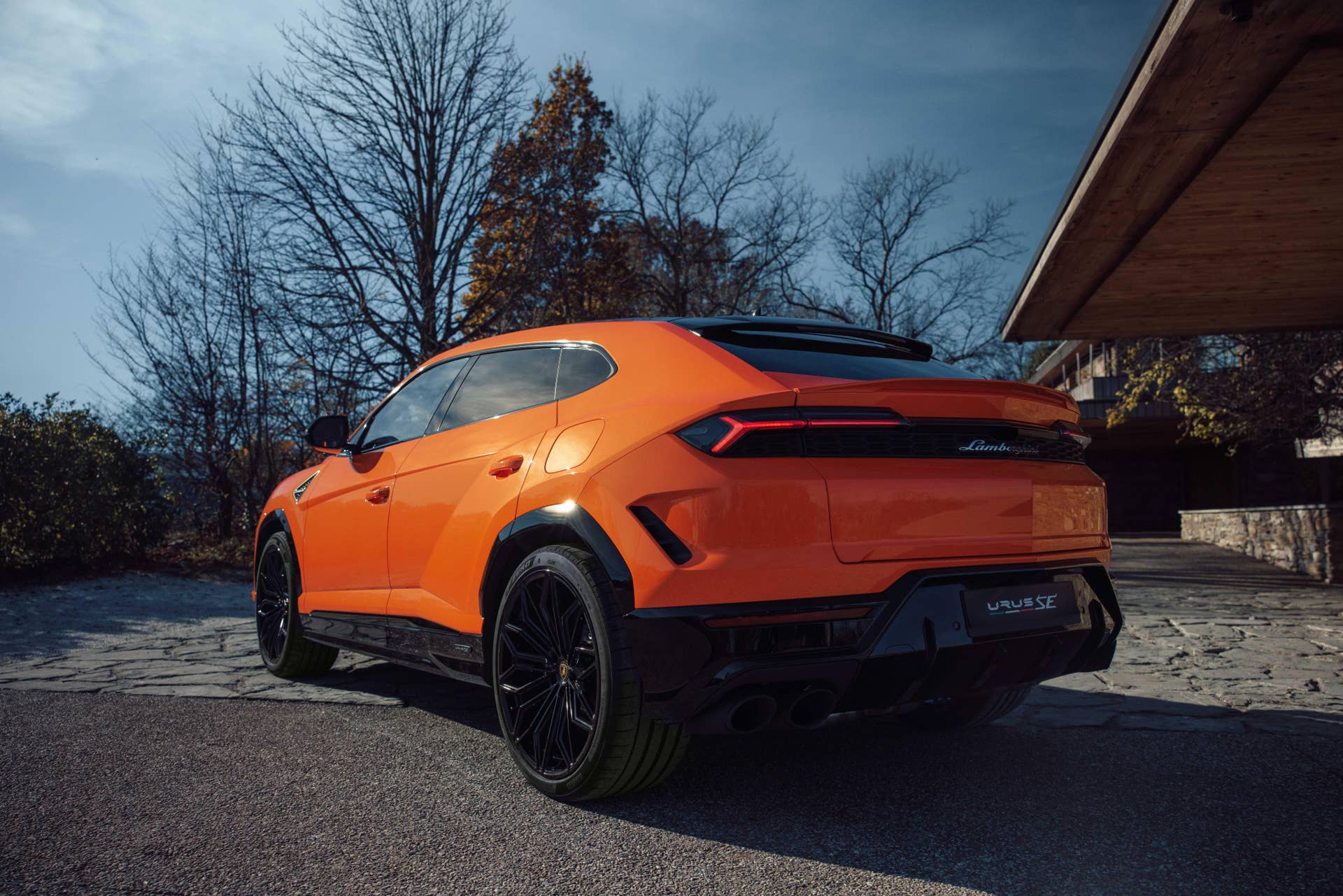
Not very long ago, it seemed impossible that exotic sports car manufacturers would one day be building family-friendly SUVs. Some blame environmental policy, and some blame the limited demand for exotic cars. The truth, however, is far less righteous and much more monetary, as this video from The Drive points out. Supercar makers aren’t building SUVs to please anybody but themselves.
Breaking Down The Dollars
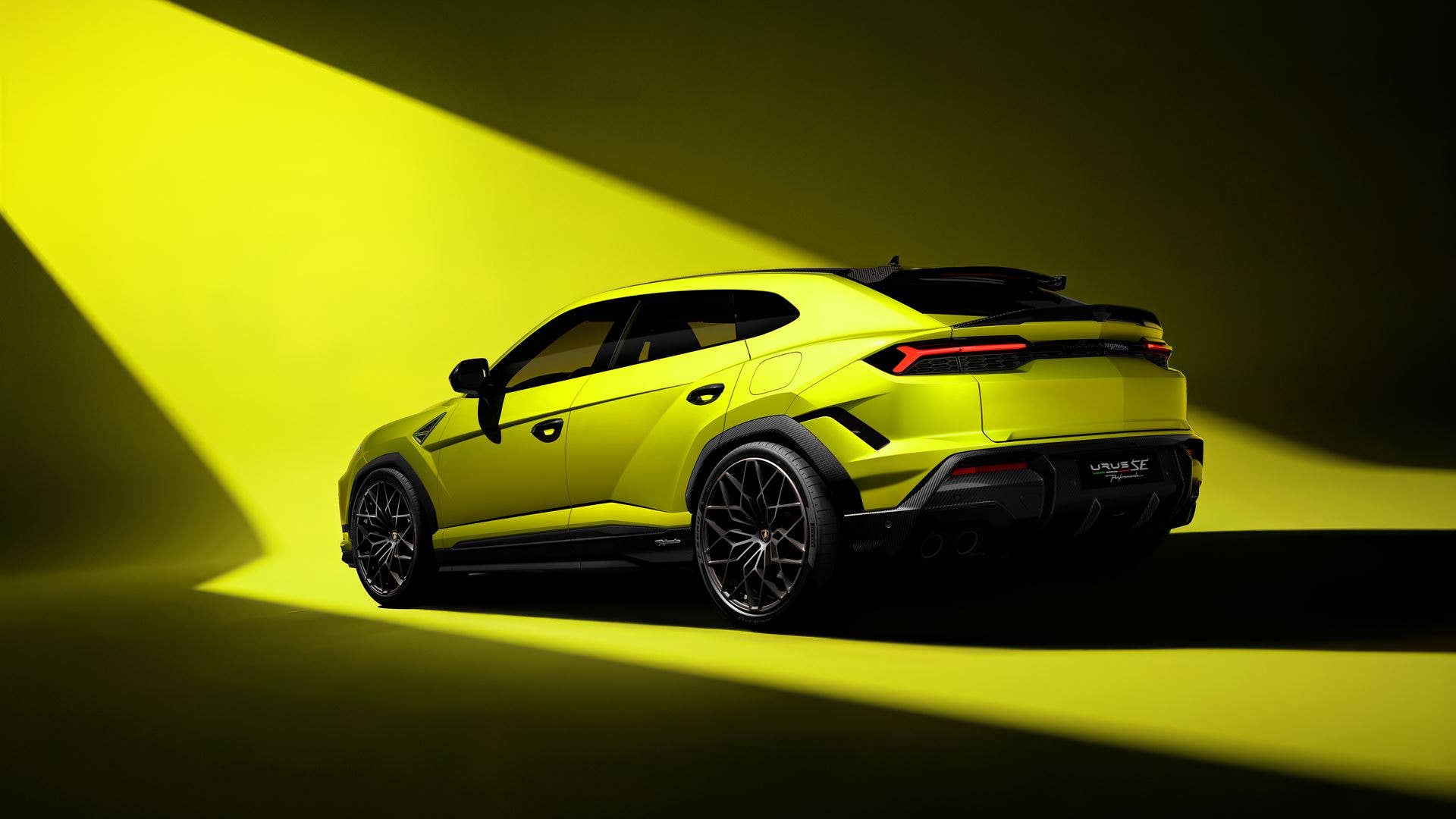
Lamborghini
Look at the raw numbers. In 2023, Lamborghini delivered a record 10,112 vehicles globally. A staggering 6,087 of those were the Lamborghini Urus. That means a single SUV accounted for roughly 60 percent of the brand’s entire volume. And where are they going? The United States remains Lamborghini’s undisputed top market, gobbling up 3,000 vehicles that same year. American buyers aren’t just participating in the super-SUV trend; they are single-handedly funding the company’s survival and its expensive transition to hybridization. Lamborghini sales continue to climb even through a record-breaking 2025.
Ferrari played coy for years before finally caving with its Purosangue. Maranello refuses to even call it an SUV, but the market response was ruthless. Despite a base price hovering above $400,000, demand was so violently high that Ferrari temporarily halted orders as wait times stretched beyond two years. To protect their exclusivity, they had to artificially cap Purosangue production at just 20 percent of their total annual output.
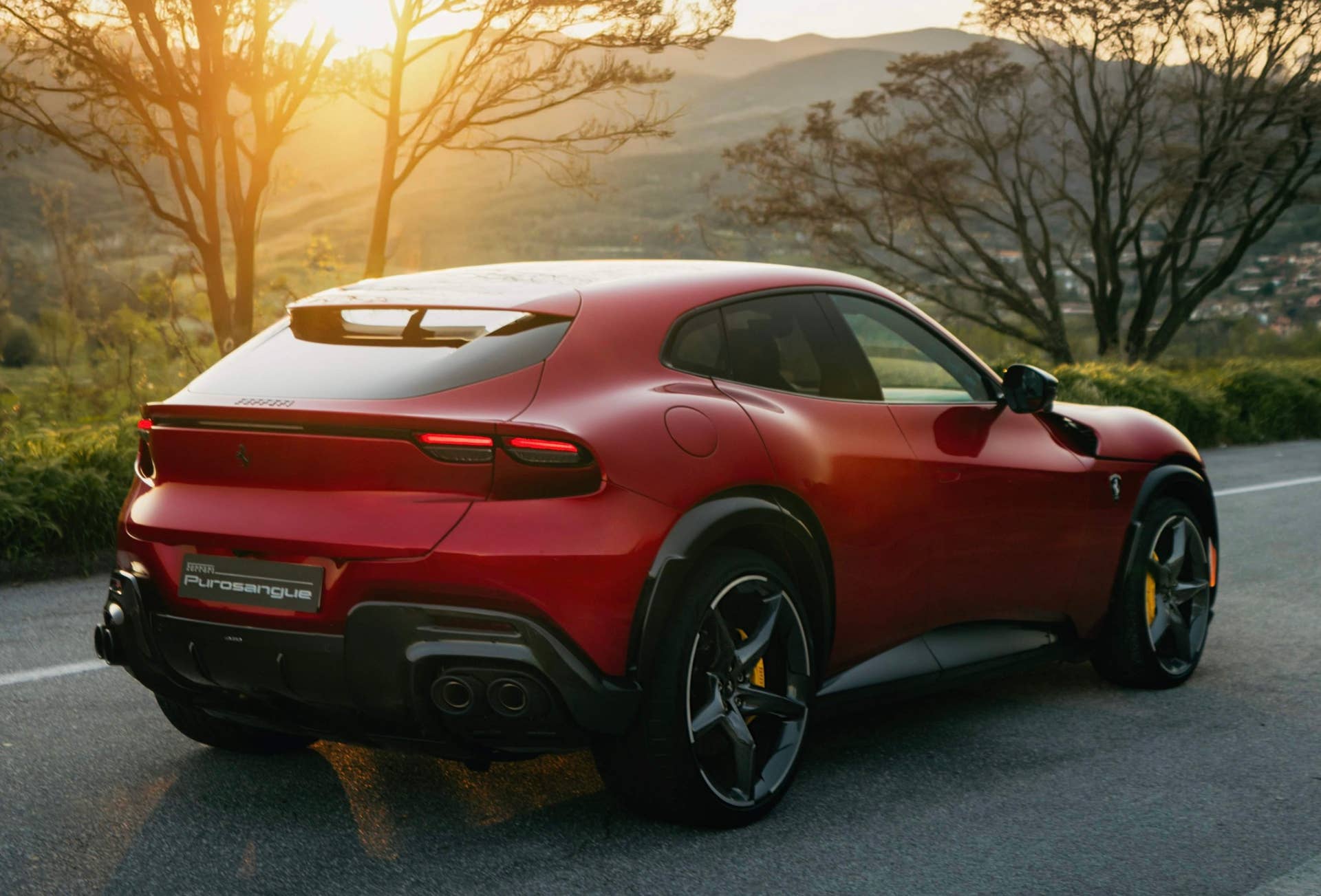
Ferrari
Yin and Yang
This isn’t a new playbook. Porsche wrote the script two decades ago when the Cayenne pulled the company from the brink of financial ruin, effectively funding the development of every great 911 that followed. Today, building a low-slung, naturally aspirated supercar is an incredibly expensive endeavor fraught with emissions regulations and shrinking profit margins.
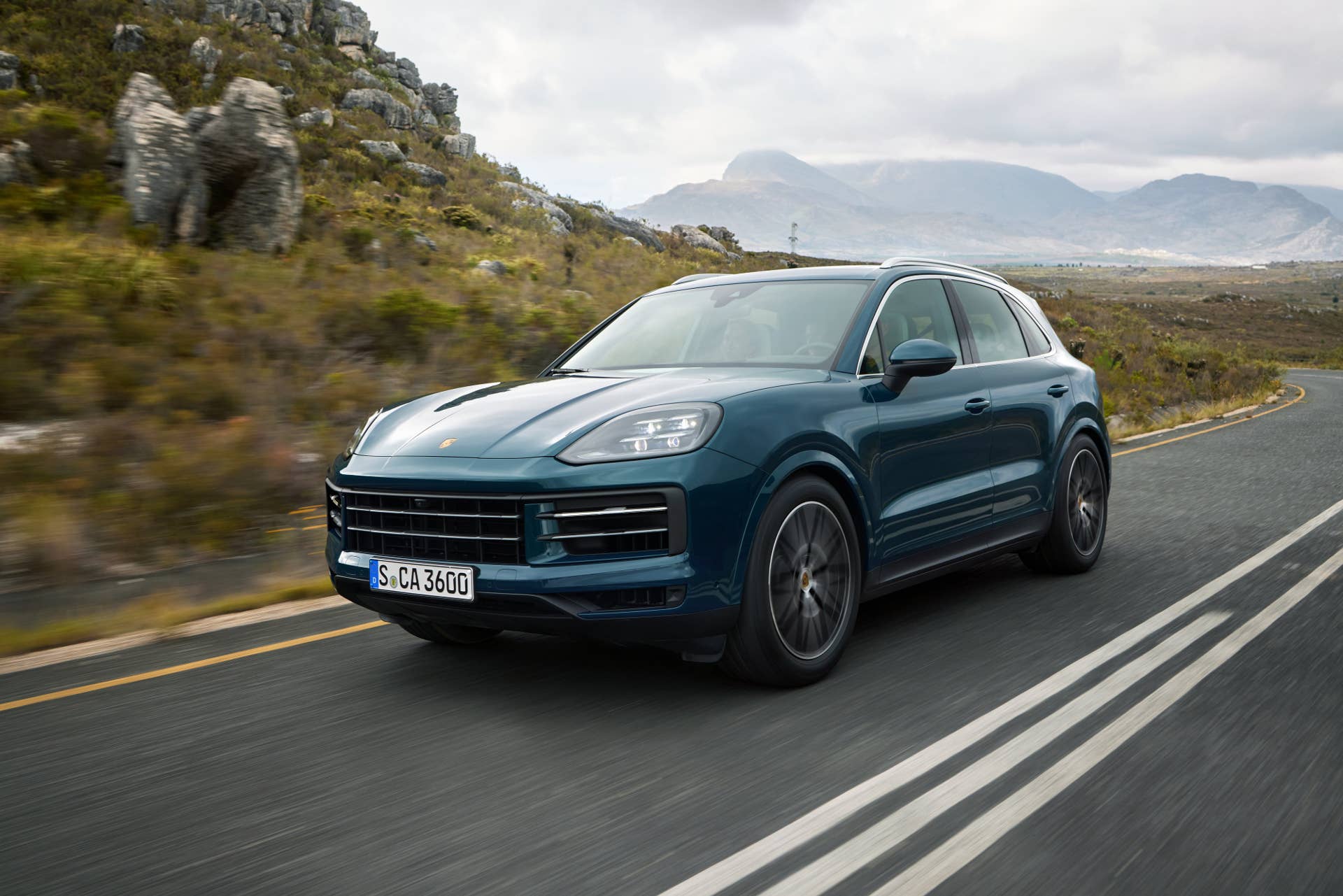
Porsche
The super-SUV is the ultimate cash cow. It shares platforms with corporate siblings, prints money with endless bespoke options, and gives wealthy American buyers a daily driver they can actually park at the country club. The next time you see a high-performance crossover wearing a prancing horse or a raging bull, don’t mourn the death of the supercar. Recognize the financial engine that guarantees the next generation of low-slung exotics will actually get built.
About the author

Yash Bajaj
News Editor