
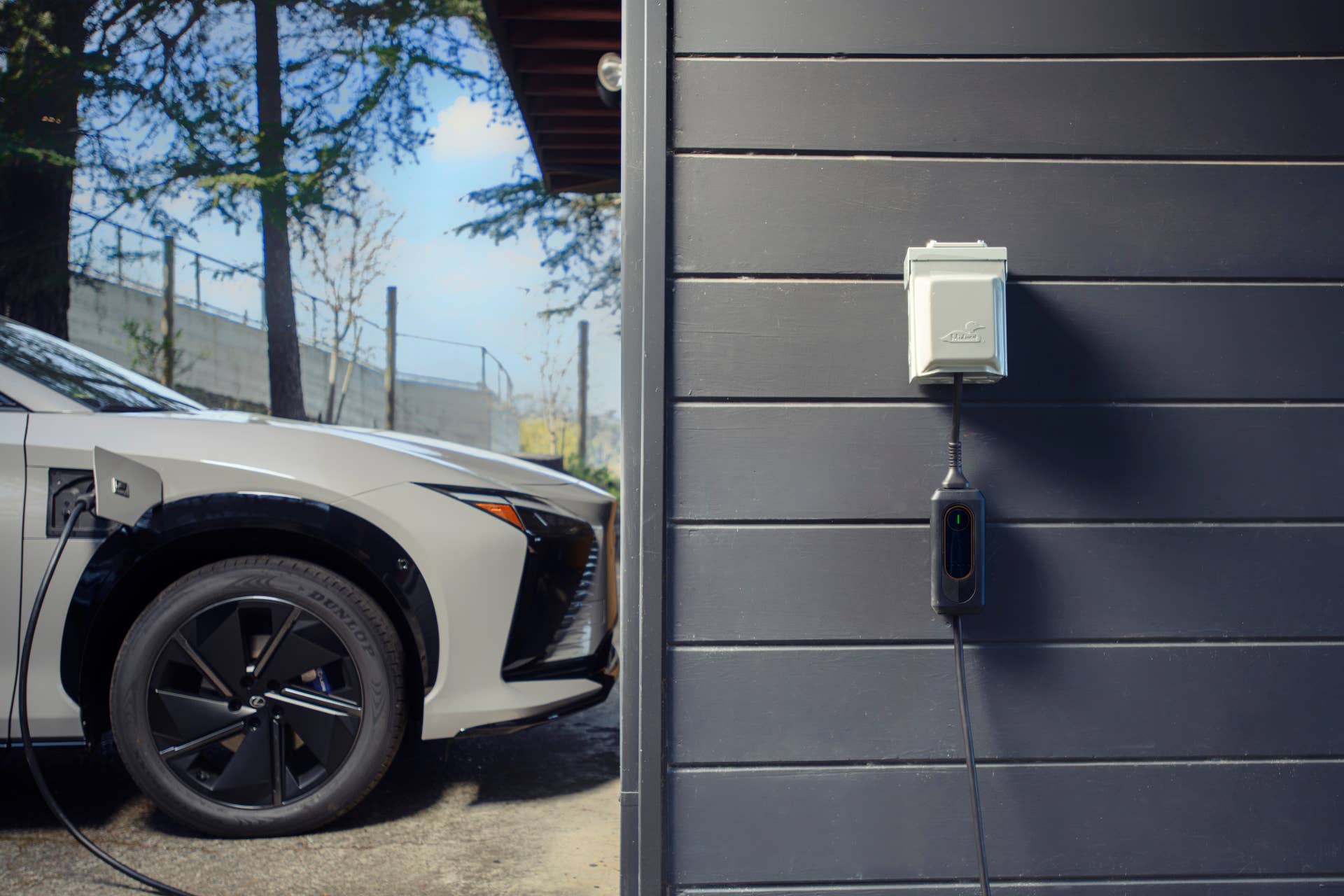
For the average American driving roughly 1,000 to 1,200 miles per month, an EV requires about 340 kWh of energy. At the national average rate, that translates to an estimated $50 to $65 per month added to your electric bill. Compare that to the $140 to $170 you might spend fueling a 25-mpg gas car for the exact same distance, and you are already saving over $1,000 annually. But you can push those savings even further. Currently, over 80 percent of EV charging in the U.S. happens at home. But plugging in blindly without a strategy is a fast track to an inflated electric bill. To realize the true cost benefits of electric ownership, you need a calculated approach. Here is how and when to pull power from the grid.

Jeep
Maximizing Your EV Savings
To charge your EV for less, the secret lies in Time-of-Use (TOU) rate plans. Many U.S. utility companies charge different rates based on grid demand, meaning electricity is most expensive during “peak” evening hours (typically 4 PM to 9 PM) and significantly cheaper overnight.
Taking advantage of off-peak charging can cut your home charging costs by 40 to 70 percent. For example, if your utility’s peak rate is $0.28/kWh and the off-peak rate drops to $0.09/kWh, charging a standard 75 kWh battery overnight saves you over $14 per session compared to plugging in the moment you get home from work.
A Better Initial Setup
Toyota
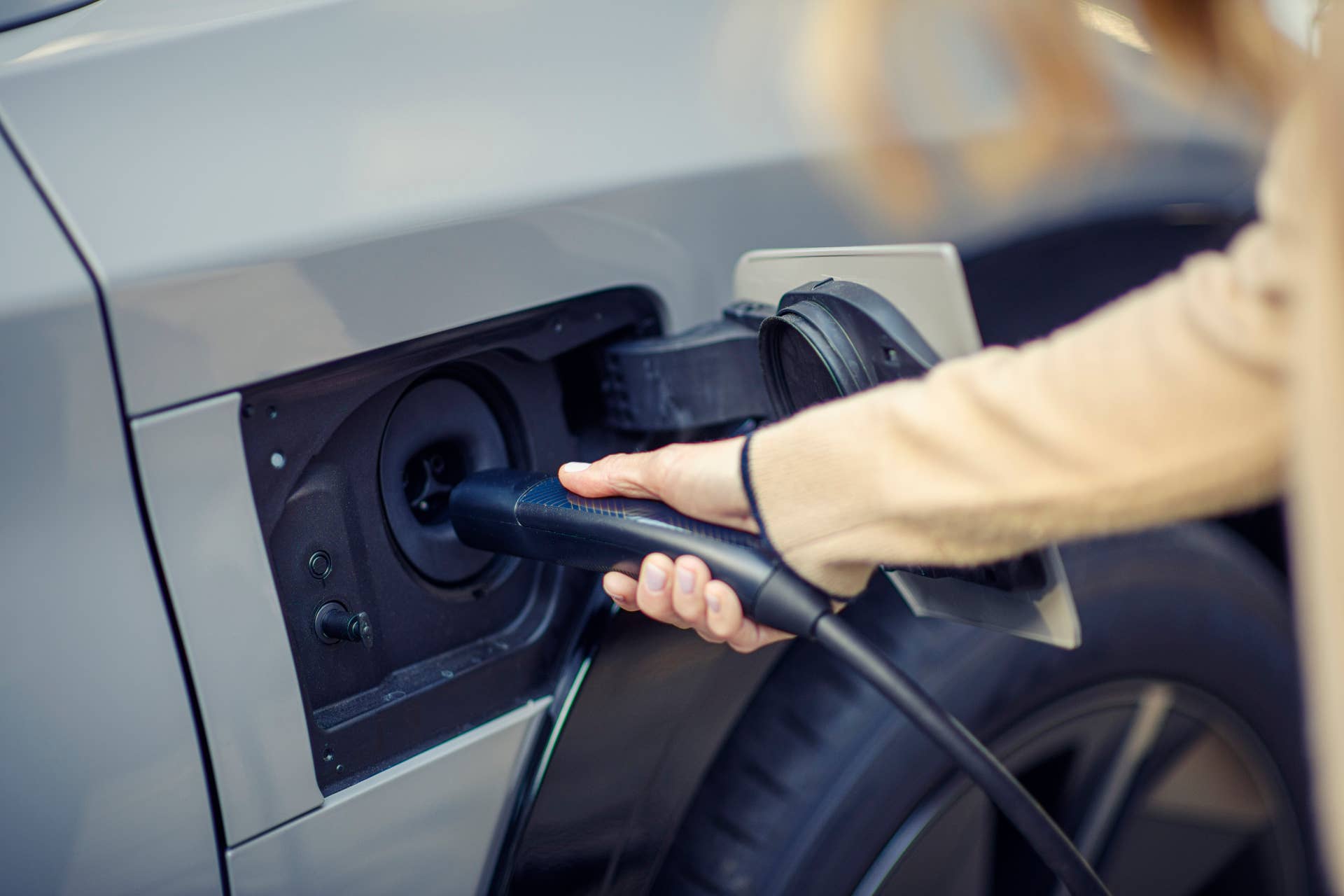
Every EV can plug into a standard 120-volt household outlet. This Level 1 charging requires zero installation overhead but delivers a slow trickle of range per hour. For anyone with a regular commute, upgrading to a Level 2 setup is a mandatory investment. Operating on a 240-volt circuit, similar to a heavy-duty clothes dryer, a Level 2 charger requires professional installation by an electrician but adds up to 45 miles of range to your battery per hour. That upfront installation cost pays massive dividends in daily convenience and is critical for exploiting utility discounts.
Cap Charging At 80%
Battery health directly dictates your financial return. For daily driving, set your vehicle’s charging limit to 80 percent. Constantly maxing the battery out to 100 percent accelerates cellular degradation and sets you up for major hardware depreciation down the line. Keep the 100 percent charge strictly reserved for long road trips. The vehicle will automatically shut off when the target is reached, protecting both your wallet and your battery pack.
As much as EV users like to deny it, one of the most significant selling points for electric vehicles is the undeniable cost saving; as such, making sure you really are doing a good job deriving utility from your battery-operated car is paramount.
About the author

Yash Bajaj
News Editor