
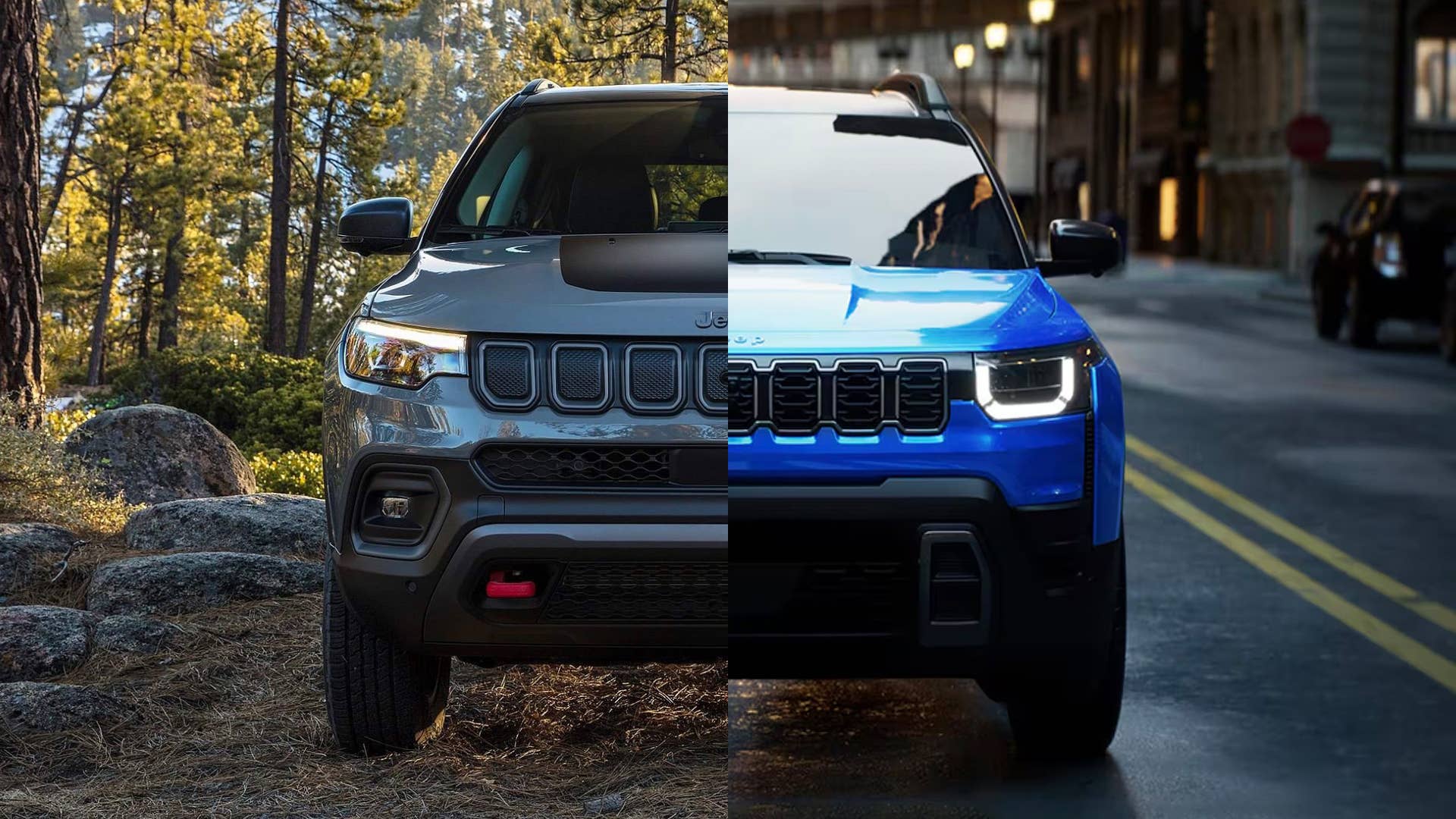
Meet the Wrangler’s smaller, softer siblings
The best Jeeps typically fall into the mid- and full-size segments, but not everyone has the budget for a vehicle costing over $50,000. If you’re drawn to the rugged nature of Jeep products but can’t spend that much, the Compass and Cherokee are the company’s two most affordable models. They’re priced at over $5,000 apart, with the Cherokee being more expensive. These five differences between the two Jeep SUVs can help you decide which one is more suitable for your needs.
1. Cherokee is Much Newer—In The U.S., At Least
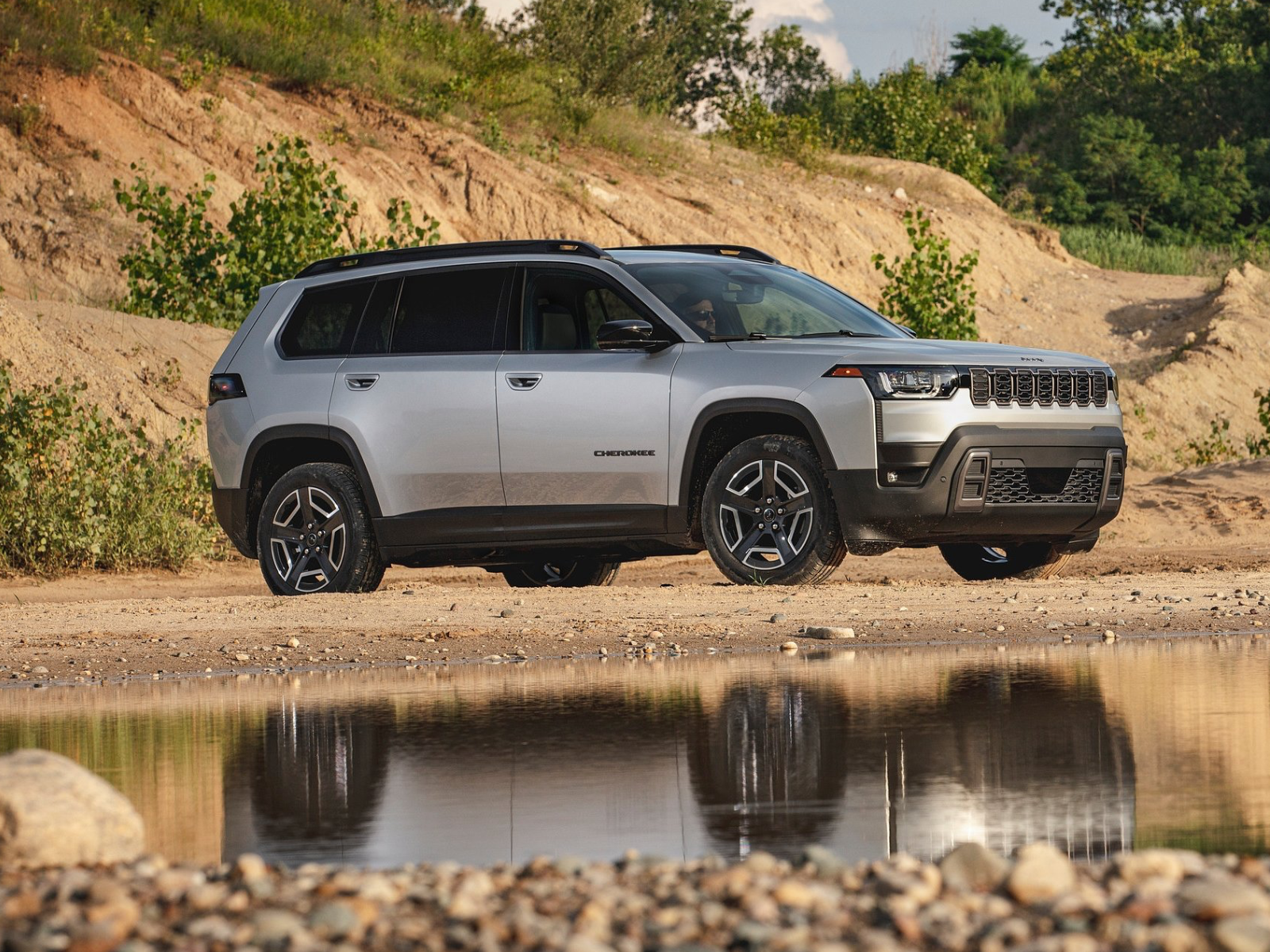
The current Jeep Cherokee is the sixth generation of the SUV, having been introduced last year. It’s based on the new STLA Large Transverse platform from Stellantis. On the other hand, the second-generation Compass has soldiered on into the 2026 model year in the U.S., despite the fact that a new model has been introduced in other markets—this new model may be delayed until 2028. The Compass’s Small Wide 4×4 LWB platform has been used since 2016.
The age discrepancy puts the Compass at an immediate disadvantage. It’s simply a much older-tech vehicle than the new Cherokee.
2. Jeep Cherokee vs Compass Size Differences
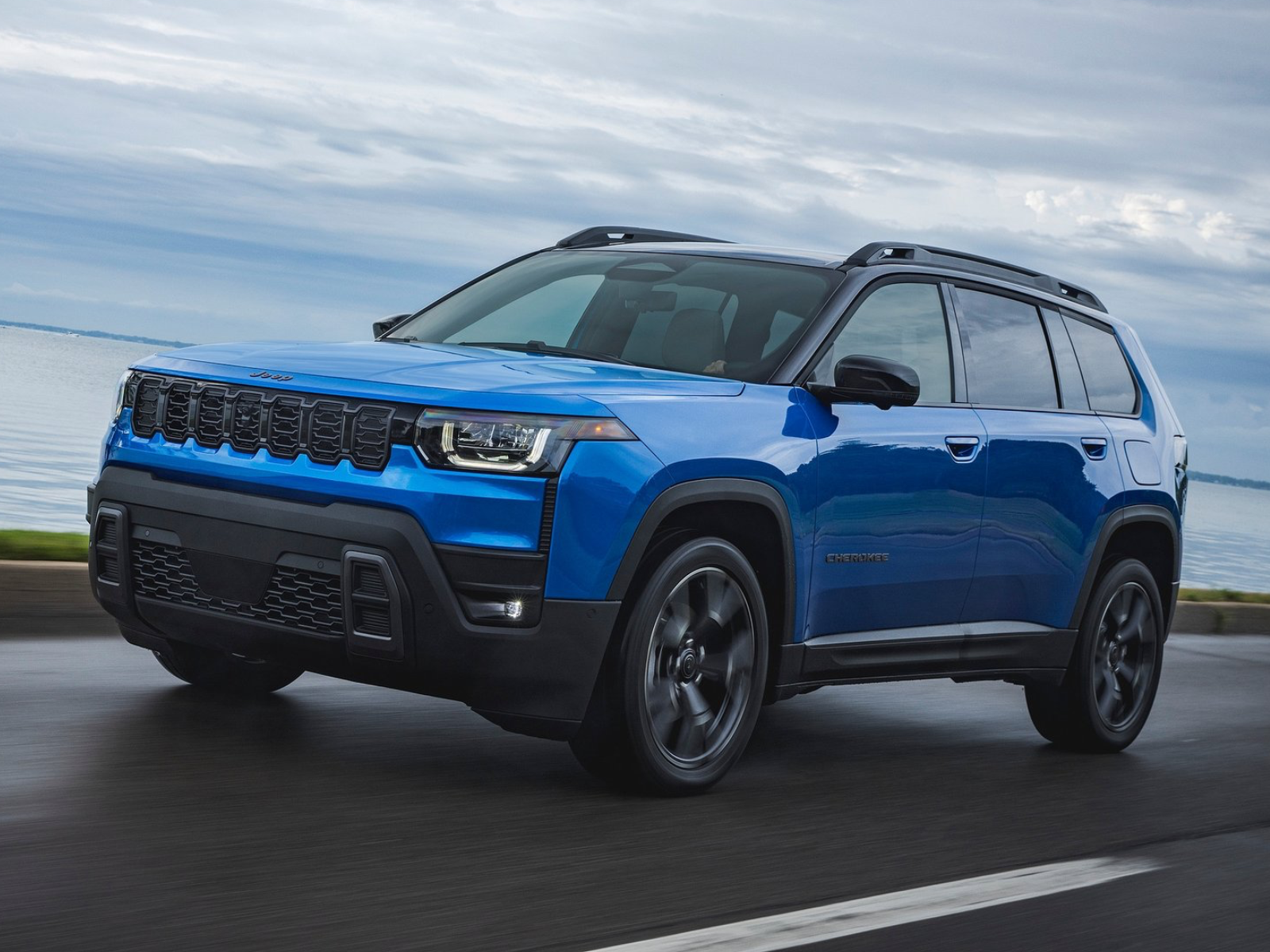
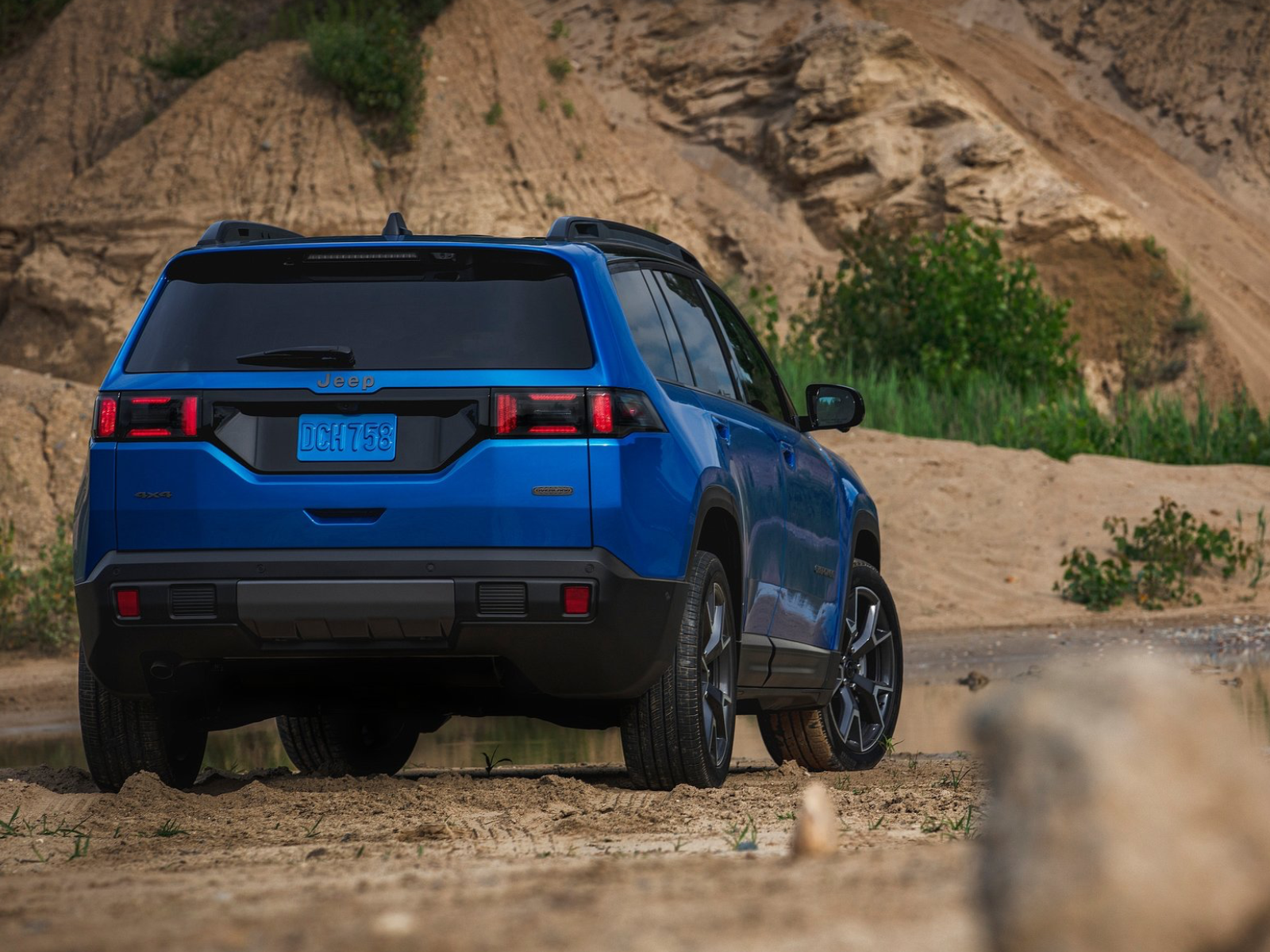
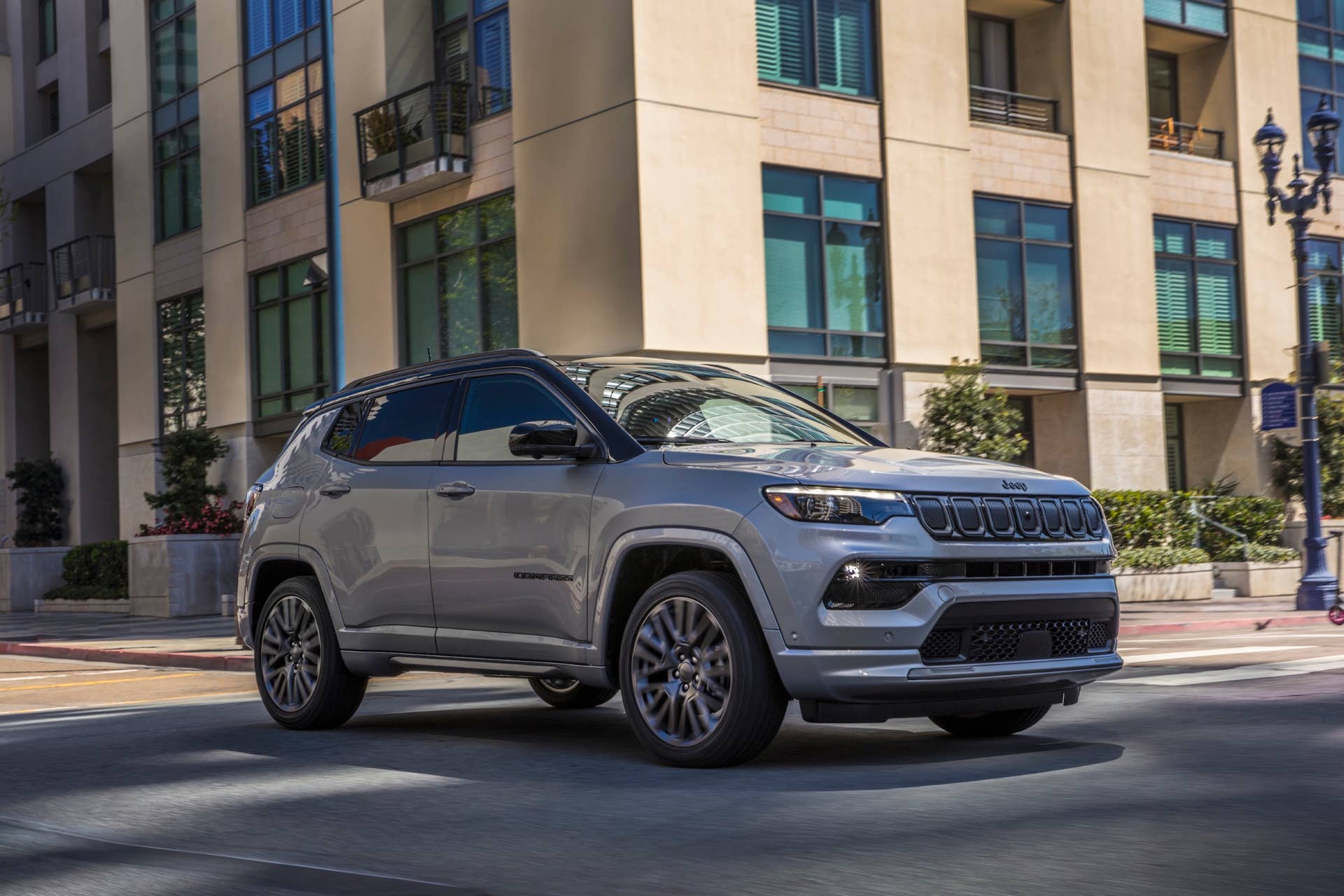
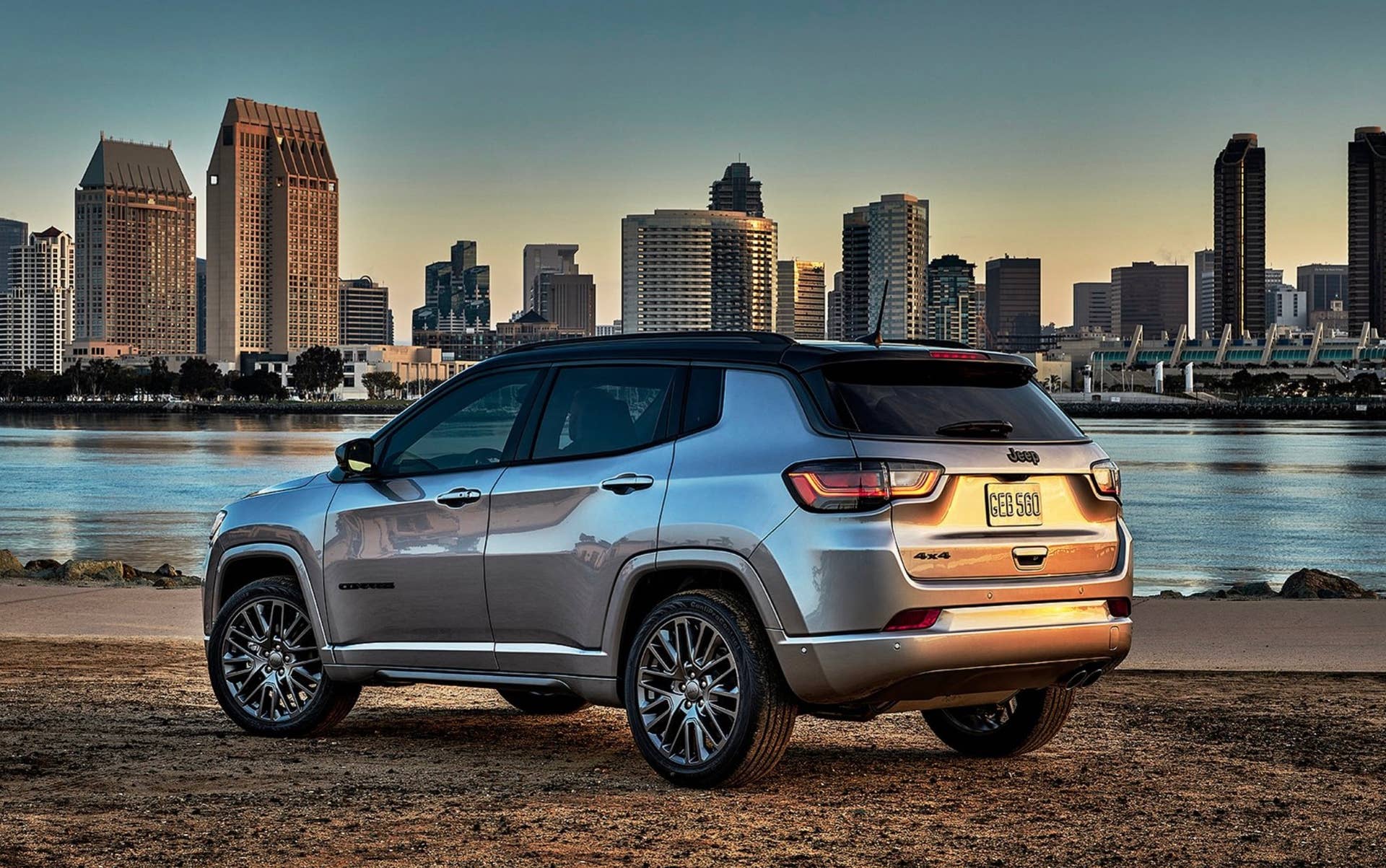
Although both vehicles are billed as compact SUVs, the Cherokee is considerably larger, which helps to free up more interior space. Here’s a look at their external dimensions.
| 2026 Jeep Compass Vs. 2026 Jeep Cherokee: Exterior Specs | ||
| Compass | Cherokee | |
| Length | 173.4 inches | 188.1 inches |
| Wheelbase | 103.8 inches | 113 inches |
| Width (with mirrors) | 80 inches | 83.6 inches |
| Height | 64.6 inches | 67.5 inches |
Seating space is not massively different between the two, although the Cherokee does have 2.6 inches more shoulder room at the back, which will make it more comfortable for three passengers in the second row. At 33.6 cubic feet, there’s also more cargo space behind the Cherokee’s second row; the Compass has 27.2 cubic feet.
3. Gas vs Hybrid Power
Stellantis
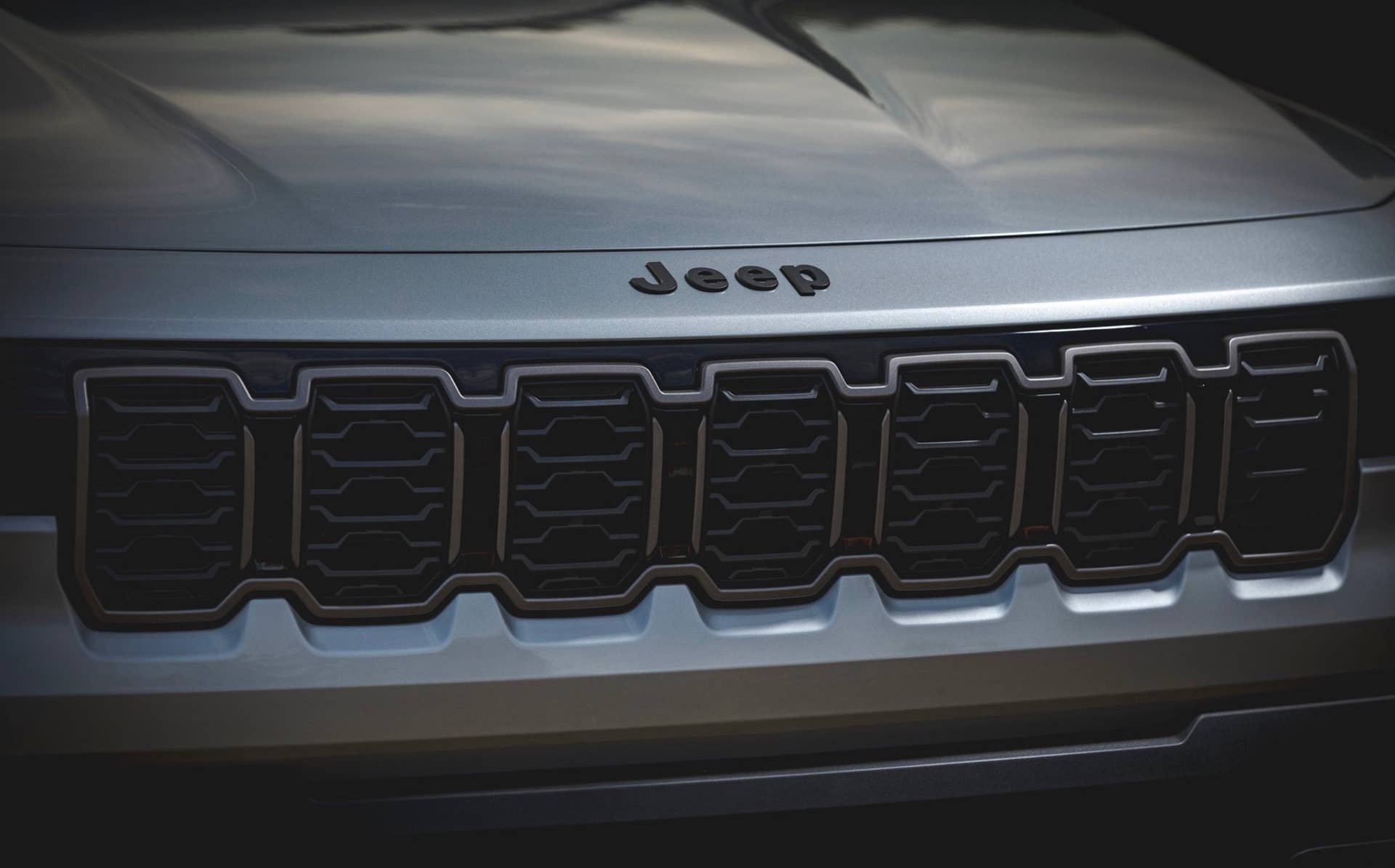
The two vehicles have completely different engines. In the Compass, all models have a 2.0-liter turbocharged four-cylinder mill with 200 horsepower and 221 lb-ft of torque. An eight-speed automatic is the only transmission choice. The Cherokee, meanwhile, has switched to a 1.6-liter turbocharged four-cylinder hybrid, which produces 210 hp and 230 lb-ft combined. Instead of a conventional automatic, it has an electronically controlled CVT.
In independent testing, the Compass needed 7.5 seconds to reach 60 mph, while the Cherokee is estimated to take around 8.2 seconds. The difference between the Compass and Cherokee is more pronounced in terms of efficiency. EPA ratings of 23/31/26 mpg city/highway/combined for the Compass are nowhere near the Cherokee’s. With its hybrid engine, the Cherokee gets 39/35/37 mpg.
4. Different Off-Roading Capabilities
Stellantis
Stellantis
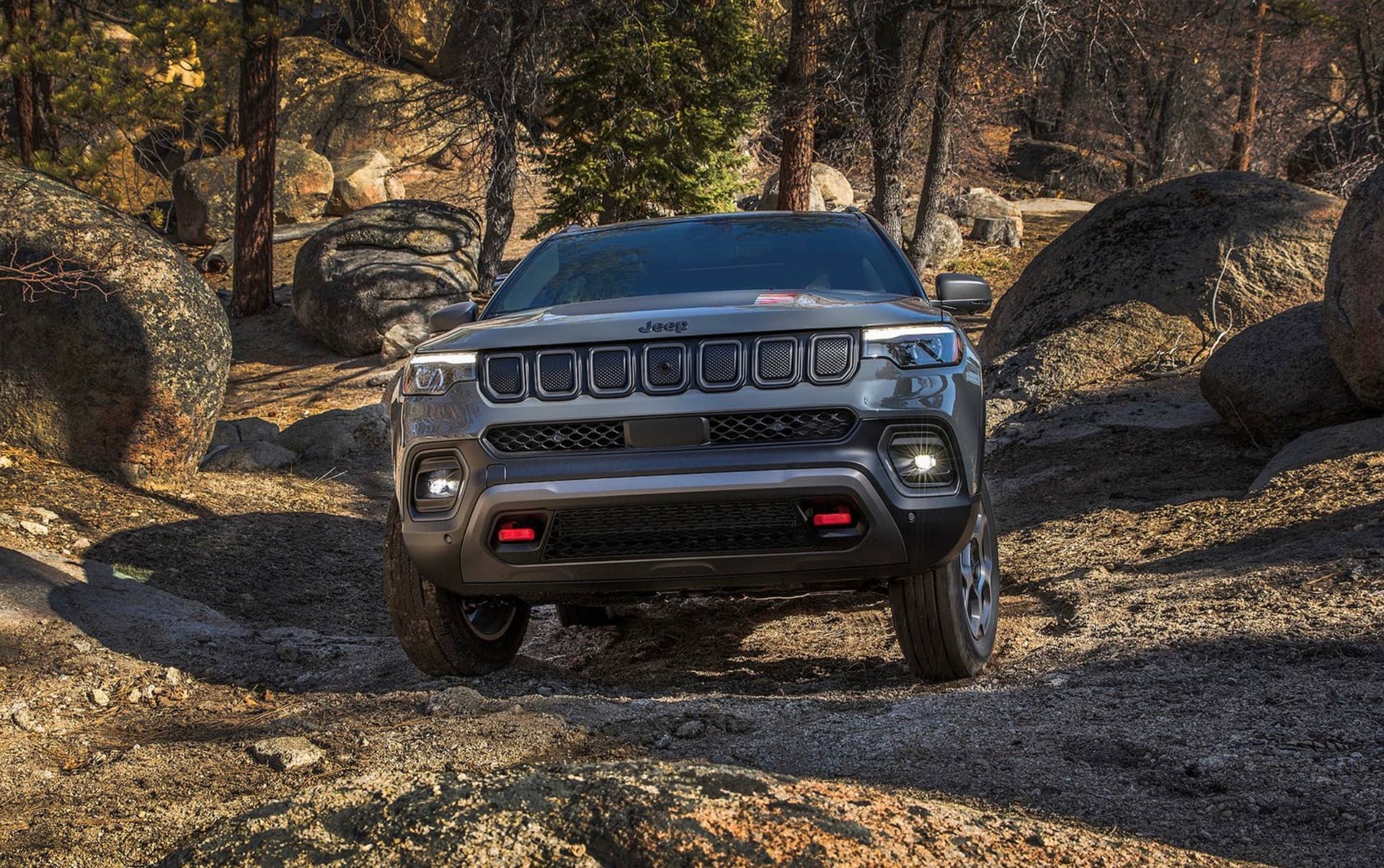
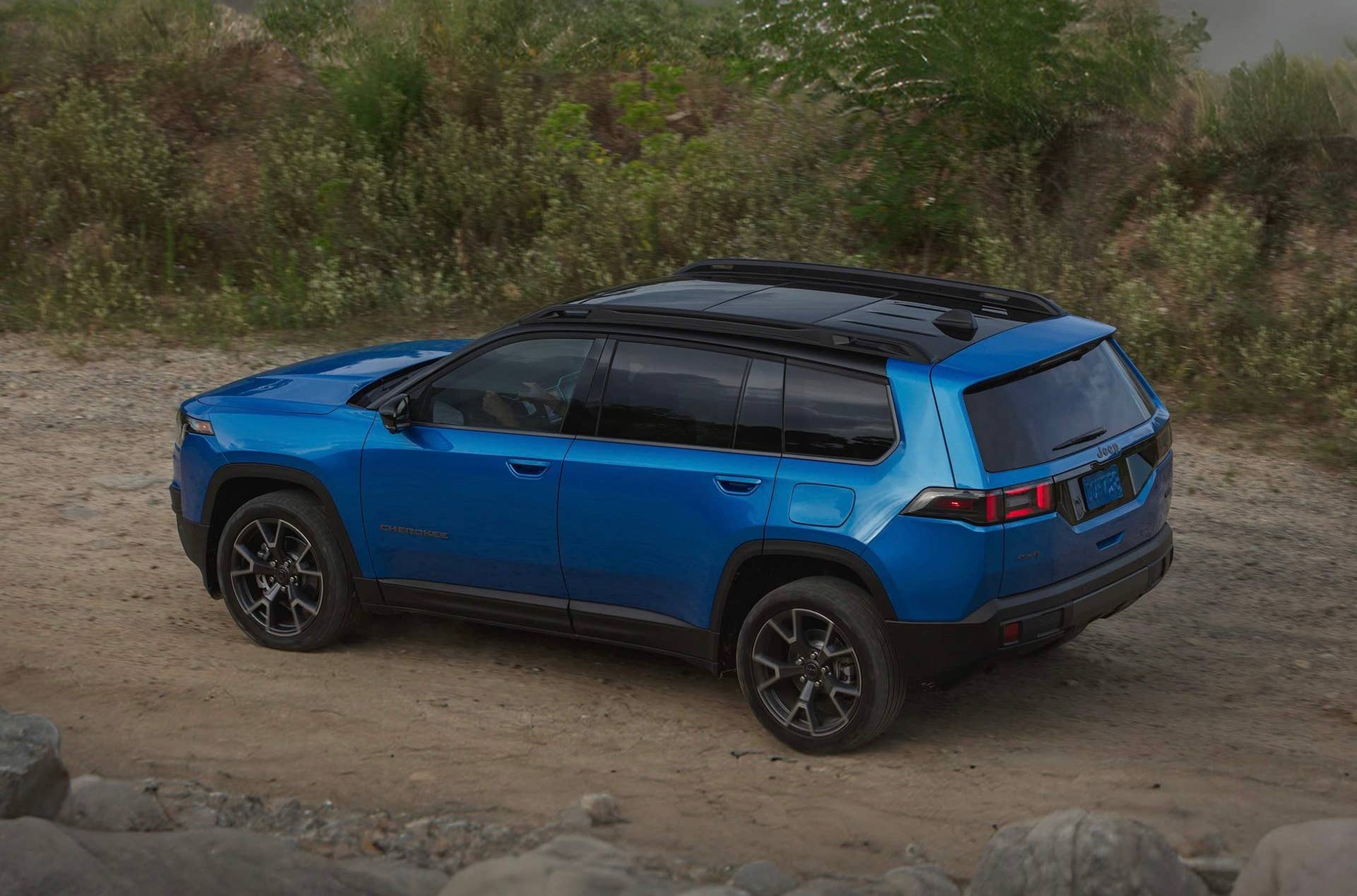
Neither of these SUVs will challenge a Wrangler when it comes to off-roading, but both are generally more capable than their natural rivals. The Compass has standard full-time 4×4 with Jeep Active Drive; only the Trailhawk trim gets Jeep Active Drive Low. This Trail Rated variant features a 20:1 Crawl Ratio, 8.6 inches of ground clearance, and impressive approach/breakover/departure angles of 30.4/23.6/34 degrees, respectively. The Crawl Ratio allows the Trailhawk to more confidently tackle rocky terrain at low speeds.
All Cherokees have standard 4×4 with Jeep Active Drive I. It features a fully disconnecting 4×2 mode with automatic engagement of 4×4, but there’s no low range ratio. At eight inches, ground clearance doesn’t match the Compass Trailhawk’s, and neither do the approach/breakover/departure angles of 19.6/18.8/29.4 degrees. The Cherokee’s 4×4 system prioritizes on-road efficiency to a greater extent, but ultimately loses out to the Compass Trailhawk in more demanding conditions.
5. Cherokee Has A More Modern Interior
Stellantis
Stellantis
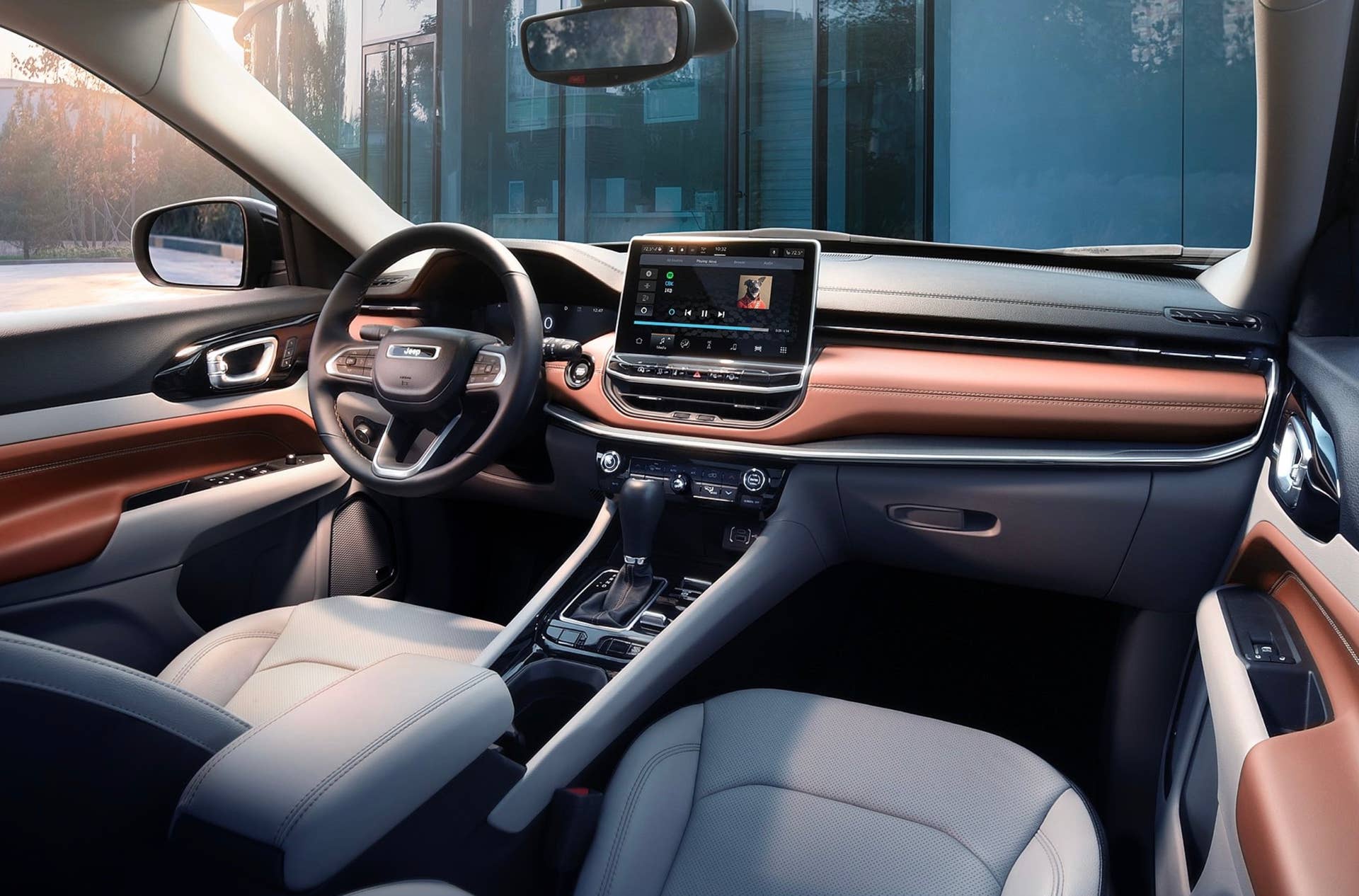
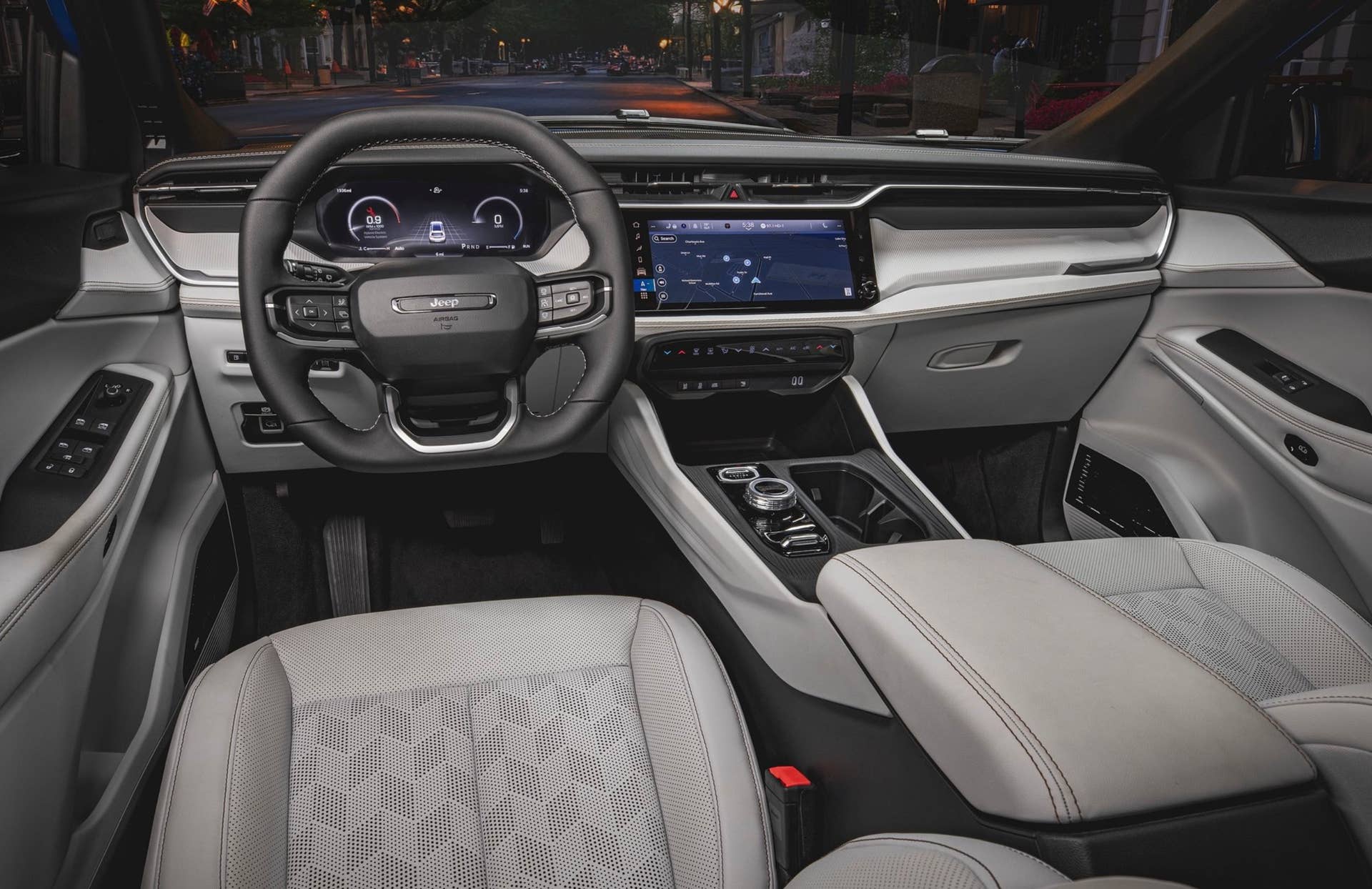
The new Cherokee really steps up the game from behind the wheel. Both have the Uconnect 5 infotainment system, but the Compass only has a seven-inch TFT digital cluster and 8.4-inch touchscreen as standard. In the Cherokee, all models feature a 10.25-inch digital instrument cluster and 12.3-inch touchscreen. You can also equip heated rear seats in the Cherokee.
To compensate for its higher price, you get dual-zone automatic climate control as standard in the Cherokee, whereas the Compass has a more basic air conditioning system. Rear park assist and Rough-Road Cruise Control are also standard on the Cherokee.
Final Thoughts
The 2026 Jeep Compass starts at $29,355 while the 2026 Cherokee begins at $35,000. This price gap reflects the more premium positioning of the Cherokee, along with the fact that it’s an all-new model, while the Compass is a much older design.
If you want to save on upfront costs and don’t need the Compass Trailhawk’s Trail Rated abilities, the Compass is still worth a look. But the Cherokee is now the small Jeep SUV to have, and its hybrid powertrain delivers a level of efficiency not often associated with Jeep products. Until the new Compass arrives, the Cherokee looks like the stronger package—watch out for a first drive of this new Jeep soon.
About the author

Karl Furlong
Senior Editor, Autoblog