
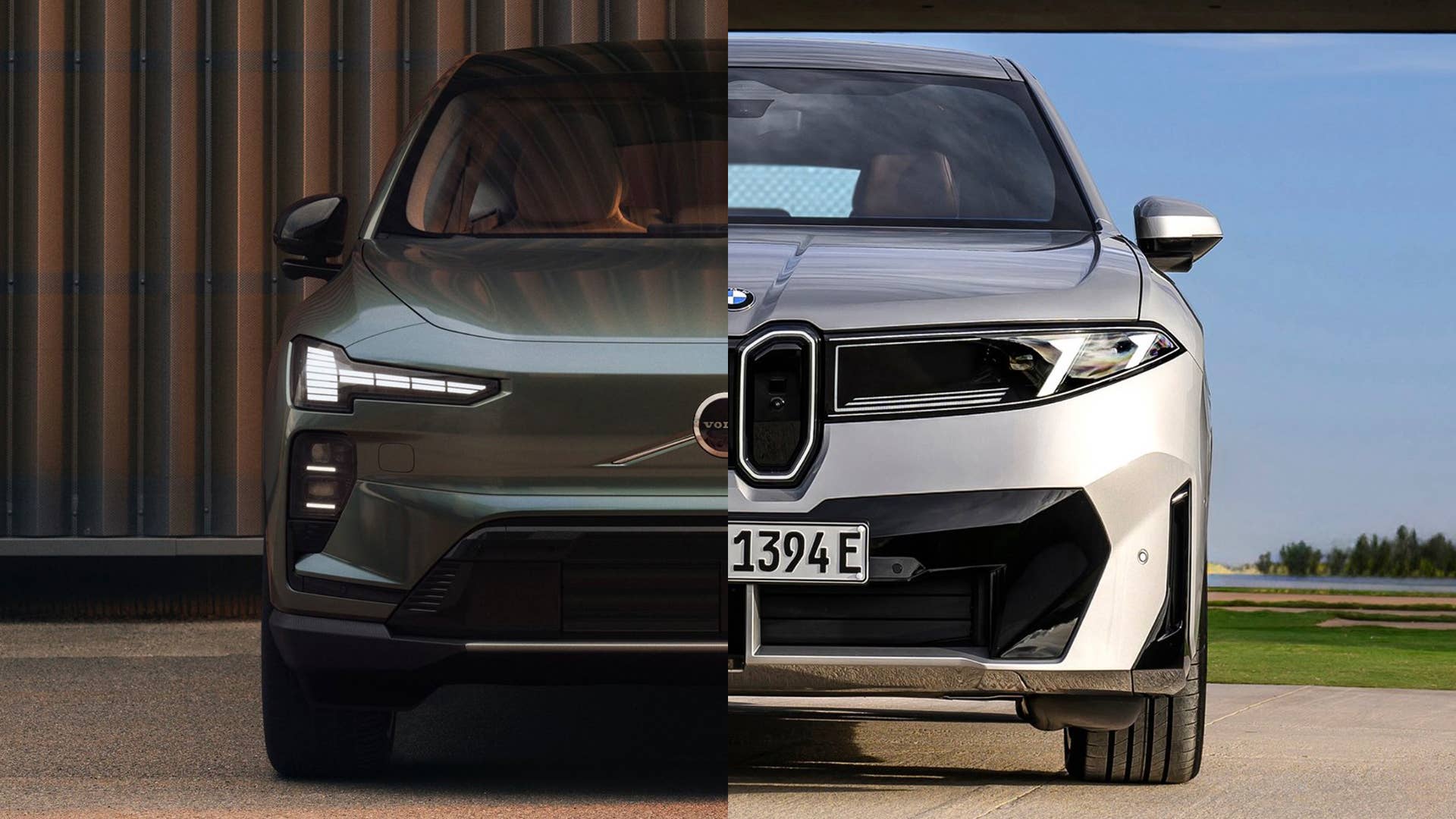
These electric SUVs will battle for class-best honors
Within the space of a few months, Volvo and BMW have both released game-changing electric crossovers. The iX3 came first, setting the tone for BMW’s future design language and Neue Klasse vehicles. This week, Volvo took the covers off the EX60, which slots in below the three-row EX90. The iX3 and EX60 are expected to become the top-selling EVs for both automakers, and as they’ll target the same buyer, an early comparison seems appropriate. Here are three major differences between these electric SUVs.
1. Sporty BMW Meets Minimalist Volvo Design
BMW
BMW
Volvo

Volvo
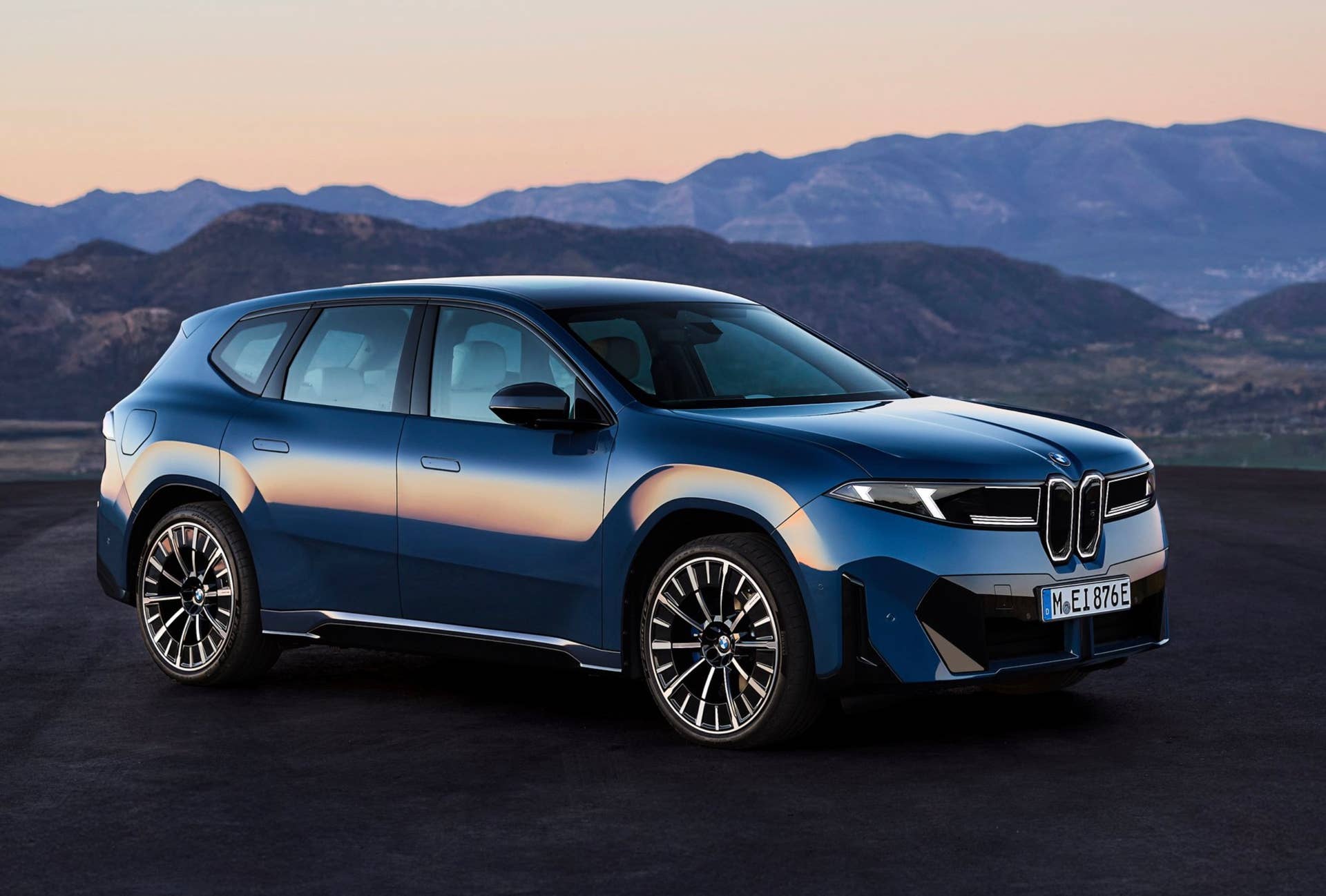
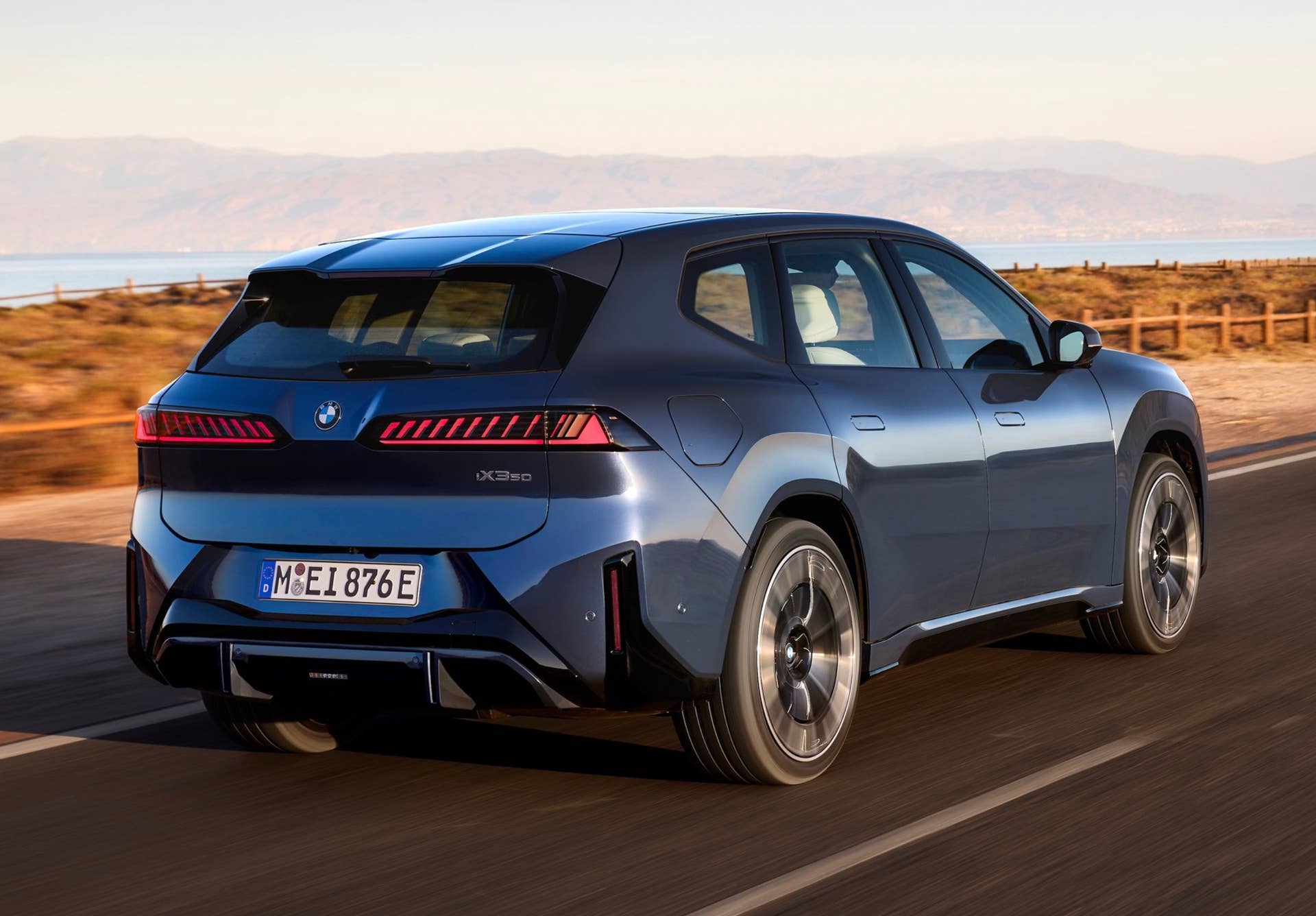
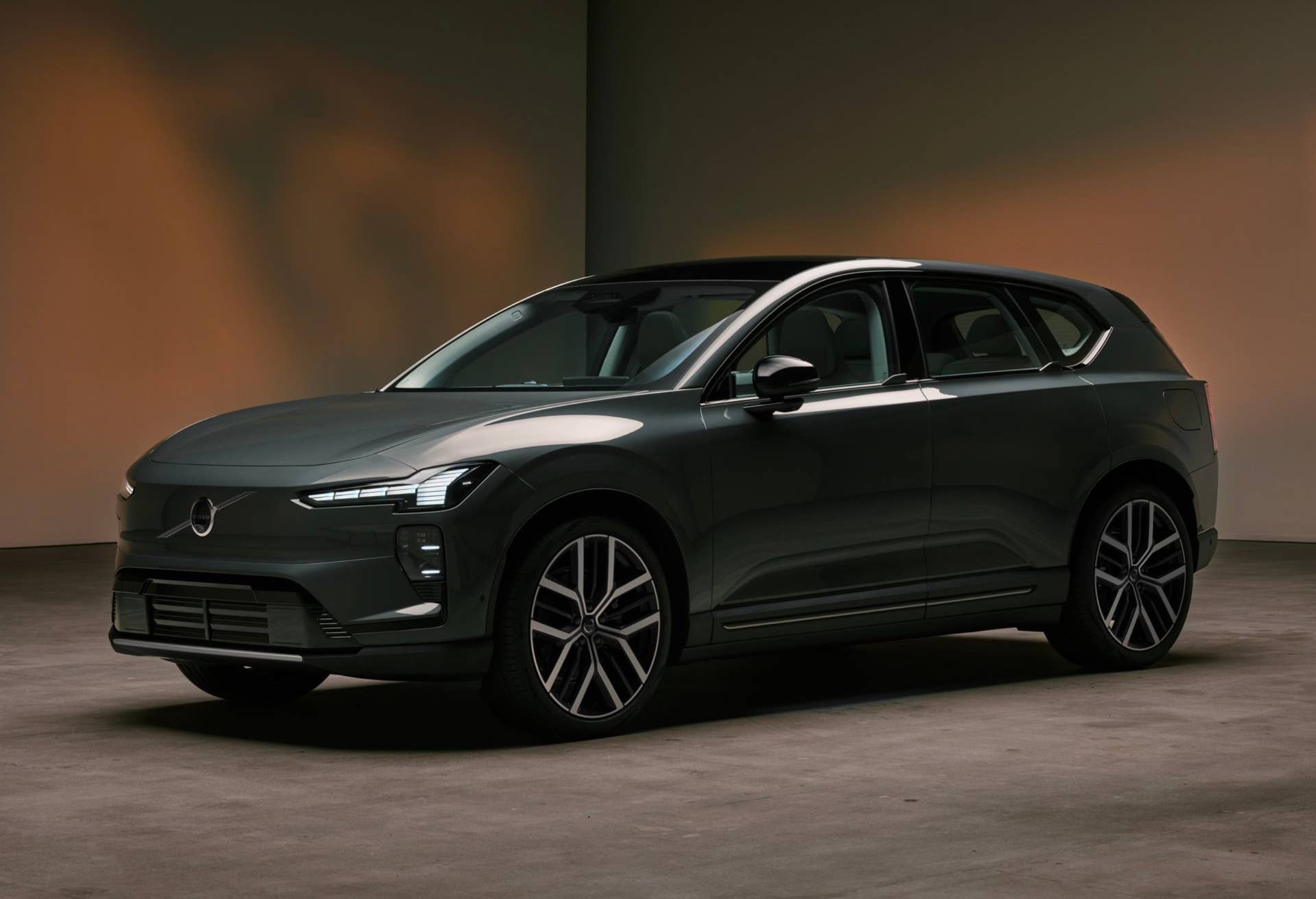
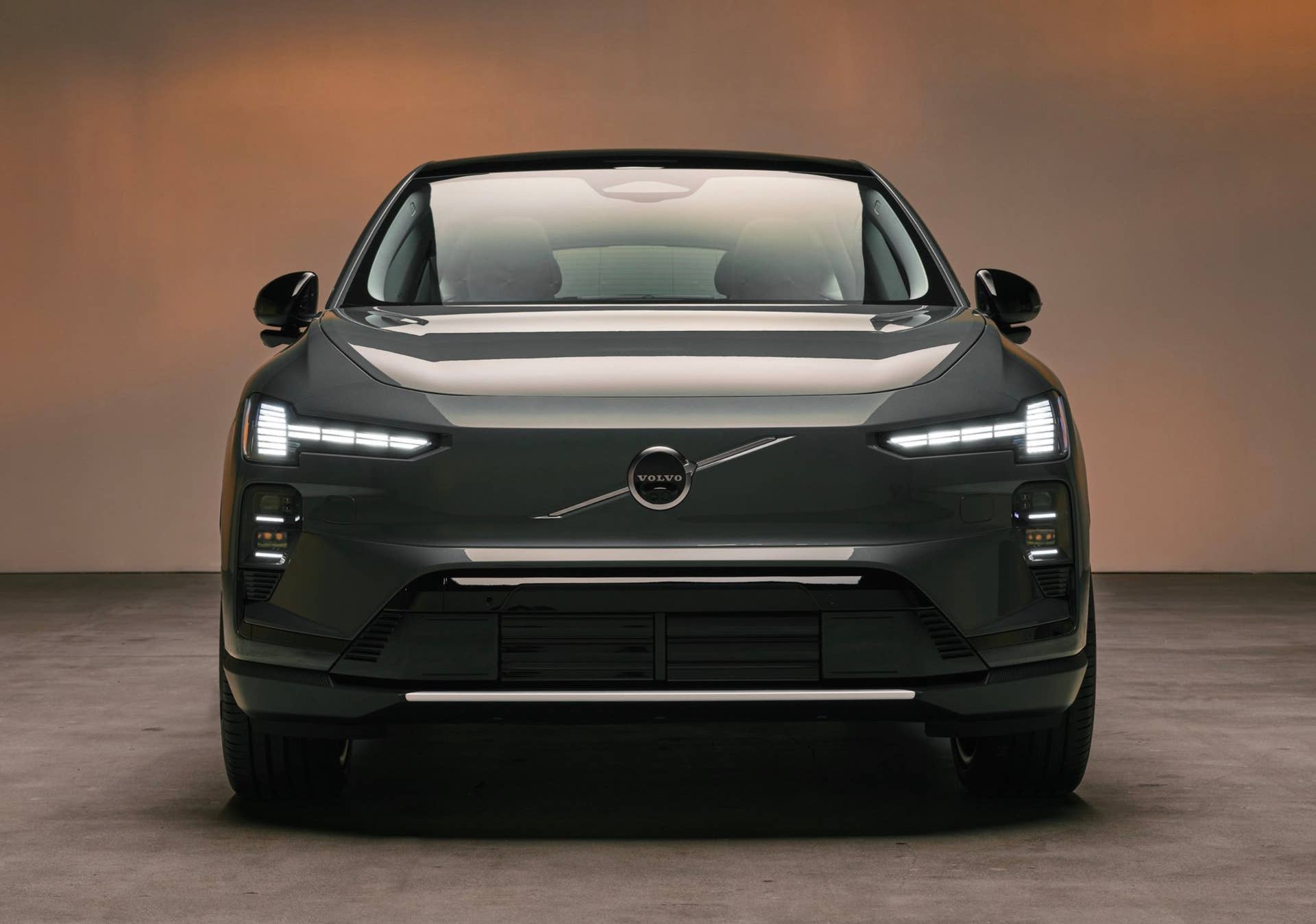
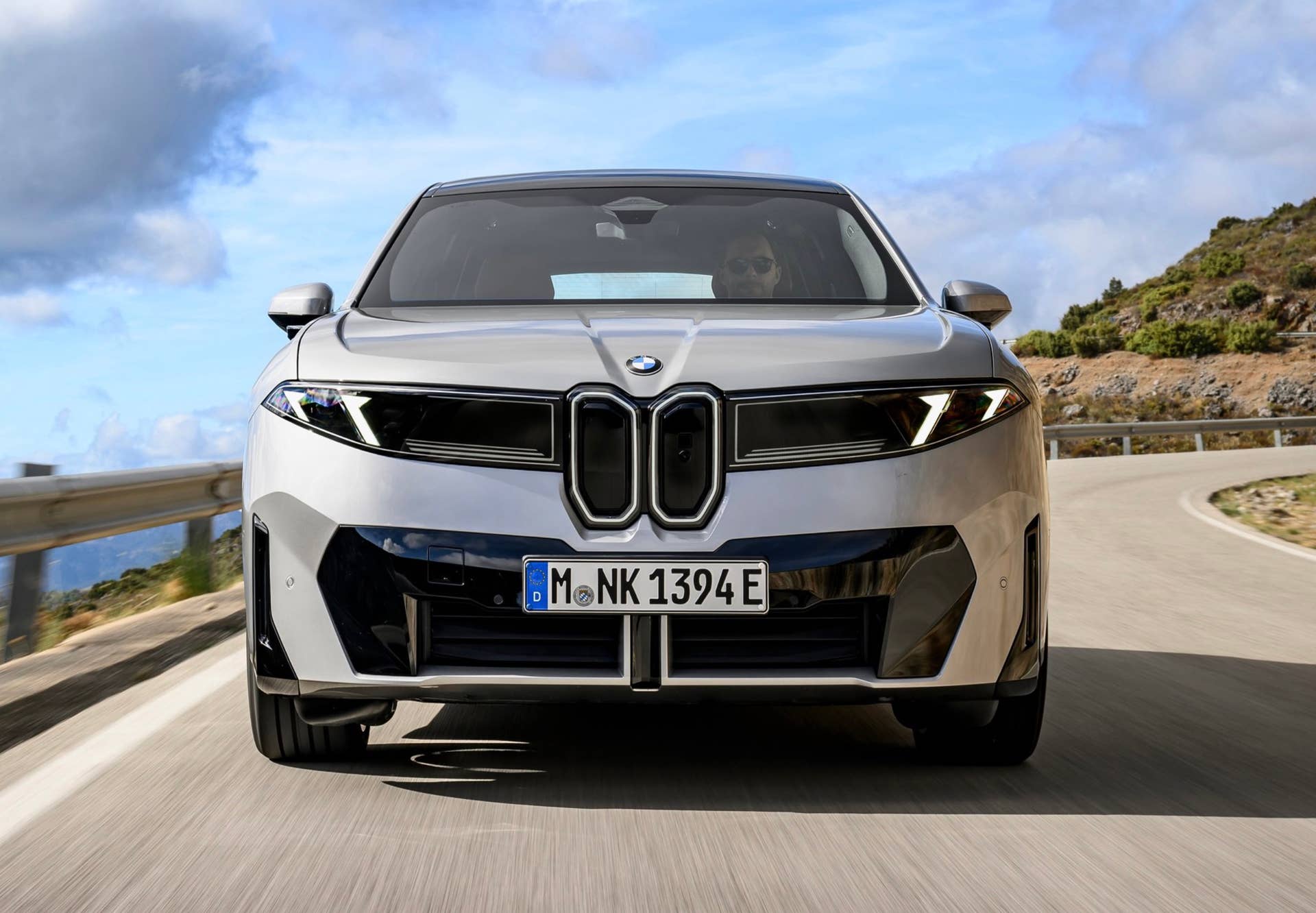
Two very distinct design philosophies are on display here, both inside and out. Although the iX3’s Neue Klasse look is less fussy than many other modern BMWs, it’s still a sportier, shoutier look than the Volvo’s. A new interpretation of the BMW kidneys completely contrasts with the EX60’s smoother, more rounded face. The BMW has flush-fitting, pop-out door handles, whereas the Volvo’s handles are almost completely hidden as beltline-integrated winglets. At the back, the BMW has horizontal taillight clusters, whereas the Volvo’s lights stretch vertically alongside the rear windshield.
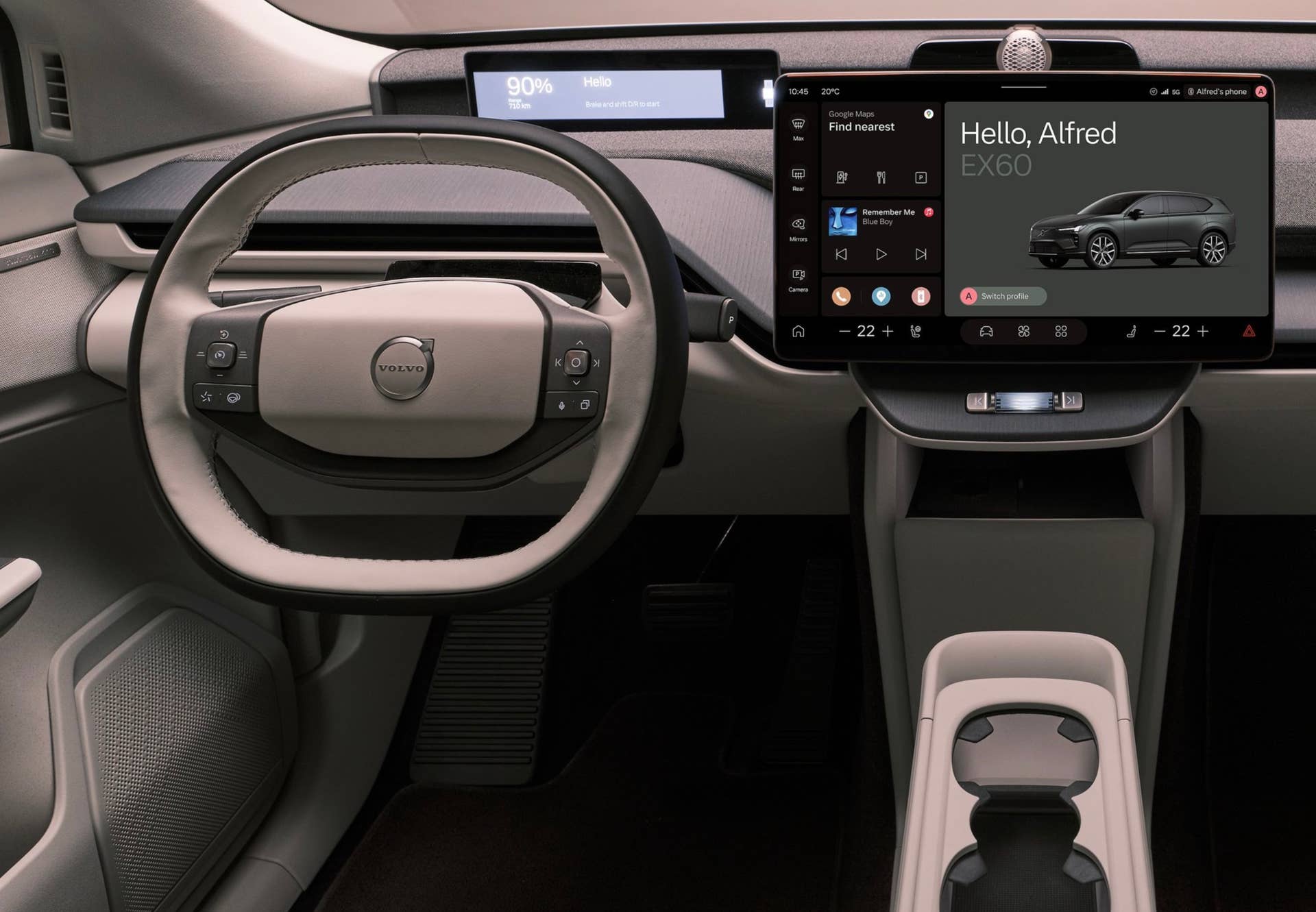
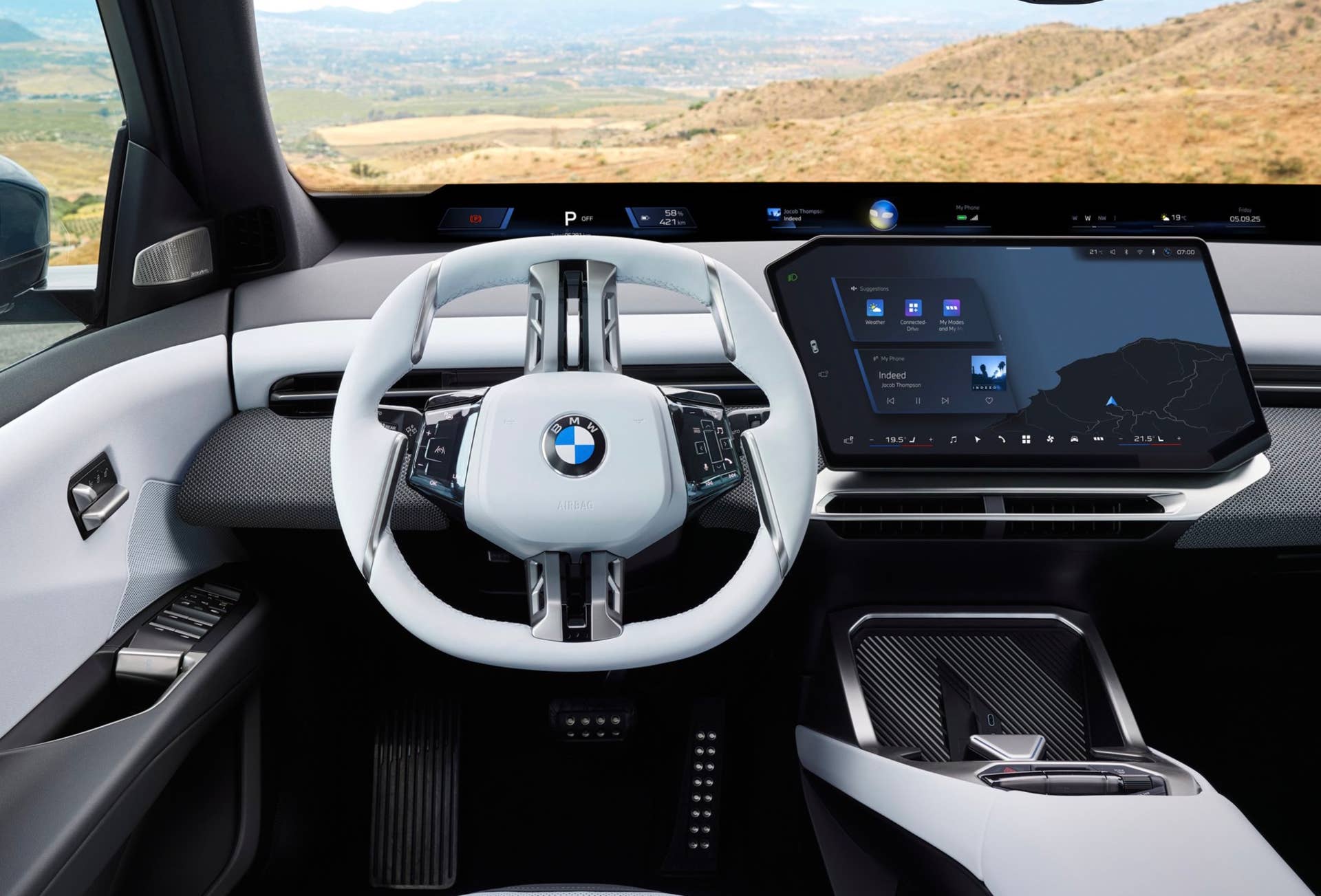
Move inside, and the differences are almost too many to mention. The Volvo’s interior has earthier tones and a more serene atmosphere, while BMW chases an avant-garde aesthetic, from its strange four-spoke steering wheel to the hexagonal shape of the touchscreen. Both vehicles have layered dashboards, with the BMW’s Panoramic iDrive system including a full-width information display at the base of the windscreen. Volvo prefers a dedicated driver’s display on the left and a more traditionally-shaped center touchscreen.
At a time when far too many electric crossovers are hard to tell apart, the iX3 and EX60 are strong, distinct interpretations of each brand’s design philosophies.
2. Volvo Arrives With More Powertrain Options
Volvo
BMW
The only X3 available at launch is the 50 xDrive, a dual-motor, all-wheel-drive derivative with 463 horsepower and 476 lb-ft of torque. It can sprint from zero to 60 mph in 4.7 seconds, so it’s quick enough, although not in the realm of the quickest Teslas. BMW has promised additional single- and dual-motor models, including a high-performance iX3 M, but they’ll only be available in 2027 at the earliest. The X3 50 xDrive also has just one battery option with a capacity of 109 kWh.
Volvo has come straight out of the blocks with much more variety for its EX60. The range includes the RWD P6, the AWD P10, and the AWD P12. Outputs for these three powertrains are 369 hp/354 lb-ft, 503 hp/524 lb-ft, and 670 hp/583 lb-ft, respectively. The P6 takes 5.7 seconds to hit 60, whereas the P10 needs 4.4 and the P12 just 3.8 seconds. So, for now at least, the top Volvos outsprint the BMW.
Total battery capacities are 83 kWh for the P6, 95 kWh for the P10, and 117 kWh for the P12. This diversity in power outputs and battery capacities is good to see, whereas the iX3 currently restricts you to a single trim.
3. Volvo Tows More And Can Handle More Cargo
Volvo
BMW
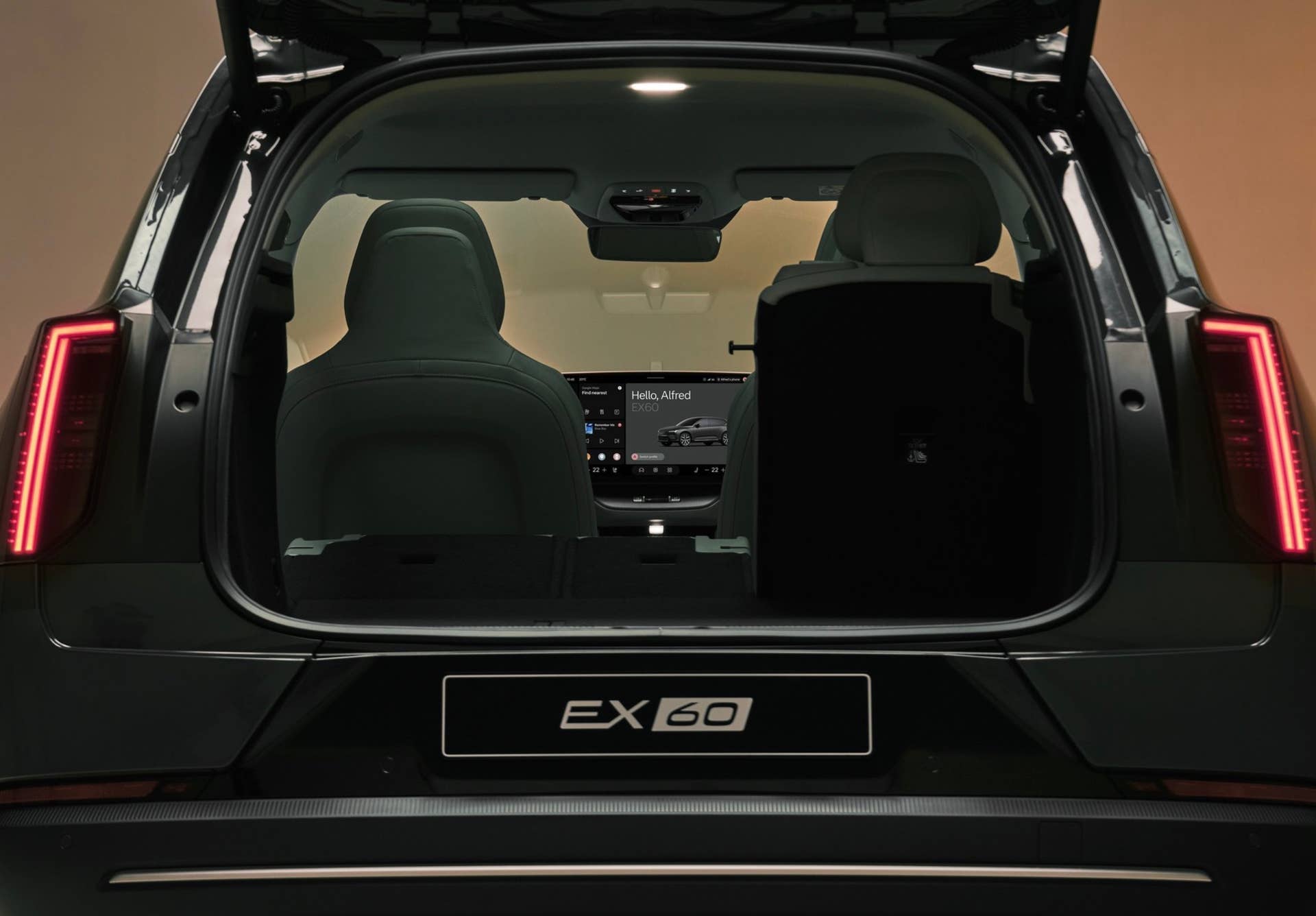
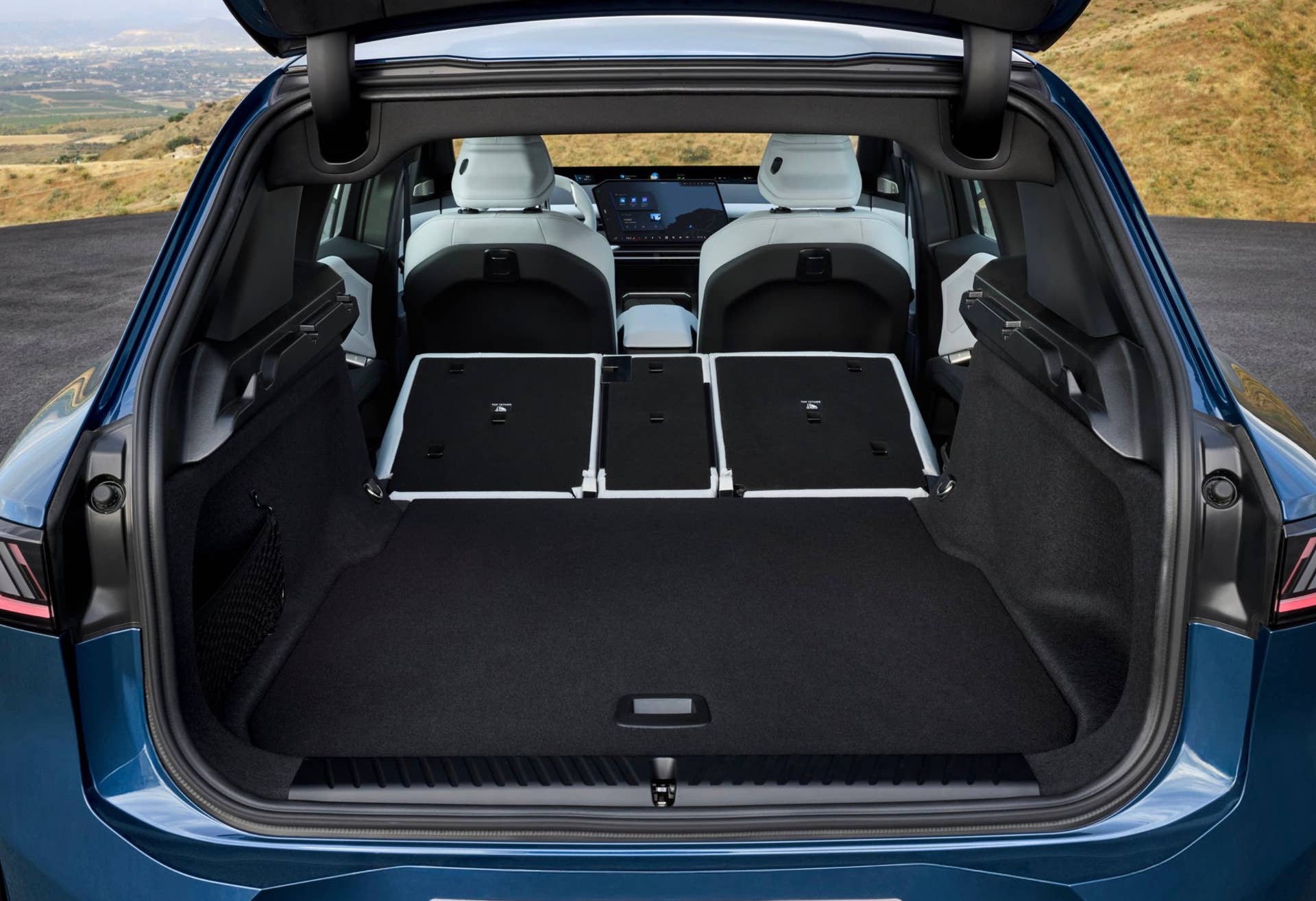
Most people don’t buy an electric SUV with plans to do any serious towing, as this typically has a drastic effect on range. But if you must tow anything, the Volvo wins by a narrow margin, as the P10 and P12 models can tow up to 4,500 pounds. The BMW isn’t far behind at 4,409 lbs, which is a lot more than the 3,600-lb maximum of the EX60 P6.
Volvo
BMW
Cargo space is quite closely matched, too, but the Volvo is again on top. The BMW’s trunk measures 18.4 cubic feet behind the second row, whereas the Volvo’s is 20.4. Both figures are below average for SUVs of this size, though. For some added versatility, each car has a frunk. The BMW’s measures two cubic feet and the Volvo’s is a more useful three cubic feet.
Something Both Do Well: Range and Charging

Volvo
BMW
These electric SUVs have set new benchmarks for range and charging speeds for SUVs in this segment. The EX60 offers at least 290 miles of range when the P6 is equipped with 22-inch wheels, but that goes all the way up to 400 miles in the P12 on 20-inch wheels. BMW claims exactly the same 400-mile range for the sole iX3 trim.
Both vehicles support charging speeds of up to 400 kW, even though most fast chargers in the U.S. aren’t able to support this. You can thank their 800-volt electrical systems for this capability.
Volvo says you can add 173 miles of range in only 10 minutes, while BMW claims the battery can be replenished from 10% to 80% in just 21 minutes. Both vehicles’ range and charging specifications are excellent.
Final Thoughts
BMW and Volvo have both reached new heights with these EVs. Their progressive designs and technologies promise much, and exemplary range and charging specs will make them easier to live with for first-time EV converts.
What must be appreciated about these two vehicles is how distinct they are from each other, despite being direct rivals. The sporty, bold BMW contrasts sharply with the quietly confident and stylish Volvo. While we expect the iX3 to be more popular in the United States, this has more to do with BMW’s brand cachet here than it being a better car than the Volvo.
We look forward to driving both SUVs soon.
About the author

Karl Furlong
Senior Editor, Autoblog