

Picking the right full-size SUV for your family
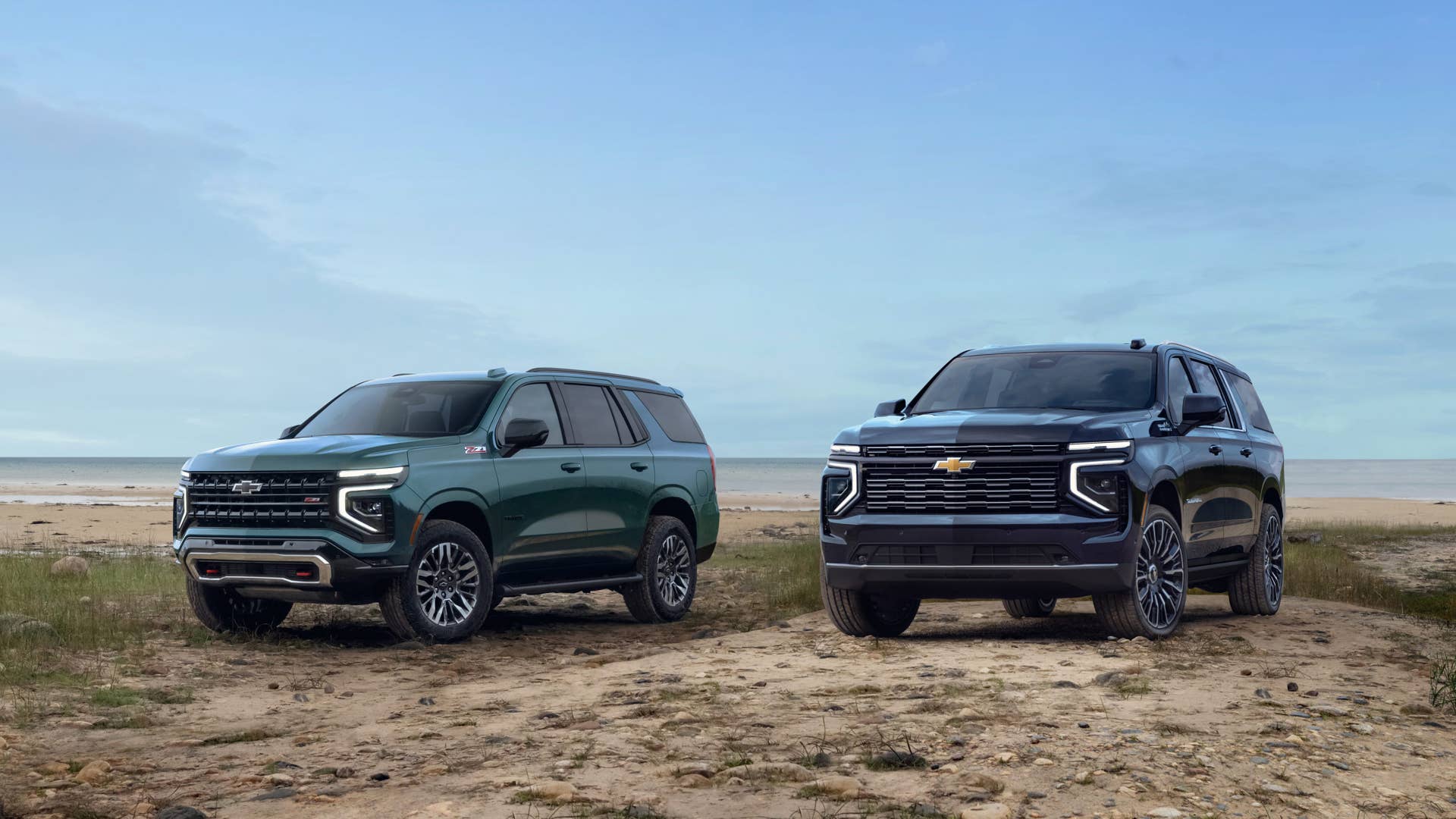
The full-size SUV segment is a fierce one, and the 2026 Chevrolet Tahoe and Suburban are among the cream of the crop. Both models come in six trim levels with similar sets of features. At a glance, they’re near-identical siblings. Diving deeper reveals several significant differences between the two SUVs, some of which could make one model a better choice for your family’s needs.
Chevrolet
There aren’t many changes to discuss for the 2026 model year. The Chevy Tahoe received a full redesign for the 2025 model year. While not as extensive, the Chevy Suburban saw its styling refreshed last year as well.
1. The Tahoe is the cheaper of the two SUVs
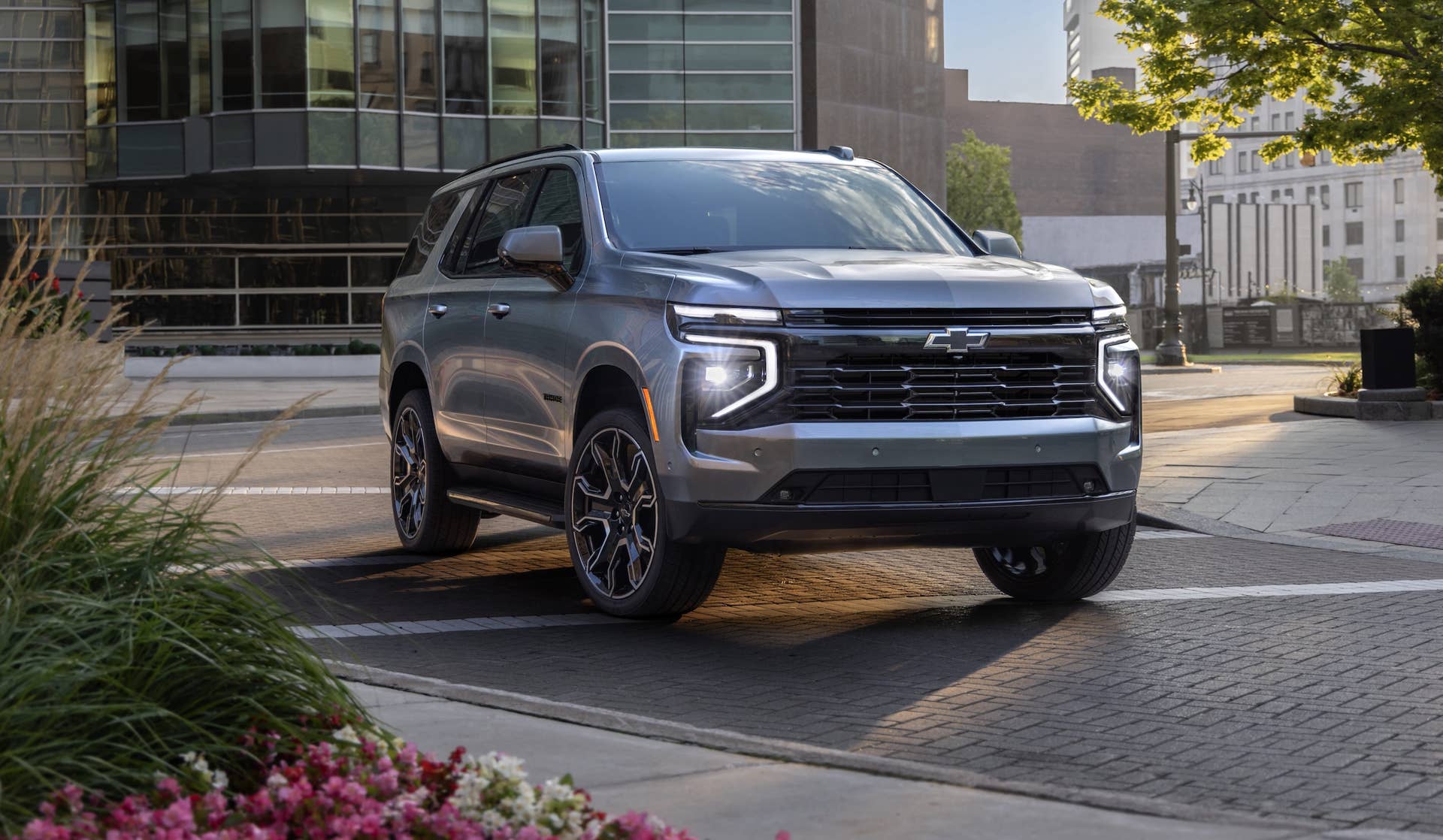
Every dollar counts in a market where vehicle prices show no signs of coming down. The Chevy Tahoe wins in that respect, starting at $60,700, whereas the Suburban is priced from $63,700 due to its larger size. Both SUVs are available in the same six trim levels, ranging from the base LS to the luxurious High Country. No matter which Tahoe trim you choose, the SUV maintains its $3,000 advantage over the Suburban. The Tahoe and Suburban High Country, for example, are priced from $80,700 and $83,700 respectively.
Chevrolet
2. The Suburban offers more passenger and cargo space
While both the Tahoe and Suburban are full-size SUVs, the latter is the larger of the two by a good margin, and it’s especially obvious once you’re inside. Both models seat up to eight passengers in standard form, but you can opt for a front bench seat to up that number to nine. Alternatively, you can swap a second-row bench seat for captain’s chairs to reduce total passenger seating to seven. First- and second-row passenger space is identical in Tahoe and Suburban models with an eight-seat configuration. The third row is where the Suburban’s size comes into play, offering 36.7 inches of legroom versus the Tahoe’s 34.9 inches, as well as an additional 0.1 inches of shoulder room.
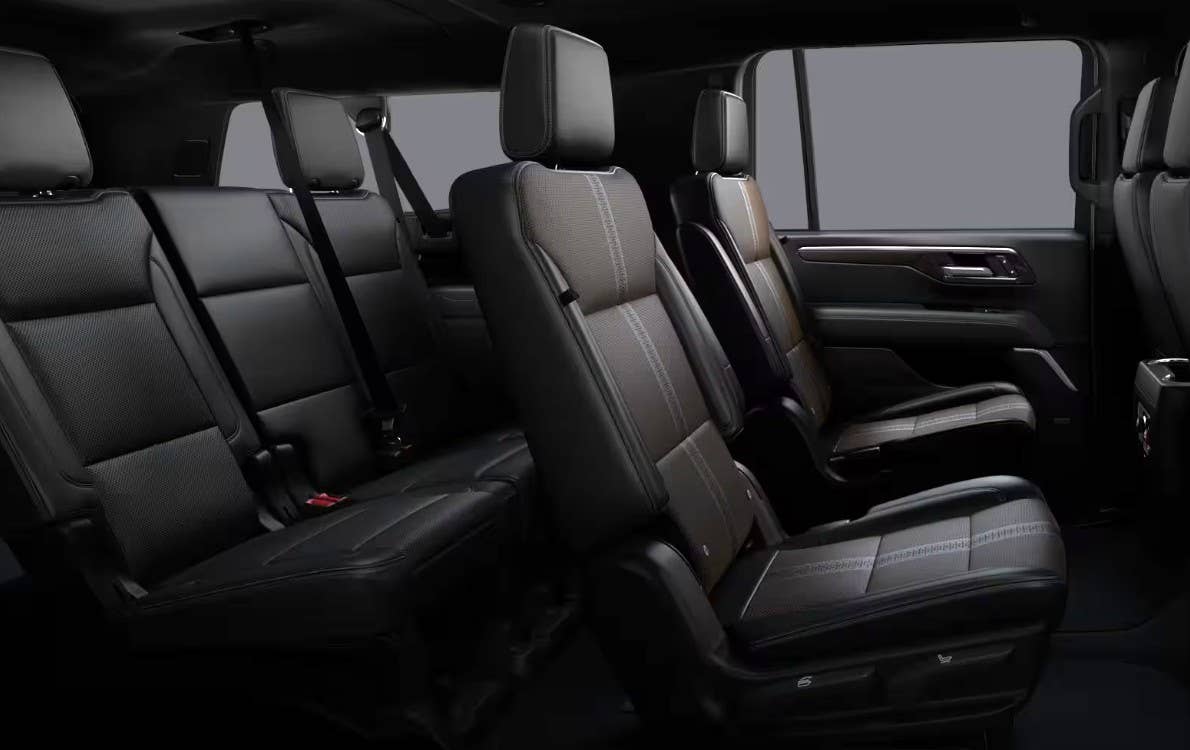

The Suburban has a healthy advantage in cargo space as well, offering 41.5 cu ft. with the third row in its upright position, easily dwarfing the Tahoe’s 25.5 cu ft. With the third-row seats folded down, the Suburban offers 93.8 cu ft. versus 72.5 cu ft. in the Tahoe. With both rear rows stowed away, the Suburban boasts 144.7 cu ft., leaving the Tahoe and its 122.7 cu ft. in the dust.
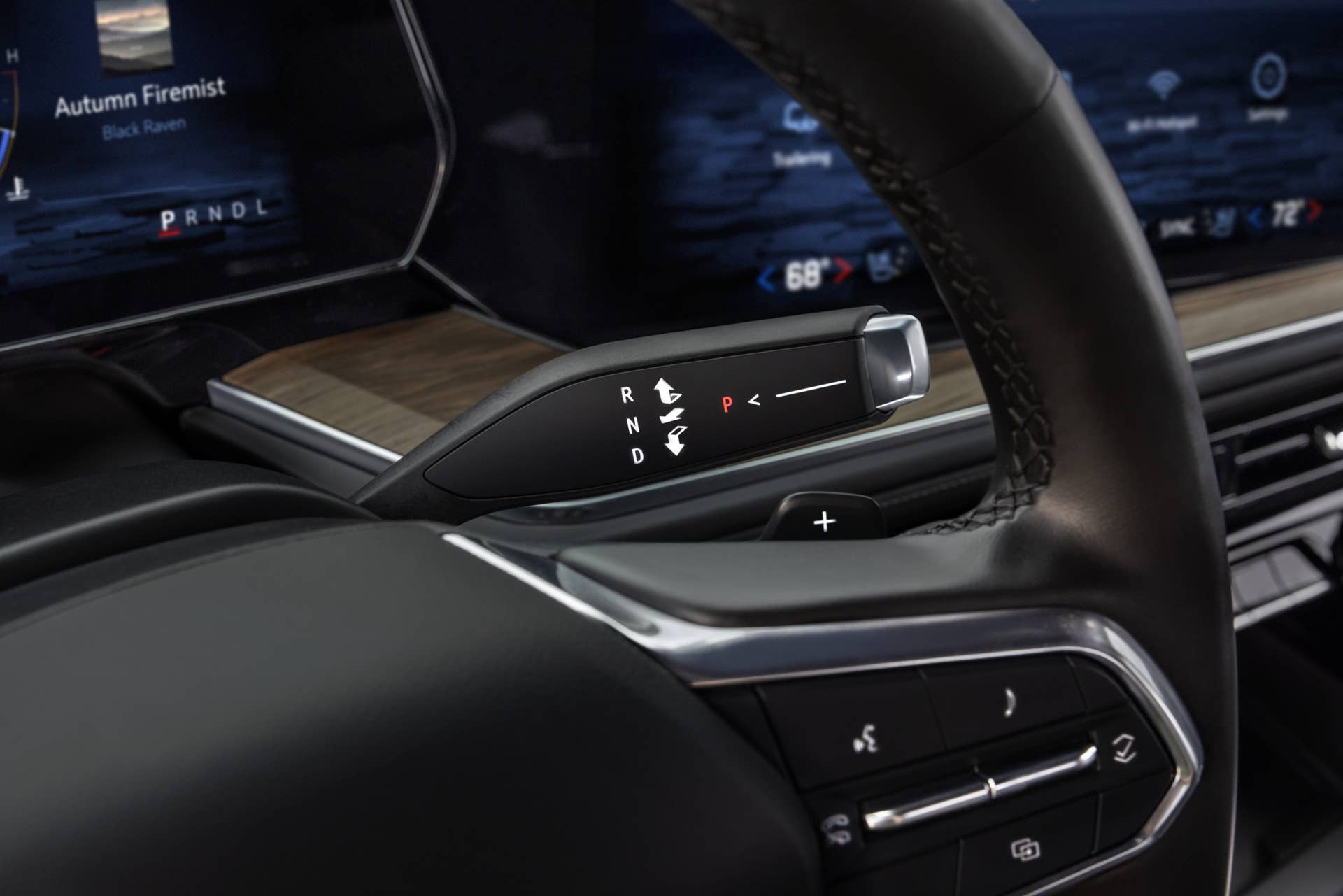
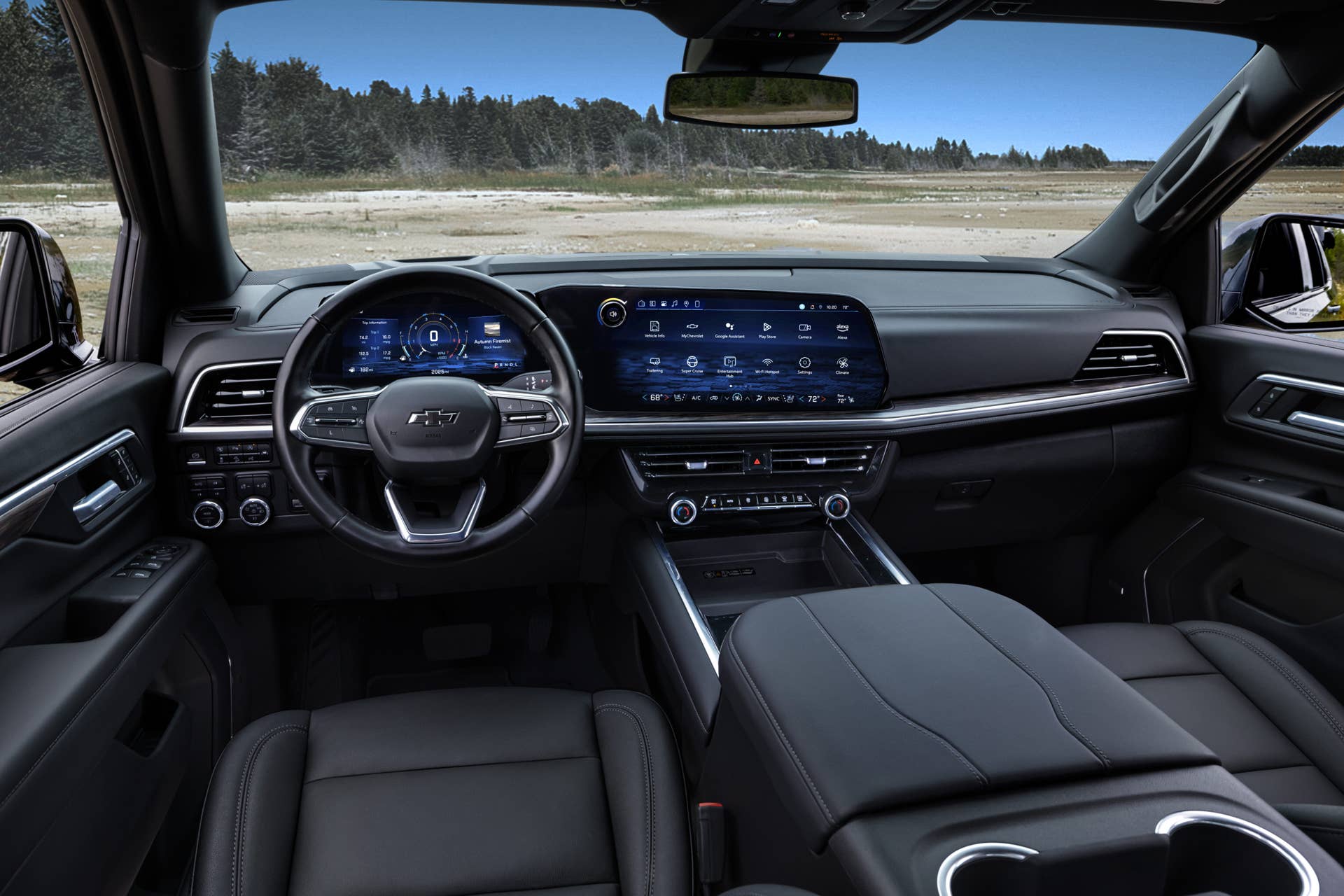
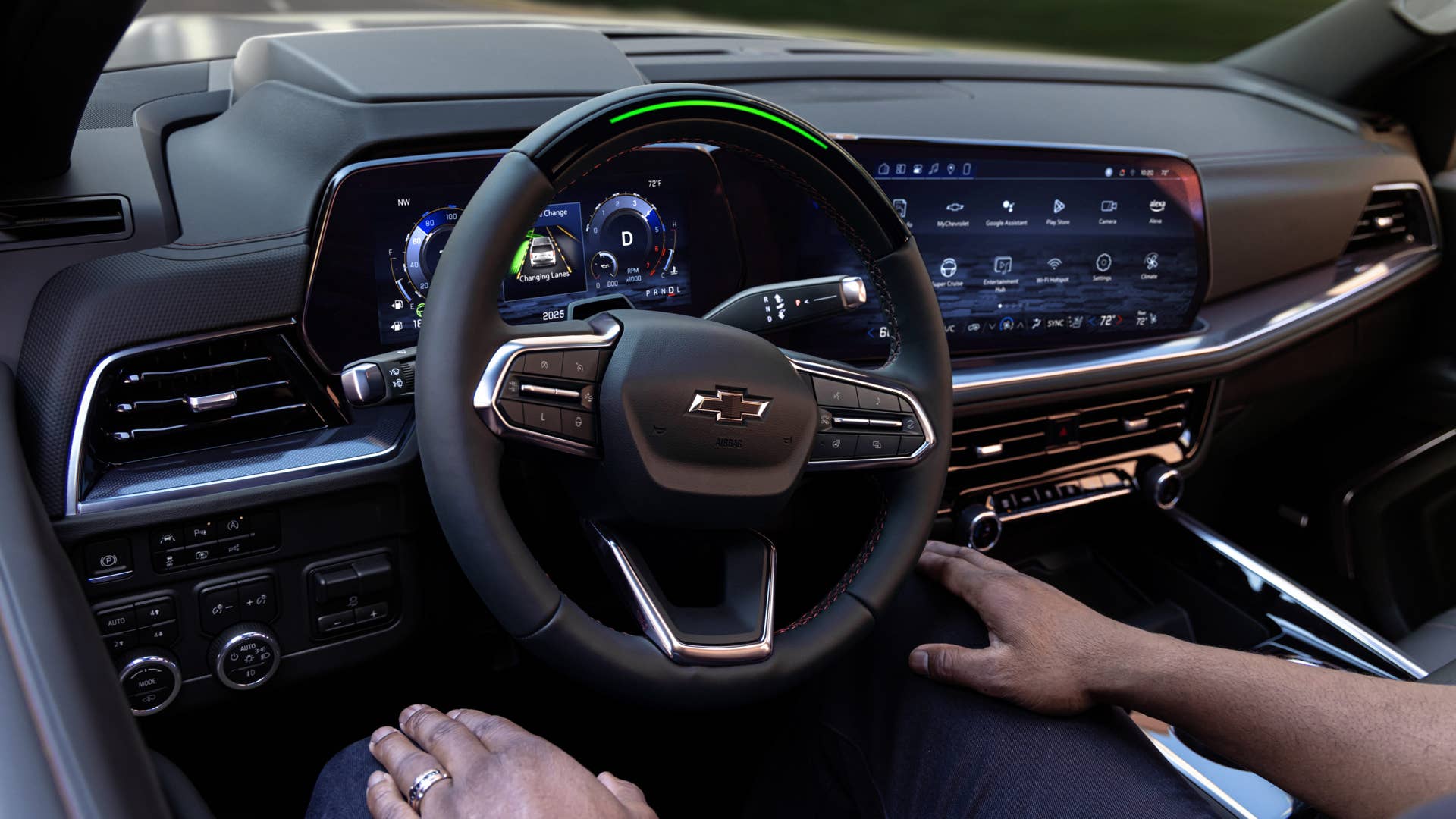
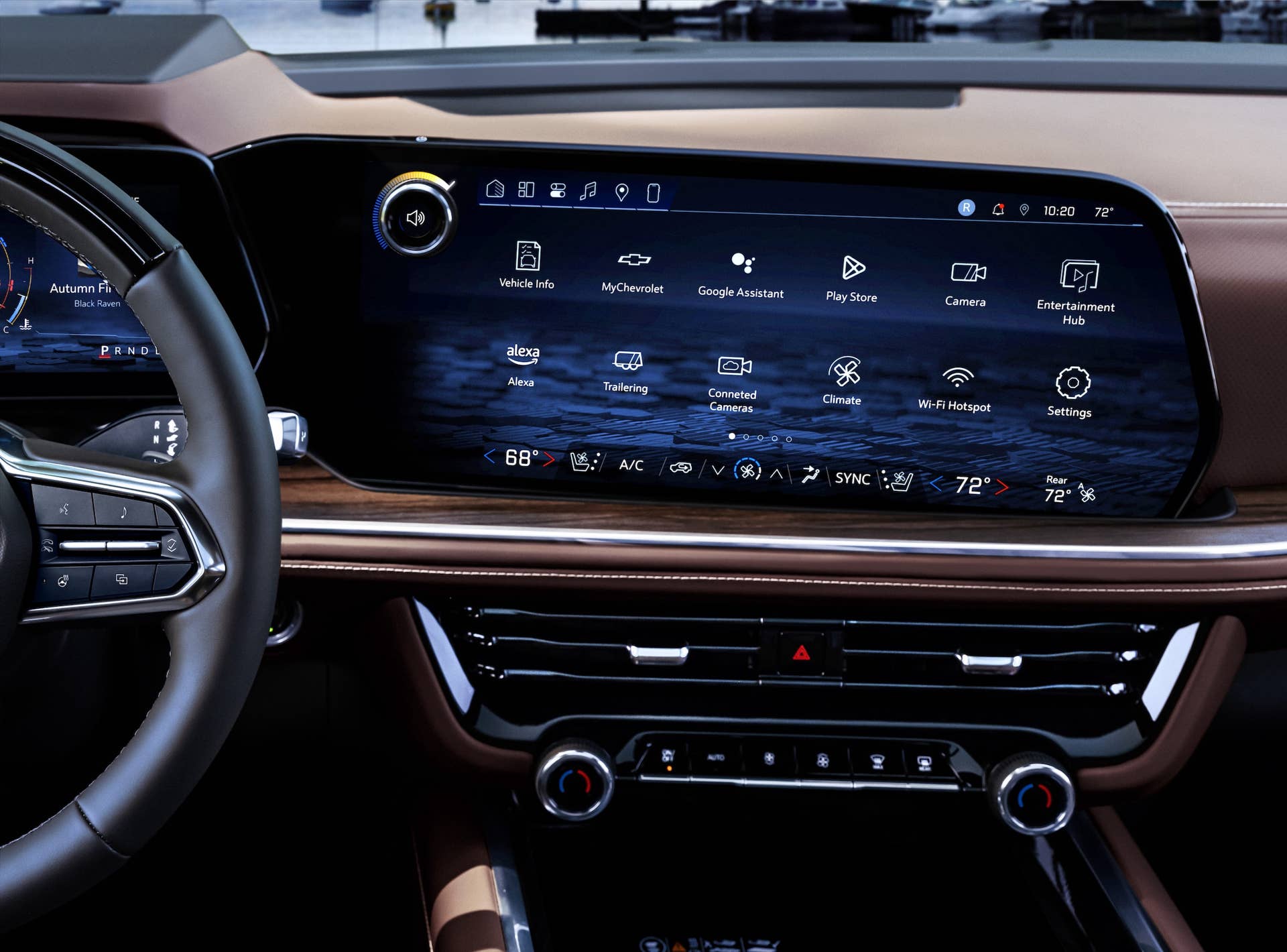
Inside, the Tahoe and Suburban offer identical setups, with a 17.7-inch touchscreen display and an 11-inch digital instrument cluster. Apple CarPlay, Android Auto, and a wireless smartphone charging pad come stock as well. Tri-zone automatic climate control comes standard across the board, but you’ll need to step up past the base model if you want other niceties, like heated front seats.
3. The Tahoe is more maneuverable and offers a higher towing capacity
With a wheelbase measuring in at 134.1 inches, the Suburban is a true behemoth among full-size SUVs. While that measurement is beneficial when it comes to interior space, it also makes the larger SUV more difficult to handle in tight driving conditions. The Tahoe, with its 120.9-inch wheelbase, is much easier to maneuver in urban areas with narrow streets. The Tahoe offers a 37.8-foot curb-to-curb turning radius, a good deal tighter than the Suburban’s 41.5 feet.
Chevrolet
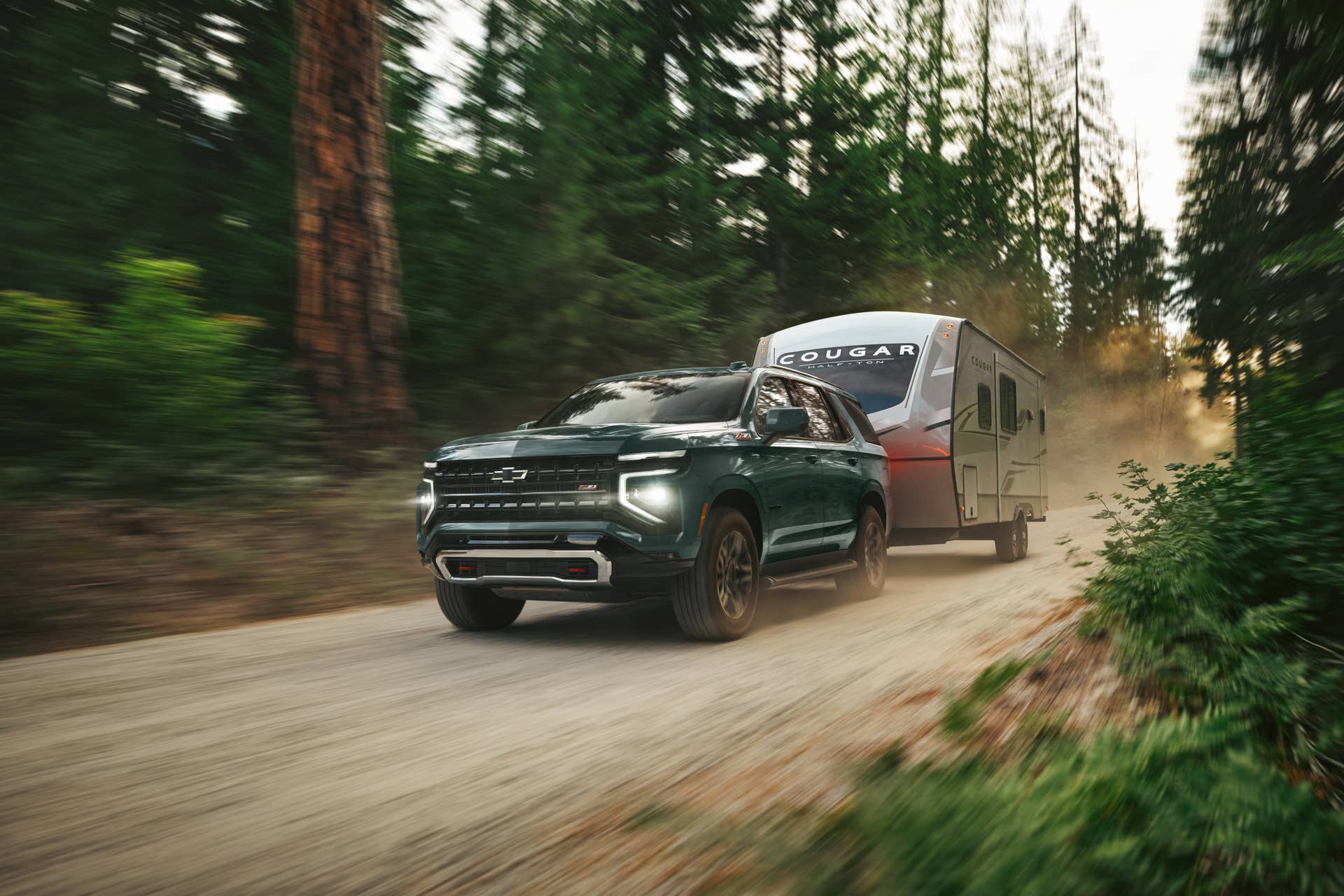
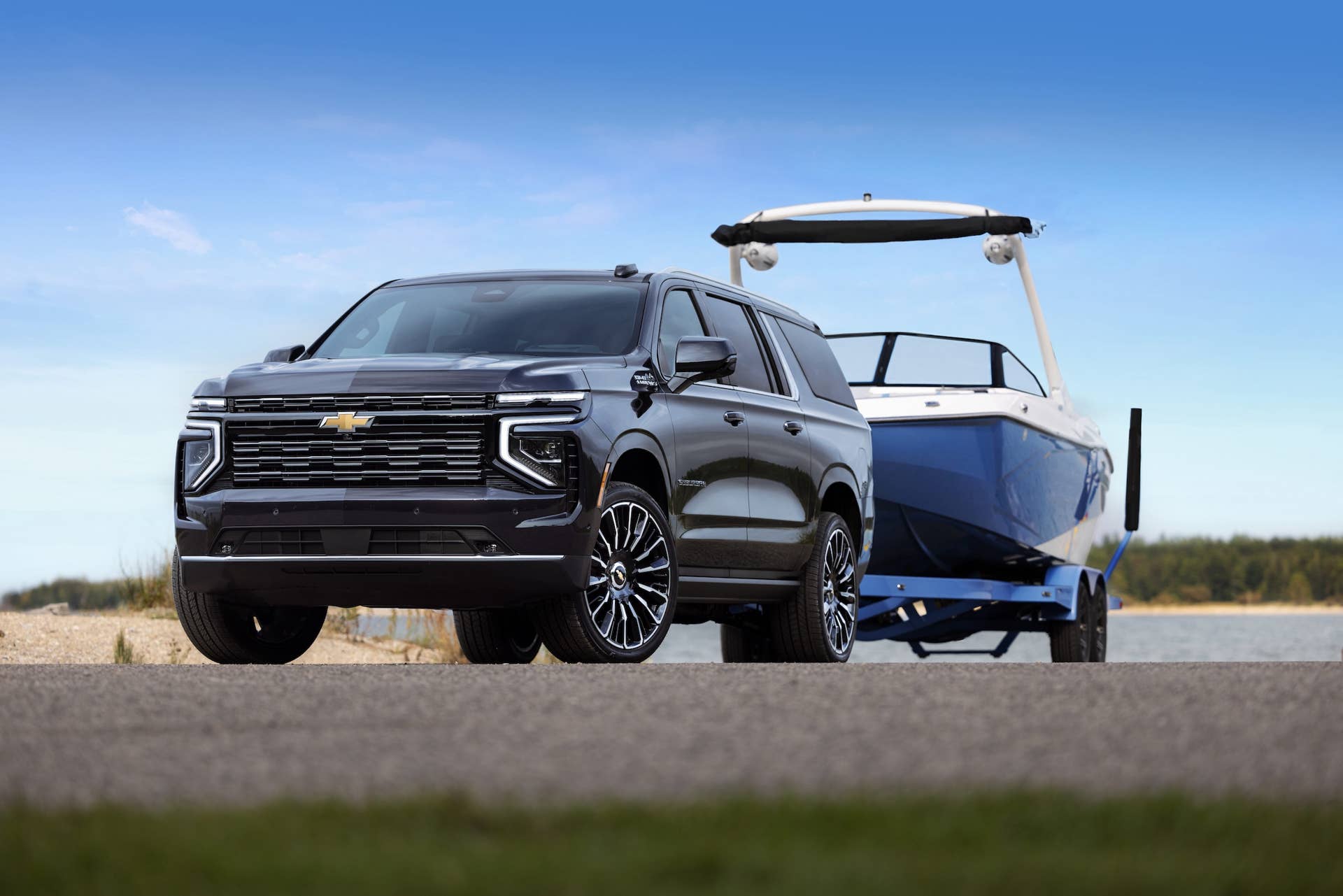
Towing capability is a tighter race than turn radius, but the Tahoe still comes out on top. When equipped with a 5.3-liter V8 engine and rear-wheel drive, the Tahoe can handle up to 8,400 lbs., 100 lbs. more than an identically-equipped Suburban. When equipped with the 3.0-liter Duramax turbo diesel engine, the Tahoe and Suburban can tow 8,200 and 7,800 lbs., respectively.
Final thoughts
Chevrolet
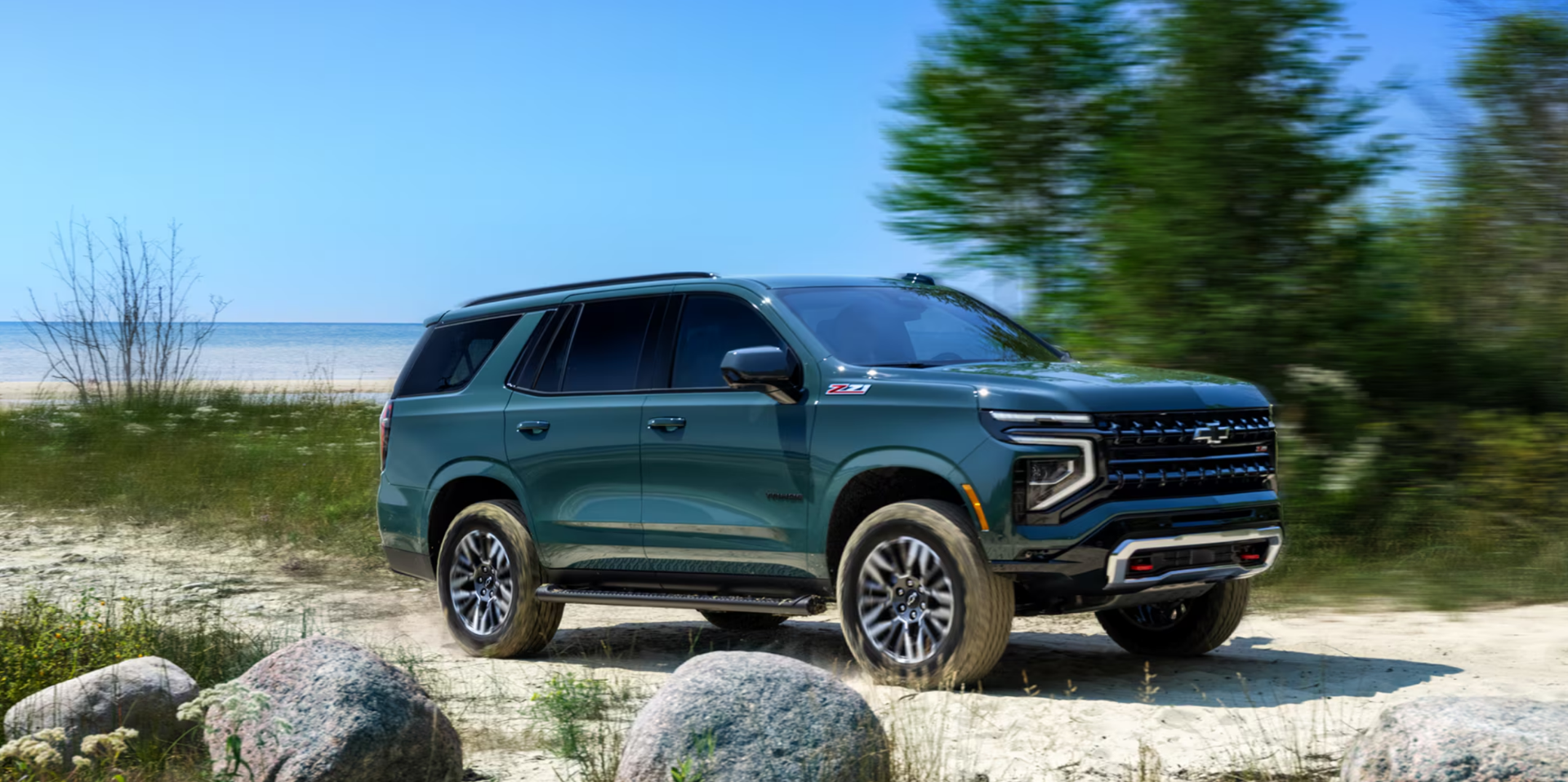
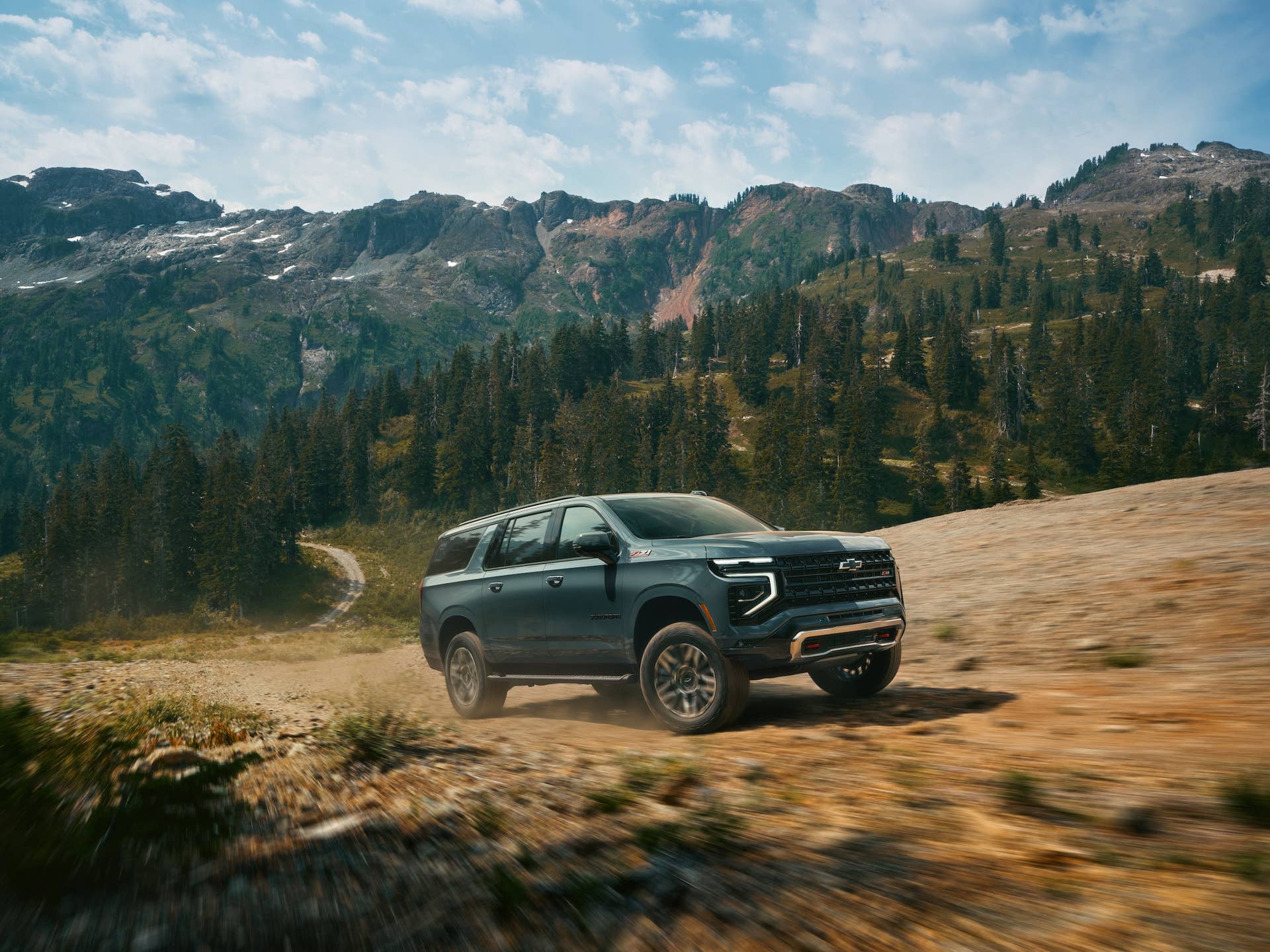
Considering they seat seven to nine passengers, depending on configuration, both the 2026 Chevrolet Tahoe and Suburban are suitable for large families. If you need more cargo space or plan on seating adults in the third row, the Suburban has a distinct advantage. If you’re looking to spend less, want a bit more towing capacity, or prefer more maneuverability, the Tahoe is the top pick between the two. Make sure to take the whole family along for a test drive before making your final decision!
About the author

Joseph Pudlewski
Contributing Writer, Autoblog