
Tesla Looks to the Skies
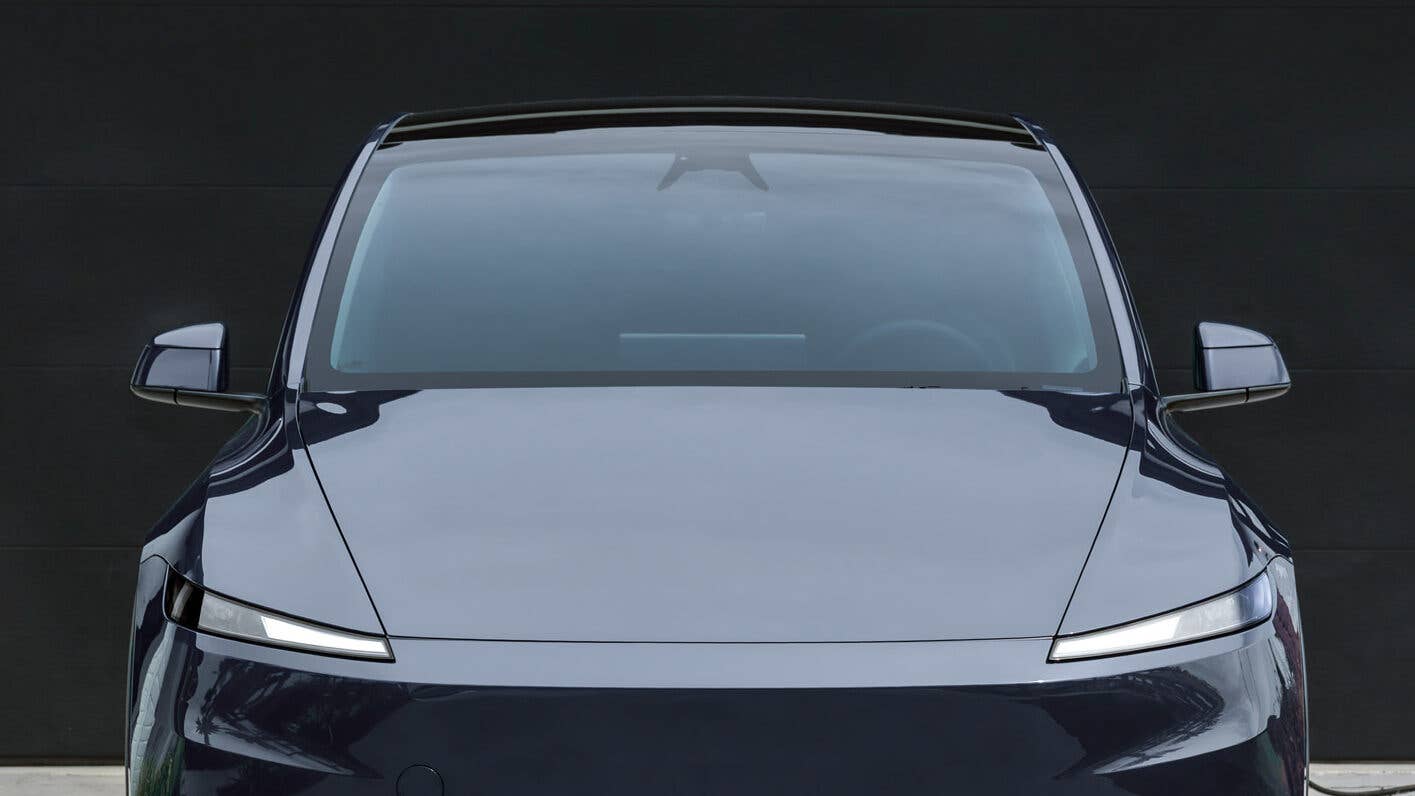
A recent Tesla patent explores the use of radio-frequency (RF) transparent materials in the roofs of its electric vehicles, hinting at the possible future integration of Starlink connectivity. However, implementing such a system would not be as straightforward as it sounds, as these alternative materials could raise structural and compliance challenges.
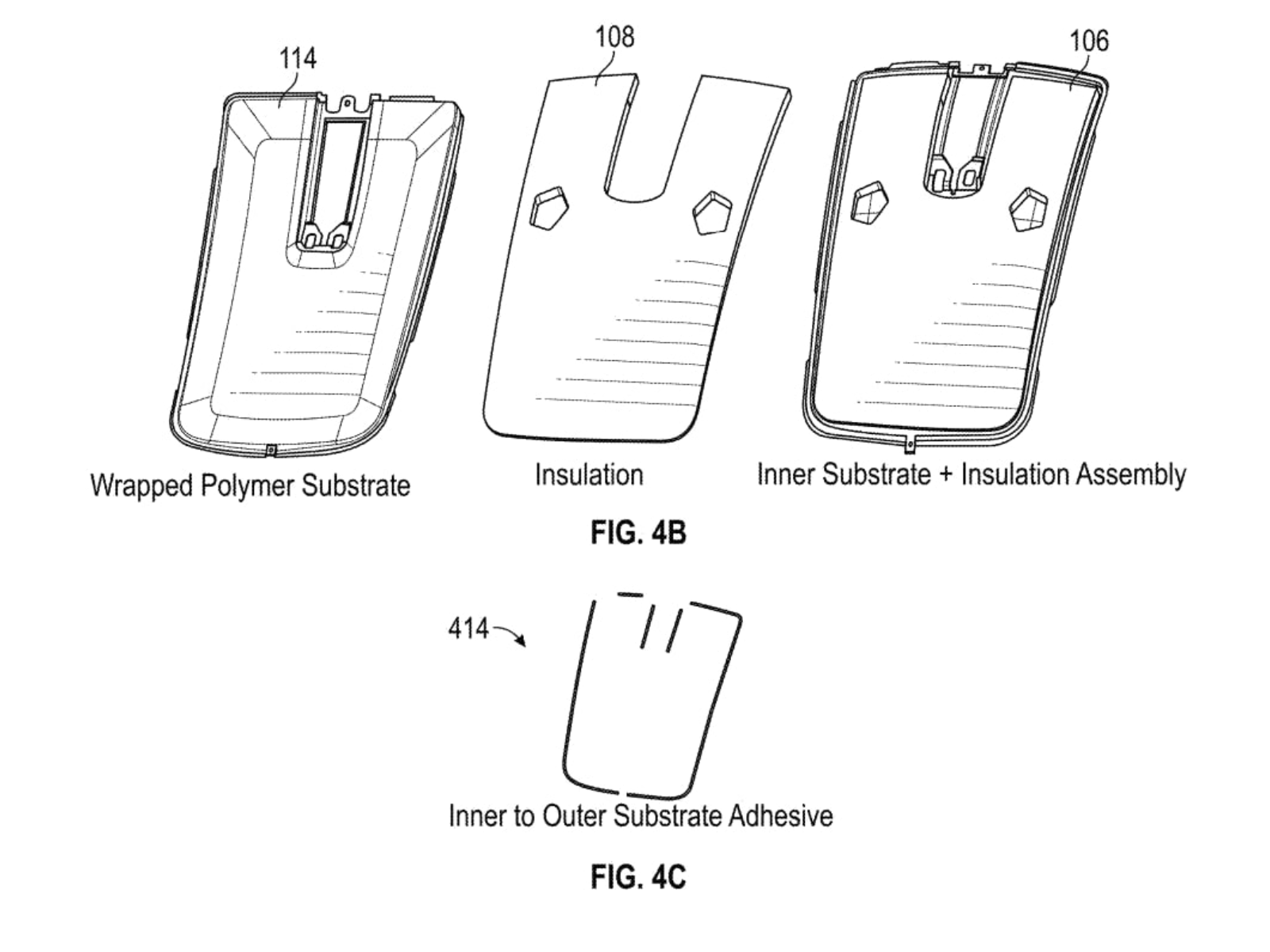
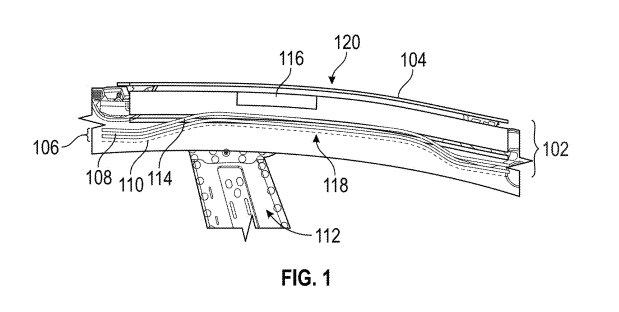
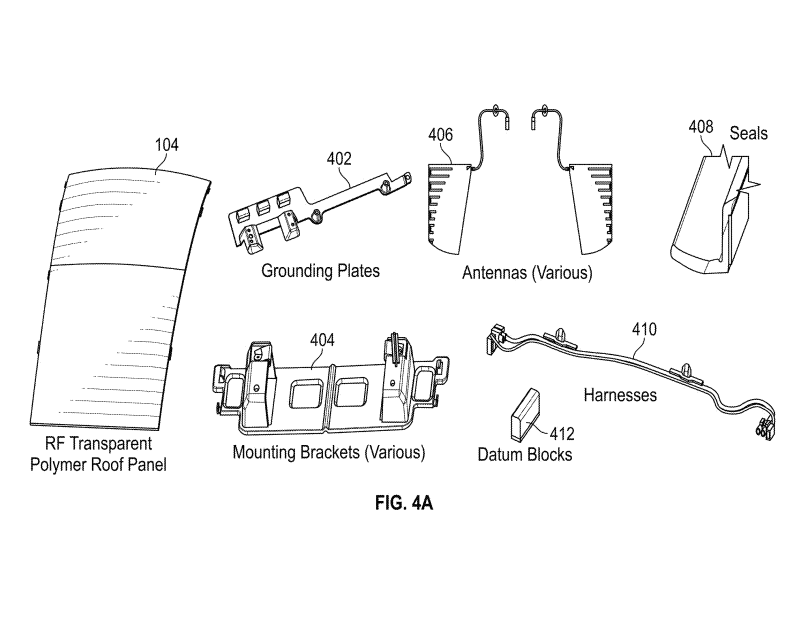
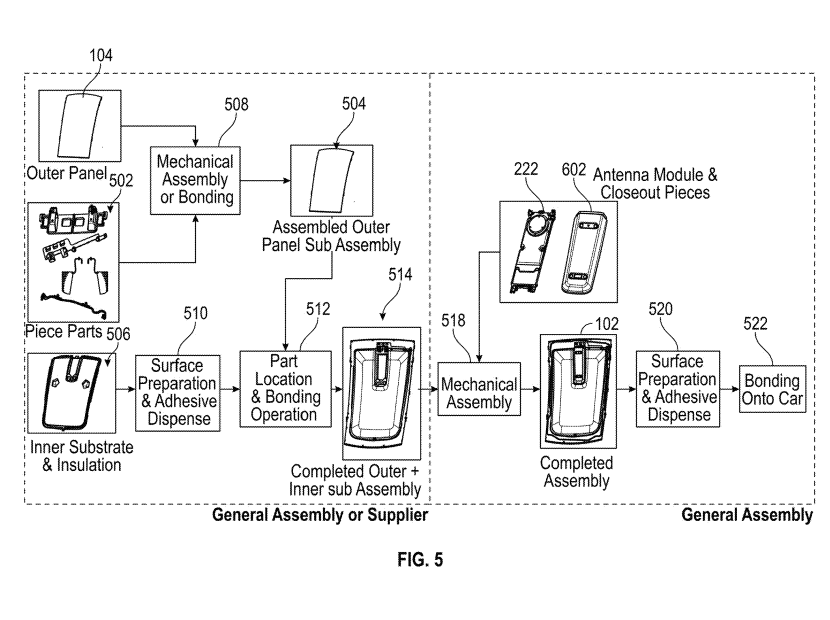
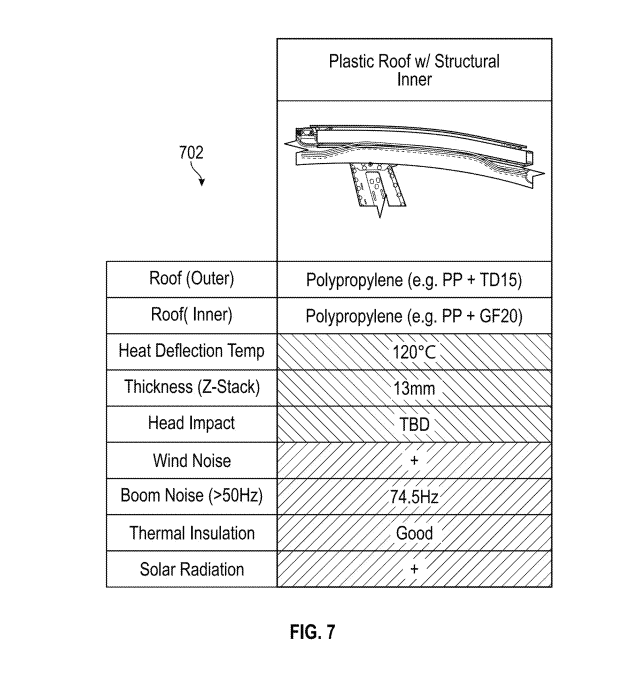
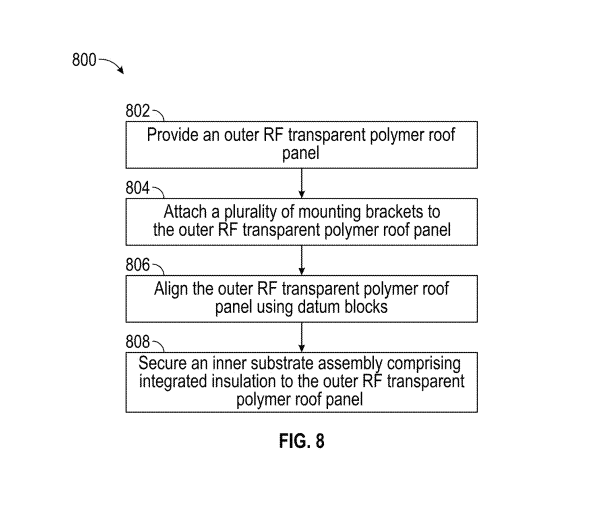
The patent (Pub. No U.S. 2025/0368267) references materials such as polycarbonate, acrylonitrile butadiene styrene, and acrylonitrile styrene acrylate, which, compared with traditional materials like metal and glass, can present different strength characteristics. Tesla reportedly plans to mitigate these concerns by using a multi-layer construction, potentially consisting of four layers, which could help restore rigidity while also improving noise, vibration, and harshness (NVH) performance.
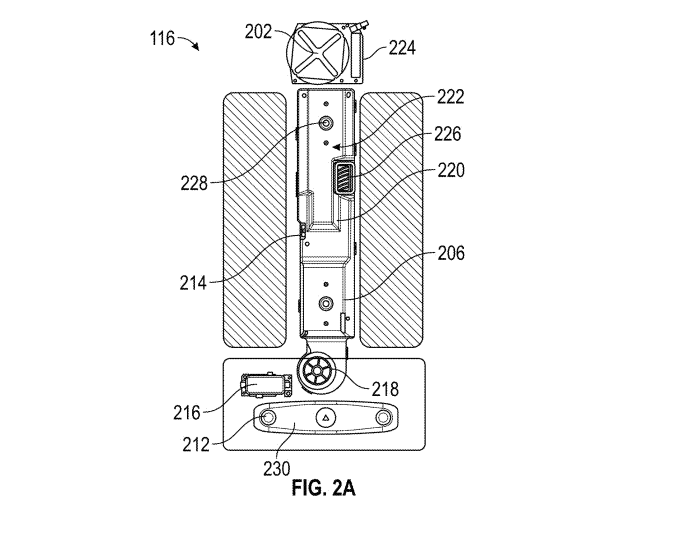
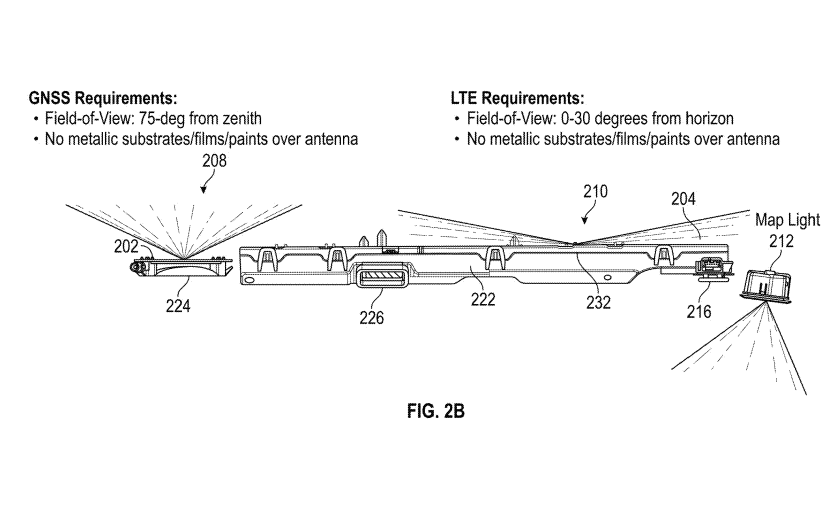
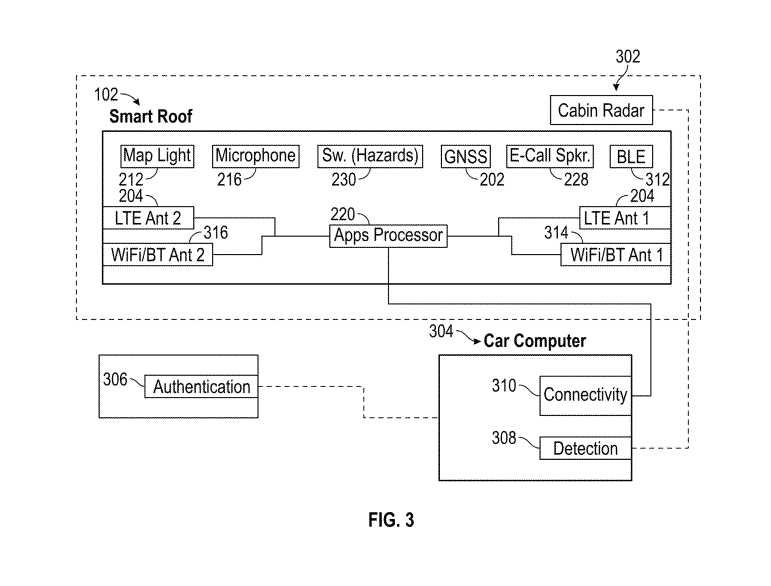
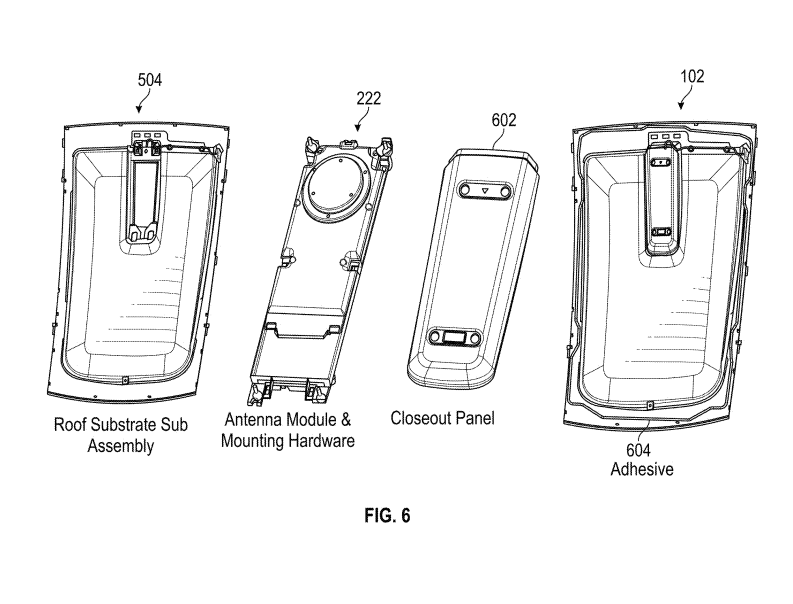
“By employing polymer blends, some examples enable RF transmission from all the modules to satellites and other communication devices, both inside and outside the vehicle,” Tesla wrote in the patent filing.
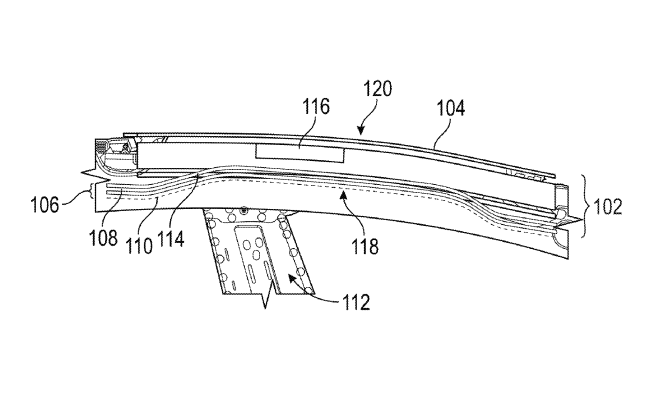
United States Patent and Trademark Office
A Broader Technology Ecosystem
Given Starlink’s connection to SpaceX – a rocket and satellite company also led by Tesla CEO Elon Musk – the use of polymer-based, RF-transparent roof panels could further strengthen the broader Musk-led technology ecosystem. In theory, such a design could allow Tesla vehicles, including mass-market models like the Model 3 and Model Y, to maintain satellite connectivity even in remote areas where cellular coverage is usually limited.
At present, Tesla offers Standard Connectivity, which includes navigation and basic vehicle functions, with many features available over Wi-Fi. The company also offers Premium Connectivity, available as a $9.99/month option in the U.S., which enables features such as live traffic visualization and streaming services over cellular networks.
Rethinking Satellite Integration
While most automakers pursuing satellite-based vehicle connectivity rely on partnerships with third-party providers, Tesla’s integration of Starlink directly into its EVs would represent a unique approach. It’s worth noting, though, that Tesla and SpaceX/Starlink, despite both being led by Elon Musk, operate independently.
As this remains at the patent stage, there is no guarantee the concept will reach production. If Tesla successfully implements the concept, it could reinforce the brand’s reputation as a technological frontrunner, alongside innovations such as the 4680 battery cell. Execution, however, will be key, as poor integration of new materials and construction methods could result in build quality issues, an area where Tesla has faced criticism in the past.
United States Patent and Trademark Office
United States Patent and Trademark Office
United States Patent and Trademark Office
United States Patent and Trademark Office
United States Patent and Trademark Office
United States Patent and Trademark Office
United States Patent and Trademark Office
United States Patent and Trademark Office
United States Patent and Trademark Office
About the author

Rex Sanchez
News Editor