
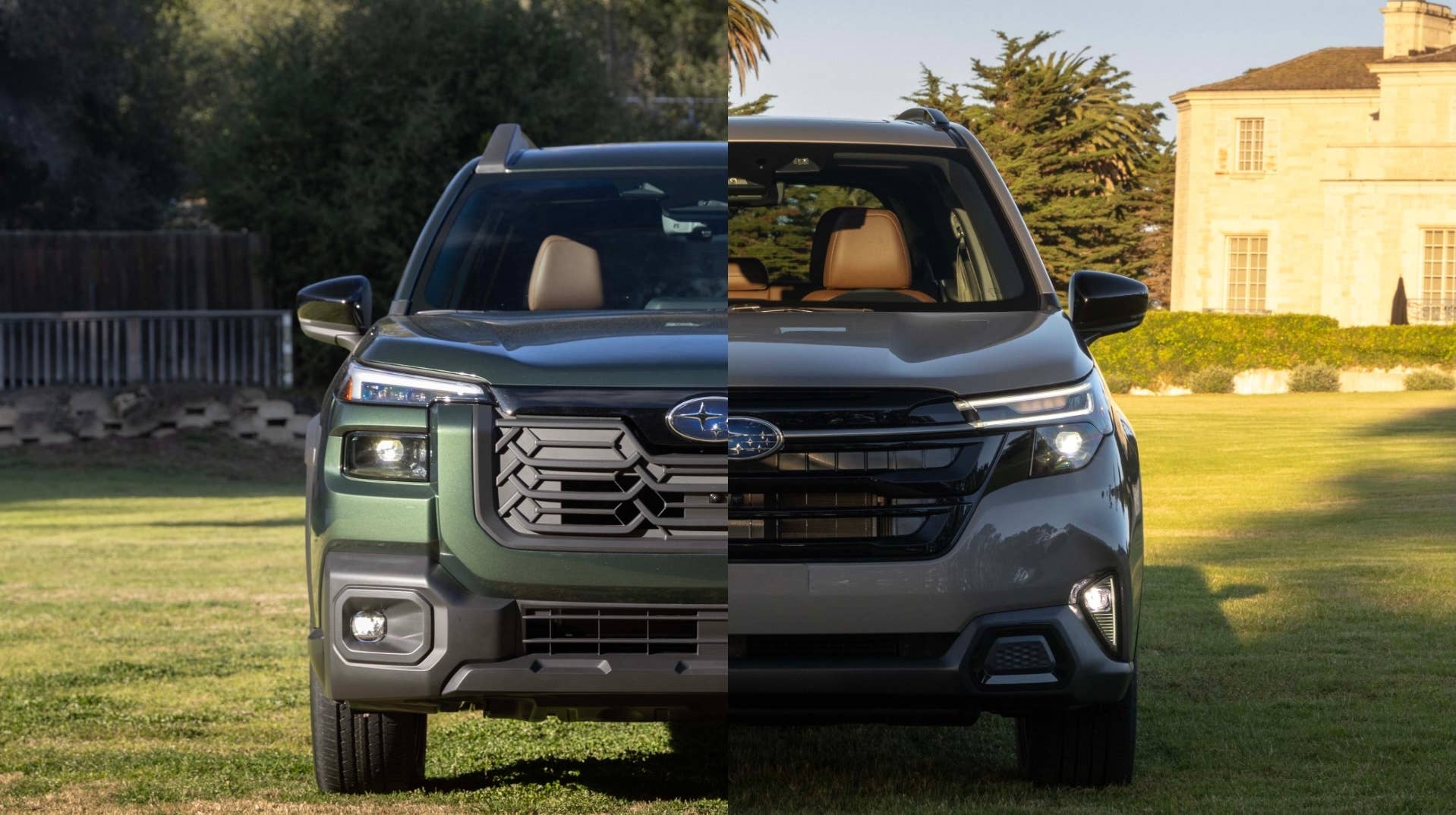
The 2026 Subaru Outback and Forester share the same engine, the same all-wheel drive system, and the same target buyer. The difference between them has nothing to do with the powertrain and everything to do with what Subaru chose to do with each model in 2026.
If you want the best technology and real performance headroom, the Outback is the clear choice. If you want 90% of the capability for significantly less money, the Forester is the smarter buy. Everything below explains why that gap exists and whether it matters for your situation.
Kyle Edward/Autoblog
Key Differences at a Glance
Outback: – Fully redesigned interior – Available turbo engine – More cargo space – Higher price
Forester: – Lower cost – Better fuel economy – Easier to park – Previous-generation cabin tech
The Forester starts at $29,995, the Outback at $34,995. That gap reaches $6,610 at the Wilderness trim level. Both come standard with Subaru’s Symmetrical All-Wheel Drive, a 2.5-litre boxer four-cylinder producing 180 horsepower and 178 lb-ft of torque, and EyeSight driver-assist technology.
2026 is the first model year where the gap between these two vehicles becomes genuinely difficult to ignore. The Outback just received its most significant redesign in three decades, with a new body, an entirely new interior, and overhauled technology. The Forester, updated only a year earlier, carried forward the previous generation’s cabin technology largely intact. One vehicle moved forward substantially; the other didn’t. That asymmetry is what this comparison is actually about.
Two Subarus, Two Philosophies

Subaru
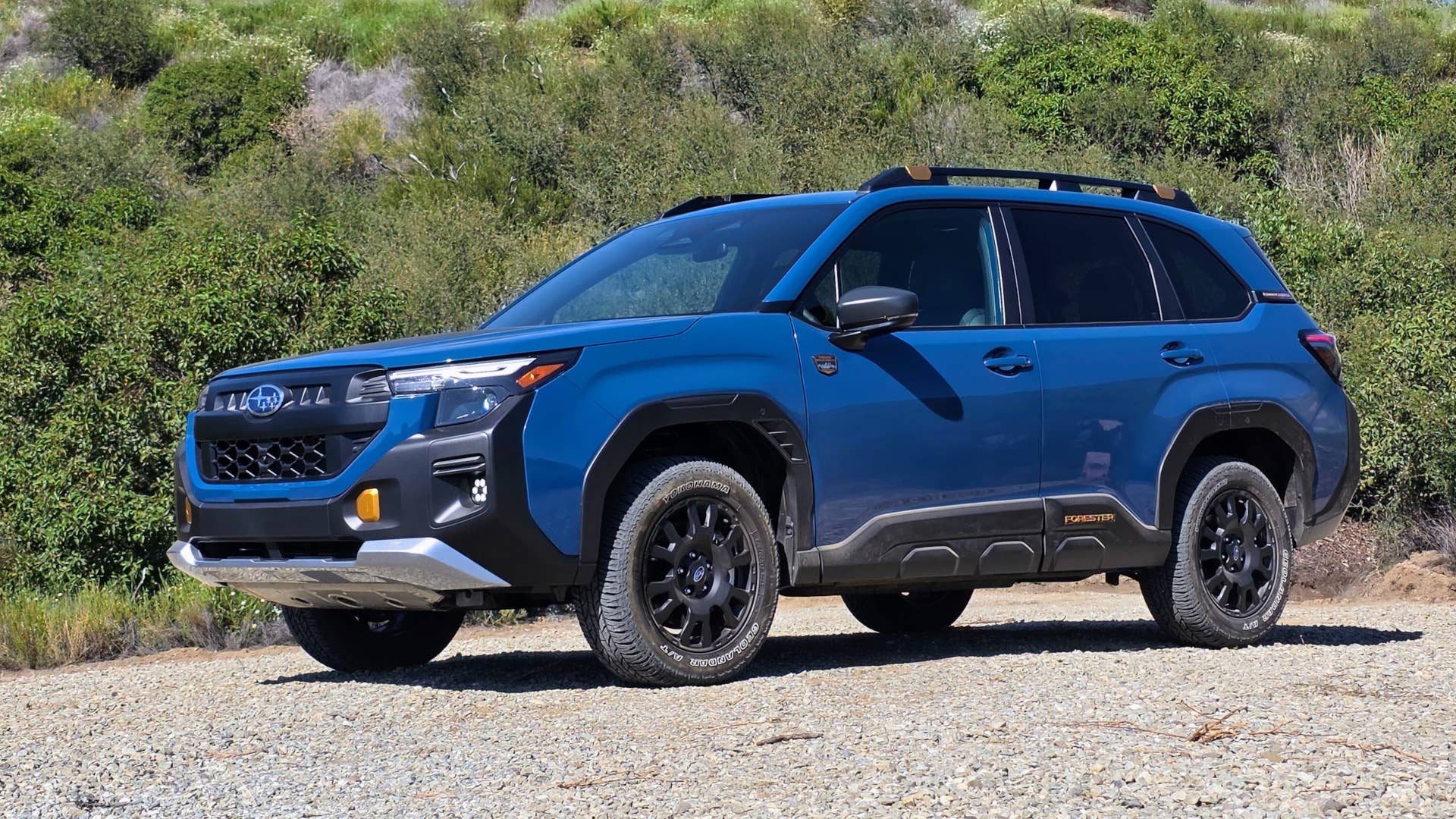
The Forester is built around simplicity. It parks without difficulty, returns competitive fuel economy, and handles everyday errands as well as a muddy trailhead without demanding much from the driver. Outward visibility is genuinely exceptional. The upright greenhouse gives a clear view in all directions that most modern crossovers no longer offer, while the driving experience is unfussy enough that it fades into the background after a week.
Subaru
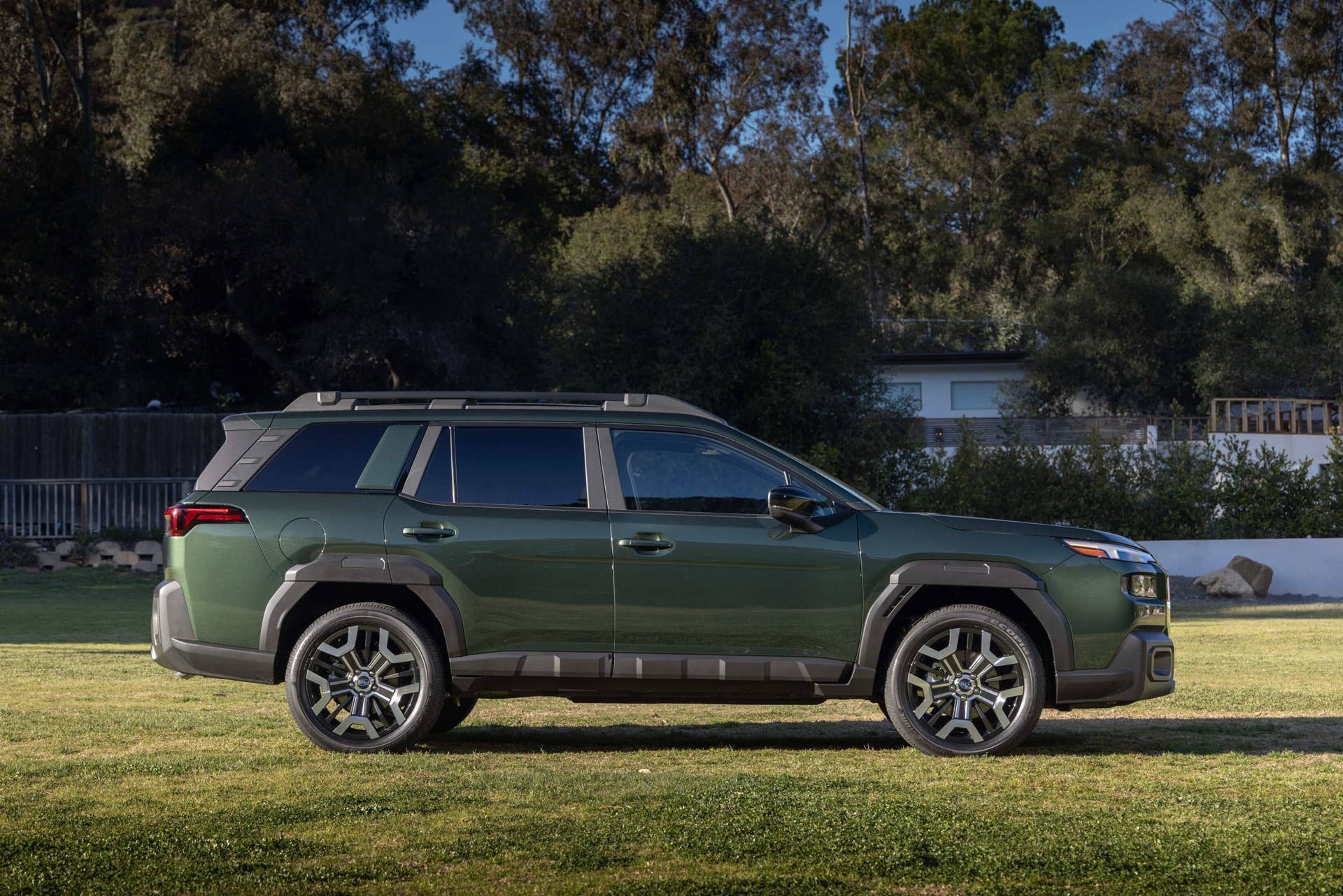
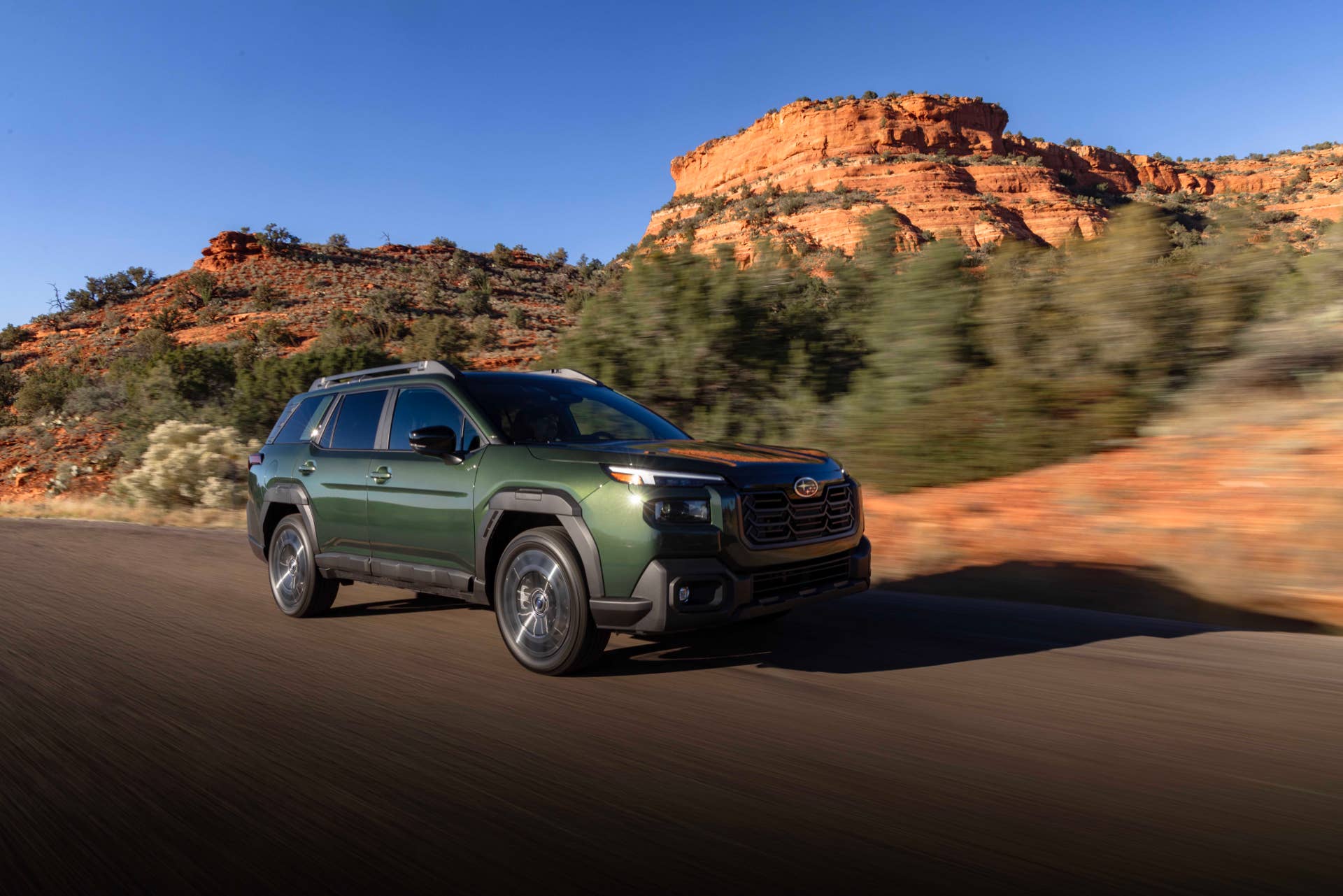
The Outback is positioned as something more versatile. The 2026 redesign gave it a larger cabin, an entirely new infotainment system, and an available turbocharged engine the Forester cannot match at any price. It is the vehicle for buyers who want Subaru’s all-weather credentials in a larger, more capable package and who regularly use their vehicle for more than the daily commute.
Size: Bigger Isn’t Always Better, But Sometimes It Just Is
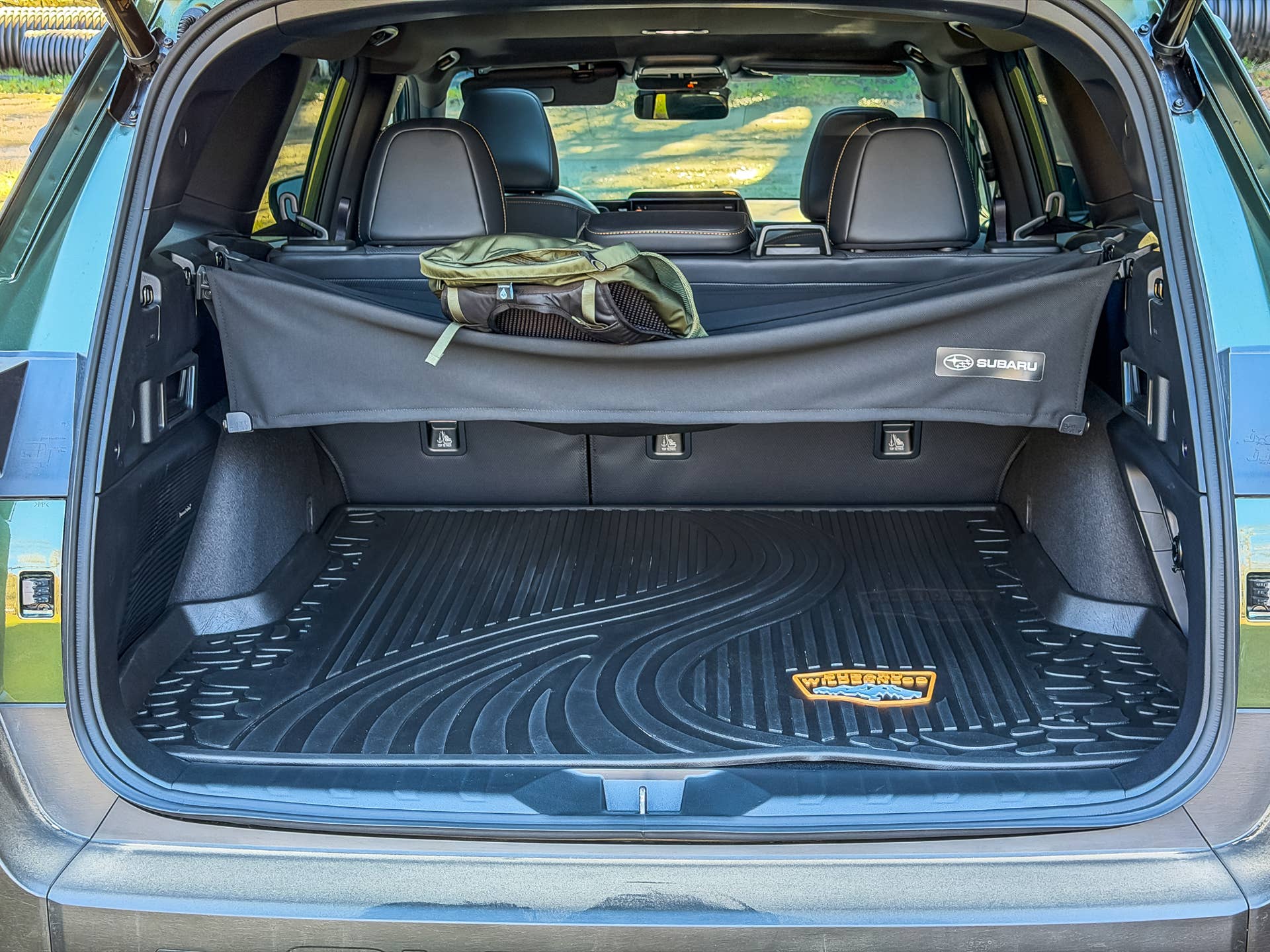
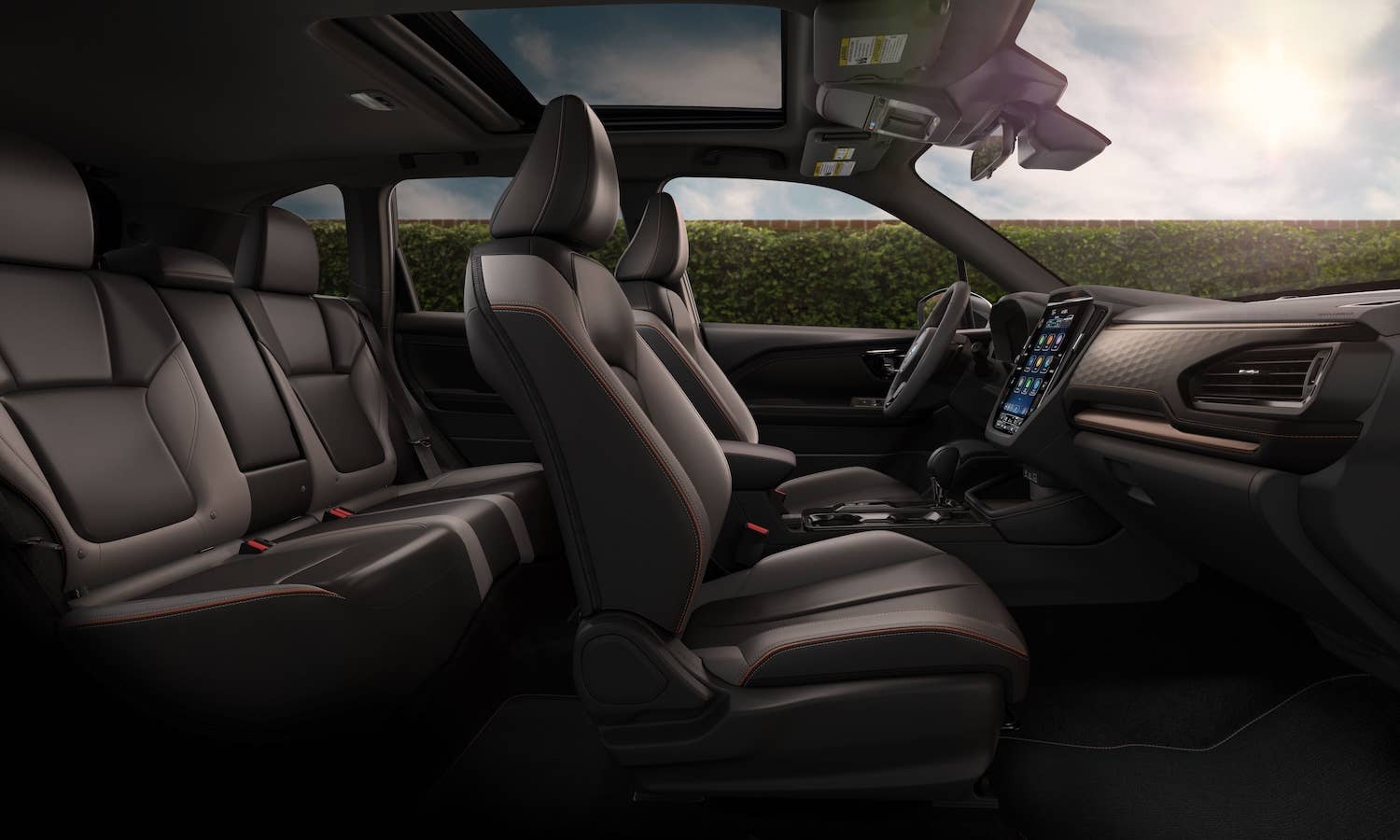
The Outback’s cargo advantage is the most tangible size difference: 34.6 cubic feet behind the rear seats (80.5 folded) against the Forester’s 27.5 (69.1 folded). It also has a wider load floor and lower liftover height, which matters when loading heavy gear at the end of a long day.
The Forester’s more upright hatch and boxy geometry make vertical stacking easier and car seat installation considerably less awkward, and its shorter 105.1-inch wheelbase threads tight parking structures with noticeably less effort than the Outback’s 108.1.
Chase Bierenkoven

Subaru
Powertrain: One Has a Ceiling, One Doesn’t
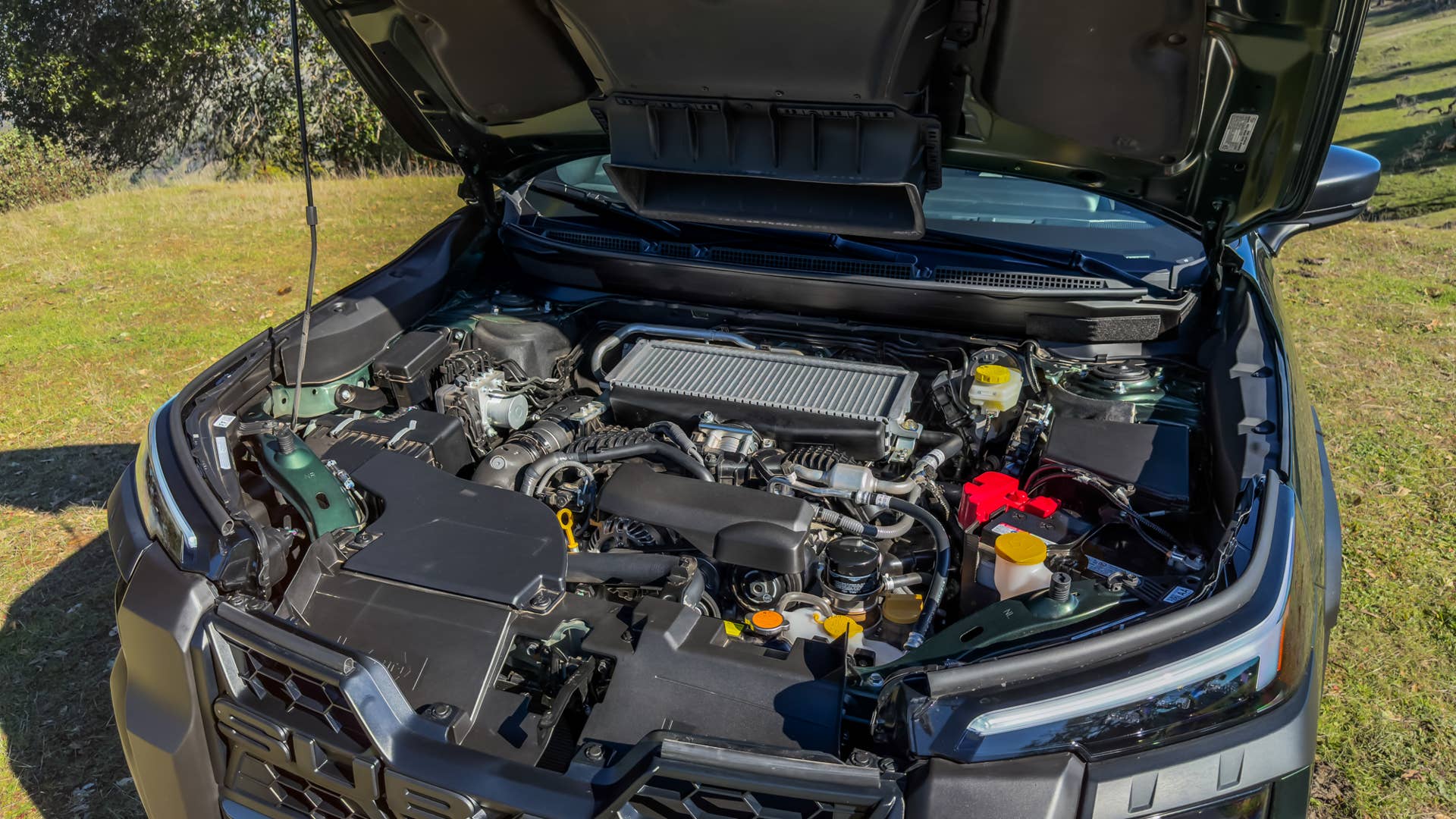
The shared 2.5-litre base engine is adequate for commuting in either vehicle, though neither is quick. The Forester reaches 60 mph in roughly 8.3 to 9.2 seconds depending on trim. The more significant difference lies in what the Outback offers above that baseline. The Limited XT, Touring XT, and Wilderness trims come standard with a turbocharged 2.4-litre boxer four producing 260 horsepower and 277 lb-ft of torque, which makes a genuine difference on highway merges and raises the towing capacity to 3,500 pounds, bringing small boats and loaded trailers into practical reach. The Forester has no turbocharged option at any price, and in 2026 that is starting to feel like a gap Subaru will eventually need to address.
Chase Bierenkoven
The fuel economy advantage the Forester carries is real, though it varies significantly by trim. On base engines, the EPA rates the Forester at 26/33 mpg city/highway (29 mpg combined) against the Outback’s 25/31 mpg city/highway (27 mpg combined) — a 2 mpg gap worth roughly $150 per year in annual fuel costs ($2,050 vs $2,200 at EPA standard mileage).
The Wilderness comparison is more pronounced: the Forester Wilderness returns 24/28 mpg city/highway against the Outback Wilderness’s 21/27 mpg city/highway, a difference the EPA prices at $300 annually ($2,300 vs $2,600). Factor in smaller, cheaper replacement tires and typically lower insurance premiums, and the real-world ownership cost difference is meaningfully wider than the MSRP figures suggest.
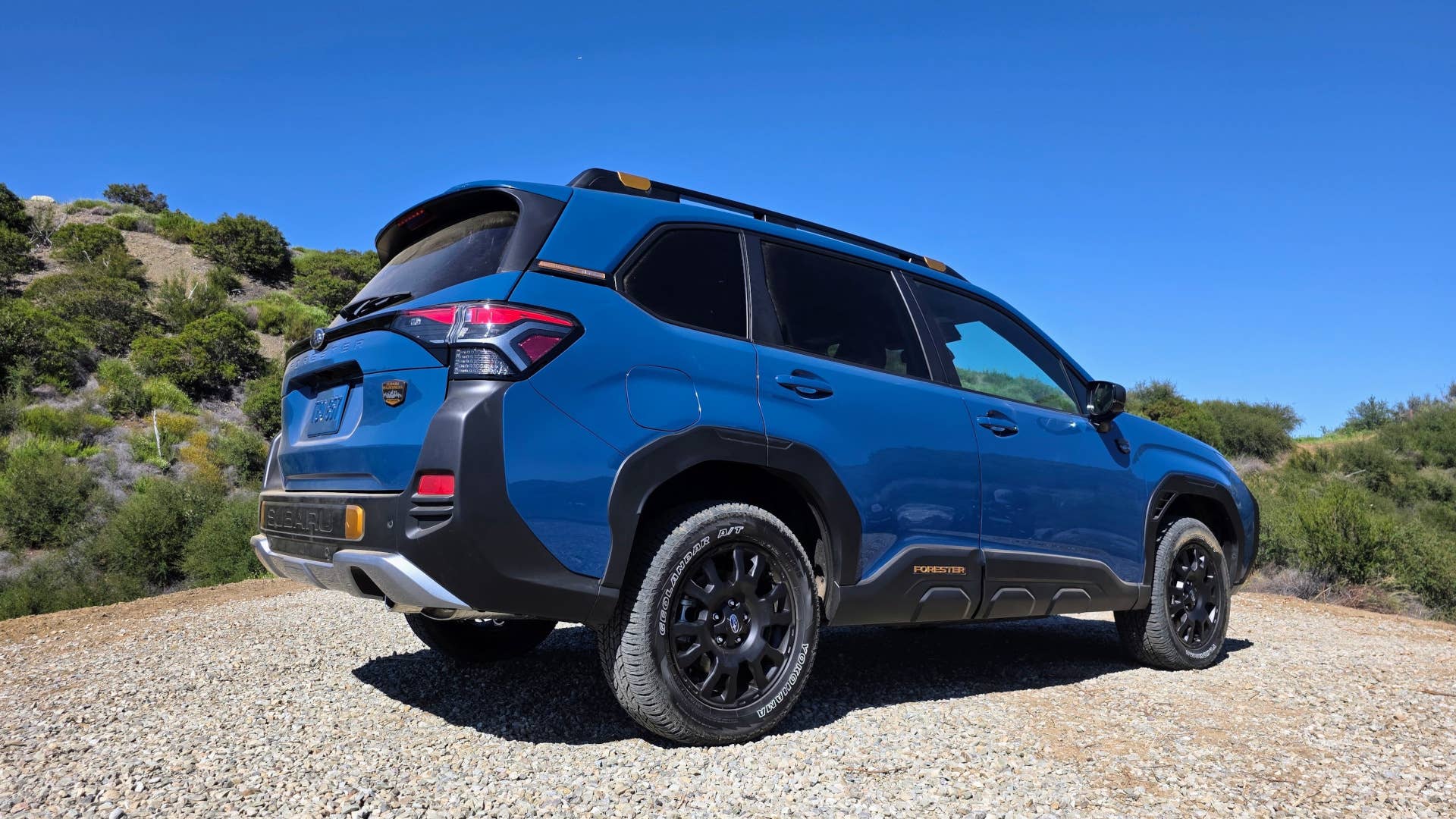
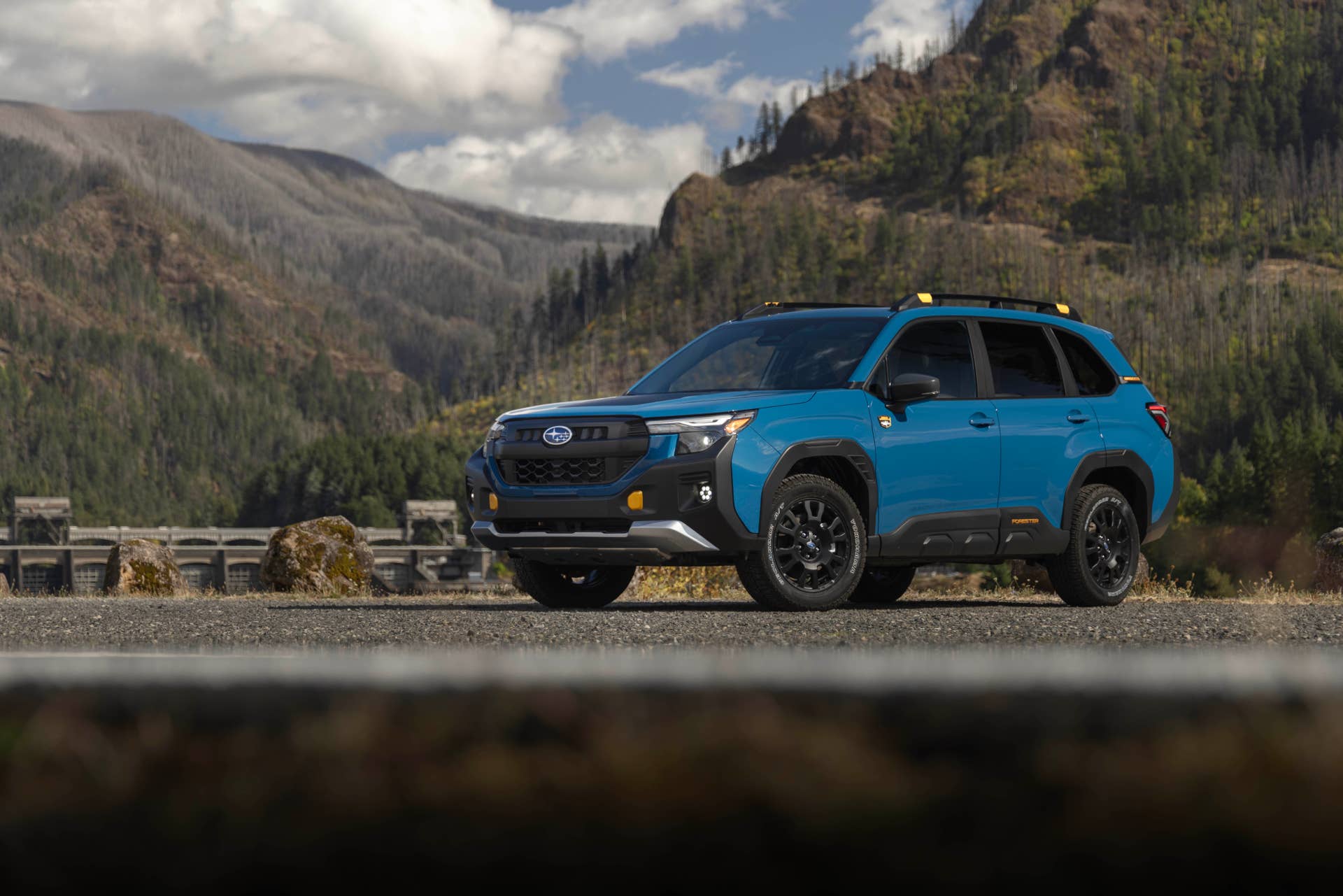
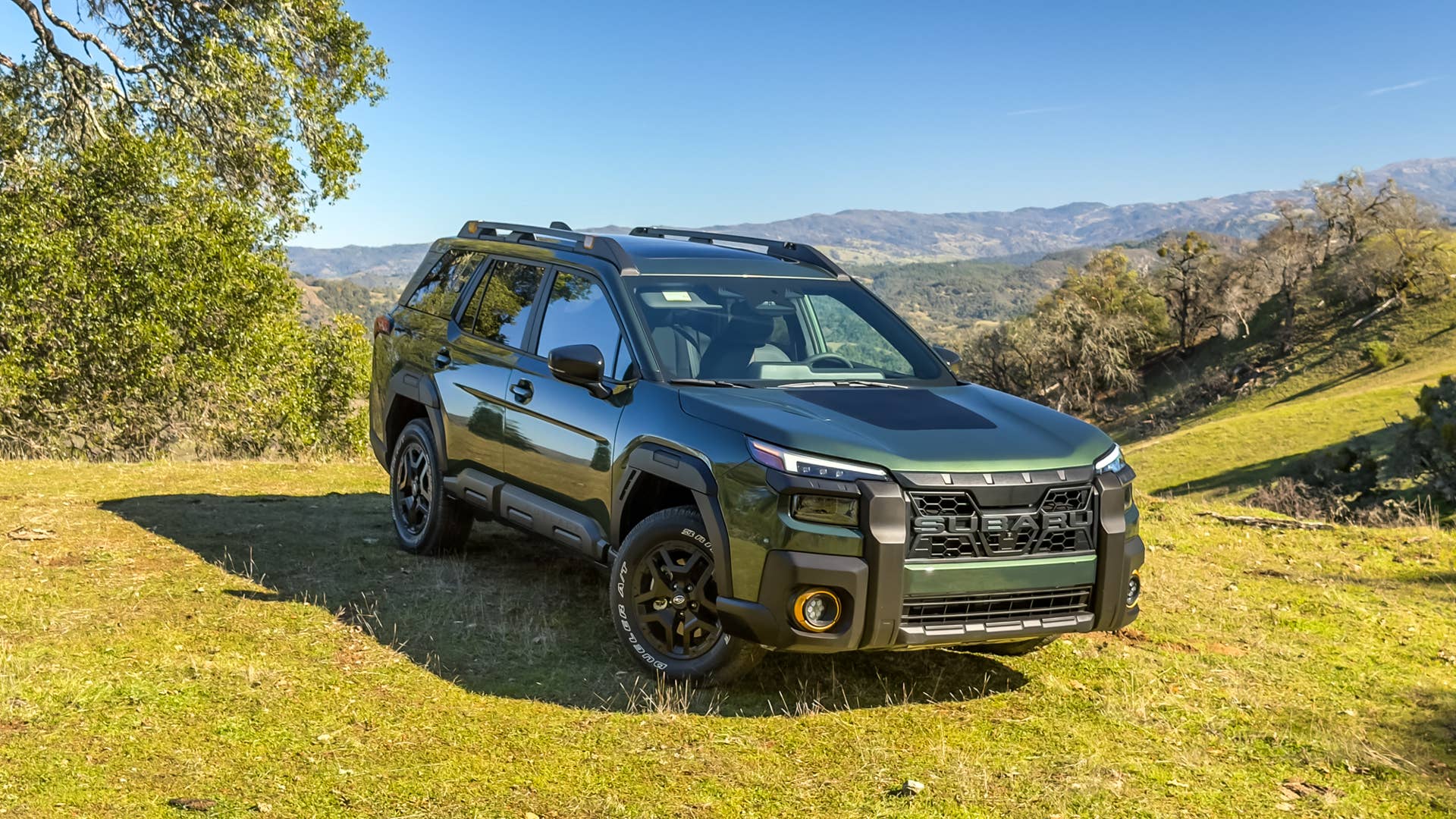
Both Wilderness trims are credible off-road performers: all-terrain tires, increased ground clearance, and dual-function X-MODE are standard on each. The Outback Wilderness reaches 9.5 inches of clearance and gains electronically controlled dampers new for 2026, improving both trail capability and on-road composure. The Forester Wilderness sits at 9.3 inches and compensates with the inherent advantage of a shorter, lighter vehicle on the same all-terrain tires — one that is easier to place accurately on a narrow trail and demands less from the driver on technical terrain. The Outback Wilderness is the better choice for buyers who tow gear to a trailhead; the Forester Wilderness suits buyers who want a capable, lower-stress vehicle for rougher roads and fire tracks without the added weight and running costs of the larger platform.
Kyle Edward/Autoblog
Interior Tech: Subaru’s Best-Seller Showed Up a Generation Late
This is where the 2026 comparison becomes most significant, and where the timing matters most. Subaru’s best-selling SUV arrived at its own redesign year already trailing its sibling by a full generation in cabin technology, and that gap is not a small one.
Chase Bierenkoven
Chase Bierenkoven
Chase Bierenkoven
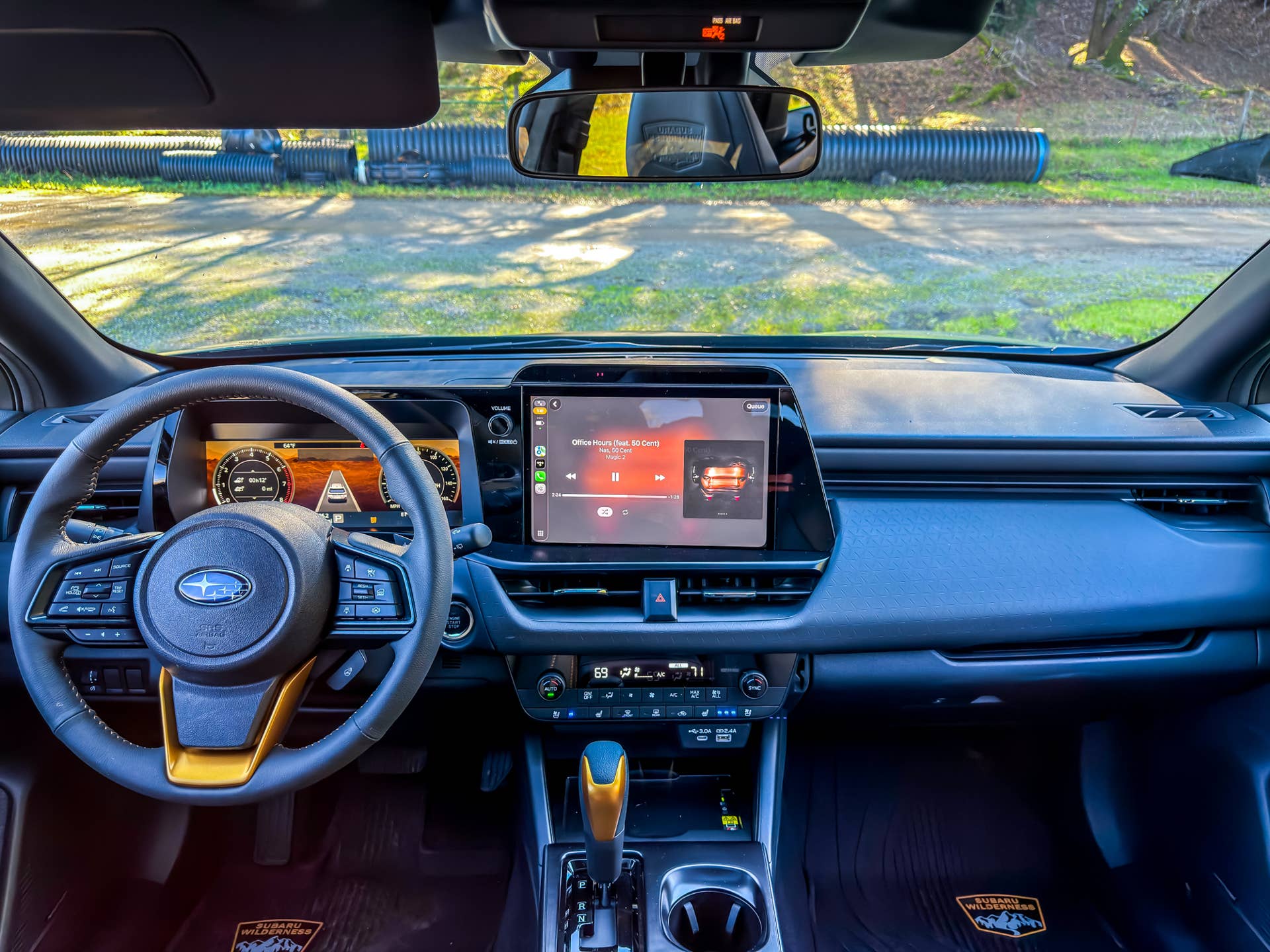
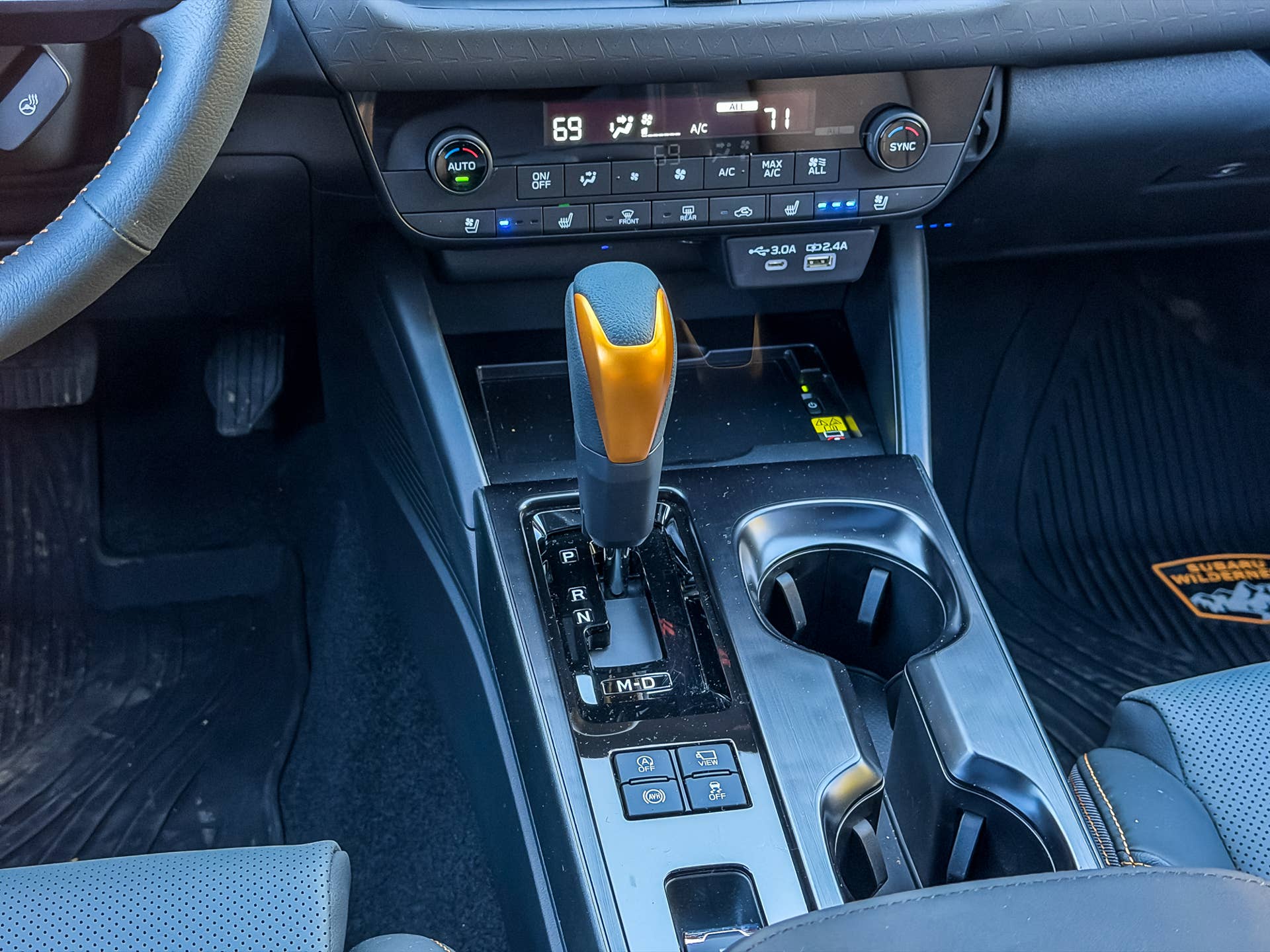
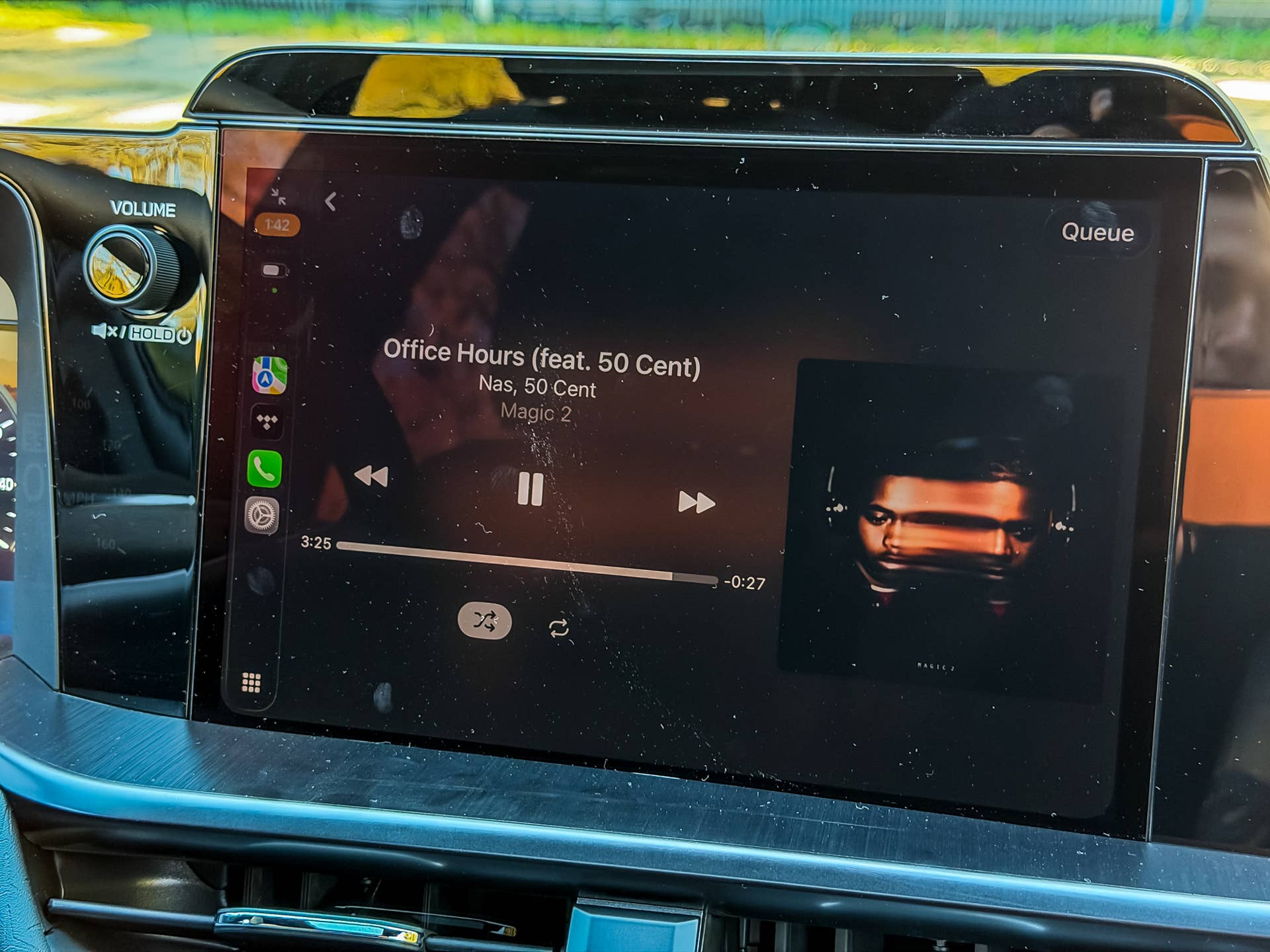
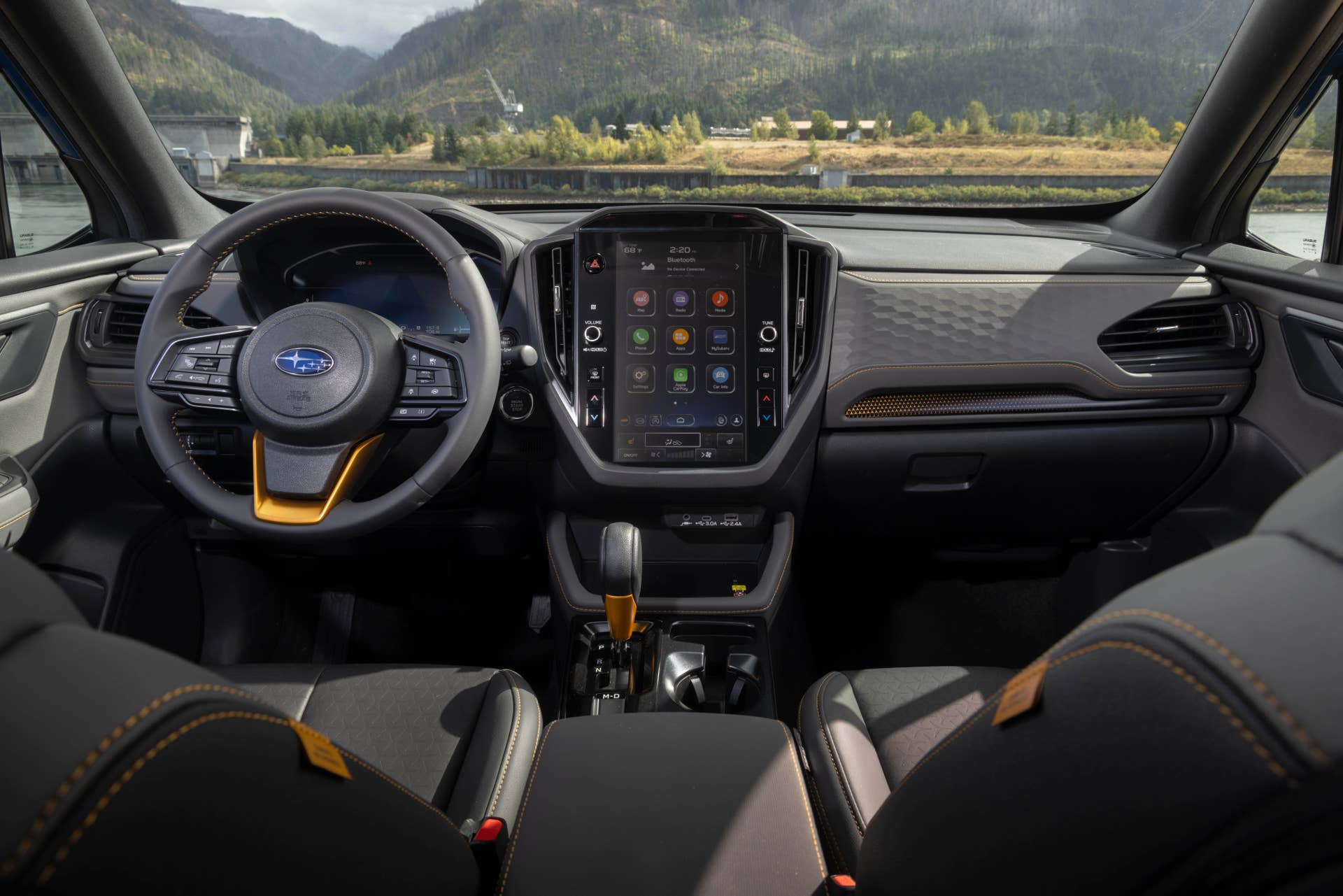
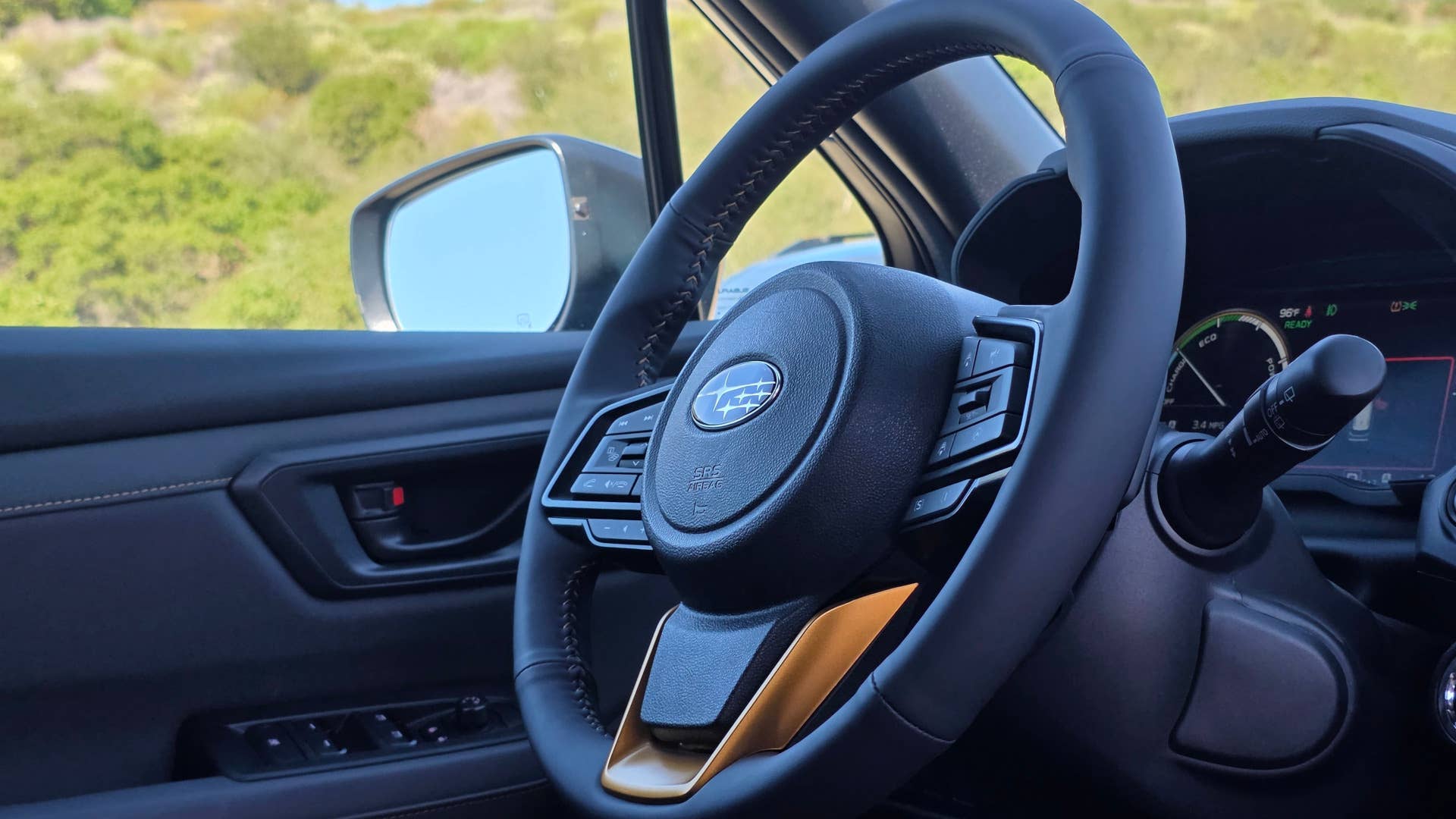
The Outback’s complete interior overhaul brought a 12.1-inch touchscreen with responsive inputs, wireless Apple CarPlay and Android Auto, a 12.3-inch digital instrument cluster, and dedicated physical controls for the climate system, fixing one of the most persistent complaints about the previous generation. The Forester, despite its own 2025 redesign, carries forward the previous-generation 11.6-inch vertically oriented touchscreen, which buries most functions including climate controls behind touch inputs and is known for sluggish response during cold starts. Placed side by side, the gap isn’t subtle — it’s generational. Subaru’s highest-volume model effectively launched a step behind its own lineup.
The Forester’s interior has genuine strengths. StarTex water-resistant upholstery handles the wear of children and dogs without much concern, the seating position offers strong visibility from all angles, and the upright door openings make rear seat access easier than in most crossovers. The Outback’s cabin is more refined, but the Forester’s is arguably more practical for buyers who intend to use it hard. That said, as the Outback’s system matures through software updates, the Forester’s tech disadvantage will only compound.
Subaru
Subaru
Kyle Edward/Autoblog
Cost: The Gap Is Bigger Than the Sticker Suggests
The Forester undercuts the Outback at every comparable trim level. The base-to-base gap is approximately $5,000, and the Wilderness-to-Wilderness spread reaches $6,610, reflecting the Outback’s turbo engine and electronically controlled dampers. The Outback Limited XT at $44,365 represents the strongest value in the lineup, combining turbocharged power, leather, a surround-view camera, and the full redesigned technology suite for under $45,000.
Beyond the sticker, the Forester’s cost advantage continues to build. On base trims, the EPA’s annual fuel cost difference is $150 ($2,050 vs $2,200) — modest in isolation, but the Wilderness gap jumps to $300 per year ($2,300 vs $2,600), which over five years adds $1,500 to an already $6,610 purchase price spread. Smaller tires and lower insurance premiums widen it further.
Which One Is for You
| Buy the Outback if… | Buy the Forester if… | |
| Passengers & cargo | You regularly carry five people or a full load of gear | Two or three people, and your gear fits in a hiking pack |
| Towing | You pull a trailer or small boat | You don’t tow |
| Tech | Current infotainment matters to you | You can live with the previous generation |
| Performance | You want the turbo option | The base engine is enough |
| Budget | You can absorb $5–6k more upfront | You’d rather keep that money |
| Off-road | You drive to the trailhead loaded | You want a lighter, more nimble rig on the trail itself |
| City use | Fine with a slightly larger footprint | Tight streets and car parks are a daily reality |
The Outback is the stronger vehicle by most measurable criteria. But the Forester at $29,995 — or $38,385 in Wilderness trim — covers the vast majority of what most buyers actually need, in a more efficient, more manageable package. The Outback wins on capability. The Forester wins on reality.
Cole Attisha
Chase Bierenkoven
About the author

Adam Lynton
Co-Editor-in-Chief, Autoblog