
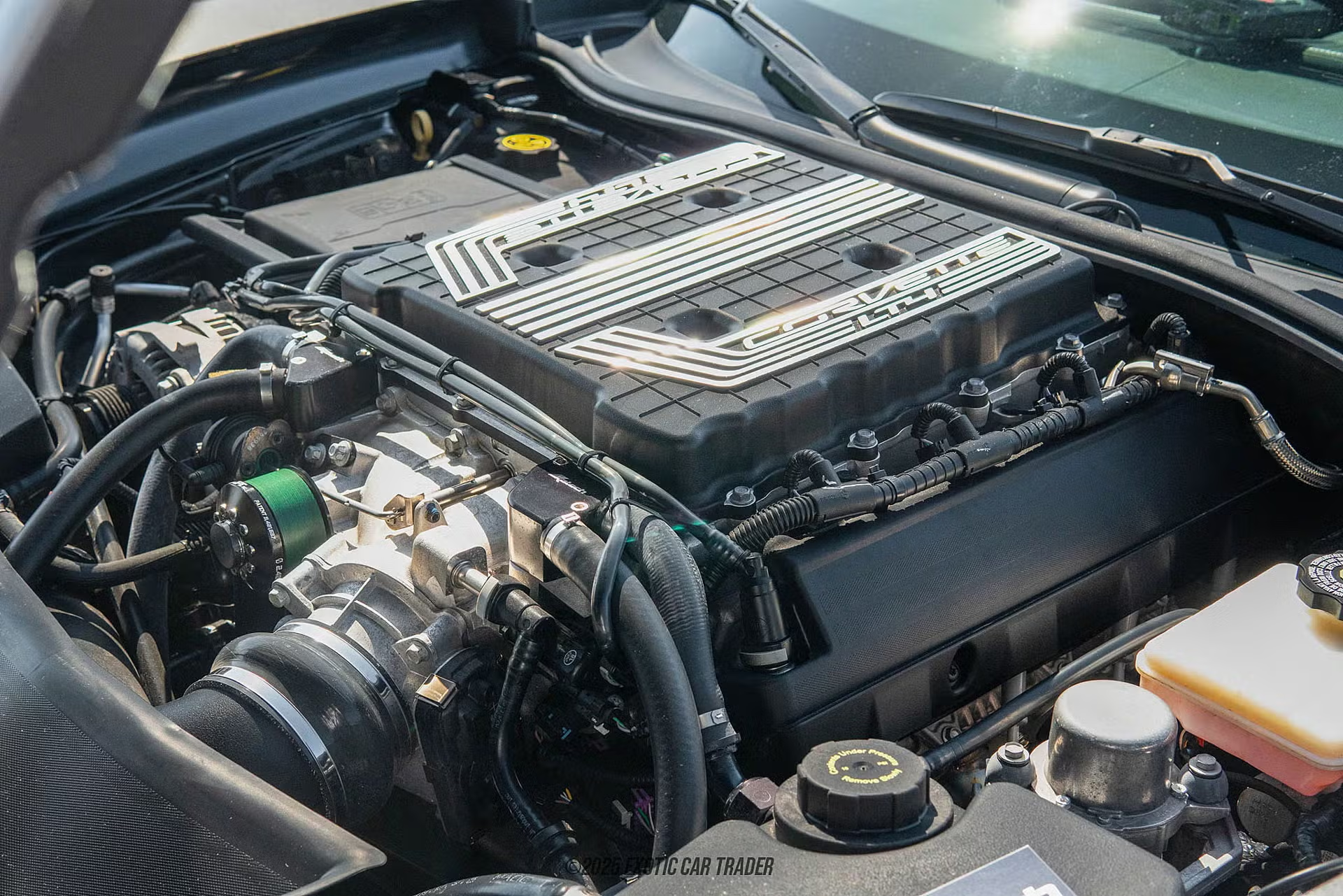
When GM unveiled the LT4 engine in 2015, it wasn’t just a power upgrade over its predecessor, it was a technological leap ahead. Displacing 6.2-liters and fitted with a newly developed Eaton supercharger, the LT4 was well-placed to replace the legendary LS9 and help GM’s best sports cars take on the world.
While some purists wondered if it could fill such large shoes, this supercharged LT4 V8 motor quickly proved itself in a variety of high-performance applications. We will cover everything you need to know about this awesome powerhouse right here.
The Evolution of the LT4
Chevrolet
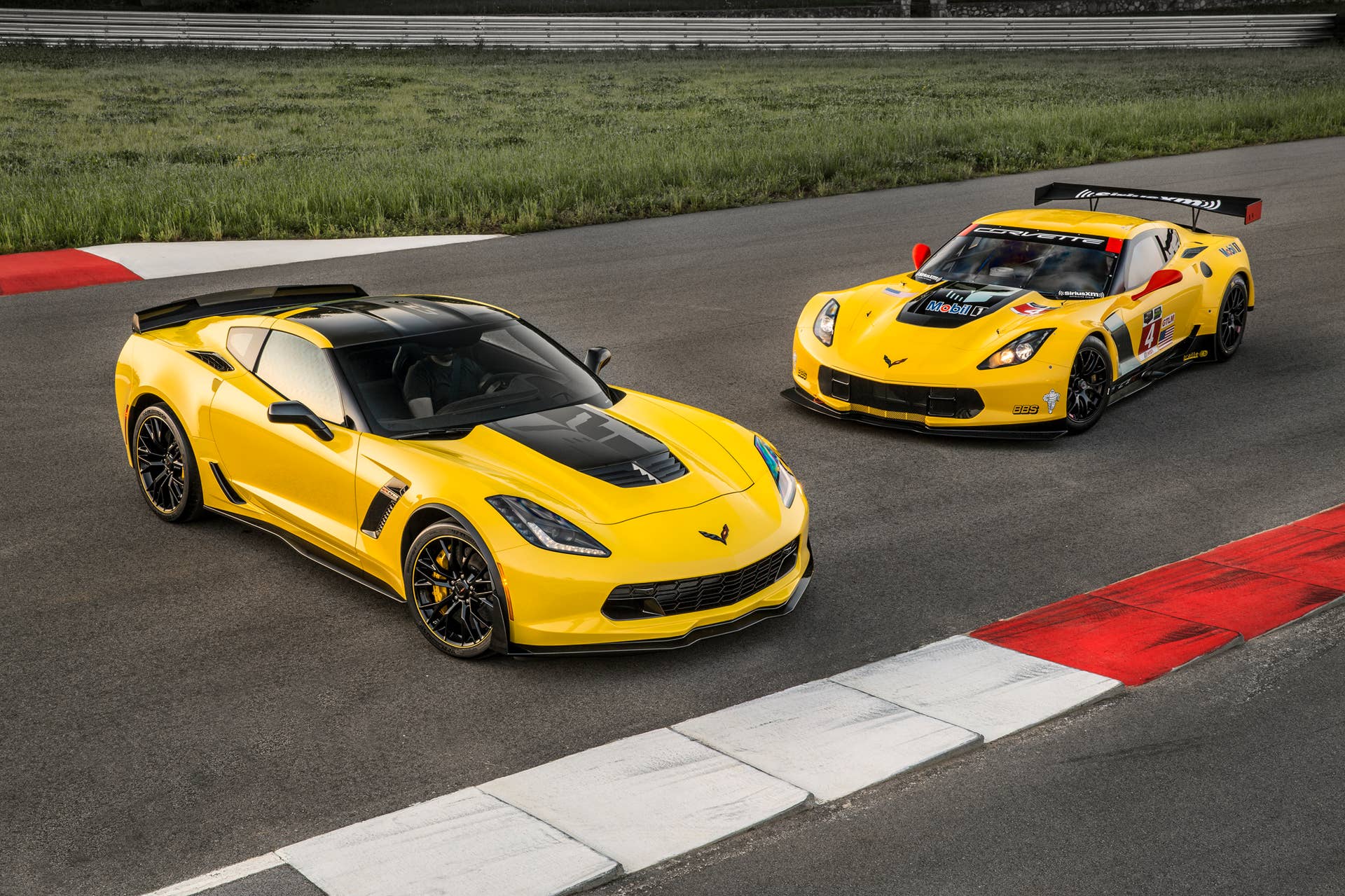
The LT4 engine has been in production since 2015, and during this time it has gone through several upgrades and has been fitted to several of GM’s top-tier offerings. Below are some of the highlights:
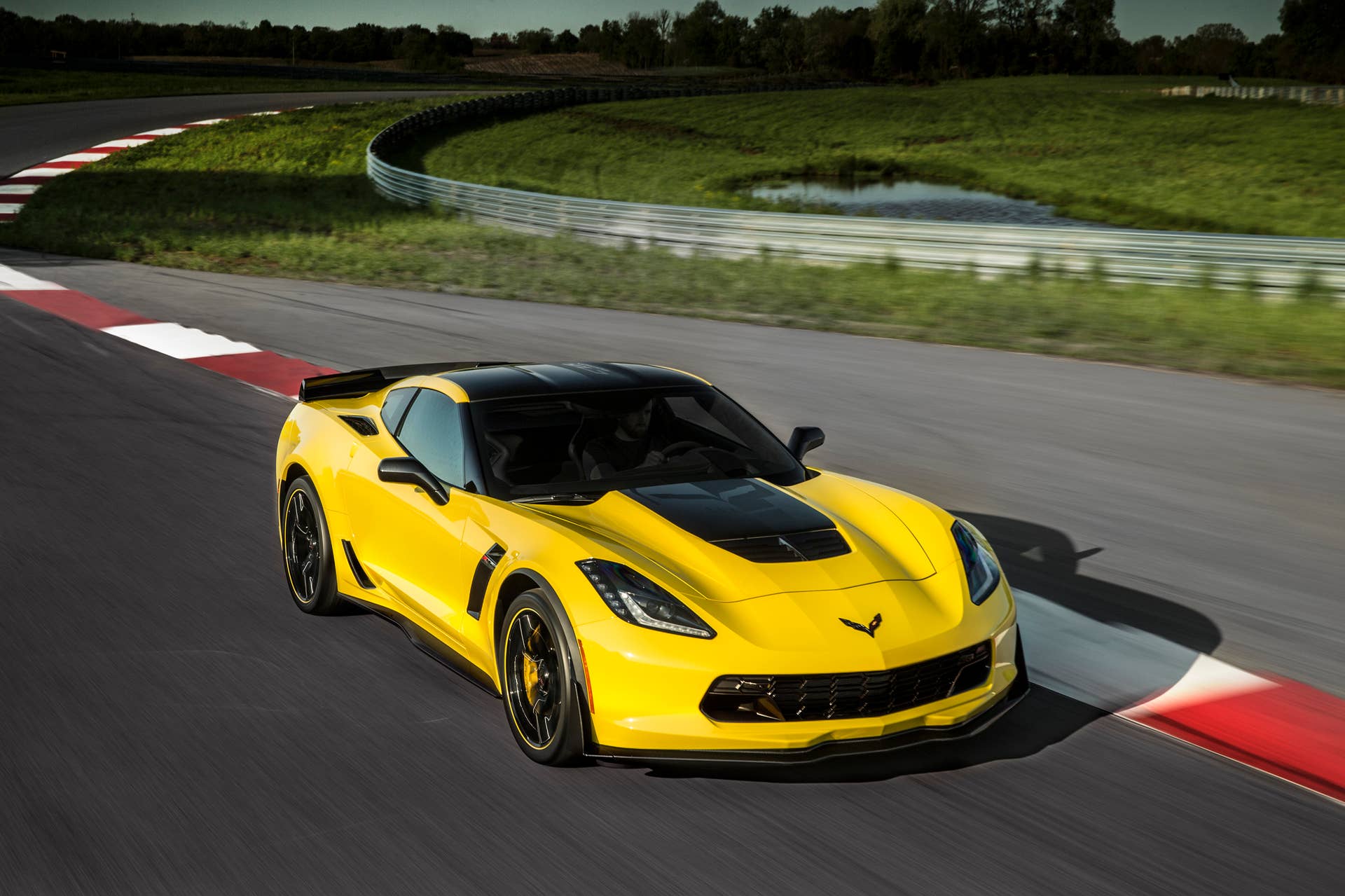
- 2015: The Chevy LT4 engine debuts in the Corvette Z06, featuring a 1.7L Eaton supercharger and a compact design to fit under the sleek hood.
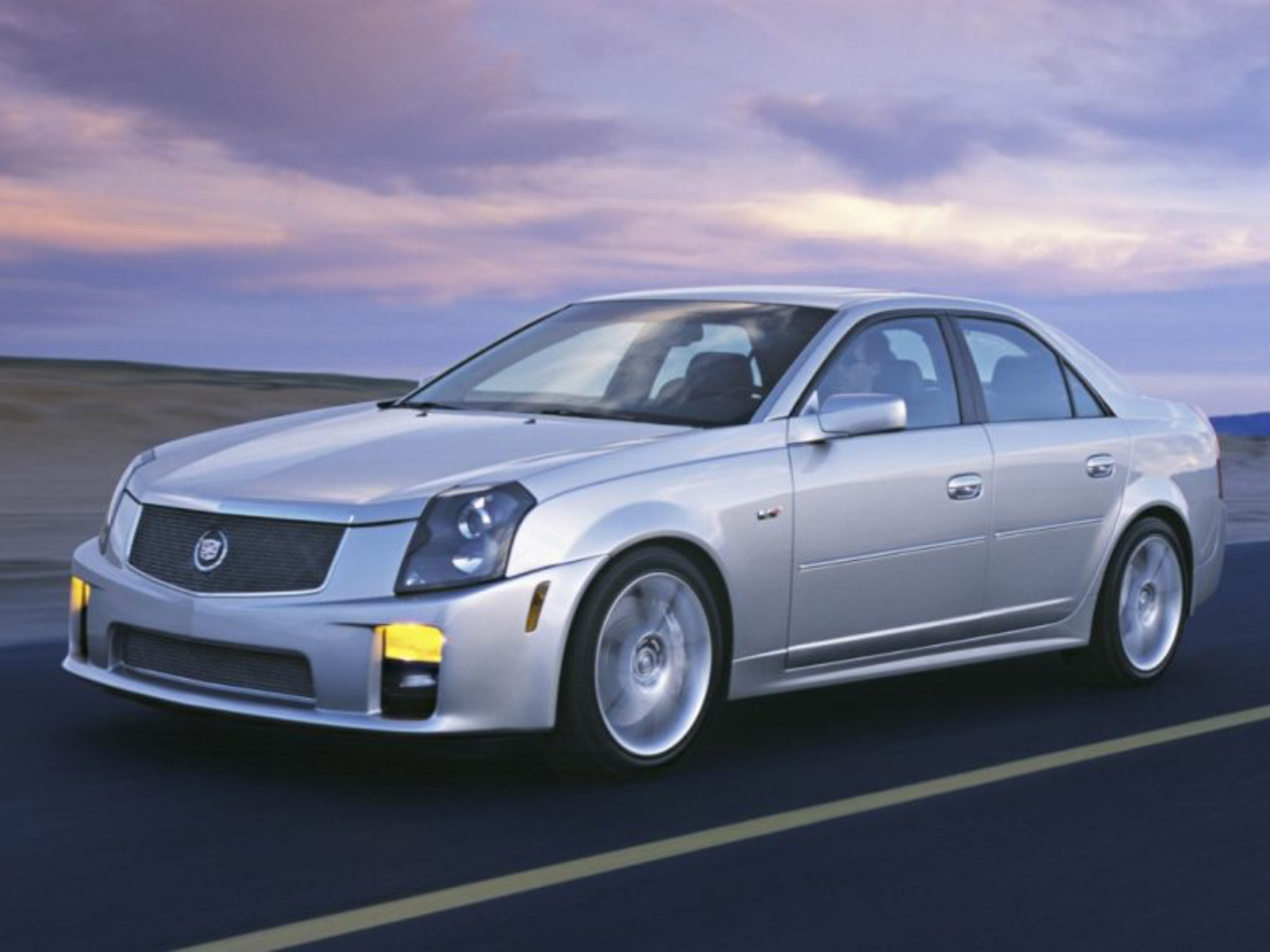
- 2016: The engine makes its way into the Cadillac CTS-V, proving that a luxury sedan could handle 600+ horsepower with the right engineering.
- 2017: GM updates the cooling bricks within the supercharger housing to address heat soak issues during extended track sessions.
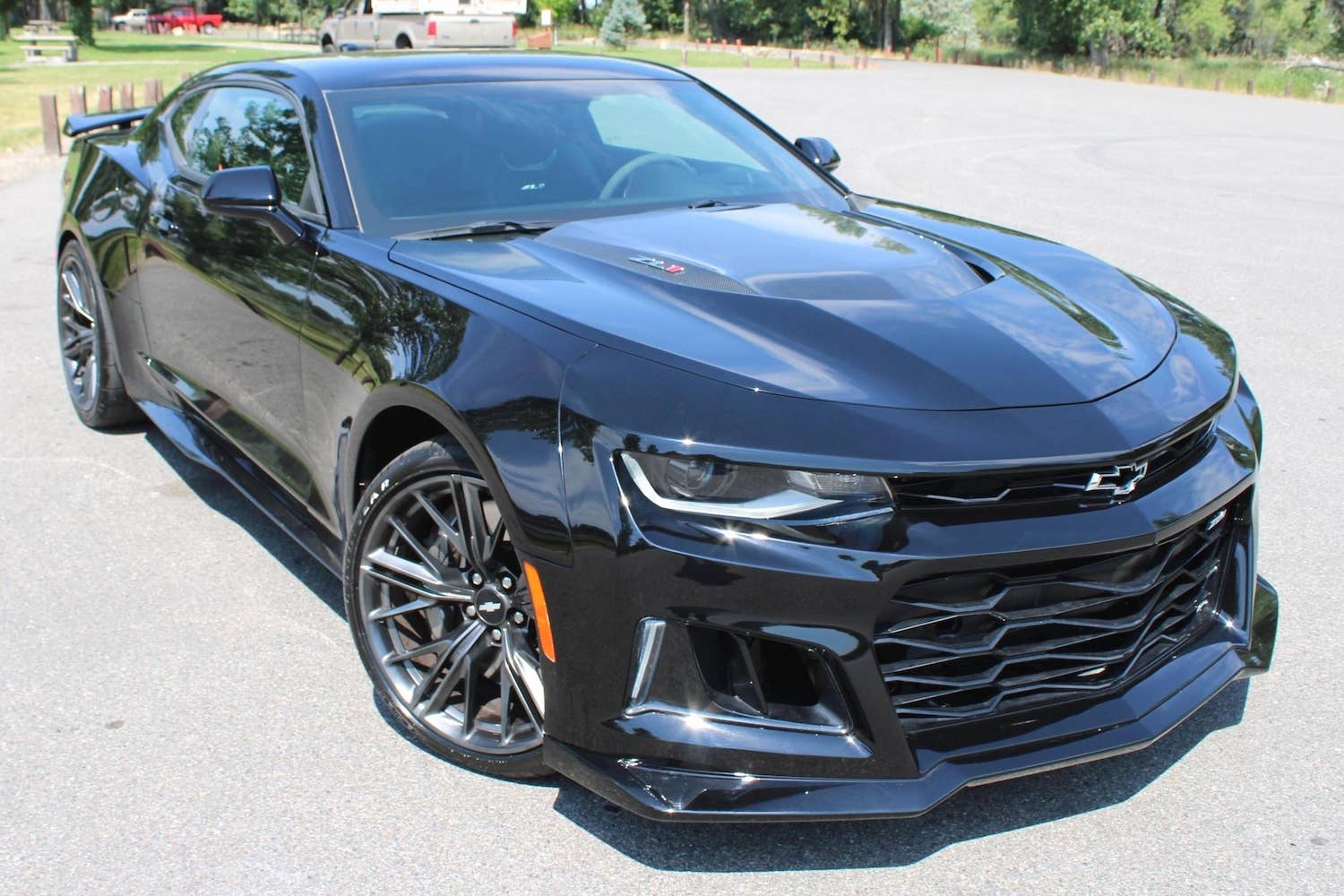
- 2018: The LT4 finds a home in the Camaro ZL1, solidifying its place as the heart of Chevy’s most capable pony car ever.
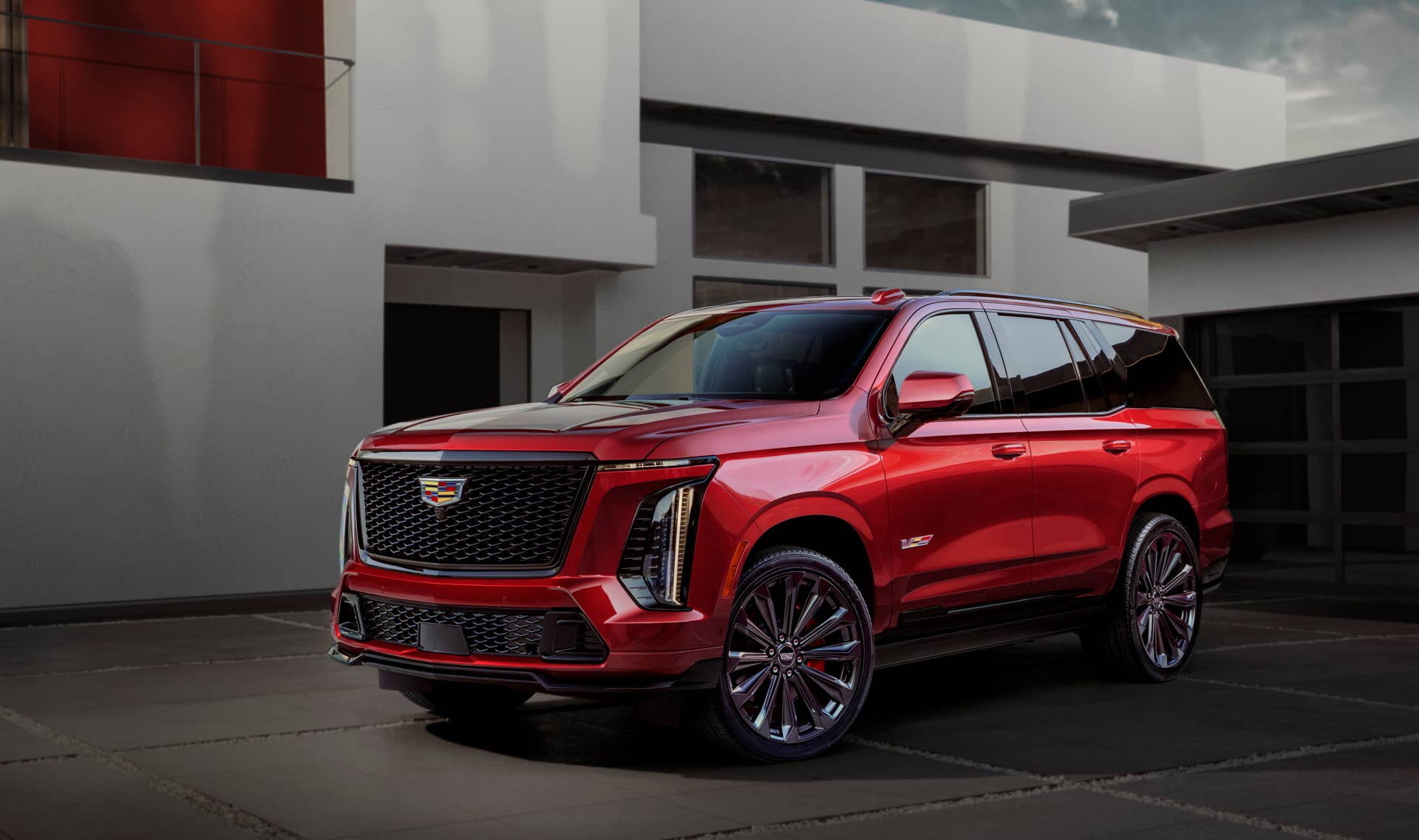
- 2023: The engine sees its final factory implementation in the Escalade-V, pushed to its highest factory output yet.
- 2026: The LT4 remains in production, powering the Escalade-V and CT5-V Blackwing.
Digging into the Details
Cars & Bids
| LS4 Engine Specifications: | |
| Engine Capacity | 6.2 Liters |
| Power | 640-682 hp |
| Torque | 630-653 lb-ft |
| Oil System | Dry sump with variable-pressure pump |
| Valvetrain | Overhead valve (OHV), two valves per cylinder |
| Supercharger Type | Eaton 1.7L-2.65L TVS (with four-lobe rotors) |
| Max RPM | 6600 rpm |
One of the most common questions enthusiasts ask is: How much horsepower does an LT4 make? The answer depends on the vehicle it is fitted to. In the Corvette Z06 and Camaro ZL1, the supercharged LT4 produced 650 hp with a matching 650 lb-ft of torque. In the Cadillac CTS-V, it was detuned ever so slightly to 640 hp, while the heavyweight Escalade-V SUV utilizes a larger 2.65L supercharger to churn out a massive 682 hp.
Despite its massive outputs, like the LS9 before it, the LS4 is still a small block motor. And while it has some advanced engineering solutions, it still uses a compact overhead valve (pushrod) layout that allows it to produce massive power without the physical footprint of a big-block engine. Upgrades over the LT9 include a continuously variable cam timing, a higher compression ratio, dual pressure oil pump, active fuel management, direct injection, and a smaller but more responsive supercharger.
The design allows for incredible low-end torque, better fuel economy, and more compact dimensions. It is also extremely reliable for a forced-induction engine, although the LS9 is known for its durable nature as well.
Chevrolet
But even the best engines aren’t always perfect, and early LT4 engines suffered from heat soak, resulting in noticeable performance drop-off when hot. And when it comes to tuning, the direct injection system can be more complex to modify than older port-injection setups. That doesn’t mean the LT4 isn’t a great base for modders, as it features forged aluminum pistons and high-strength aluminum cylinder heads that can handle significantly more boost than the stock pulley provides. Simple bolt-on mods like a smaller pulley, headers, and an intake can easily push this engine past the 750-hp mark.
Enthusiasts will probably debate about the merits of the LS9 vs. the LT4, and both have their plus points. The LS9 offers better cooling in stock form, seriously strong forged internals, and a simpler port injection setup that is easier to tune. However, the LT4 delivers more power and torque in stock form despite its smaller supercharger and is even more potent low-down in the rev range. The comparison may rage on for years, but the truth is that both are overengineered and capable of producing super car levels of power with minimal mods.
Iconic Vehicles Powered by the LT4
Cadillac

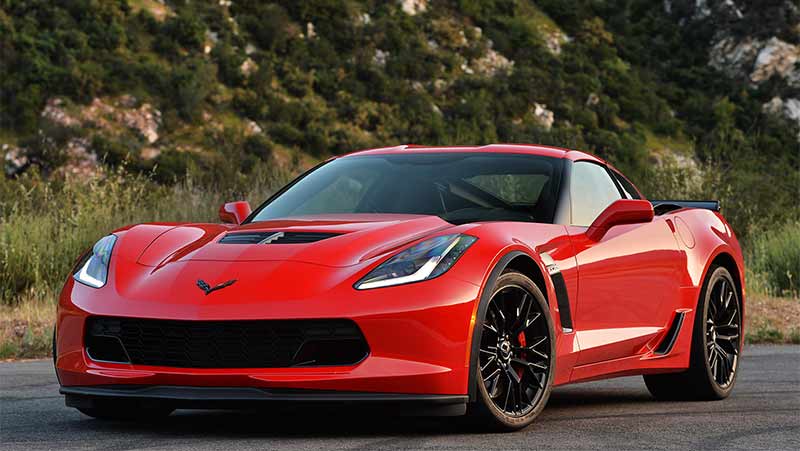
The versatility of the LT4 meant that it was used as the powerplant of choice for vehicles as diverse as the C7 Corvette Z06 and the Cadillac Escalade-V. It also gave the Cadillac CTS-V and CT5-V Blackwing the firepower to take on the most powerful German super sedans. It allowed the Camaro ZL1 to make the most of its great chassis, setting lap times around the world’s racing circuits that rivaled supercars.
The Legacy of the LT4
Clive Sutton
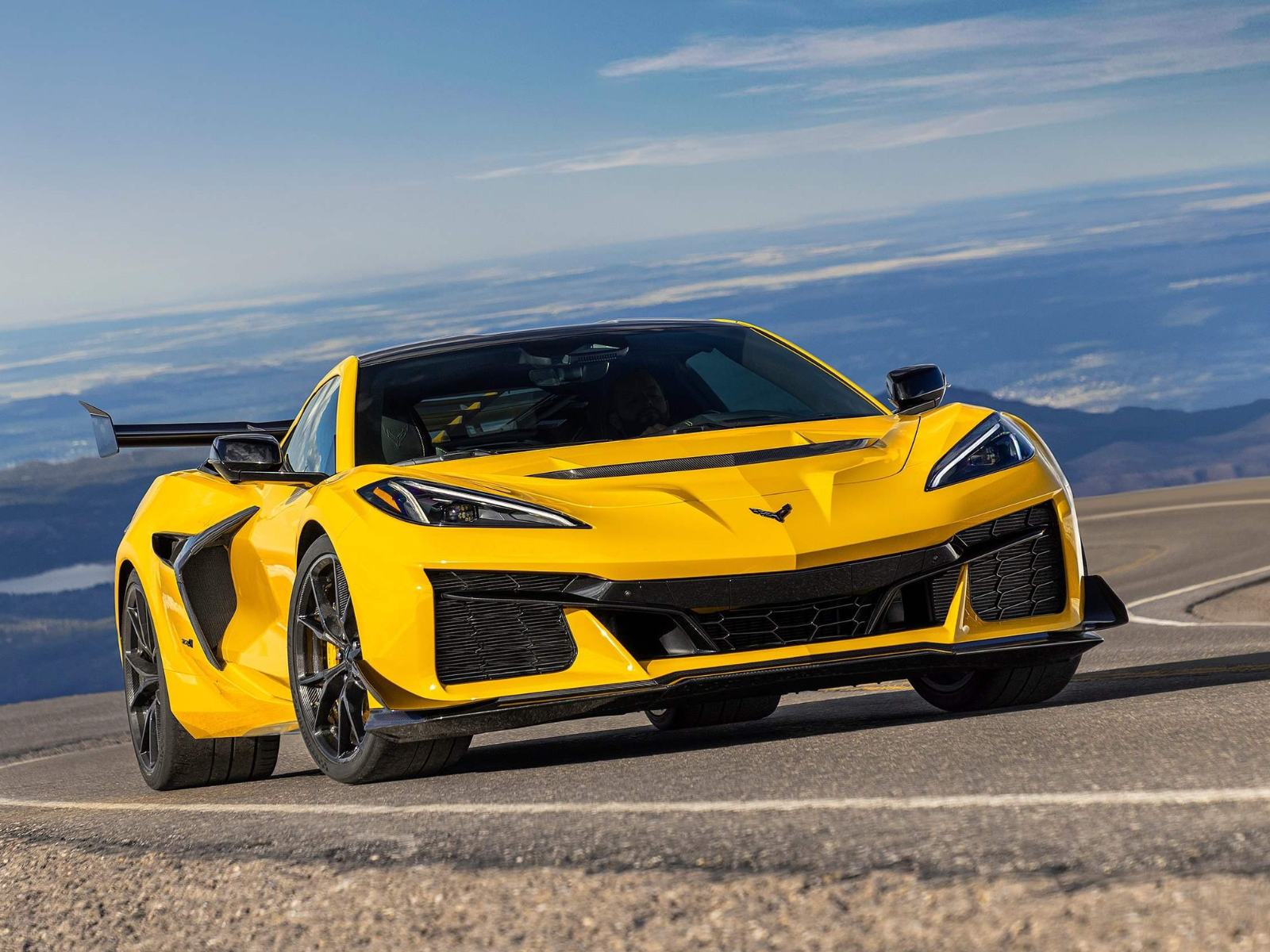
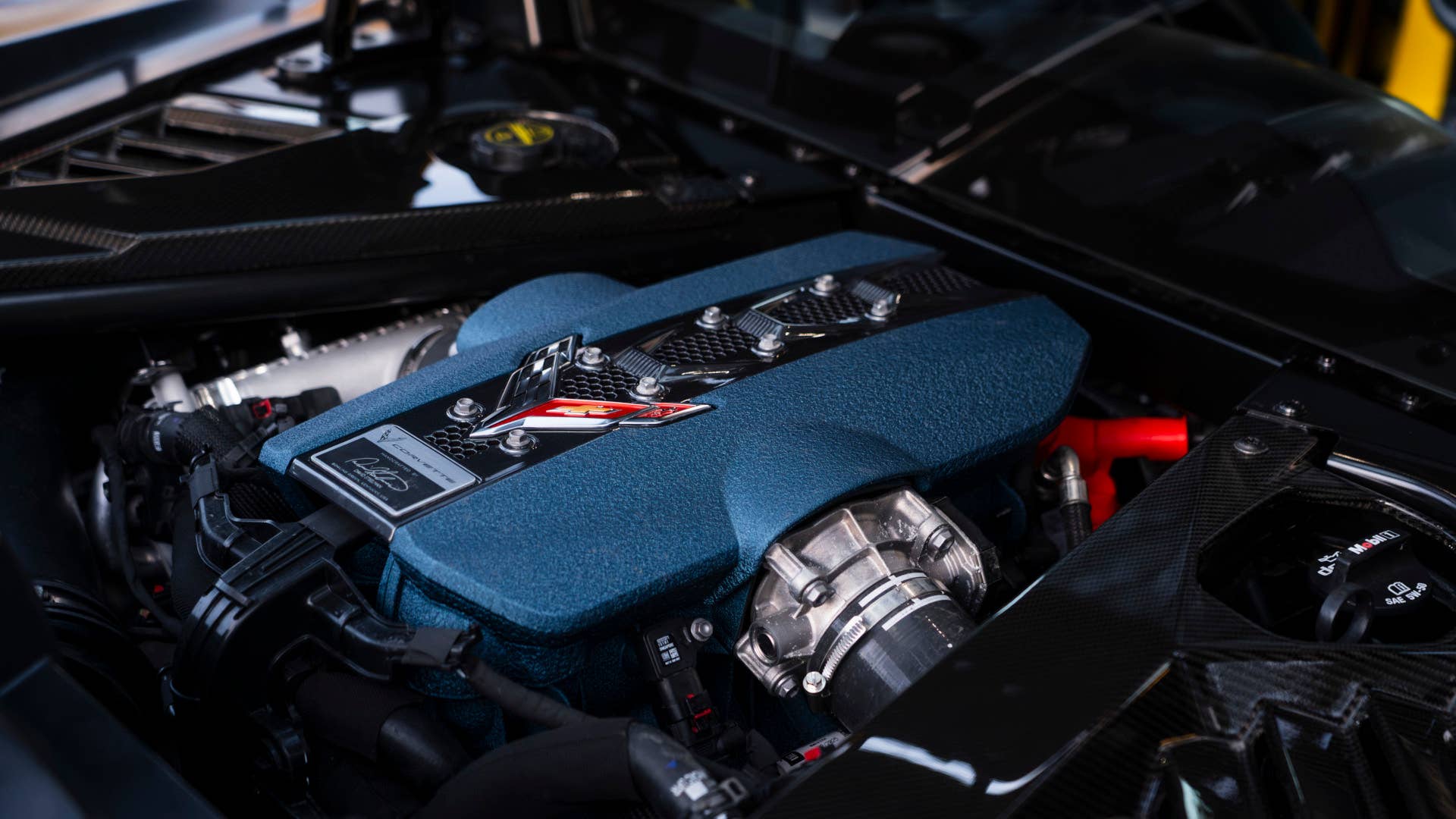
The GM LT4 engine’s time is not over just yet, but it won’t be around for much longer. What it has already done is leave an indelible mark on the motoring world by proving that a pushrod V8 could still compete with the most advanced overhead-cam engines in the world. It bridged the gap between raw muscle and modern refinement. As GM moves toward better efficiency and even higher performance, the LT4 has been succeeded by the LT6 for the next generation of high-performance vehicles.
The LT6 is a cutting-edge flat-plane crank 5.5-liter V8, producing 670-hp in the C8 Corvette Z06 without the aid of forced induction. The forced-induction version is called the LT7. It adds two turbos to this formula, and bumps power up to a staggering 1,064 hp. The LT4 engine’s addictive supercharger whine may not be long for this world, but it has been an awesome ride and it set the stage perfectly for GM’s latest generation of performance engines.
About the author

John Tallodi
Senior Editor