
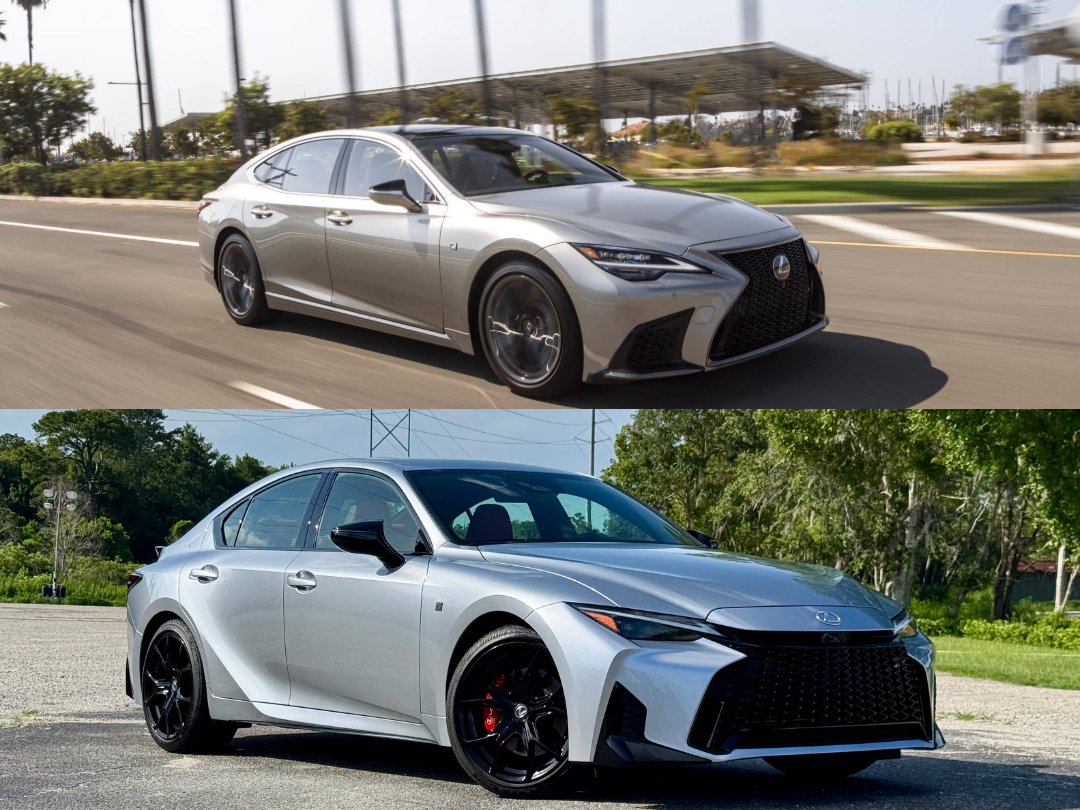
Lexus still believes in the sedan, and it sells two very different ones that share a badge and little else. The compact IS is a rear-drive sport sedan built to entertain, while the full-size LS is a flagship limousine built to pamper. They sit at opposite ends of the lineup, separated by more than $50,000, so the real question is not which is better but which one suits the life you actually lead.
Jared Rosenholtz/Autoblog
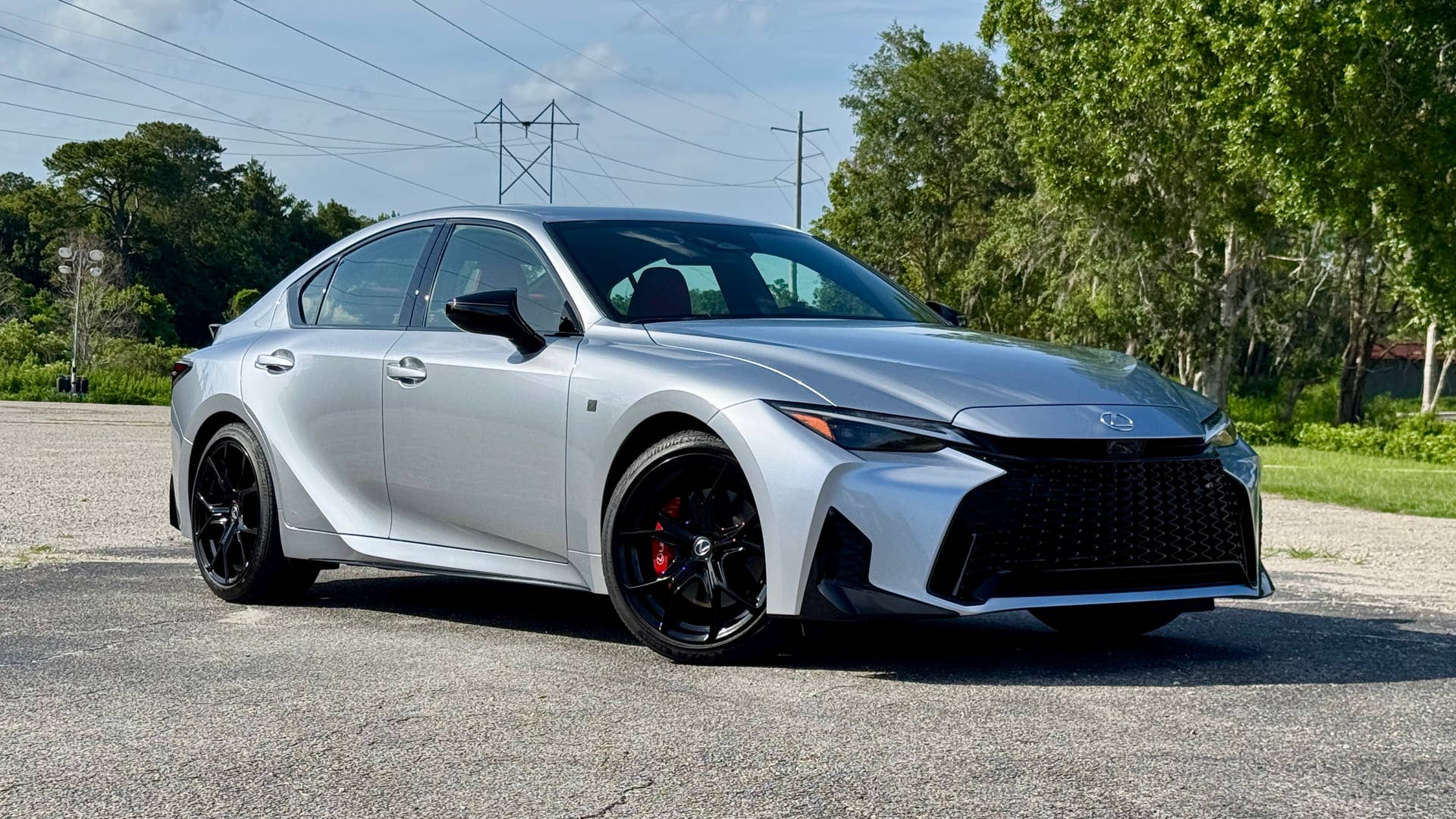
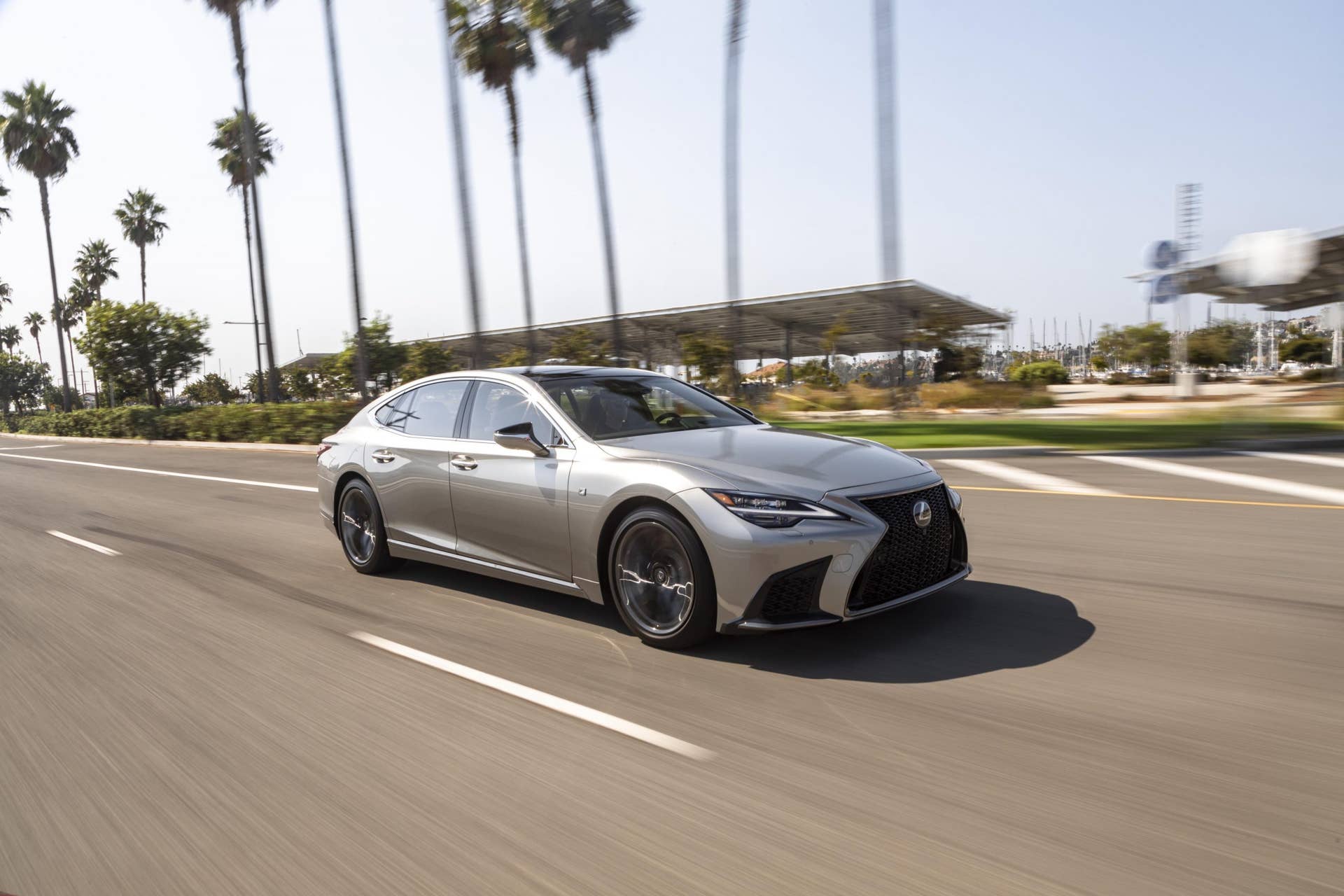
Placing the Lexus IS next to the Lexus LS is a study in contrasts, from footprint to purpose to the person each is designed for. One prizes agility and value, the other space and serenity. Here is a detailed look at how they differ and where each makes sense.
Lexus
Specs and pricing
| Specification | Lexus IS | Lexus LS |
|---|---|---|
| Class | Compact sport sedan | Full-size flagship |
| Engine | 3.5L V6 | 3.4L twin-turbo V6 |
| Power | 311 hp | 416 hp |
| Drive | Rear- or all-wheel drive | Rear- or all-wheel drive |
| Length | About 185 in | About 206 in |
| Fuel economy | About 22 mpg combined | About 21 mpg combined |
| Seating | 5 (tight rear) | 5 (limo-like rear) |
| Starting price | About $45,500 | About $99,300 |
Price sets expectations immediately. An IS opens around $45,500, squarely in compact sport-sedan territory, while the LS starts near $99,300 and competes with the Mercedes-Benz S-Class and BMW 7 Series. That is more than a $50,000 gulf, and it reflects two cars chasing entirely different buyers rather than trims of the same idea.
Jared Rosenholtz/Autoblog
Two sedans, two missions
Size tells much of the story. Roughly 21 inches of length separate the pair, and most of that goes into the LS’s cabin, particularly its expansive rear seat. Lexus designs the IS as a nimble, driver-focused compact that is happy on a twisting road and easy to park in the city, while the LS is a stately cruiser meant to isolate its occupants from the outside world. One is a car you drive for fun, the other a car you are often driven in.

Lexus
Powertrains and performance
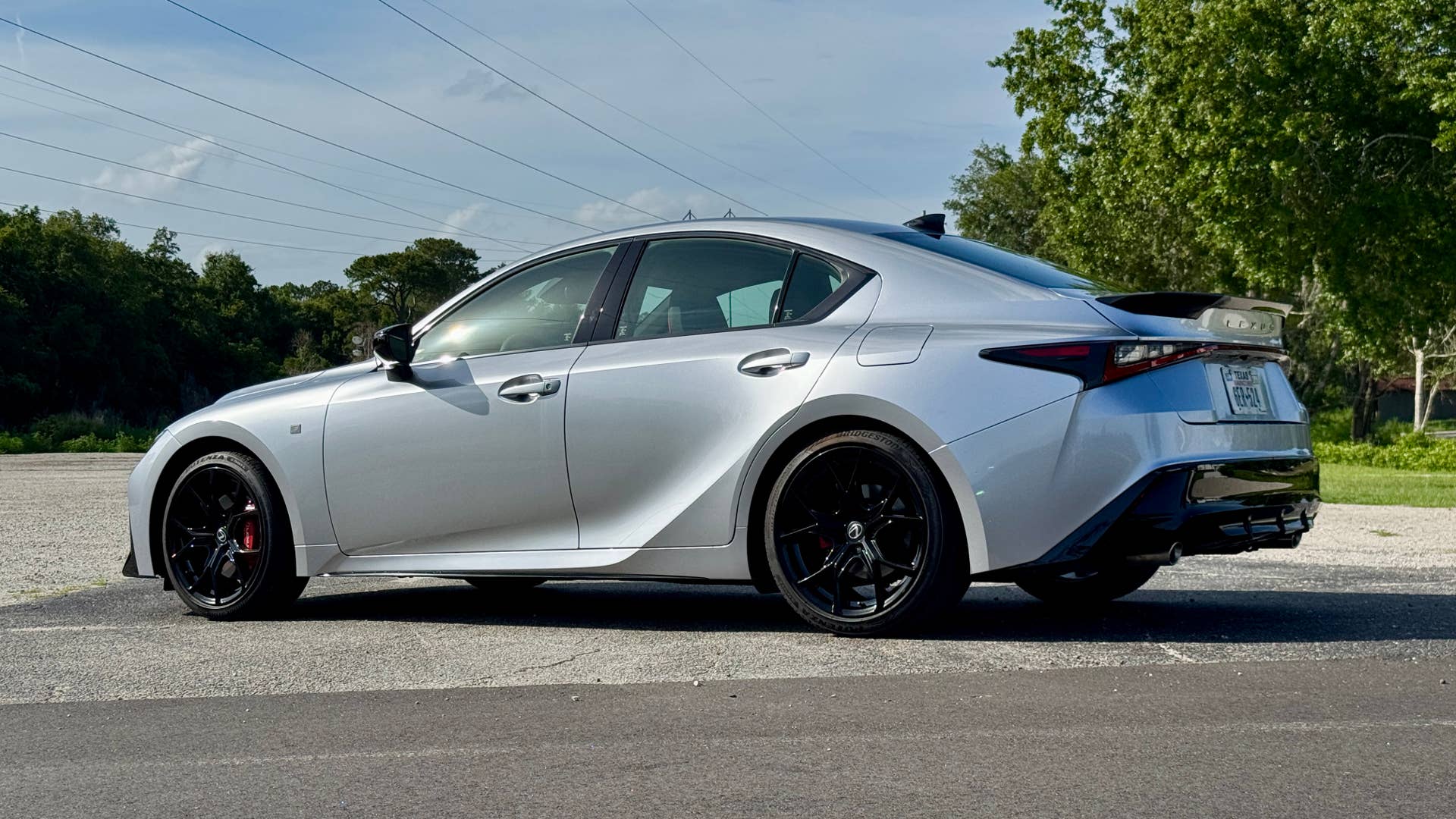
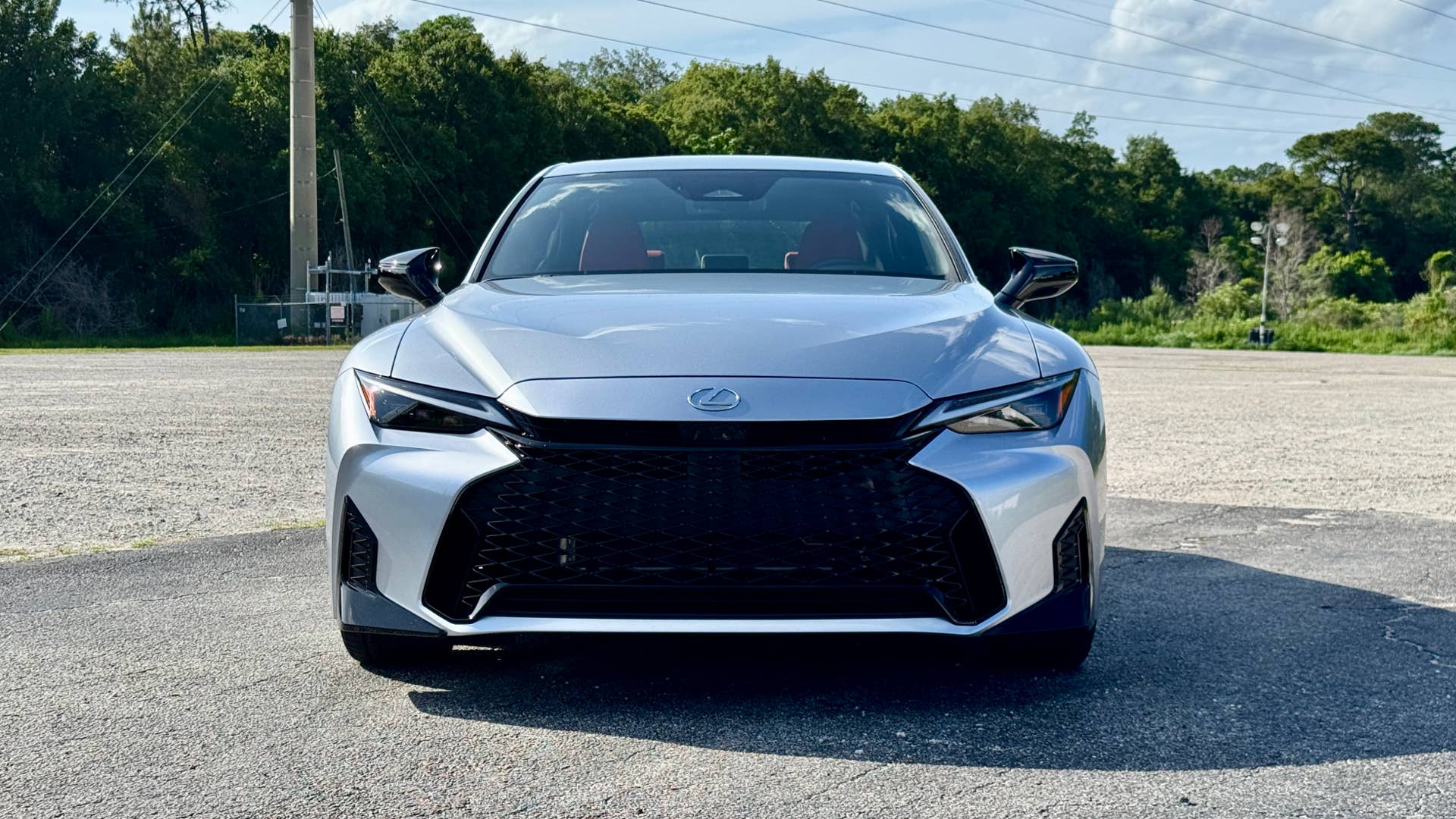
Under the hood, the IS keeps things refreshingly simple for 2026. Having dropped its former four-cylinder and V8 options, it now offers a single naturally aspirated 3.5-liter V6 making 311 horsepower and 280 lb.ft of torque, sending power to the rear wheels through an eight-speed automatic or to all four through a six-speed. It reaches 60 mph in around six seconds and tops out near 143 mph, and it feels eager and communicative in a way small Lexus sedans always have.
Jared Rosenholtz/Autoblog
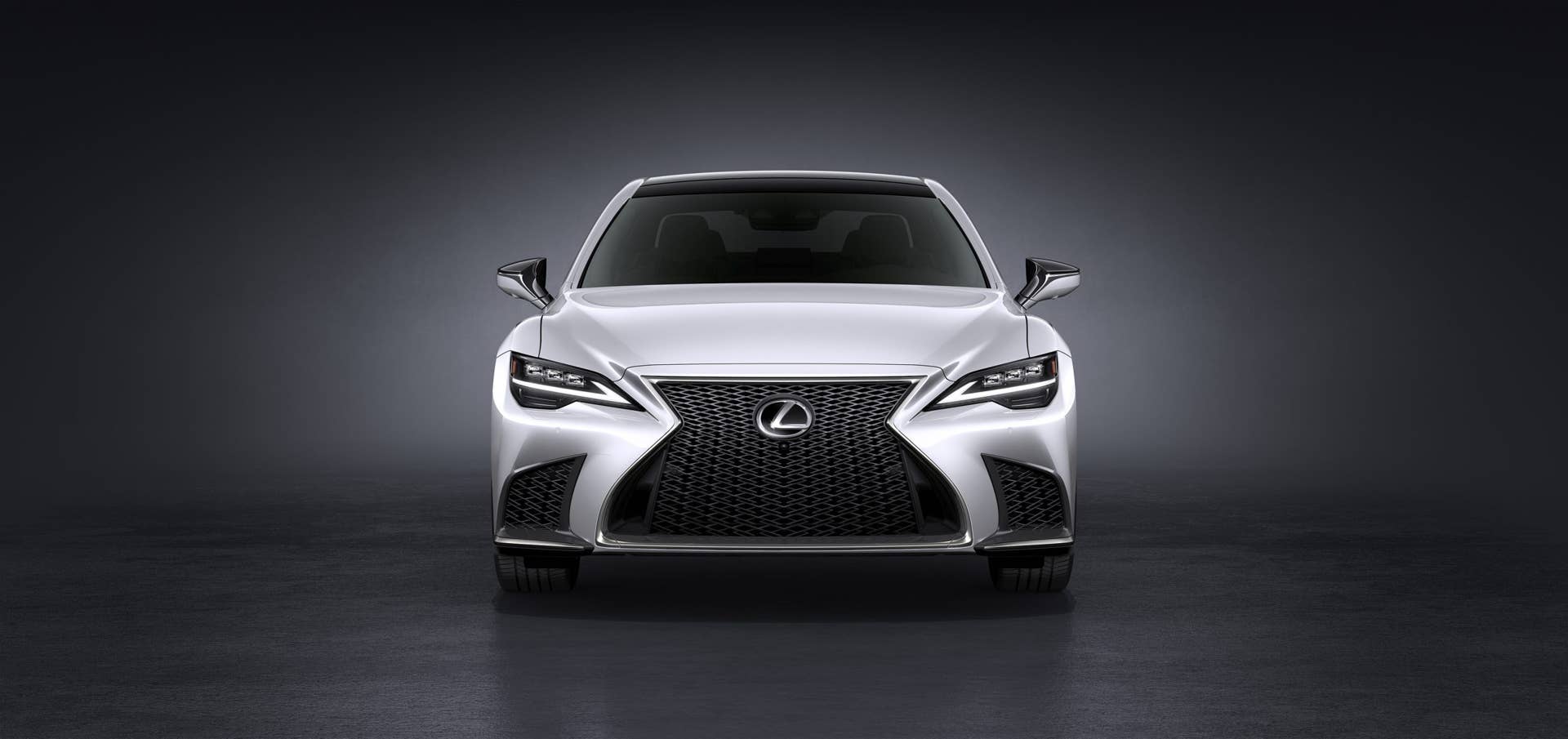
Lexus gives the LS considerably more muscle. Its 3.4-liter twin-turbo V6 produces 416 horsepower and 442 lb.ft of torque through a 10-speed automatic, with rear- or all-wheel drive, delivering swift but unhurried acceleration. Where the IS revs and darts, the LS surges and glides, prioritizing smoothness over sharpness. Both are quick enough for their roles, but they express their performance in opposite ways.
Lexus
Driving character and technology
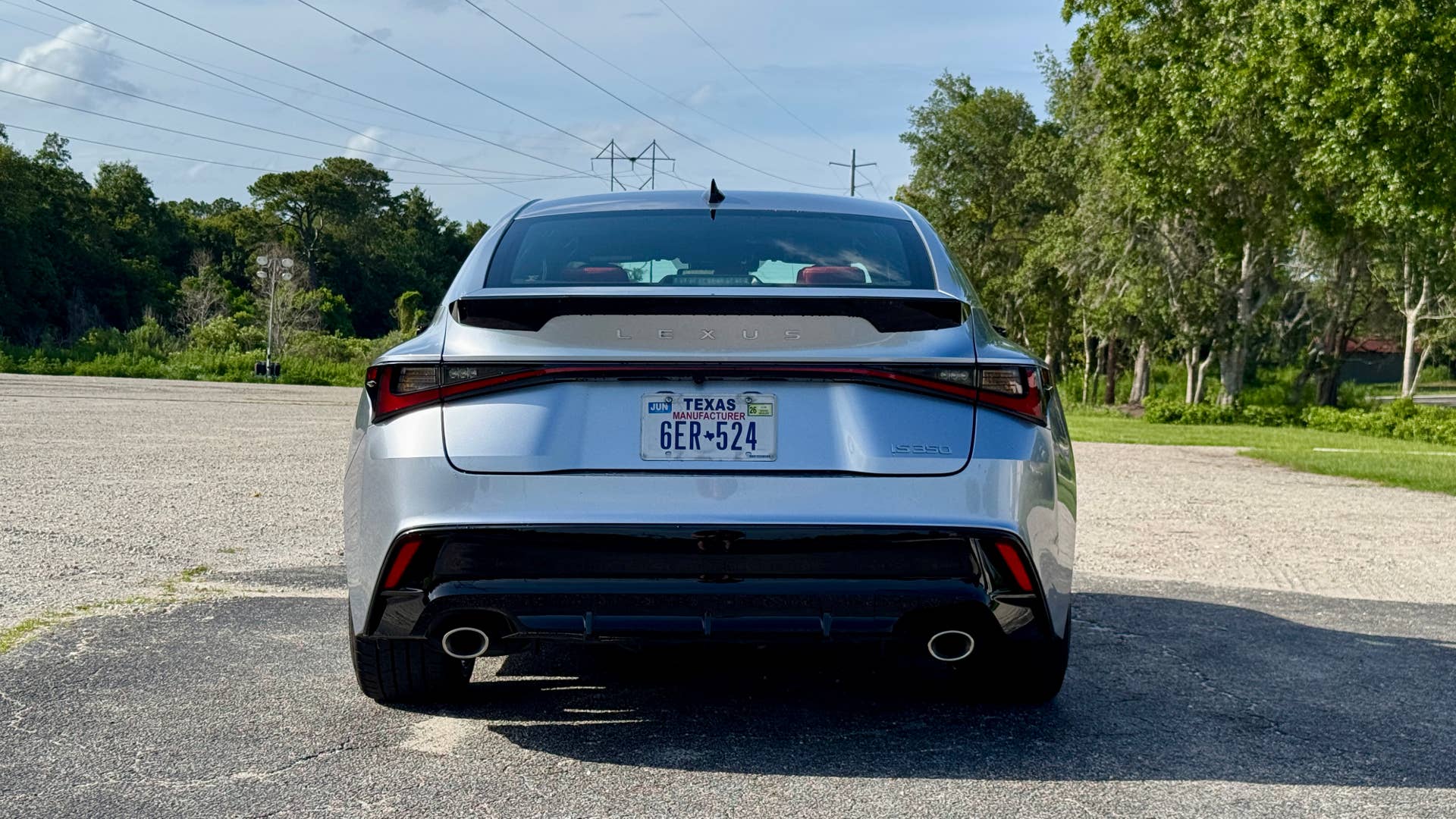
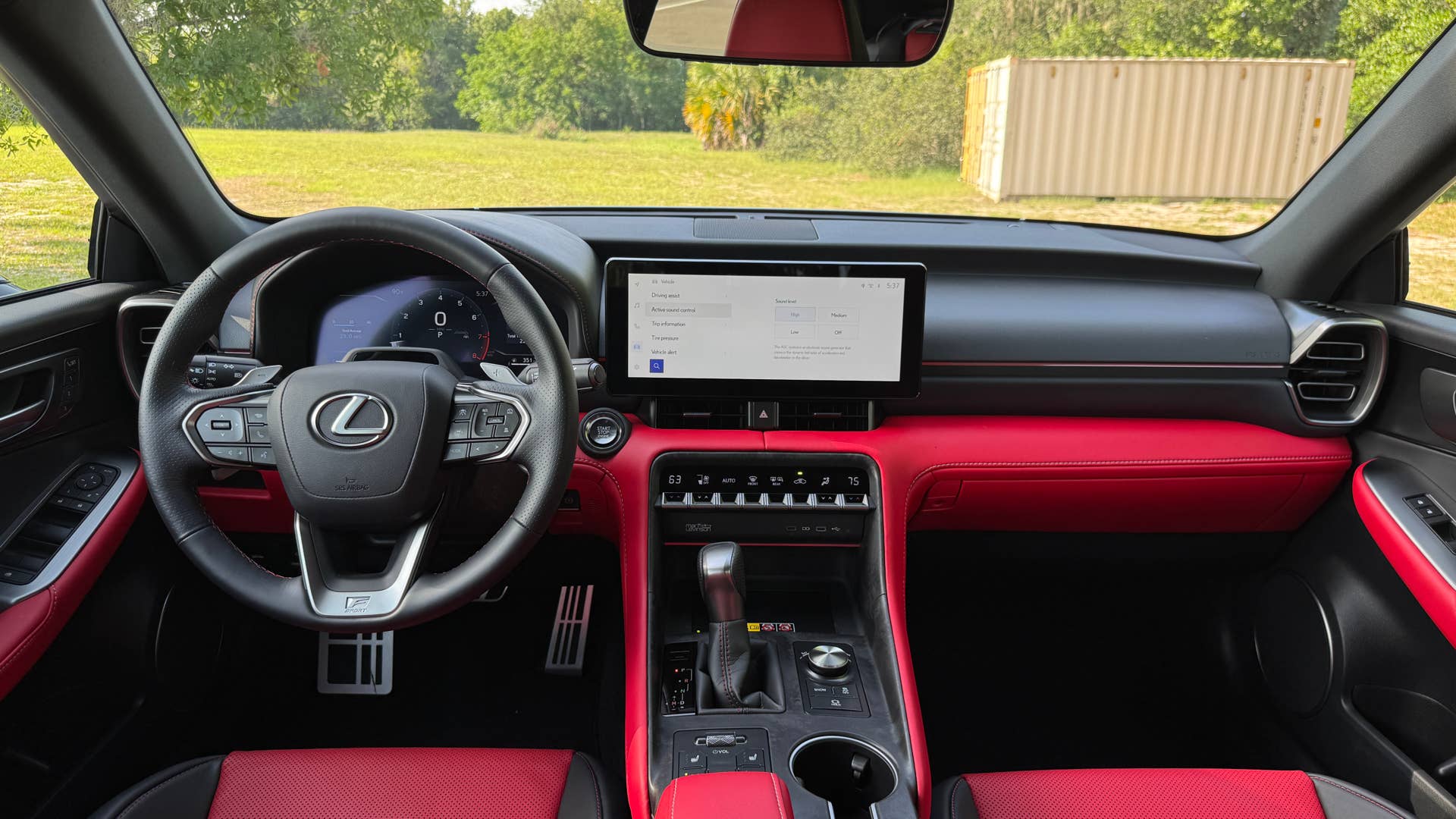
On the road, the IS is the enthusiast’s pick. Lexus retuned its steering and handling for 2026 and offers an F Sport Handling Package with an adaptive suspension and a limited-slip differential, sharpening a sport sedan that had grown a little stale. Fresh twin 12.3-inch displays modernize a cabin that finally feels current, and an available Mark Levinson audio system adds a premium touch.
Jared Rosenholtz/Autoblog
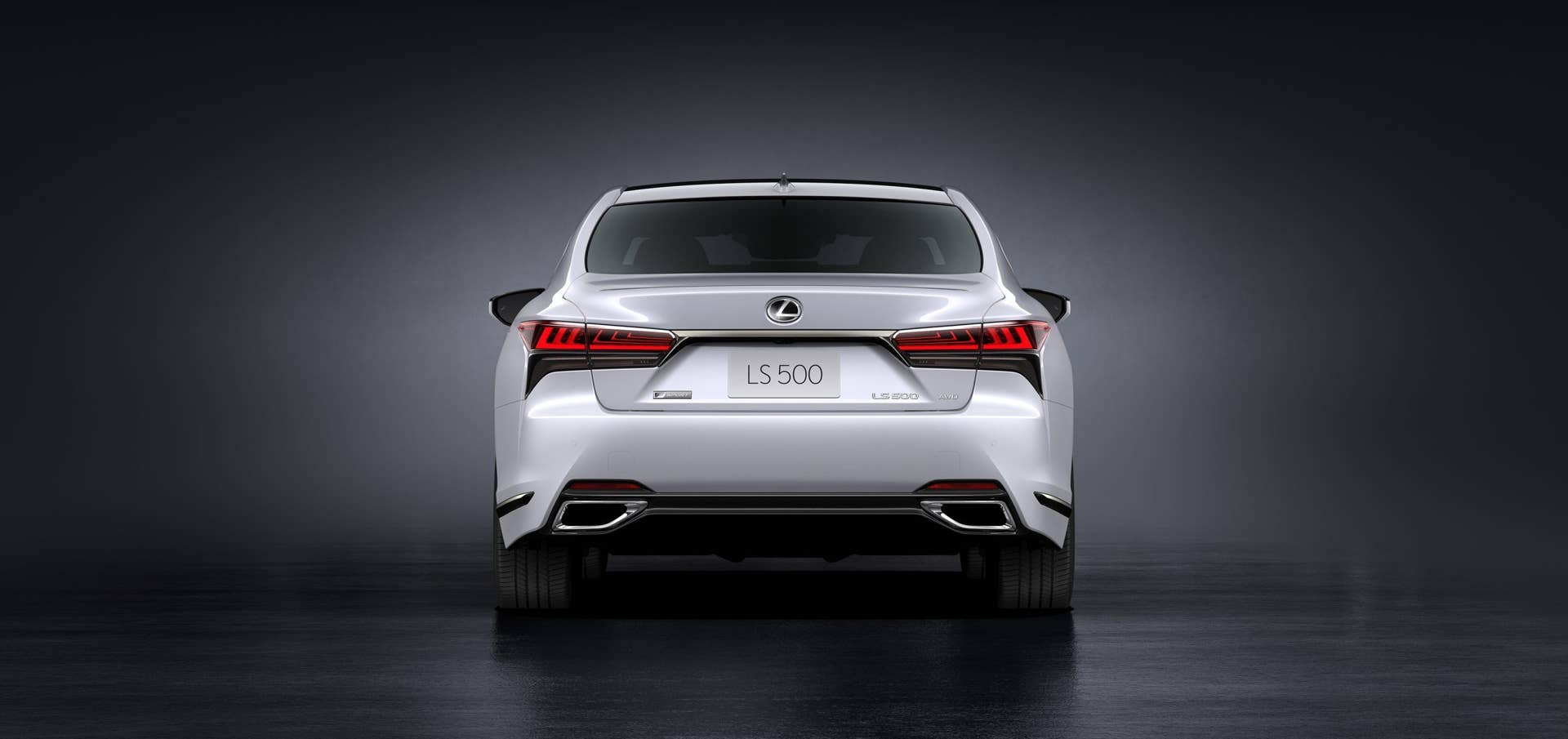
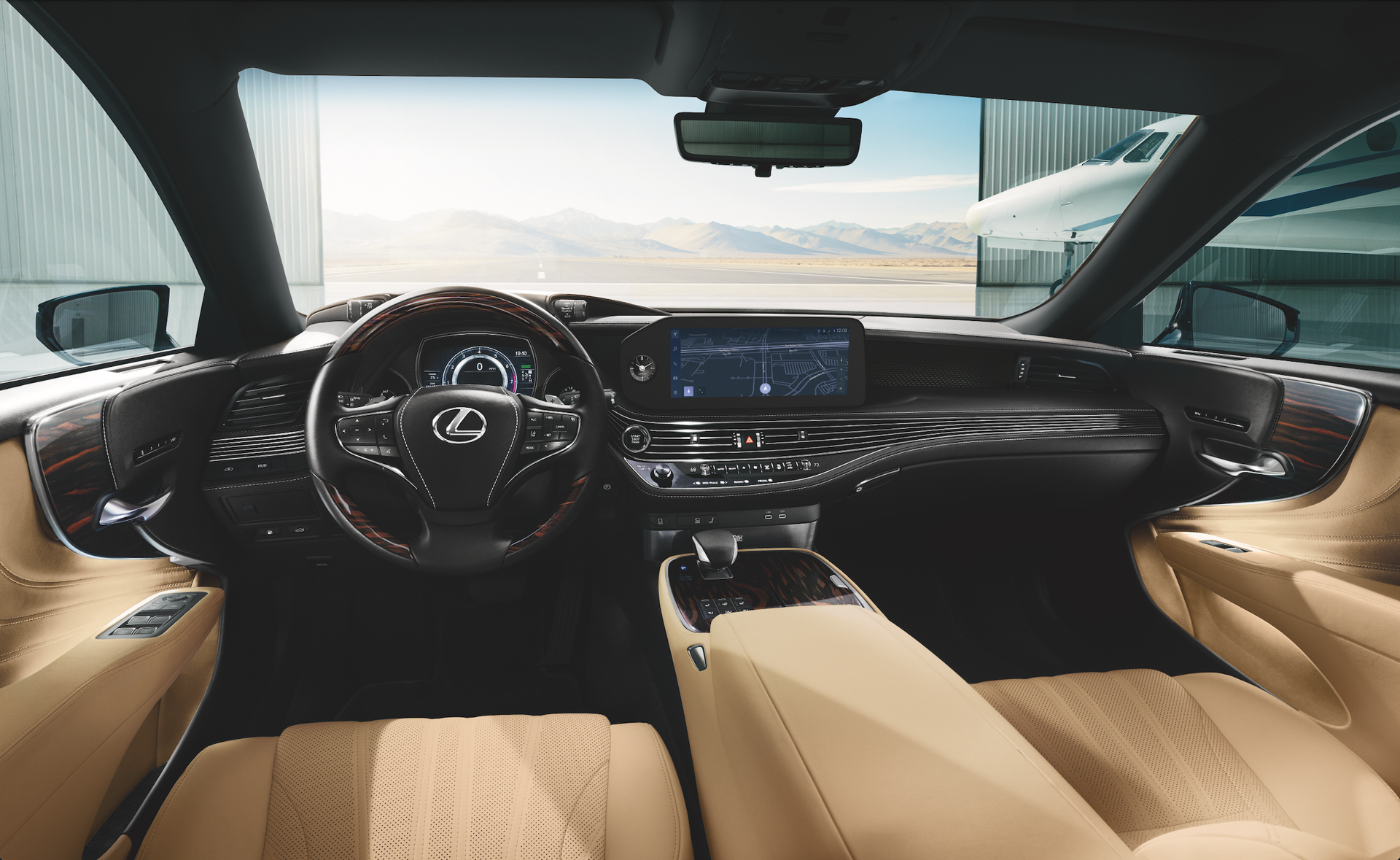
Lexus approaches the LS from the other direction, engineering out noise, harshness, and effort so that progress feels serene. Its cabin is a showcase of craftsmanship, with available massaging seats, elaborate trim, and one of the quietest interiors in the class. Where the IS wants you engaged, the LS wants you relaxed, and both technology suites reflect those aims.
Lexus
Interior, space, and luxury
Space is the LS’s trump card. Its rear seat is genuinely limousine-grade, with vast legroom and near-reclining comfort that owners frequently rate above the front, making it a favorite for those who value being chauffeured. The IS, by contrast, seats five on paper but has a tight back seat better suited to children or short trips, a common trade-off in the compact sport-sedan class.
Lexus
Material richness scales with price, too. The LS layers on the sort of bespoke finishes and rear-cabin amenities expected of a six-figure flagship, while the IS keeps things sporty and well-built without reaching for outright opulence. Neither feels cheap, but only one is trying to rival the best luxury sedans in the world.
Jared Rosenholtz/Autoblog
So which one should you buy?
Buy the IS if you want an affordable, rear-drive sport sedan that is fun to drive, easy to own, and freshly updated for 2026. At around $45,500, it delivers genuine driving character and Lexus reliability without a flagship price, and for a single driver or a small household, it is more than enough car. Choose the LS when you want a full-size luxury sedan that can trade blows with Germany’s finest, especially if you spend real time in the back seat. Its power, silence, and rear-cabin comfort are in a different league, as is its price. In the end, these two are not rivals so much as bookends: the IS is the spirited entry point, and the LS is the serene flagship.
About the author

Kyle Edward
Editor-in-Chief, Autoblog