
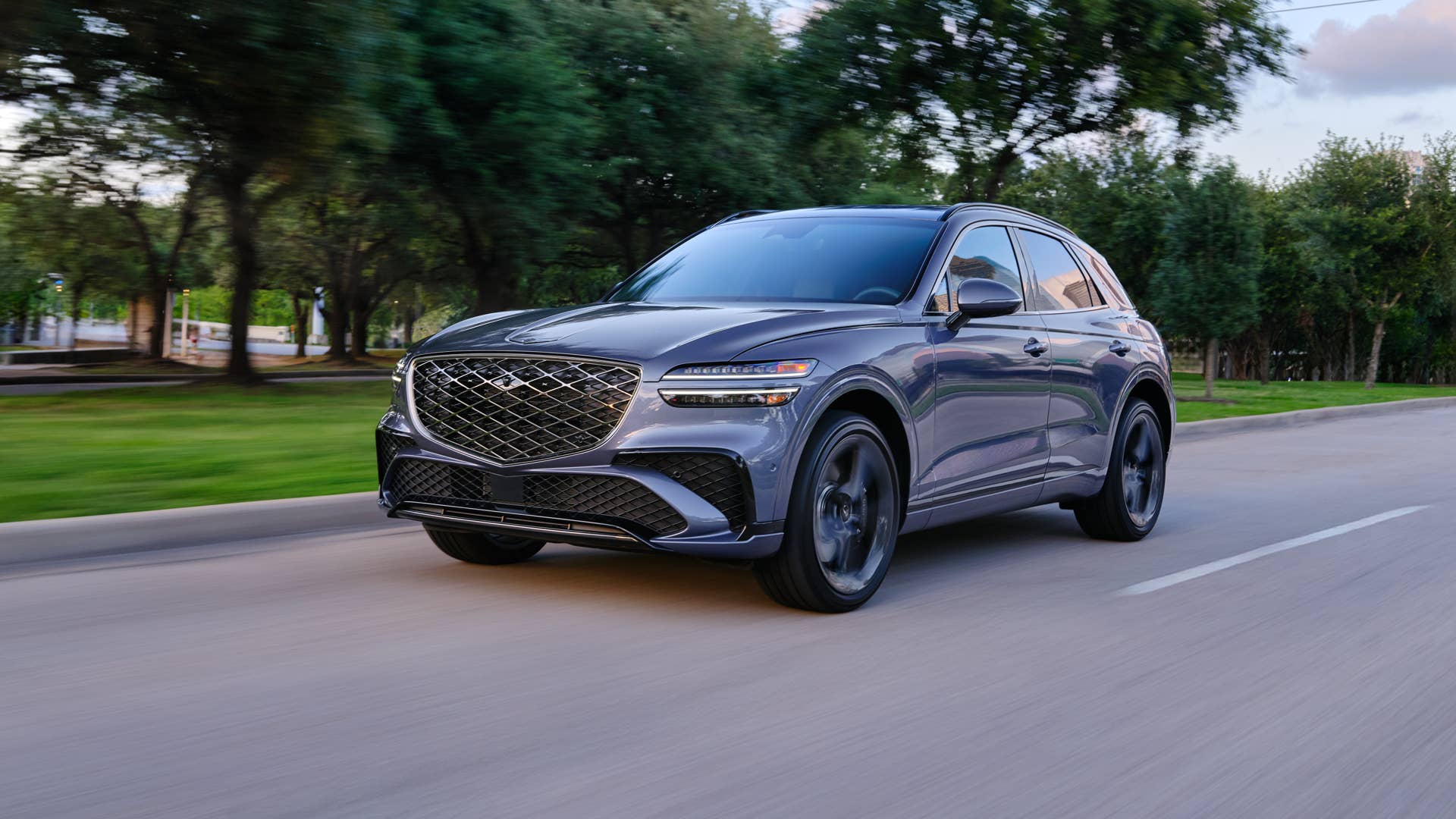
The compact luxury SUV class is the most fiercely fought corner of the premium market, and these two sit at the very top of it. The BMW X3 has been the segment’s default answer for two decades, while the Genesis GV70 arrived with no history at all and immediately started stealing sales with a simple pitch: more car, more equipment, less money.
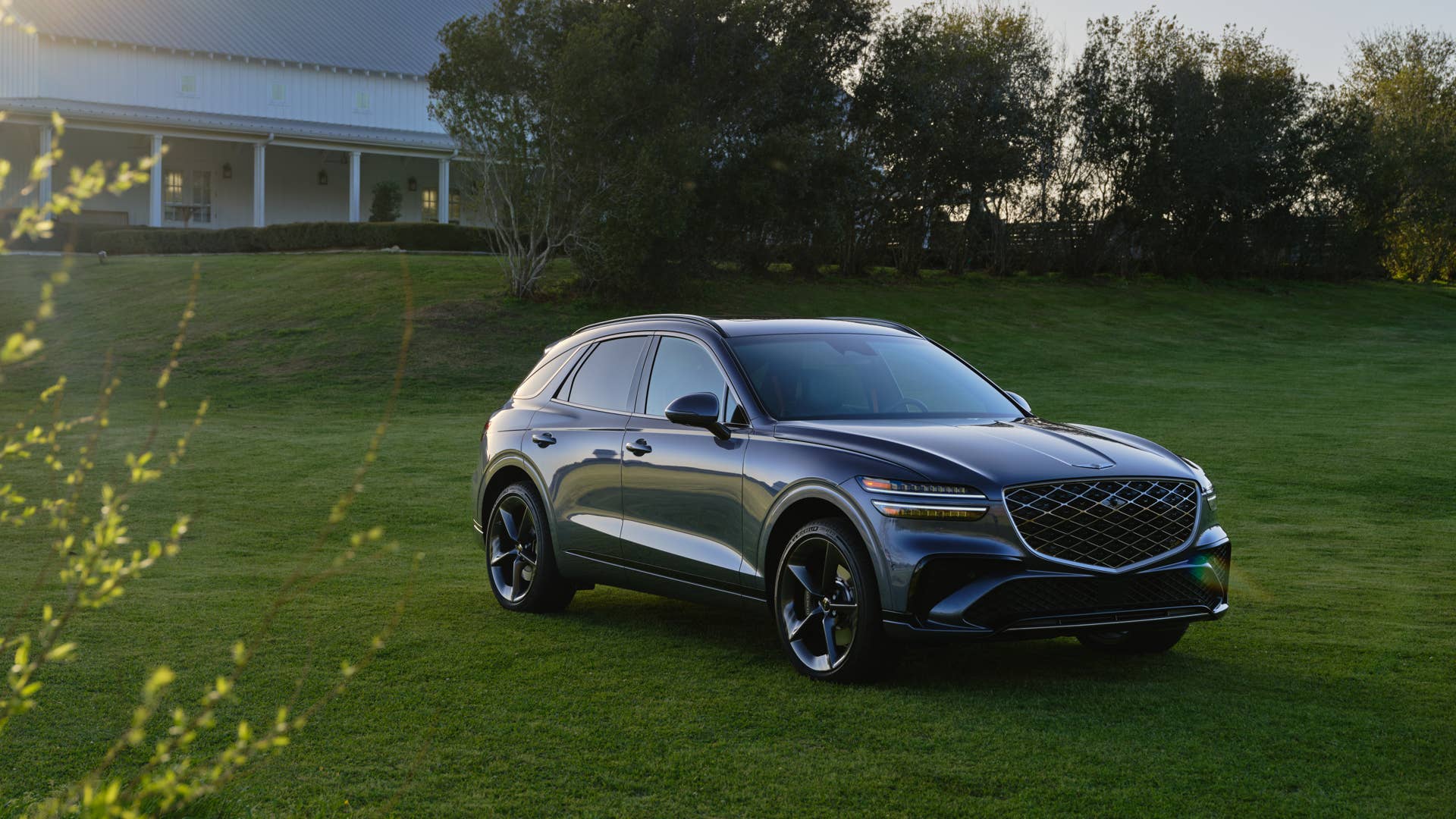
Genesis
Both have been freshened recently, the X3 with a full redesign and the GV70 with a substantial mid-cycle update, so the gap between the establishment pick and the upstart has never been narrower. Here is how they compare across the things that matter, and which one we would actually buy.
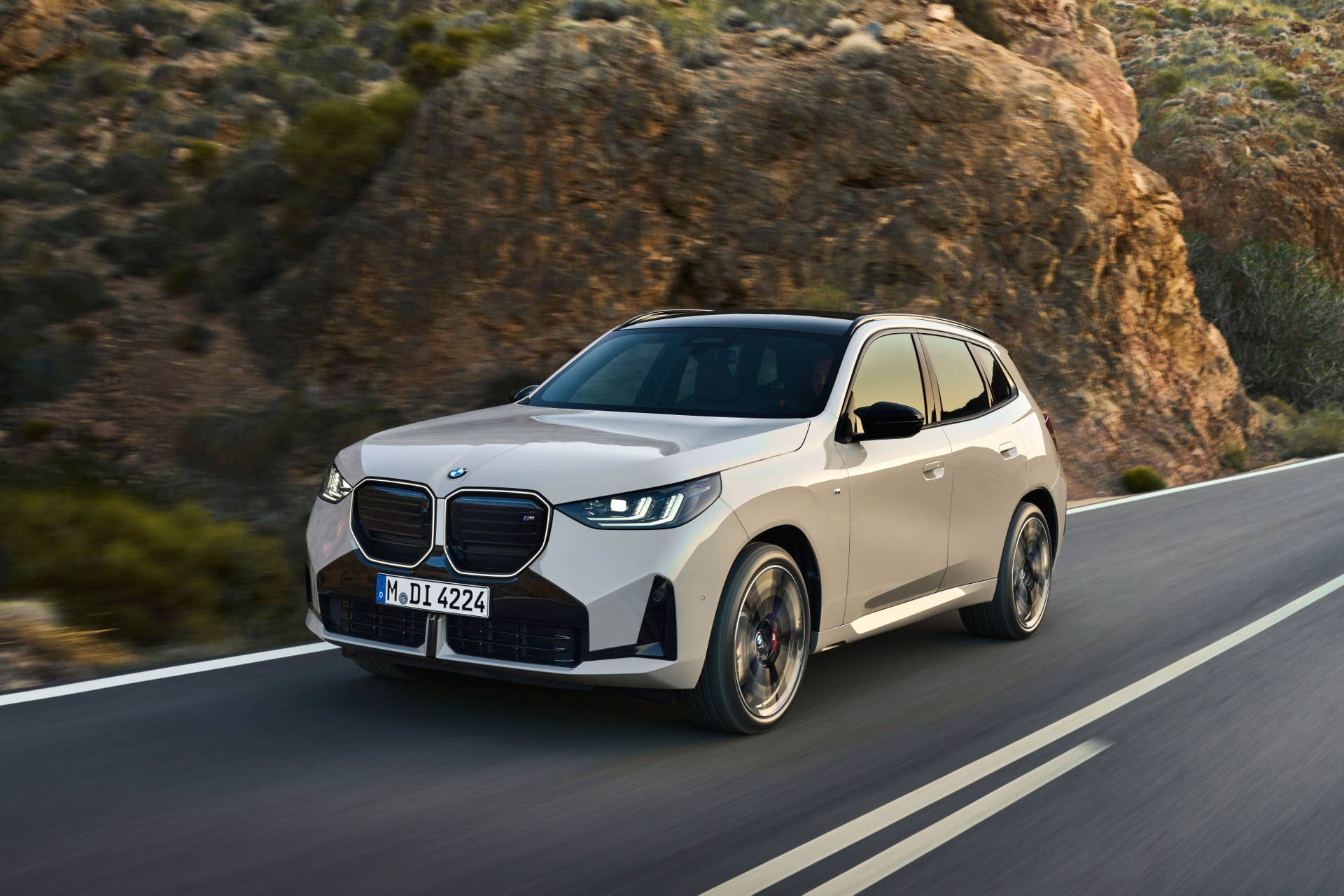
BMW
Specs and pricing
| Specification | Genesis GV70 | BMW X3 |
|---|---|---|
| Base engine | 300-hp turbo four | 255-hp turbo four |
| Top engine | 375-hp twin-turbo V6 | 393-hp turbo inline-six |
| Drive | Standard all-wheel drive | Standard all-wheel drive |
| Combined mpg, base engine | 23 mpg | 29 mpg |
| Cargo behind rear seats | 28.9 cu ft | 31.5 cu ft |
| Powertrain warranty | 10 yr / 100,000 mi | 4 yr / 50,000 mi |
| Starting price | About $49,000 | About $52,700 |
Power and driving
On paper the Genesis looks like the muscle car of the pair, since its base turbocharged 2.5-liter four makes 300 horsepower and 311 lb-ft to the base X3’s 255 horsepower and 295 lb-ft. In practice that 45-horsepower advantage almost evaporates, and independent testing has found the base GV70 only about a tenth of a second quicker to 60 mph, largely because BMW pairs its four with a 48-volt mild-hybrid system that the Genesis does without.
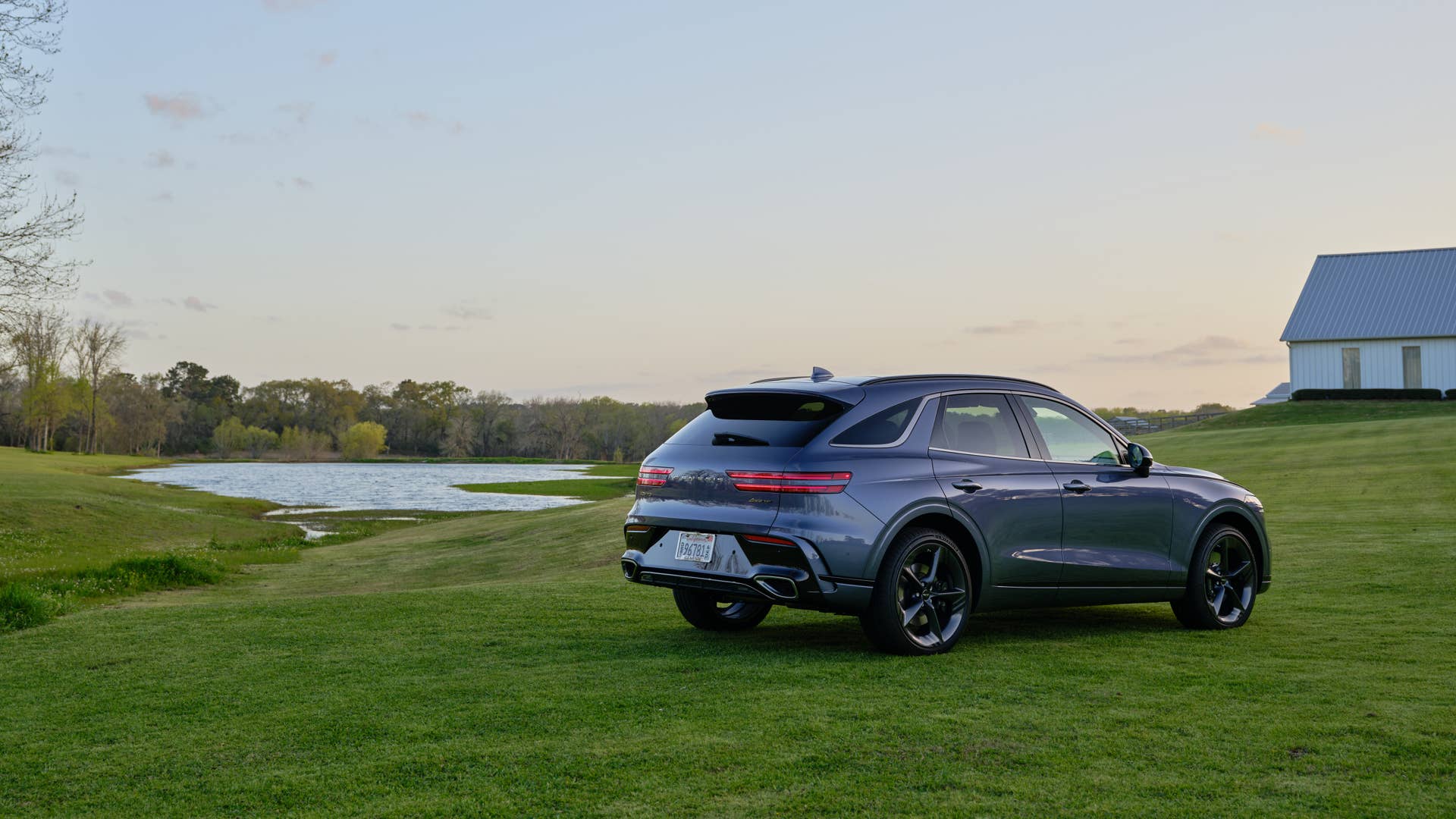
Genesis
Where the BMW pulls clear is in how it uses what it has. Its steering is better weighted and more direct, its brakes are easier to modulate, and the whole car feels tied down in a way the softer, more cosseting Genesis does not quite match. Step up to the X3 M50 and its 393-horsepower turbo inline-six will hit 60 in the low four-second range, comfortably outgunning the GV70’s 375-horsepower twin-turbo V6. If driving is why you buy a sporty crossover, the X3 is the one.
Fuel economy and running costs
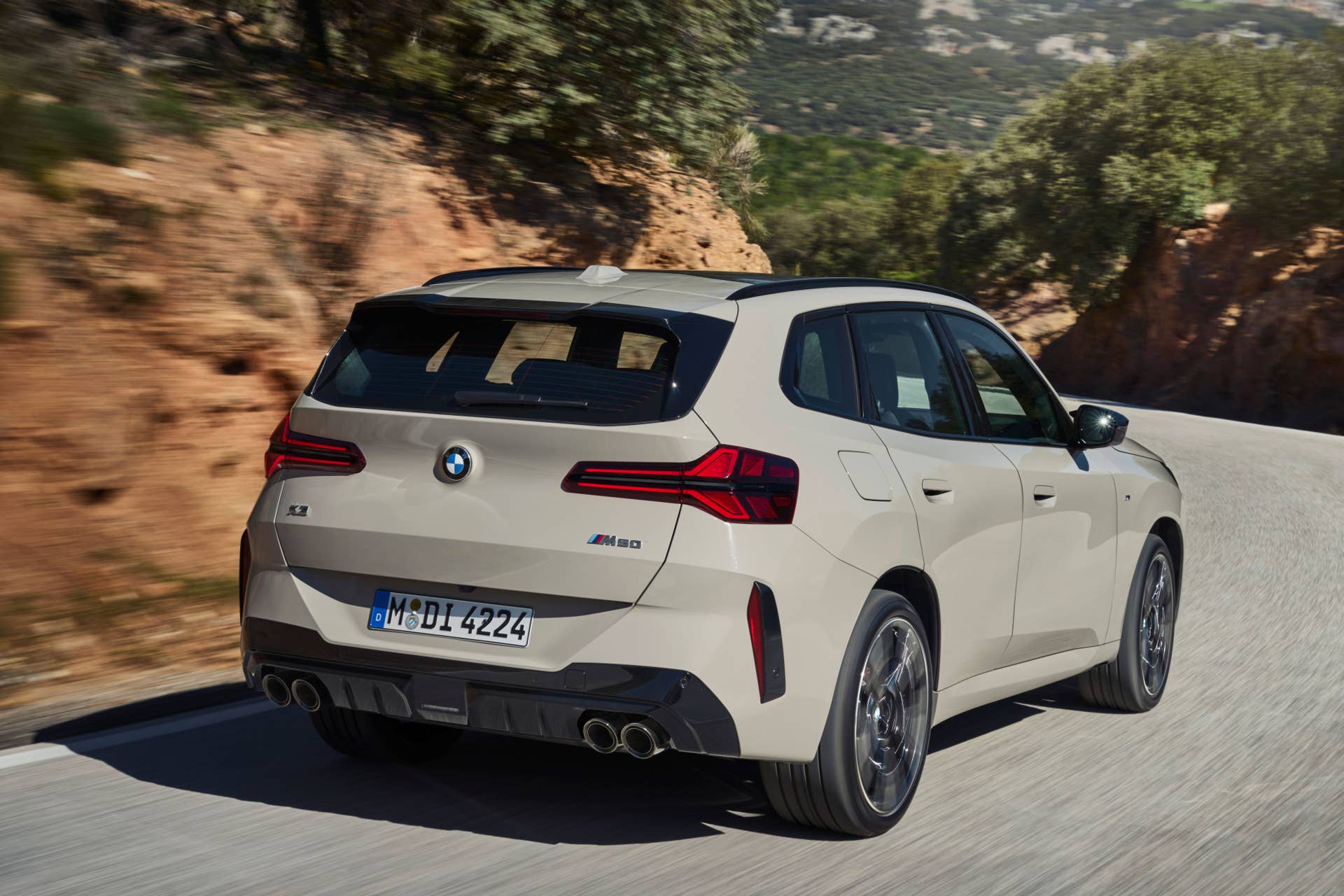
This is the least glamorous category and the most expensive one to ignore. The base X3 30 xDrive returns an EPA-estimated 29 mpg combined, a genuinely strong figure for a luxury SUV of this size, while even the six-cylinder M50 manages 27 mpg. The GV70 2.5T is rated at 23 mpg combined on its smaller 19-inch wheels, and the V6 is thirstier again.
BMW
A 6-mpg gap does not sound dramatic until you multiply it across 15,000 miles a year for five or six years, at which point it becomes thousands of dollars of real money flowing out of your account and straight into a fuel tank. The Genesis claws some of that back through its warranty and included maintenance, but on pure day-to-day running costs, the BMW is the cheaper car to feed by a wide margin.
Space and practicality
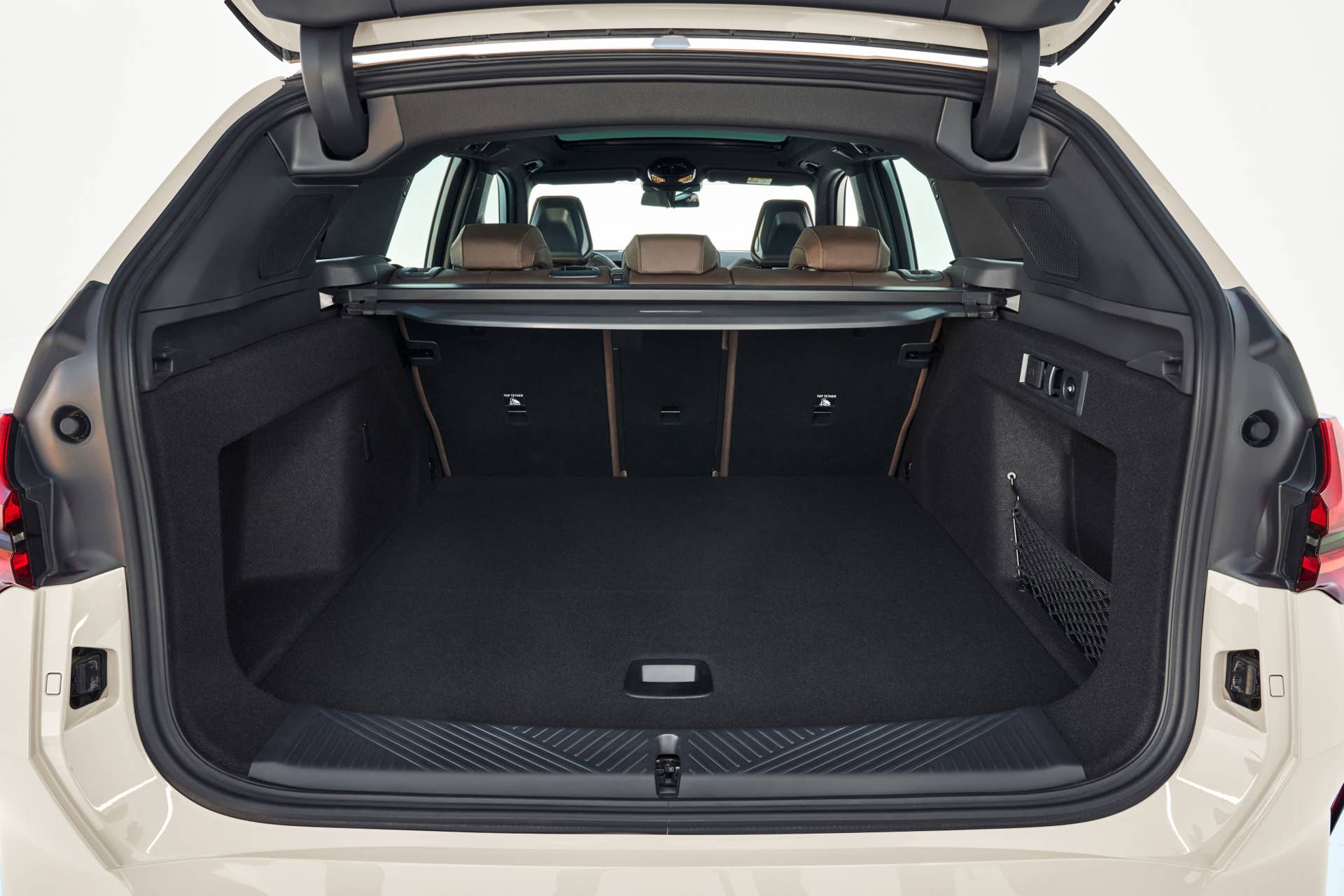
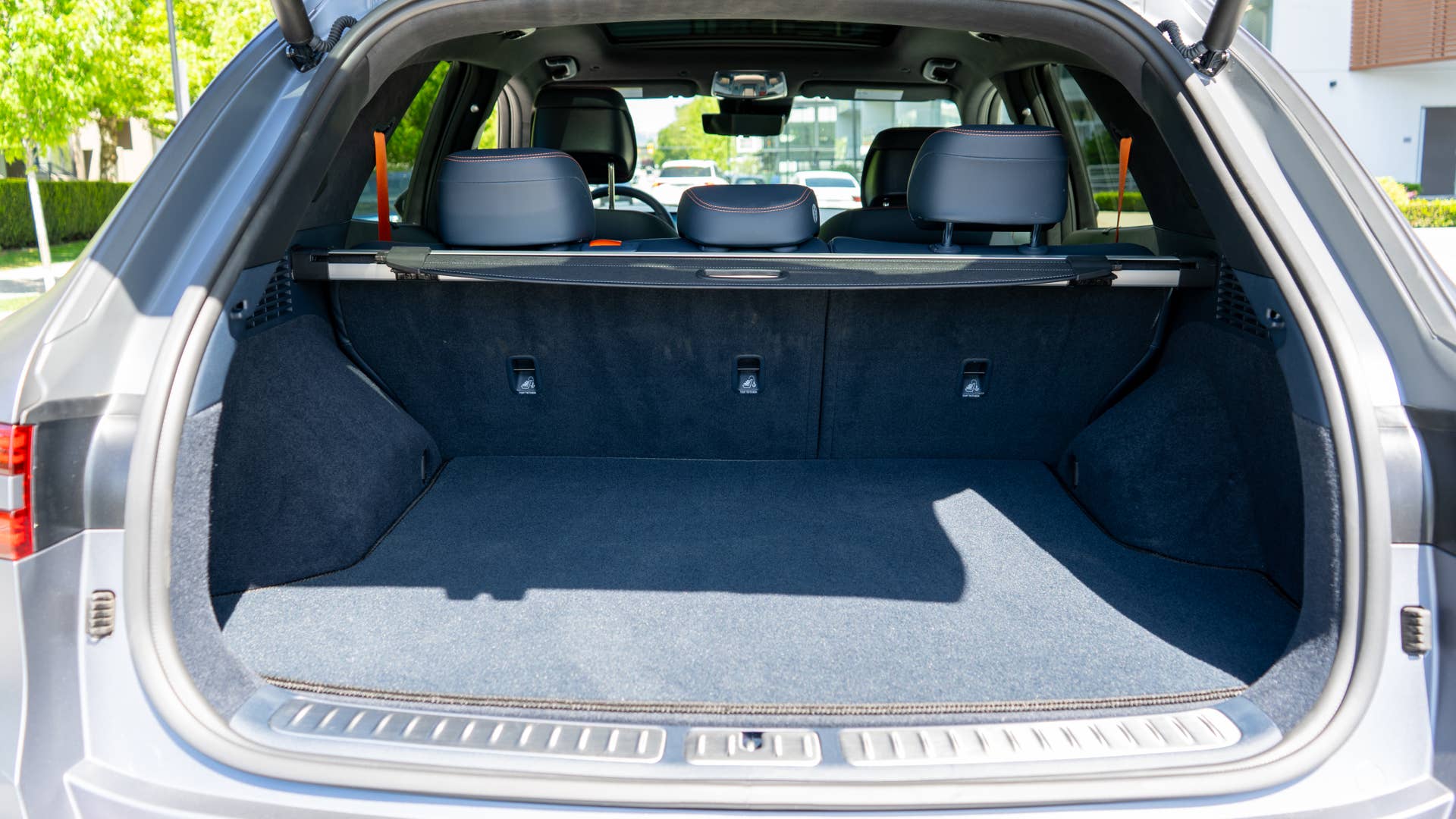
The X3 is the more useful box. It offers 31.5 cubic feet behind the rear seats against the GV70’s 28.9, a lead that grows when you drop its 40/20/40-split rear bench, which folds close to flat and makes the BMW the easier vehicle to load a bike or a flat-pack into. Small-item storage is more of a mixed bag, with generous door pockets but a stingy glovebox and center bin.
BMW
The Genesis counters with a cabin that simply feels more spacious and more special, with a low, wide dashboard and a hushed, isolated quality that suits long highway hauls. Both seat five in real comfort and neither will embarrass itself on a road trip. For sheer hauling capacity, though, the X3 takes it.
Cole Attisha
Interior and technology
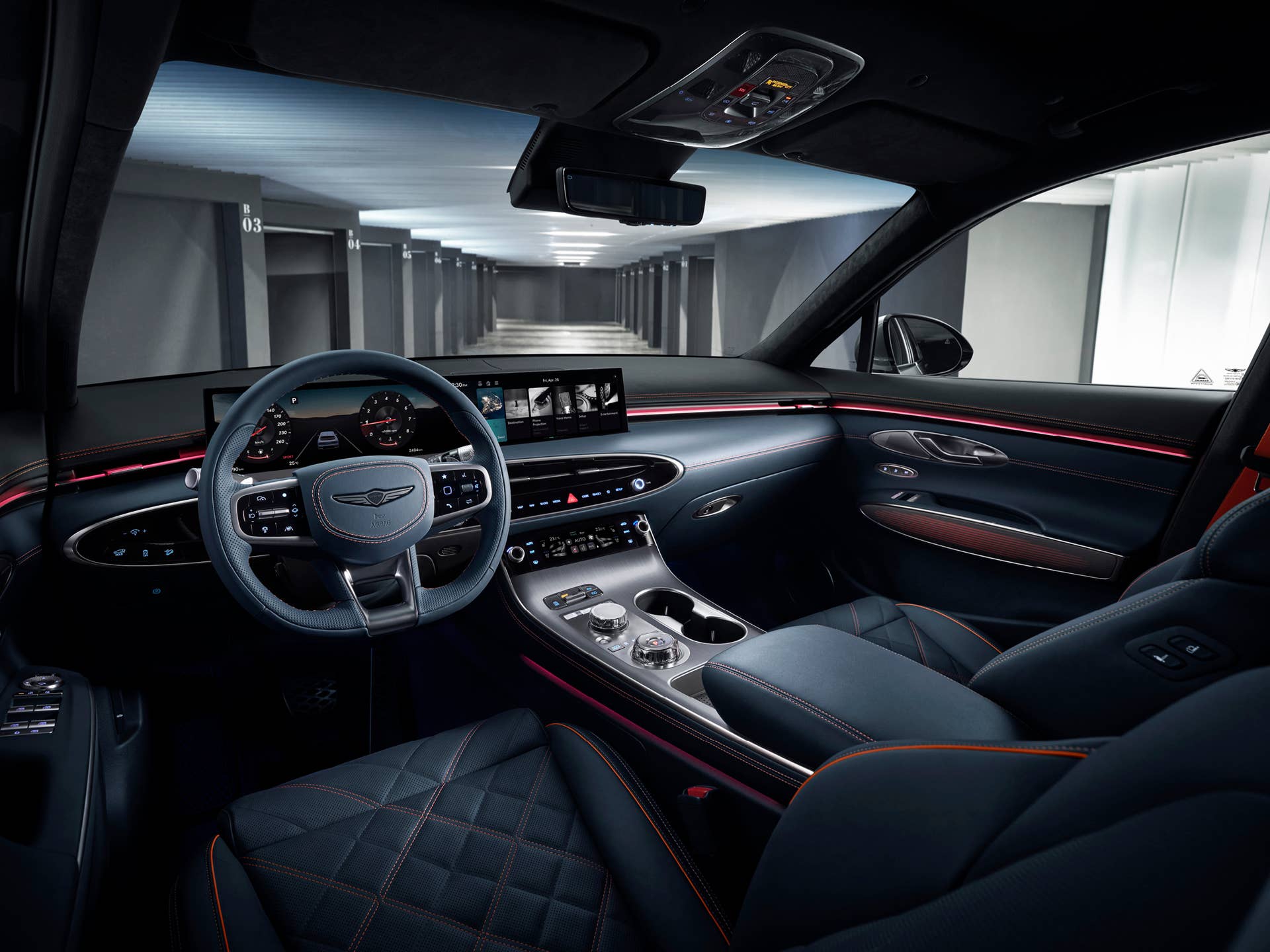
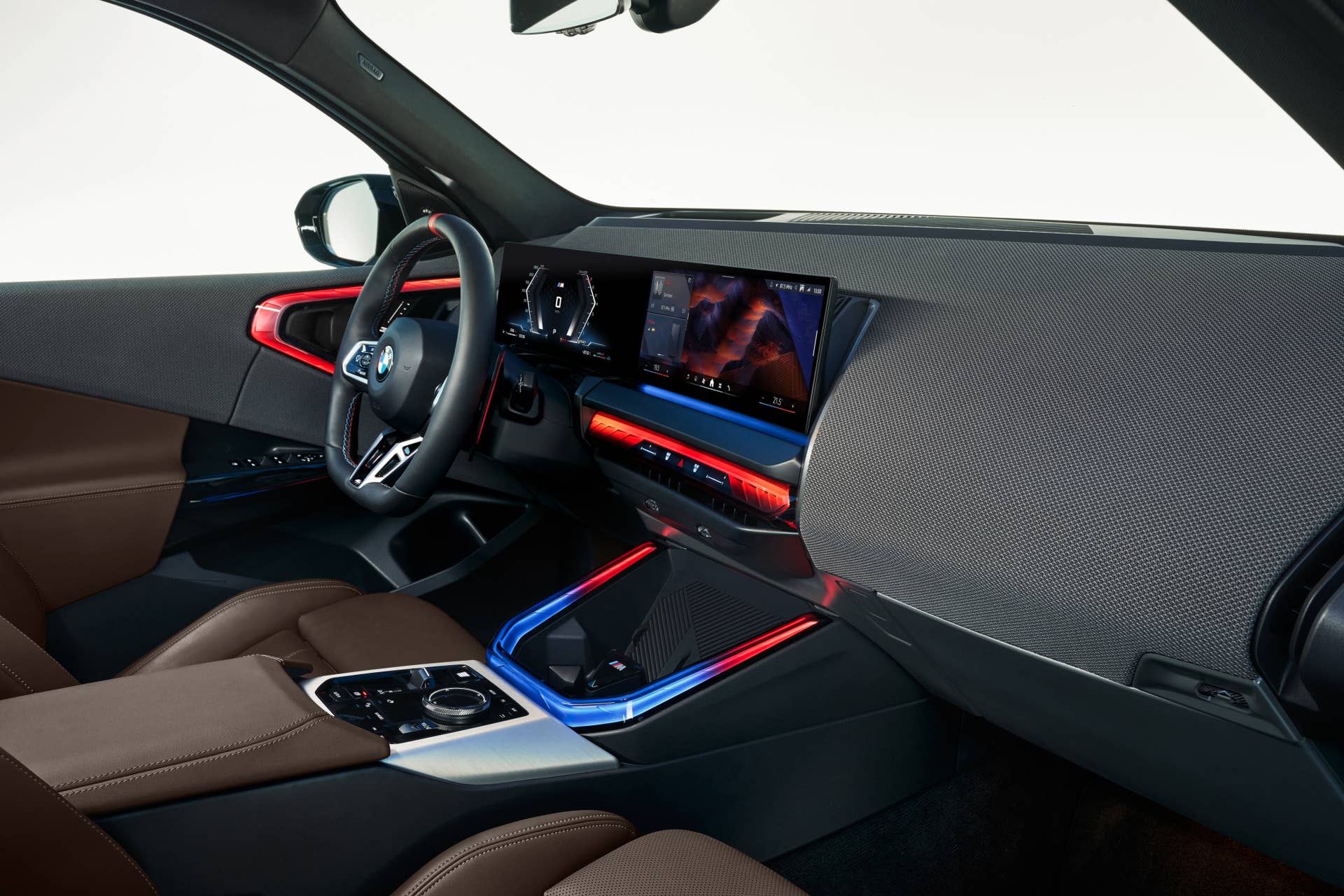
The GV70 wins this one, and it is not particularly close. Its 2026 refresh brought a dash-spanning 27-inch OLED display, a redesigned steering wheel, an updated center console, and microlens-array headlights standard even on the base car, all wrapped in materials and detailing that punch above the price. The Genesis GV70 has always been the class benchmark for interior design, and the update widened that lead.
Genesis
The X3’s cabin is a more austere, more Germanic place. It is superbly built and the curved display running BMW’s latest iDrive is quick and configurable, but there is a coolness to it, and the migration of common functions into touchscreen menus will frustrate some buyers. The Genesis also throws in equipment BMW charges extra for, including massaging ventilated seats, fingerprint authentication, and remote parking. For cabin quality and standard kit, the GV70 is the clear pick.
BMW
Price, warranty, and value
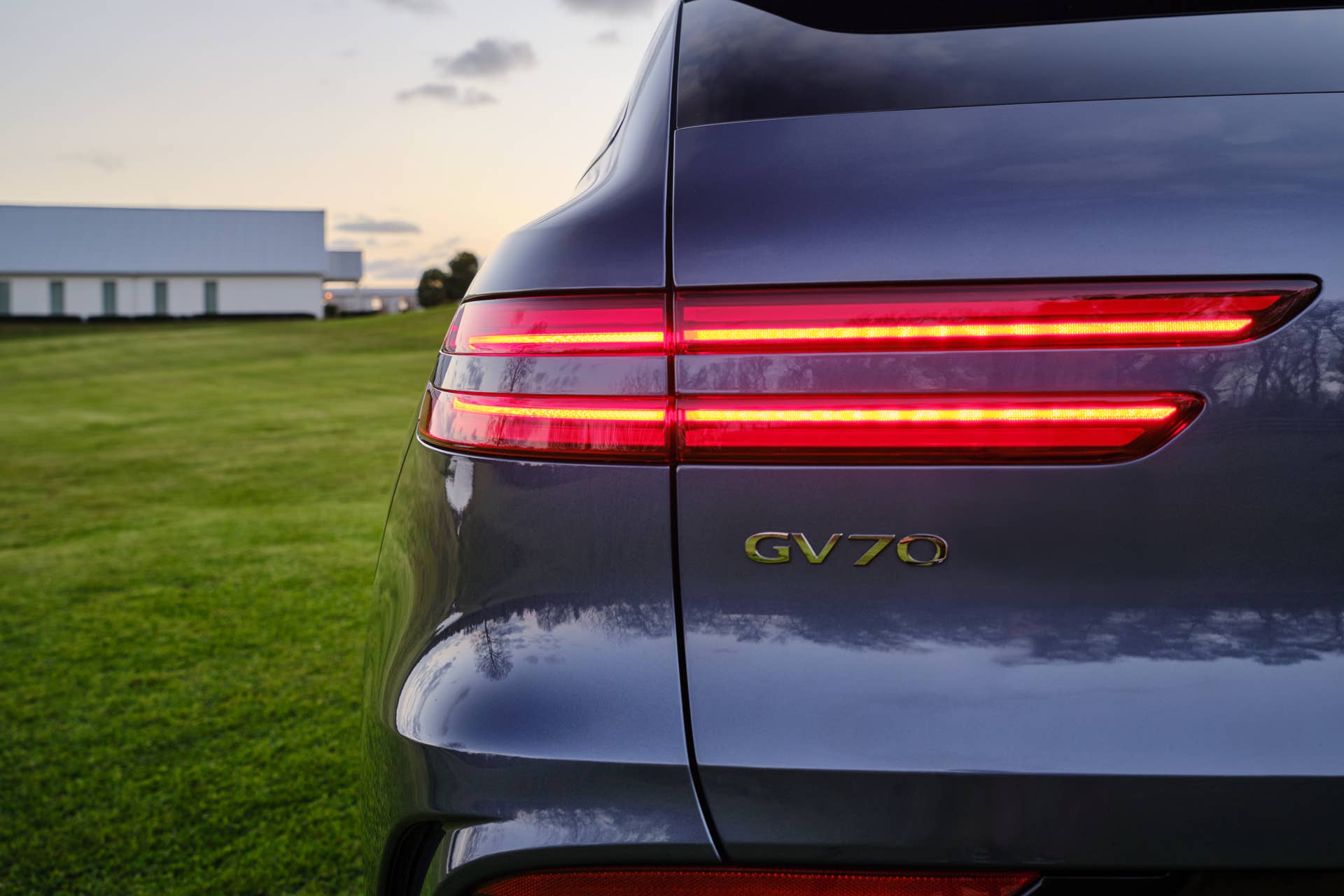
Genesis undercuts BMW by roughly $3,500 to start and then keeps going. The GV70 carries a 5-year/60,000-mile bumper-to-bumper warranty, a 10-year/100,000-mile powertrain warranty, five years of roadside assistance, and three years or 36,000 miles of complimentary scheduled maintenance with valet pickup where available. BMW’s coverage runs 4 years/50,000 miles with three years of complimentary maintenance, which is decent for the segment and still nowhere near what Genesis offers.
Genesis
The caveat is depreciation. BMW’s badge holds value better than Genesis’s does, which quietly returns some of that upfront gap when you sell, and the X3’s efficiency advantage chips away at the rest. Note too that 2026 pricing rose across the GV70 range by as much as $3,235 depending on trim, so the value gap is narrower than it once was.
So which one wins?
The BMW X3 wins, narrowly. It is the better car to drive by a clear margin, it is meaningfully more efficient, it holds more cargo, and its recent full redesign means you are buying the newer engineering of the two. Those are the things that shape how an SUV feels every single day and what it costs you over years of ownership, and the BMW is ahead on all of them.
The Genesis GV70 is an extremely close second and the smarter buy for a lot of people, particularly anyone who values interior quality, standard equipment, and long-term coverage over the last ten percent of steering feel. It costs less, it is far better equipped, and its 10-year powertrain warranty and included maintenance are things no German rival will match. Honestly, you cannot go wrong here. But as the more complete driving machine, the X3 takes it.
About the author

Kyle Edward
Editor-in-Chief, Autoblog