
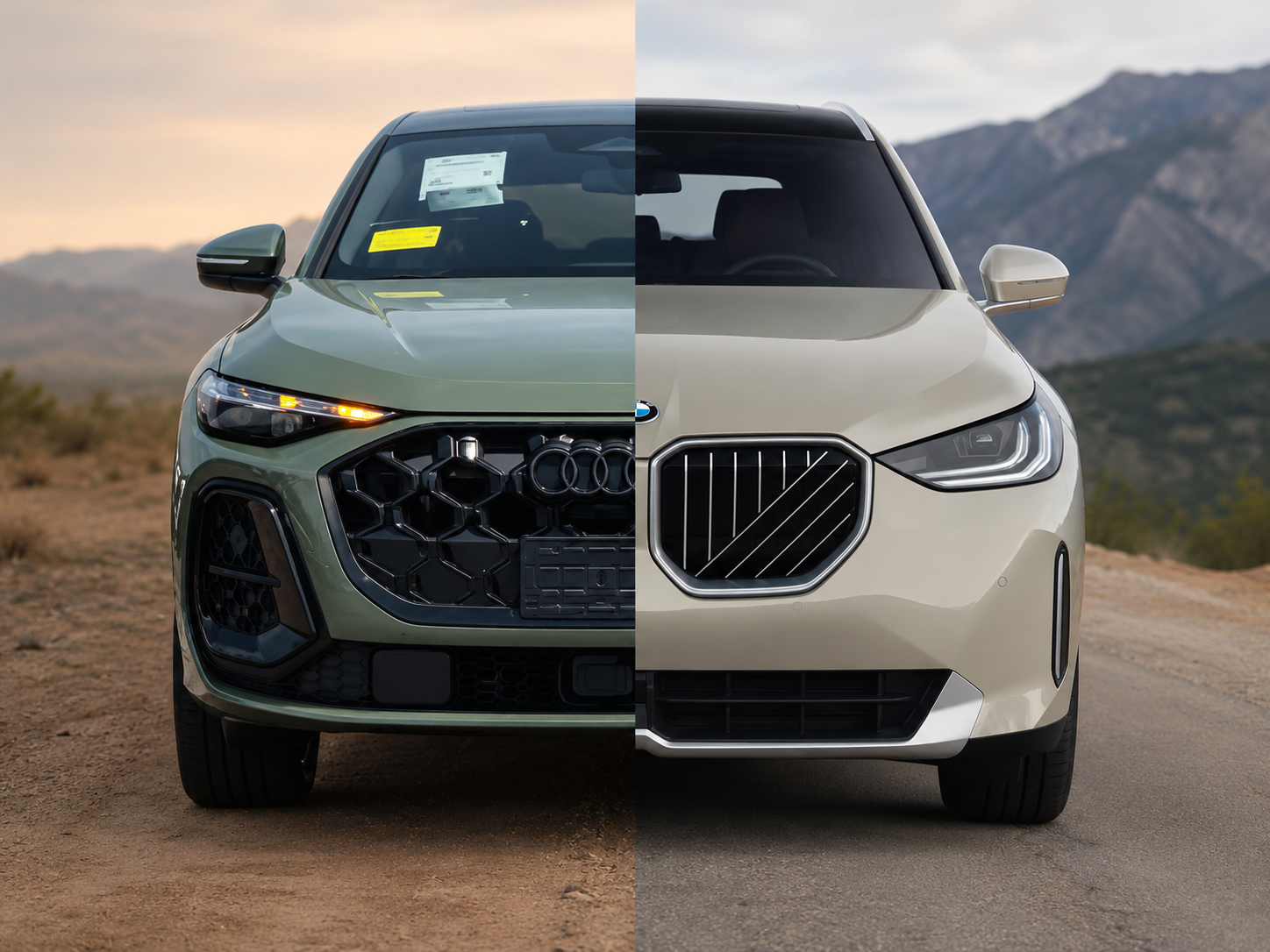
Luxury compact SUVs live or die on how they balance sport and comfort, and these German rivals split the difference cleanly. BMW’s X3 chases driving engagement, while Audi’s Q5 prioritizes quiet, polished refinement.
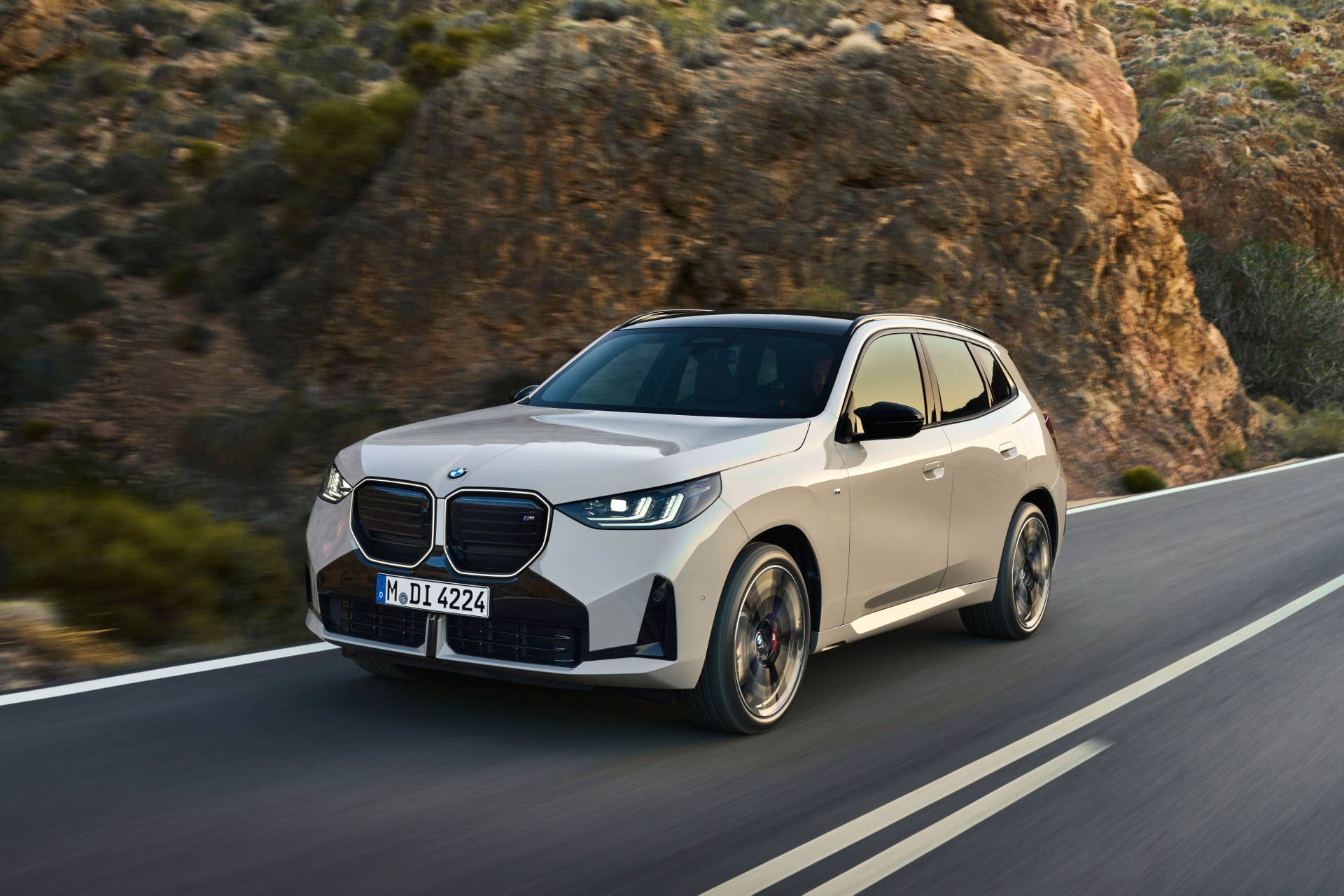
BMW
Contrast the X3 with the Q5, and a familiar dynamic emerges. BMW tunes the X3 to feel sharp and alert, while Audi makes the Q5 the calmer, more comfortable companion. Here is how the two premium benchmarks compare.

Audi
How they compare
Here is a quick side-by-side of how the two luxury SUVs line up for 2026.
| Specification | BMW X3 | Audi Q5 |
|---|---|---|
| Base engine | 2.0L turbo, about 255 hp | 2.0L turbo, about 268 hp |
| Top engine | 3.0L turbo I6, about 393 hp | 3.0L turbo V6, about 362 hp |
| Character | Sportier, driver-focused | Quieter, comfort-focused |
| Interior | Tech-forward | Refined, high-quality |
| Fuel economy | Up to about 28 mpg | Up to about 28 mpg |
| Starting price | About $50,000 | About $46,000 |
Driving and powertrains
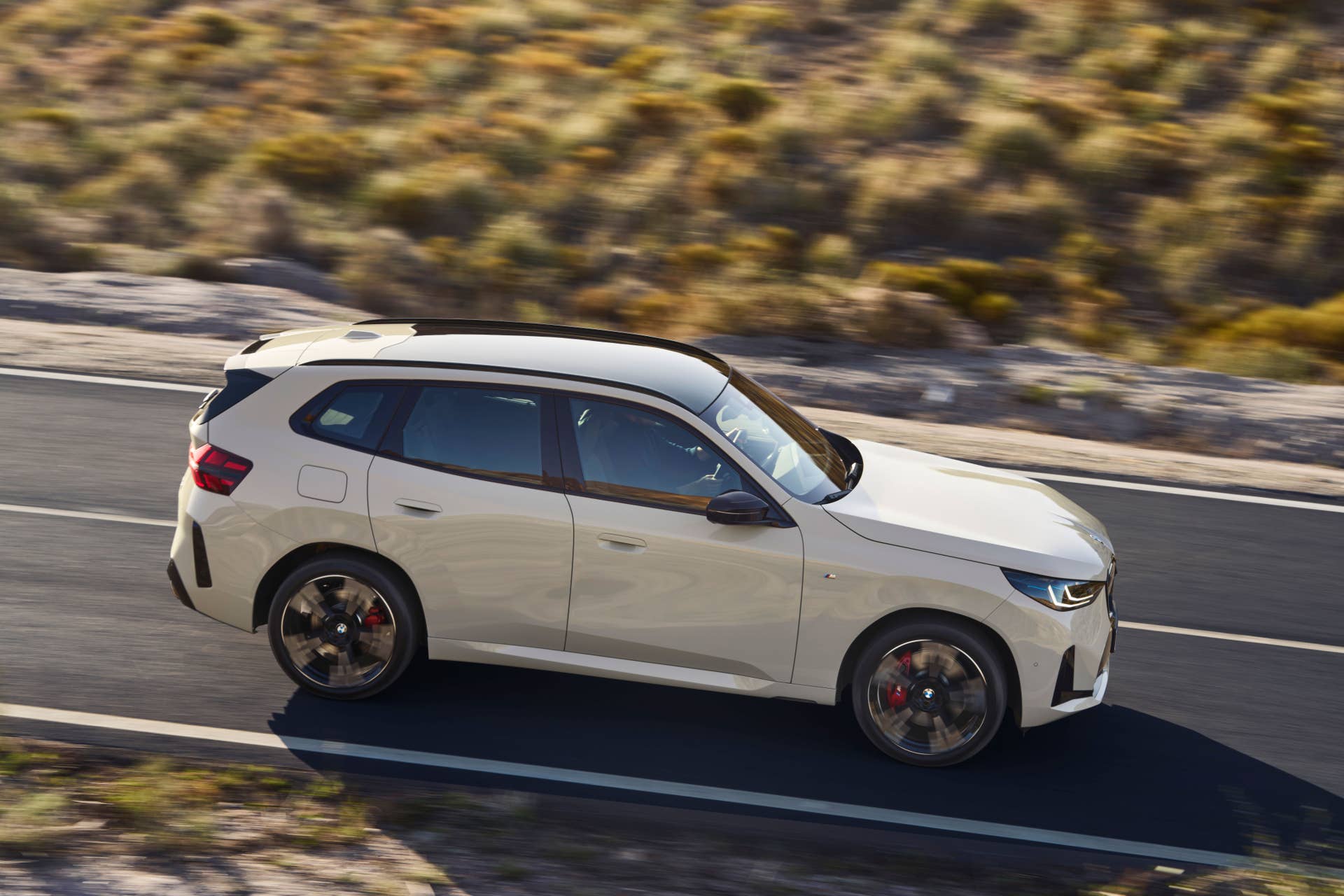
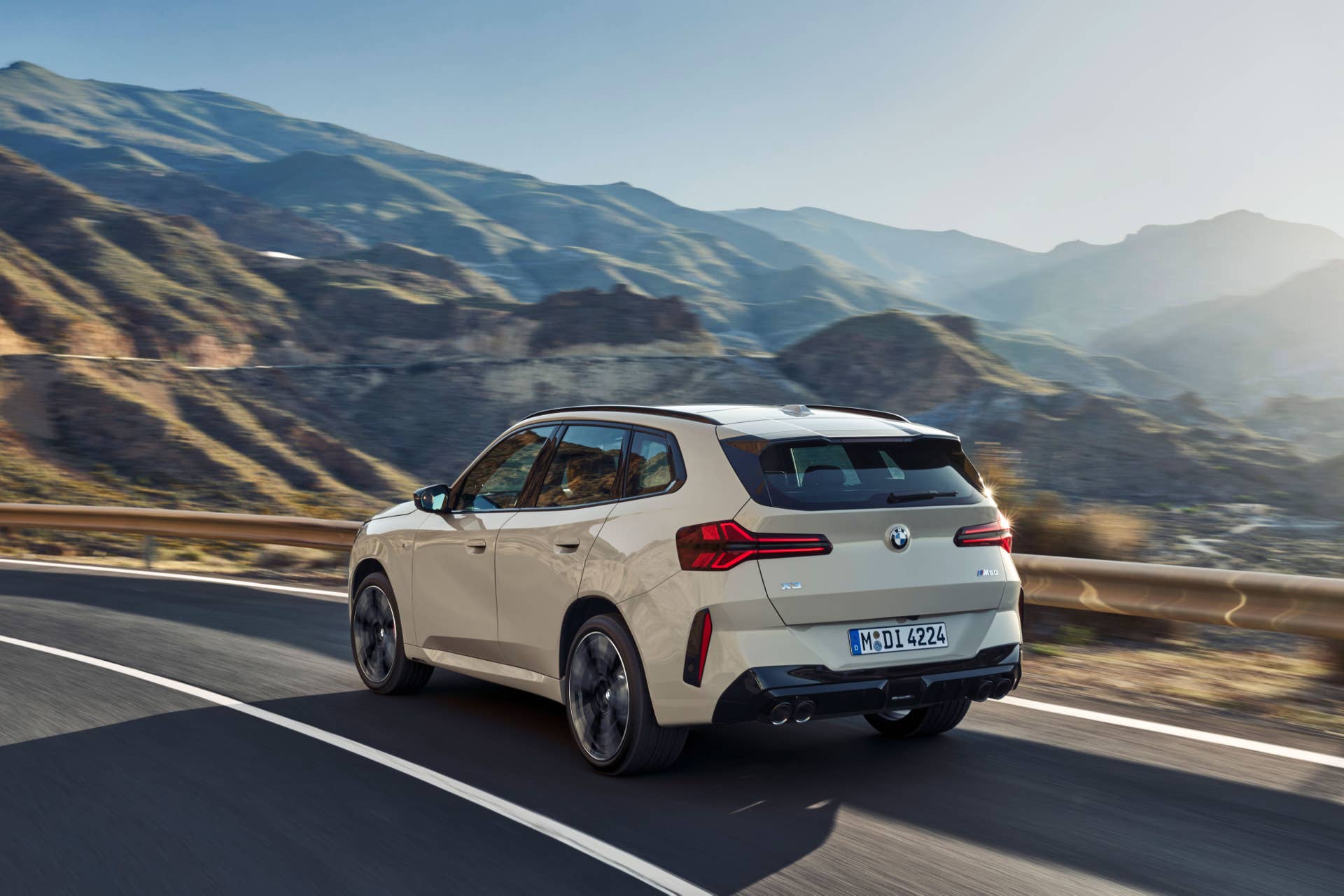
BMW’s X3 30 xDrive uses a 255-horsepower turbocharged four with mild-hybrid assist, and the fire-breathing M50 xDrive steps up to a 393-horsepower inline-six for buyers who want real speed. More important than the numbers is the feel: the X3 steers with precision and rides with a sporty composure that makes it the more engaging SUV to drive.
BMW
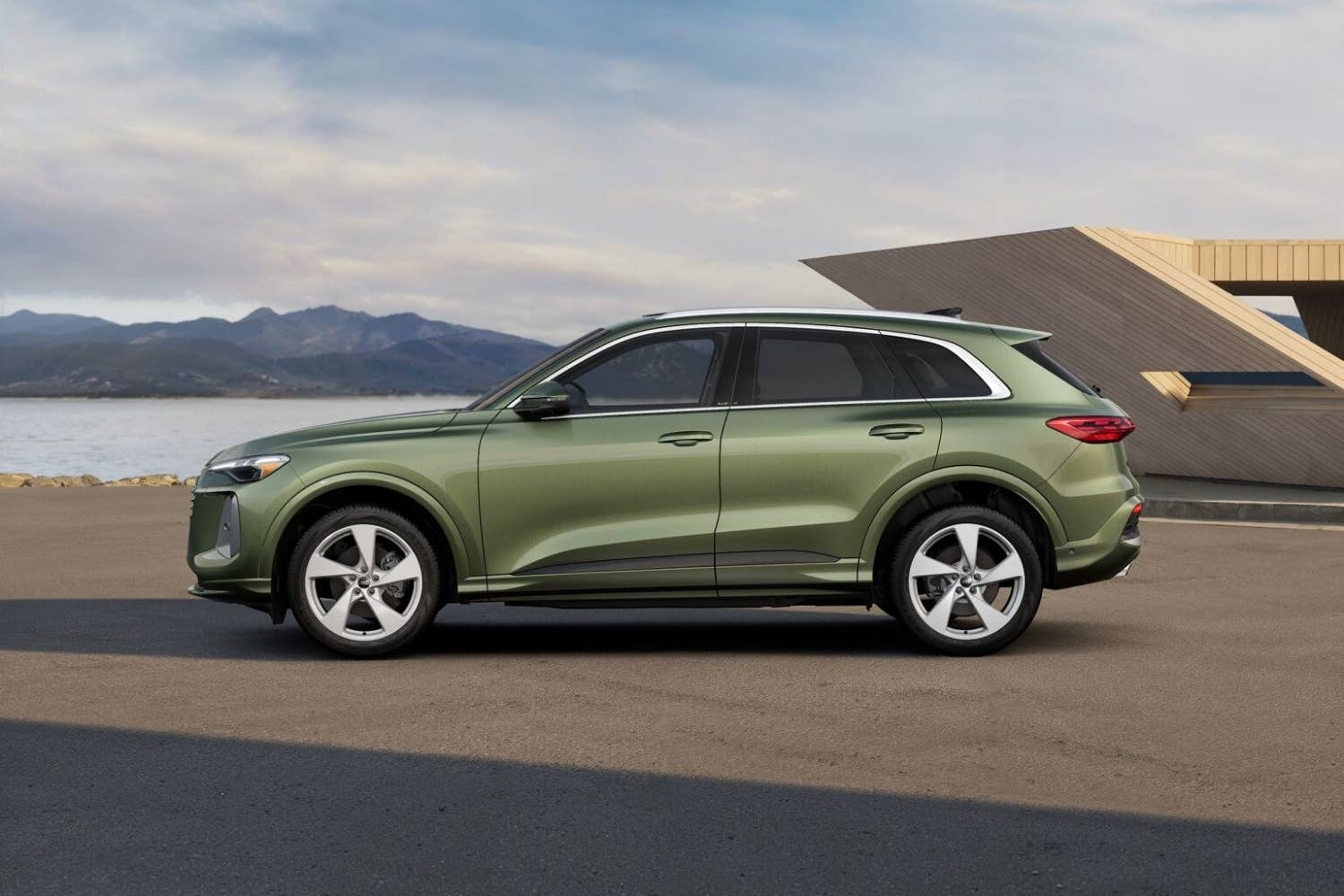
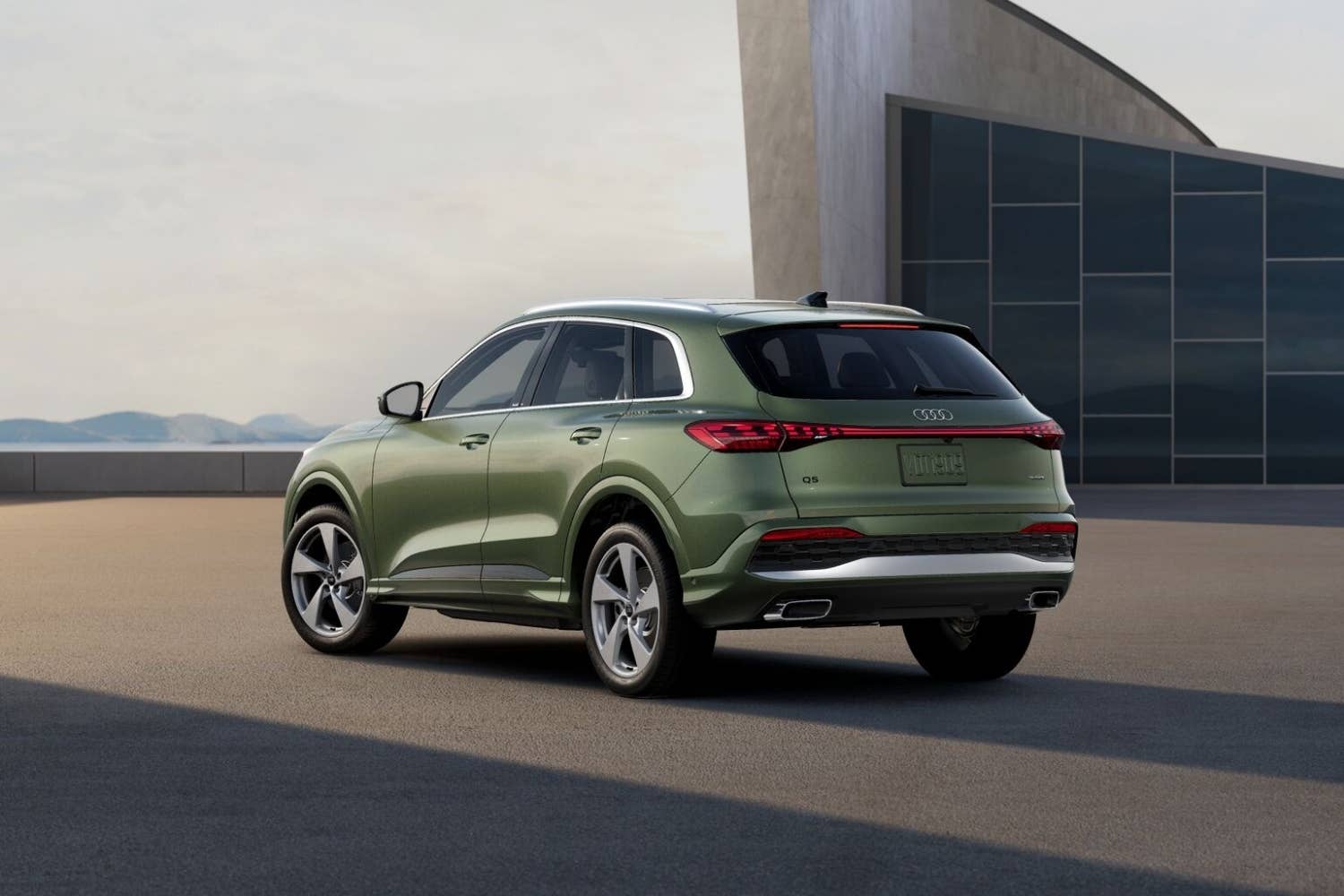
Audi’s Q5 counters with a 268-horsepower turbocharged four, a bit more power on paper, paired with a quick-shifting dual-clutch transmission and standard Quattro all-wheel drive. In practice, the two accelerate similarly, but the Q5 leans toward smooth, refined progress rather than outright sportiness, and its available adaptive air suspension broadens its comfort range.
Audi
Interior and technology
Technology is the Q5’s strongest card. Its curved digital cockpit and large central touchscreen look and work brilliantly, an optional passenger display adds flair, and its app-integrated system feels genuinely next-generation. Audi also gives the Q5 a plush, quiet cabin with reclining rear seats for added comfort.
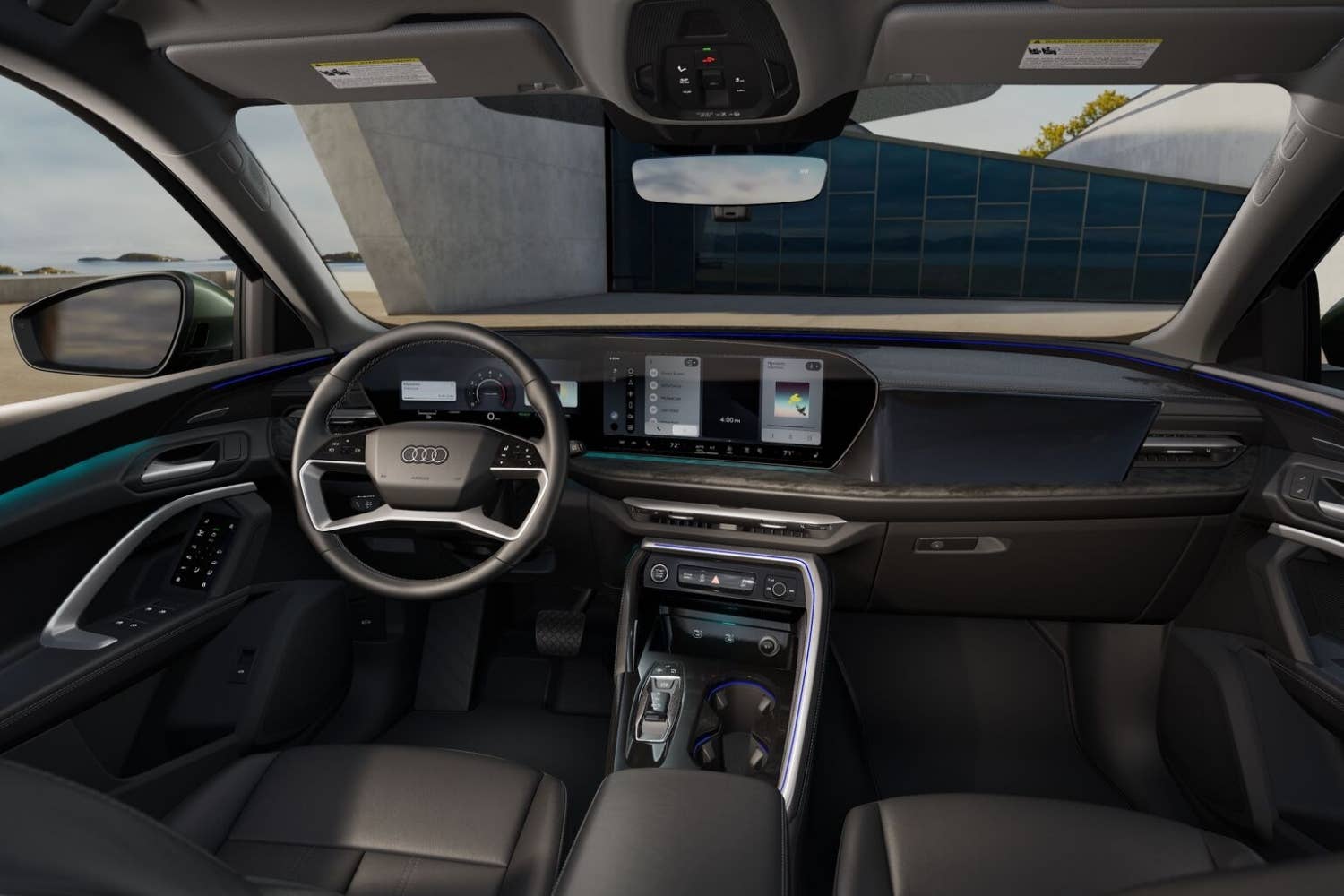
Audi
BMW’s X3 answers with a modern curved display of its own and a well-built, driver-focused cabin, though its tech feels a step behind Audi’s latest for sheer wow factor. Where the X3 hits back is practicality: it offers more cargo space than the Q5, making it the more useful hauler despite the Audi’s slick presentation.
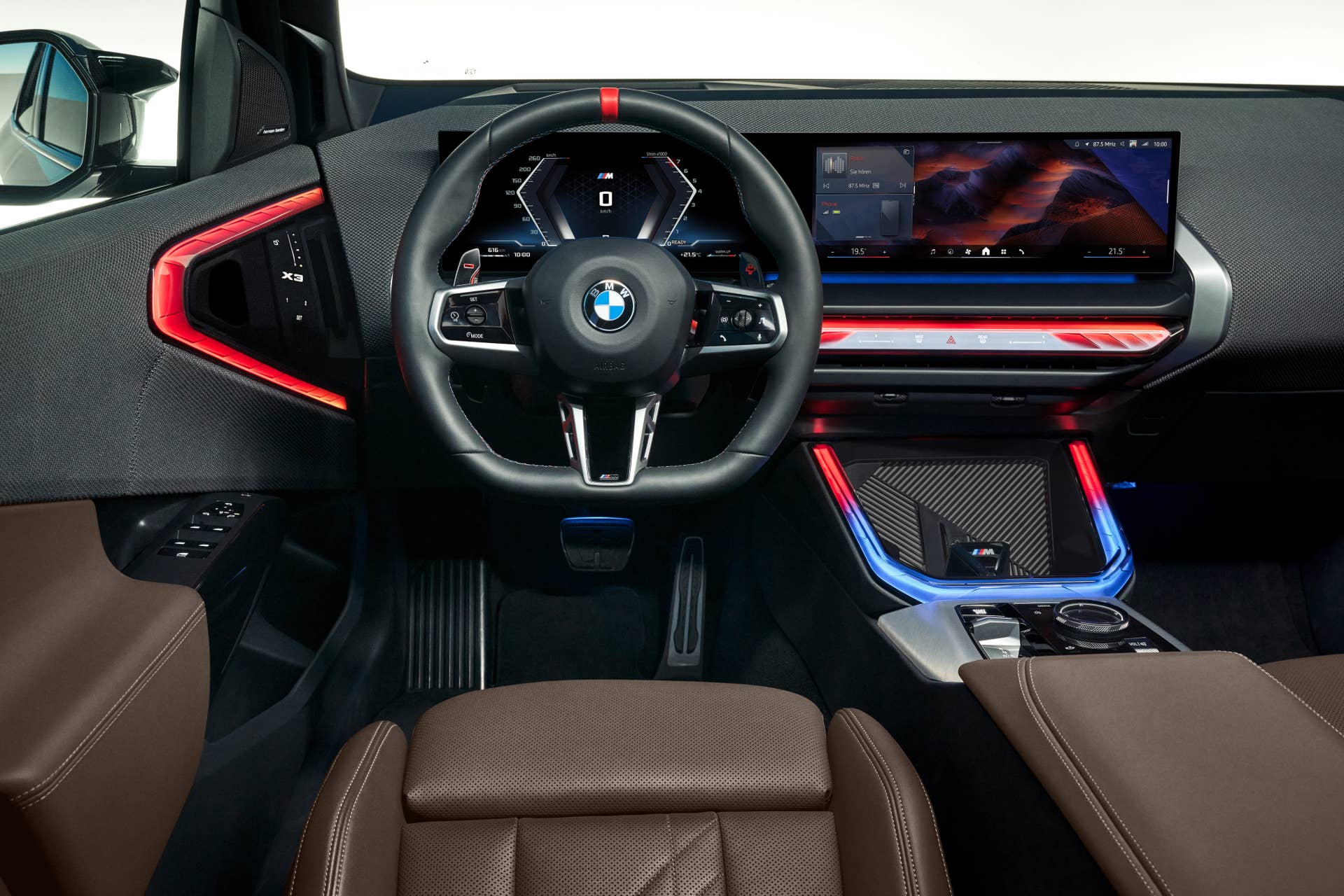
BMW
Efficiency, value, and safety
BMW holds a clear efficiency edge, with the X3 30 xDrive rated around 29 mpg combined against roughly 24 for the Q5, and it typically starts a bit lower on price too. Both SUVs earn a 2026 IIHS Top Safety Pick+, so safety is a wash, and both come loaded with standard driver-assistance technology.
BMW
Audi’s value argument rests on standard content and that dazzling interior, while BMW’s rests on lower running costs and the availability of the thrilling M50 for buyers who want performance.
Audi
So which one wins?
The BMW X3 takes a narrow win. Its sharper driving dynamics, greater cargo room, better fuel economy, and slightly lower price make it the more well-rounded choice for 2026, and the availability of the potent M50 gives it a performance ceiling the standard Q5 cannot reach. The Audi Q5 is the pick for buyers who prioritize interior technology, cabin refinement, and a smooth, comfortable ride, and its cockpit is arguably the best in the class. Both are superb, and both are TSP+, so it is close, but the X3’s blend of engagement and efficiency edges it ahead.
About the author

Kyle Edward
Editor-in-Chief, Autoblog