
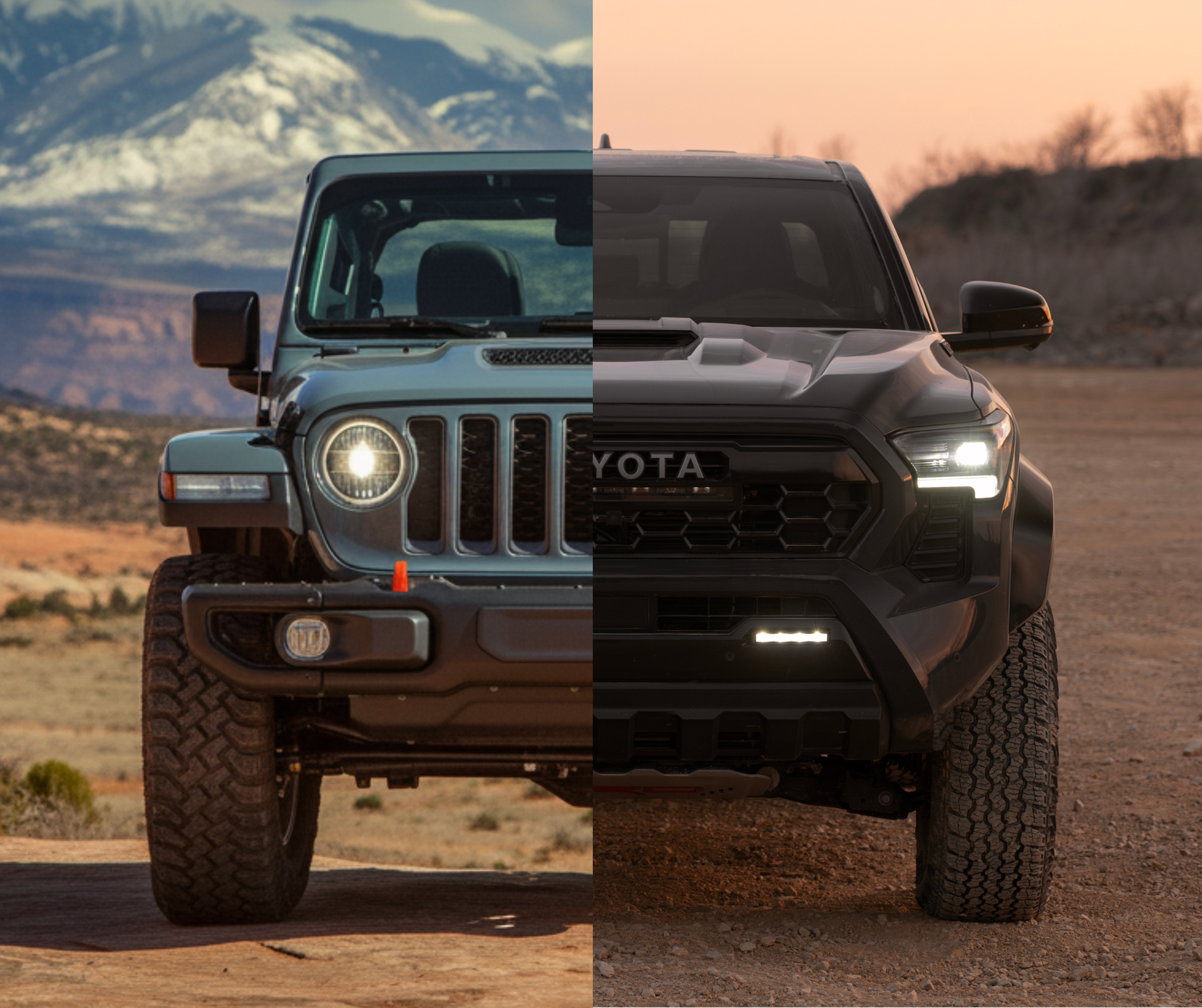
Two capable competitors
Jeep has been making off-road-ready trucks since the 1940s, but Toyota’s only been making the TRD Off-Road or Pro trims since 1998. So, Jeep knows a thing or two about capable, solid front axle-toting, four-wheel drive trucks. However, Toyota’s off-road trims for the Tacoma are better for on-road performance, with off-road capability being the secondary focus. For the Jeep, it’s the opposite.
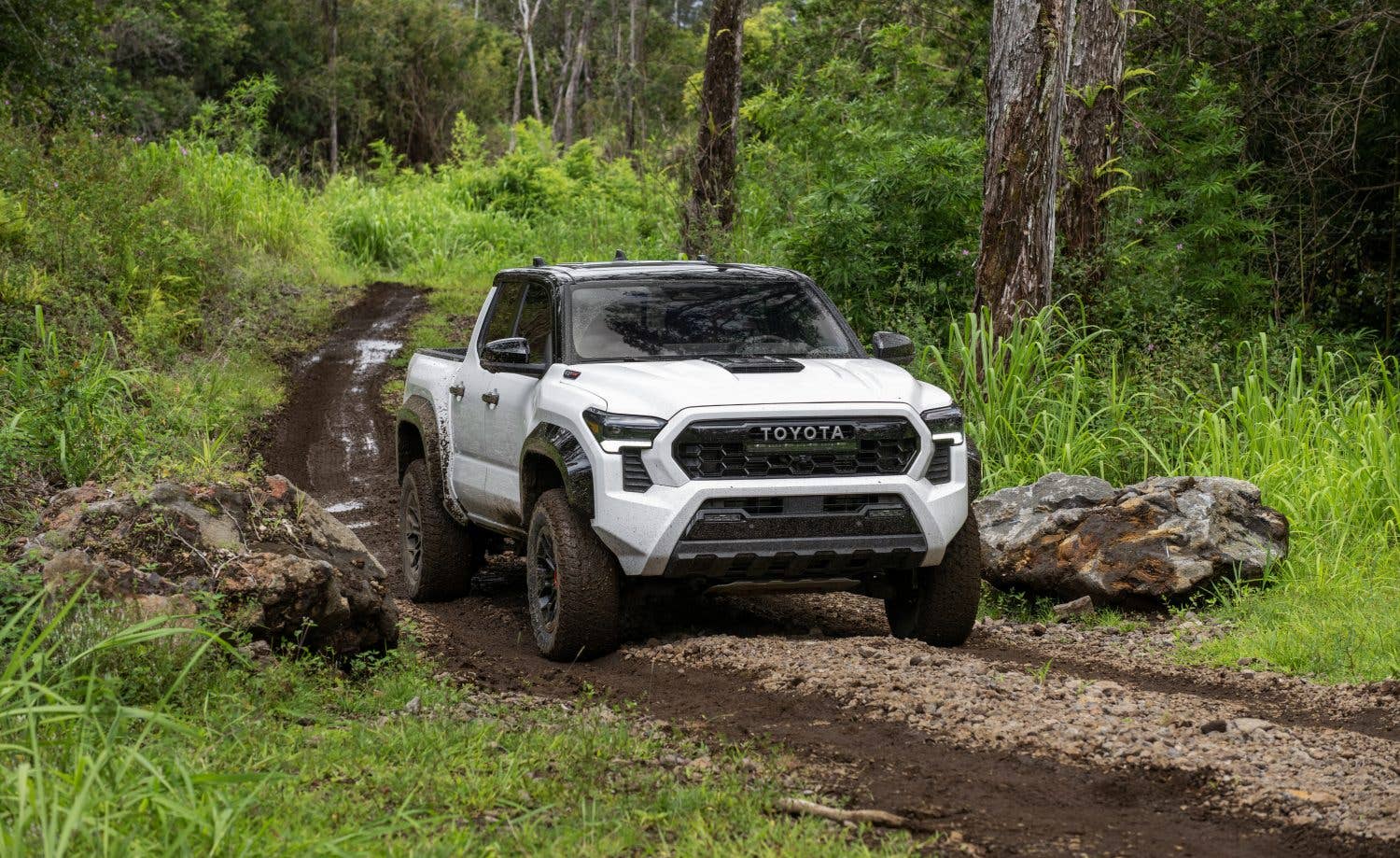
Toyota
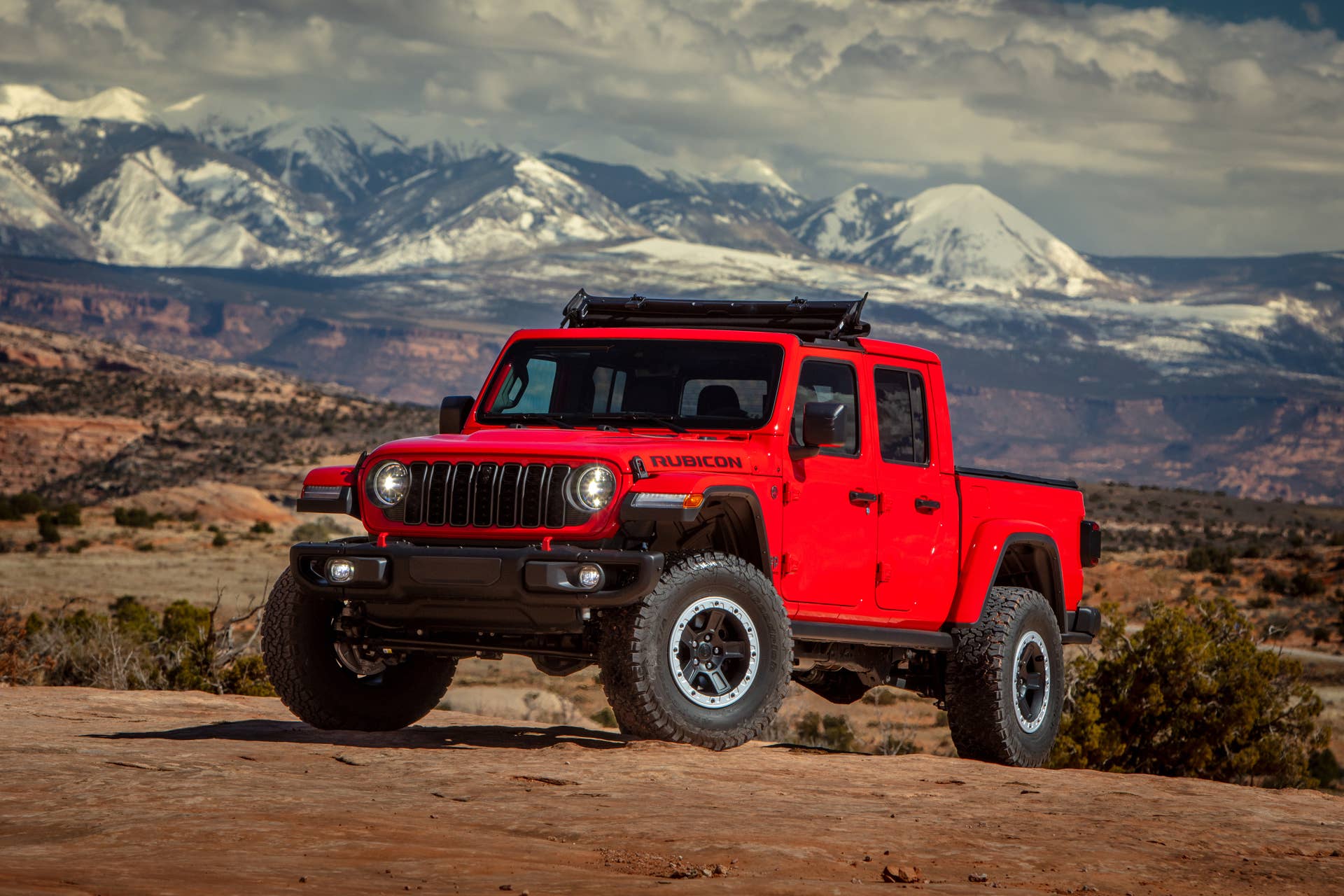
Jeep
Ironically enough, though, the Toyota’s more expensive. The Gladiator Rubicon X costs around $61,695, and the Tacoma TRD Pro starts at $65,730. When you’re looking at spending more than $60,000 for either truck, it’s hard to decide which features make it worth the splurge. Whether you’re buying one to look like you off-road or you intend to get it dirty on the regular, breaking down the feature-to-price ratio can help you decide which is best.
For an open-air experience, the Gladiator is the only way to go
If you look at the webpage for the Jeep Gladiator, you’ll notice that Jeep is very careful to mention that it’s the only open-air pickup truck available in America. Like a true Jeep, you can remove the front and rear doors, as well as the roof. Some trims even come from the factory with a soft top for the classic Wrangler-inspired experience. The closest you can get to the open-air experience in the Toyota is to roll the windows down in the front and rear, or open the very rear window.

Jeep
Having an open-air truck is nice off-road, but as a Wrangler owner, if you want to keep the interior even remotely clean, having the doors and roof off will make that incredibly difficult. I’ve been cleaning Moab dust out of every nook and cranny for ages, and when you do clean it, it looks dirty again. Now, I’m neurotic about a dusty interior–but in the moment, it doesn’t bother me. It’s only after off-roading that I notice the dust and dirt covering literally every surface that sunlight touches.
When it comes to off-road features, the Jeep is better equipped
The Tacoma has a sharper focus on modern technology and driving comfort, while the Jeep is packed with more mechanical hardware to make rock crawling from the dealership’s lot seamless. The Tacoma has a lot more electronic or automated off-road features, like a multi-terrain trail system, hill descent, and crawl control, while the Jeep is more rustic and analog, with buttons for features like a quick sway bar disconnect, front and rear lockers (though the Toyota only has a rear locker), and an electronic switch to choose between 4Hi, 4Lo, 2Hi, or 2Lo. The Tacoma also comes from the factory with the company’s Multi-Terrain Monitoring system, which adds an off-road camera setup. The Jeep can also come with that, but it’s optional equipment, and it’s reportedly not great.

Toyota
This is more for rock crawling than anything else, but the Rubicon X has a solid axle in the front and rear compared to Toyota’s independent suspension system in the front and a multi-link system in the rear, making the Jeep better at articulation when rock crawling. The solid-axle setup also means the Gladiator is mechanically simpler, but better suited for extreme conditions off-road, while the suspension setup in the Toyota makes it more comfortable on the pavement.
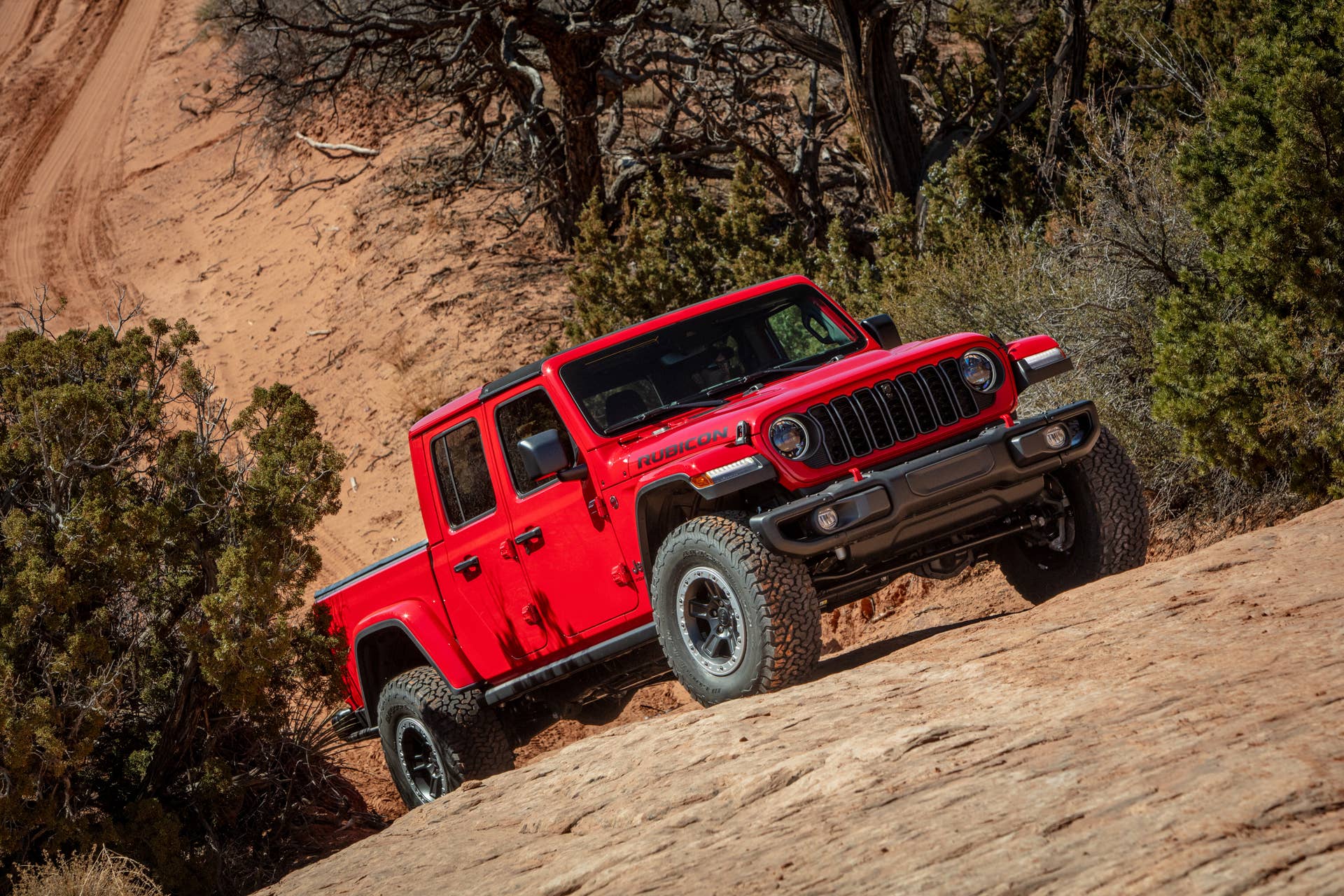
Stellantis
Otherwise, both come from the factory with off-road tuned Fox suspension setups and 33-inch all-terrain tires, though the Gladiator comes with light-truck rated tires, thanks to its higher towing rating of 7,000 pounds versus 6,500 pounds. Both also come with steel protective skid plates to protect the fuel tank, engine oil pan, and transmission. The TRD Pro, because of the larger tires, is a few inches higher than lower-end trims, though there isn’t a lift on the frame. The Gladiator, though, comes with the company’s JPP frame lift, which raises it almost 2 inches.
For daily driving, the Tacoma has the upper hand
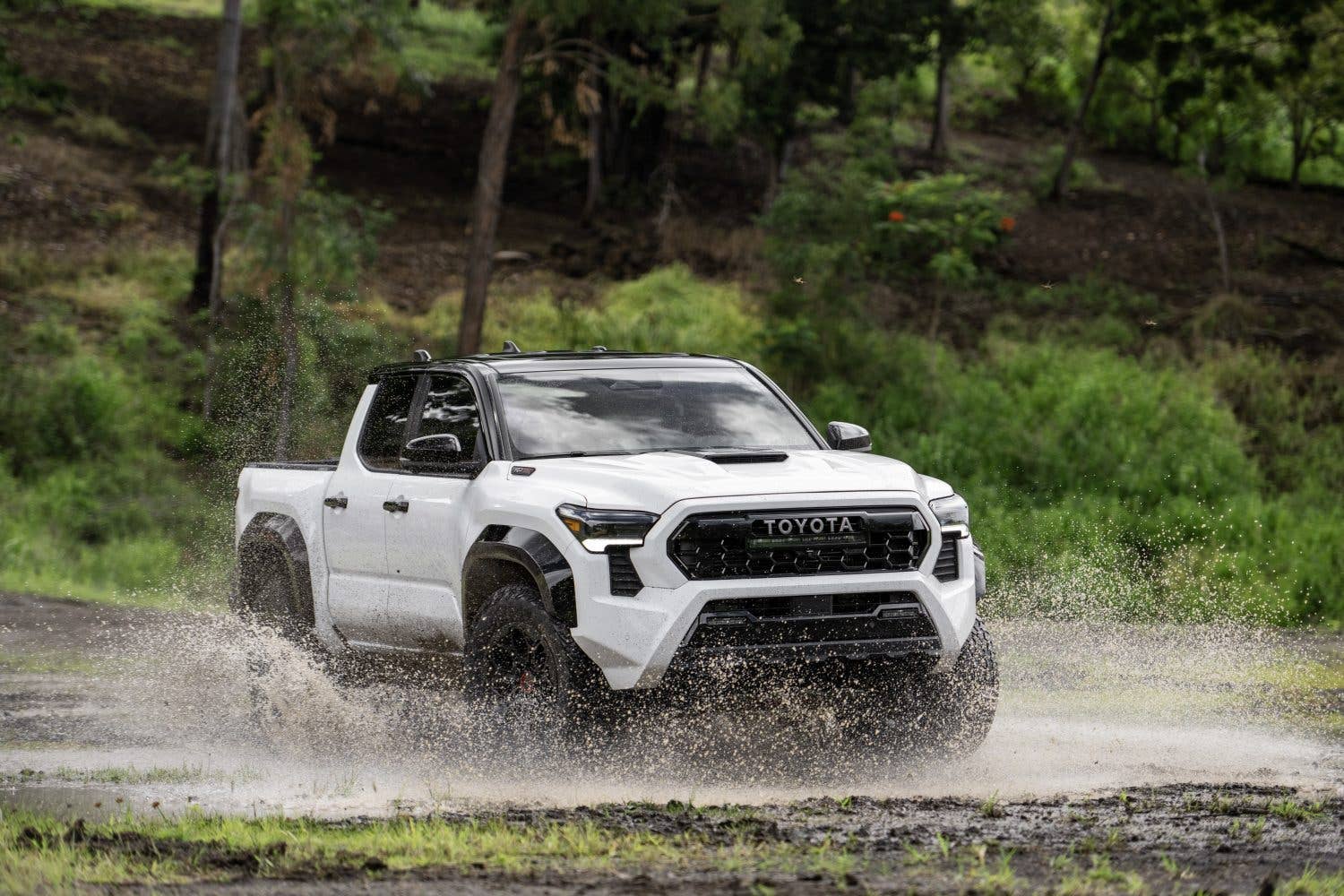
As I mentioned before, the suspension setup in the Tacoma makes it a better-behaved truck for longer drives on the highway, and the interior quality and materials make it quieter in the cabin, too. As far as design and technology, Toyota’s interior layout and design are a bit nicer, and I found the visibility to be better in the Tacoma over the Jeep. The Toyota is more efficient, too, because of its lower 3.55 axle ratio compared to the Jeep’s off-road-focused 4.10 ratio.
Toyota
So, if you want a more upscale and comfortable ride for your daily errands, the Toyota is better suited for it. The Jeep rides like, well, a Jeep made for rock-crawling. It’s rougher, bumpier, and not as comfortable (though the chairs are equally comfortable in both trucks). Therefore, the Gladiator would be better as a dedicated rig, while the Tacoma would be better for a little bit of everything–except towing.
If horsepower matters, the Tacoma’s hybrid system gives it more power
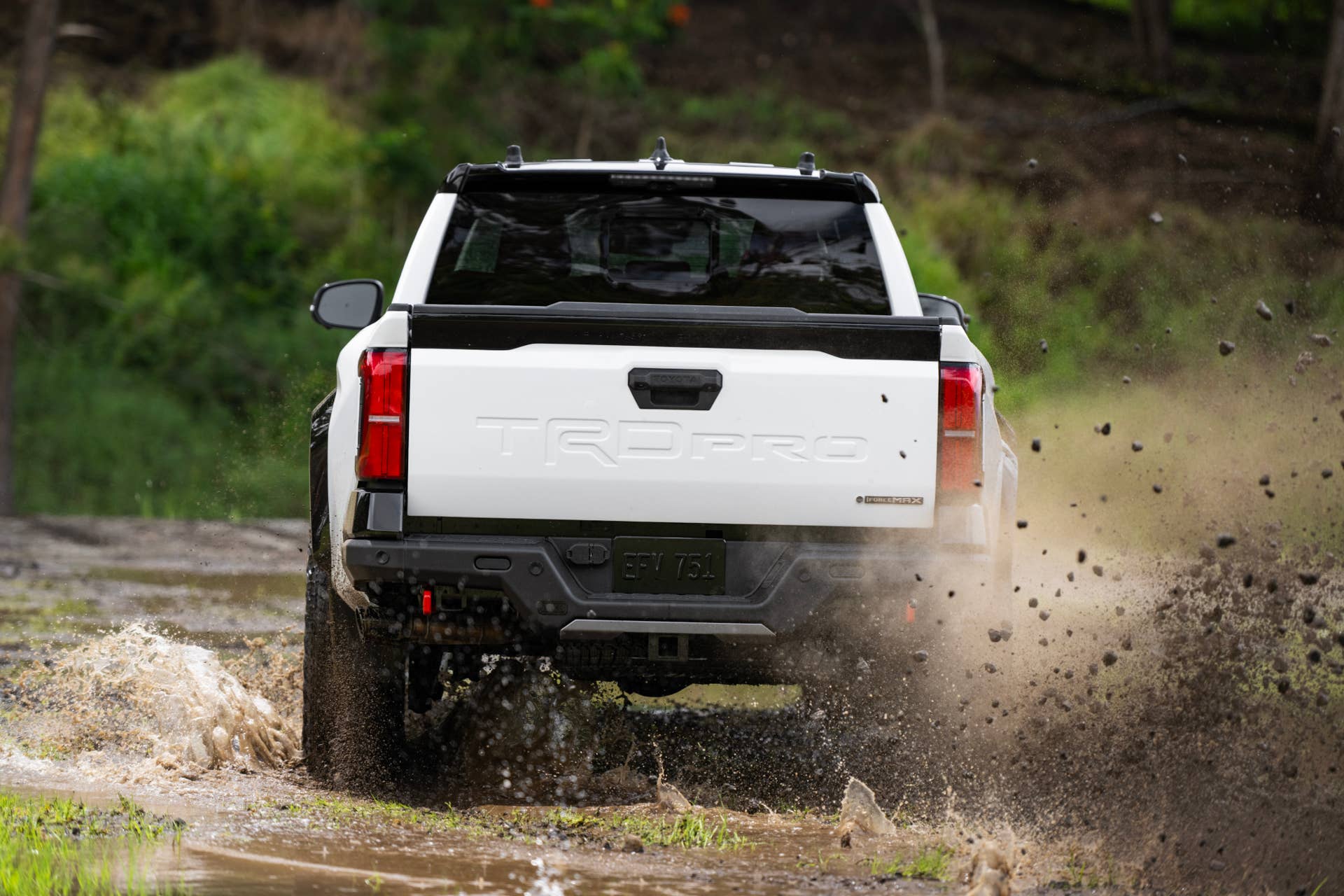
The Gladiator comes with Chrysler’s 3.6-liter Pentastar V6, which produces 285 horsepower and 210 lb-ft of torque. The Toyota, however, has the company’s new i-FORCEMAX hybrid system, which pairs a 48-horsepower hybrid battery and Toyota’s 2.4-liter turbocharged four-cylinder engine, making for a combined 326 horsepower and 465 lb-ft of torque. The hybrid system isn’t for mileage, though–it’s for a higher torque figure at the low end, making it better for towing and off-roading compared to Toyota’s gas-only engine.
Toyota USA
As everyone knows, though, horsepower isn’t what matters when it comes to off-roading or rock crawling. It’s a game of who has the most torque, and the hybrid system in the Tacoma makes it a very potent competitor for the Gladiator when the tarmac turns to rock, dust, dirt, mud, or snow.
Final thoughts: It depends on how serious you are about off-roading
The Jeep should be more attractive for people who want a serious rock crawler straight from the dealership’s lot, because it has everything you’d need to hit the Rubicon Trail immediately after signing on the dotted line. The TRD Pro realistically shouldn’t need modifications to handle a more difficult trail, though. But, because of the higher price tag, it becomes a matter of which brand you’d trust over the other. Toyota’s known for its reliability, while Stellantis is going through a rough patch when it comes to reliability.
About the author

Kristen Brown
Contributing Writer, Autoblog