

Two of the most affordable cars around
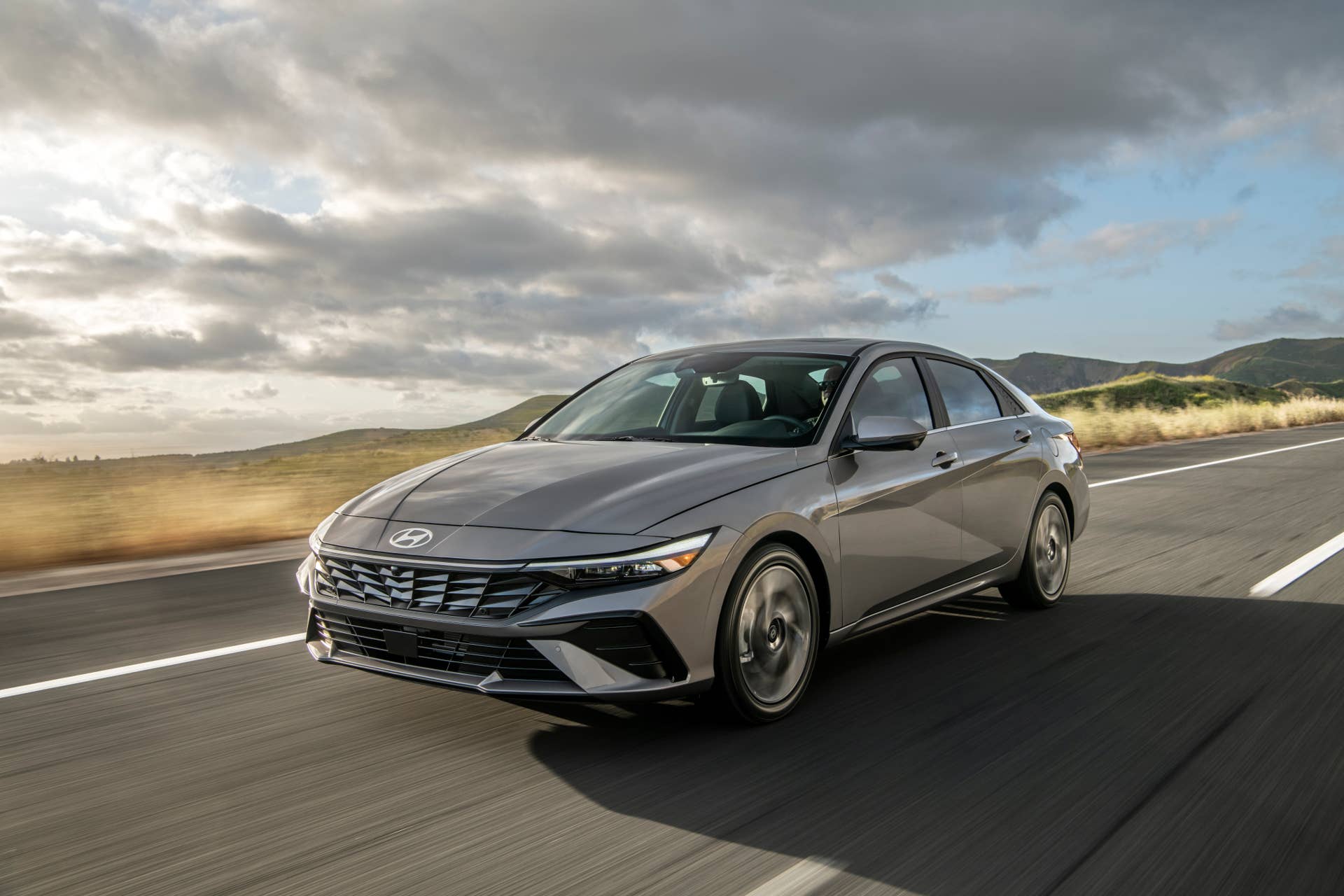
Affordable vehicles are becoming less common as the years go by and prices surge, but the Hyundai Elantra has stayed true to its history. Priced from $22,125, the 2025 model makes no compromises when it comes to standard equipment and budget-friendly pricing. In its latest iteration, Hyundai has simplified the lineup with an SEL Convenience trim that comes with the amenities of last year’s Convenience package.
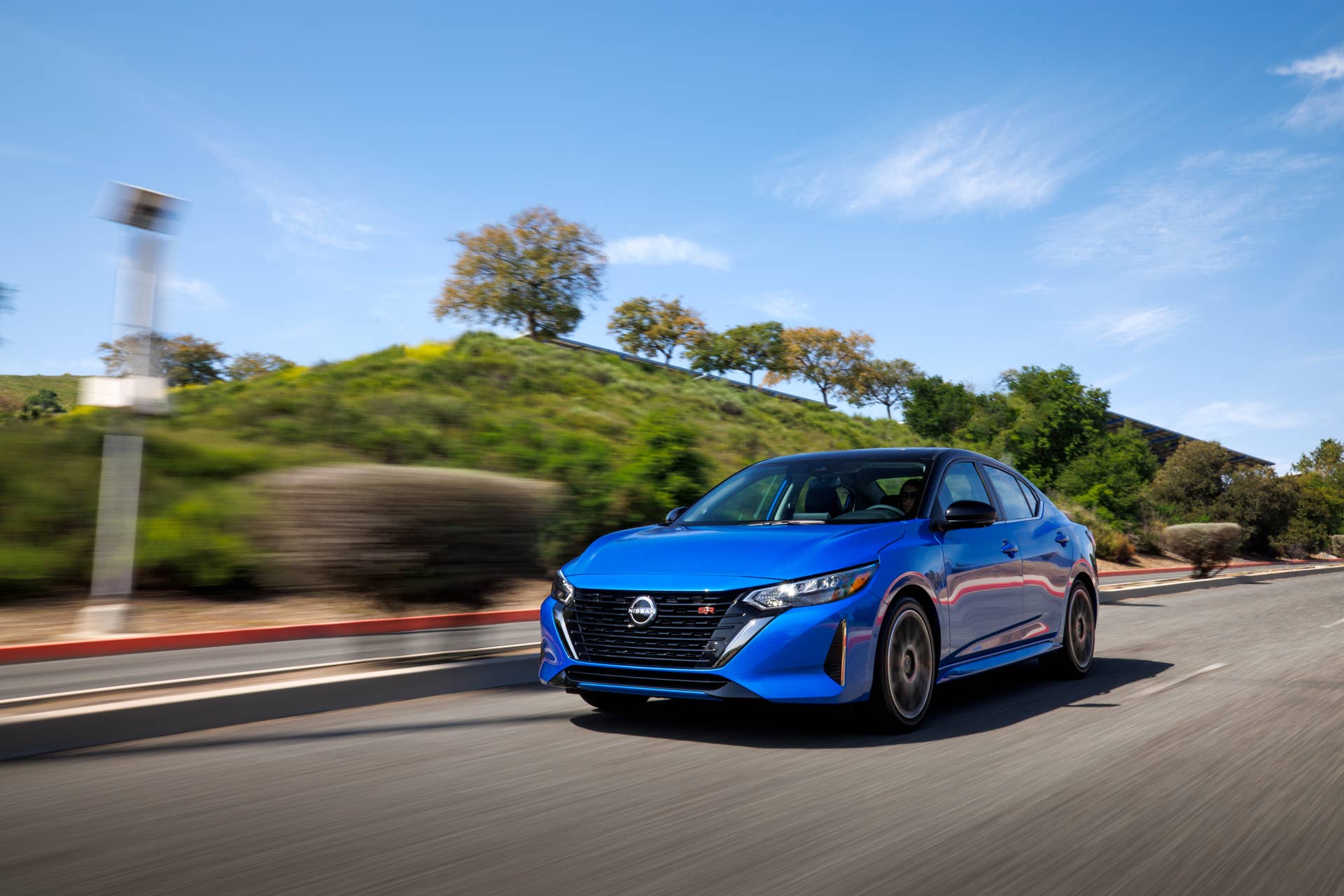
With more than 30 years on the market, the Nissan Sentra also has a strong history of affordability behind it. The Japanese sedan doesn’t break with tradition, starting at $21,590 for the 2025 model year. Much like its Korean competitor, the Sentra doesn’t have many changes on the docket, with the most notable being the inclusion of NissanConnect on the SV trim.
Exterior styling spotlight
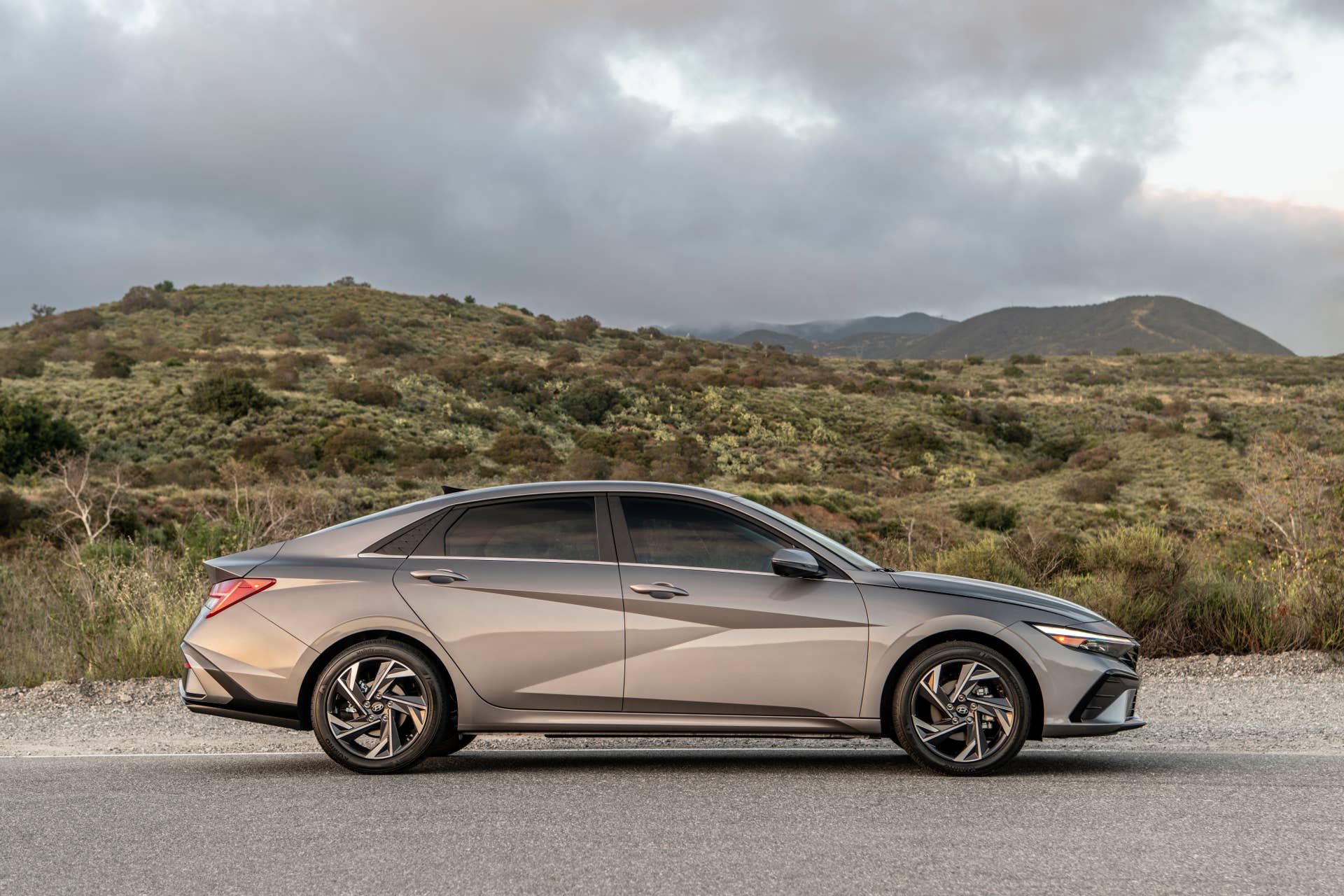
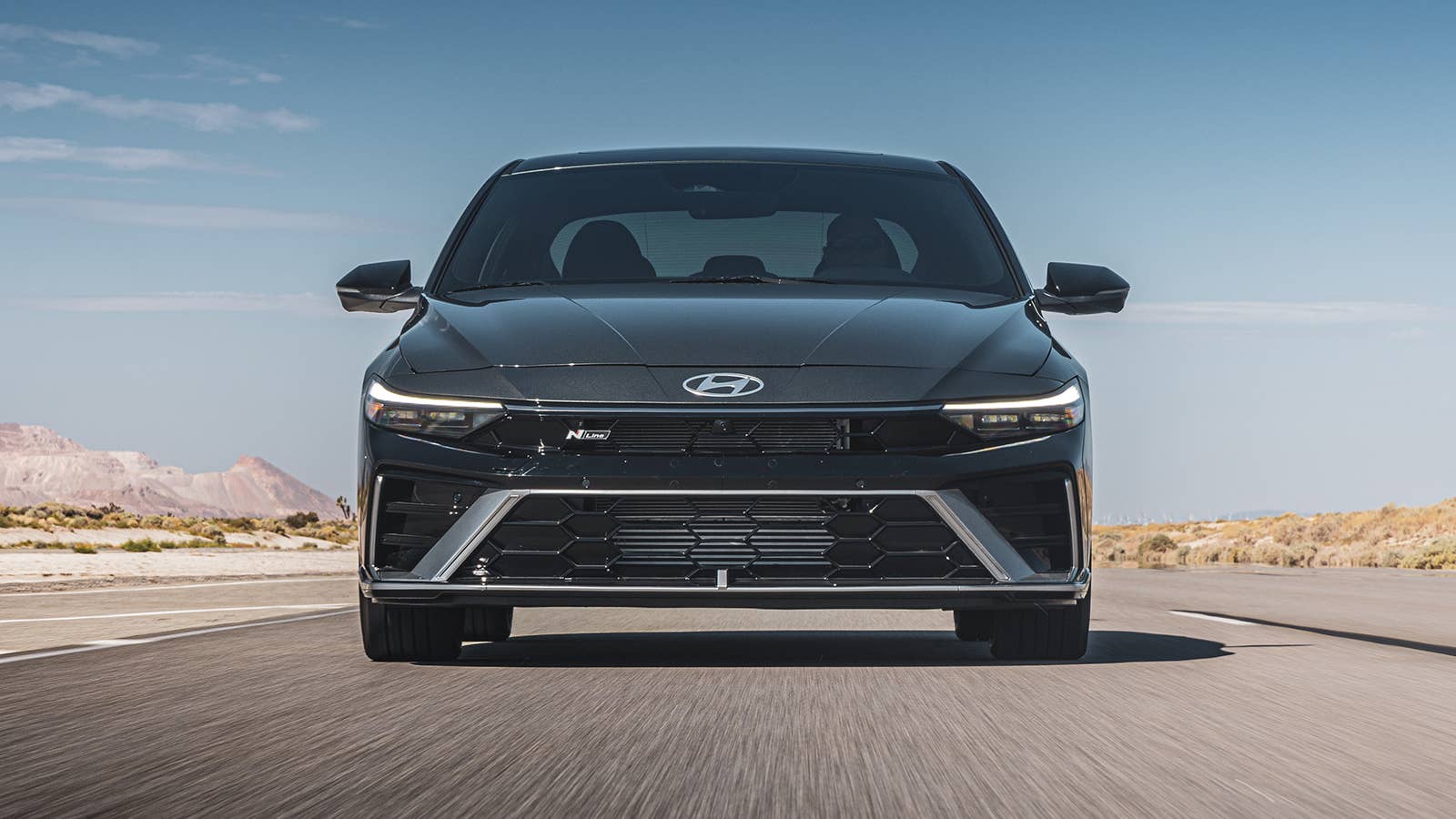
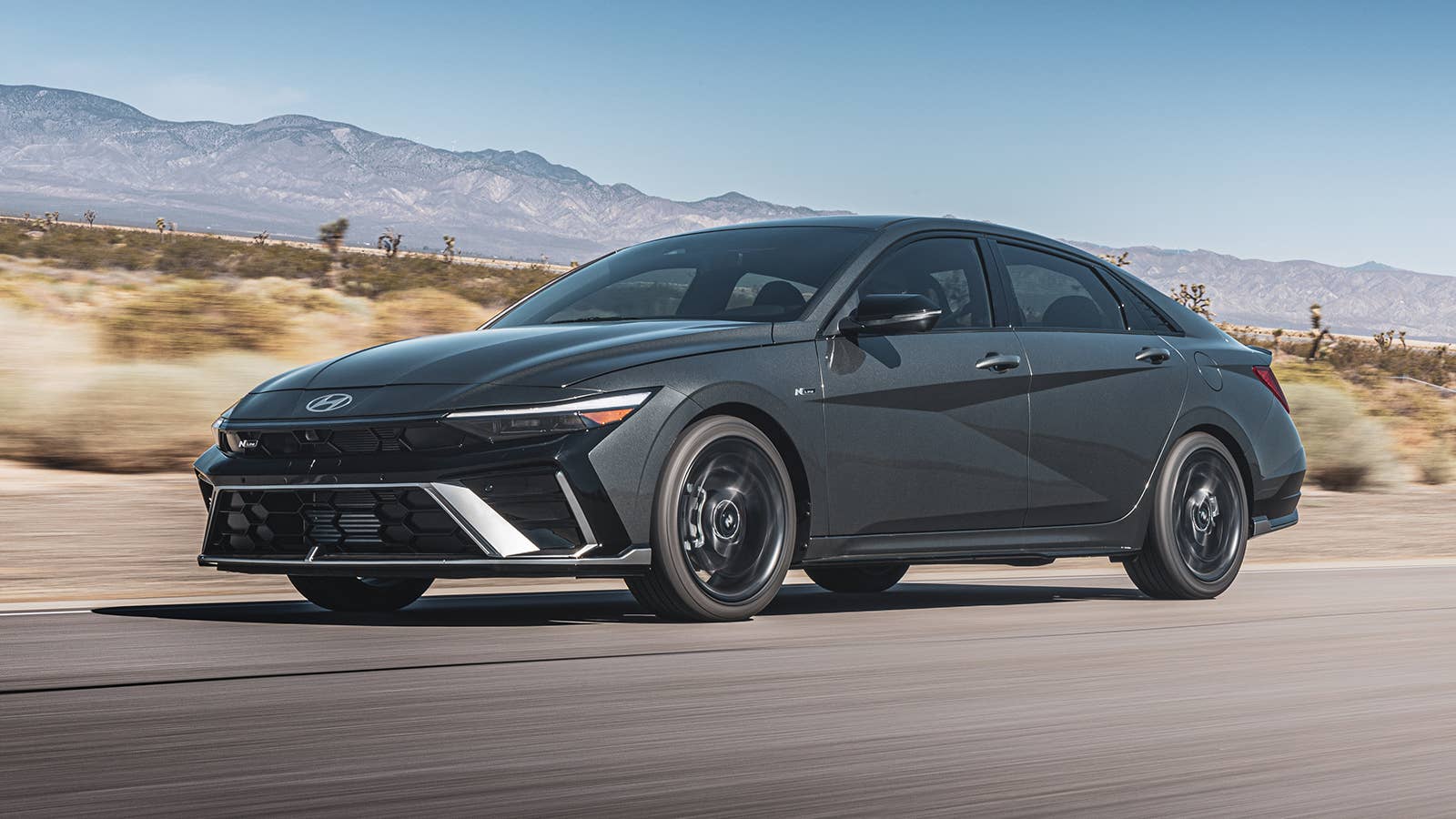
Affordability is the name of the game when it comes to compact cars, and there are few models that deliver more bang for your buck than the Hyundai Elantra. At the base level, the Elantra features sleek, clean-cut lines accented by LED headlights, a black grille, and 15-inch wheels. Stepping up towards the top of the range, the Elantra rolls out on 17- or 18-inch wheels, with full LED lighting and heated side mirrors. The range-topping N Line model gets sportier front and rear styling elements, as well as chrome dual exhaust outlets.
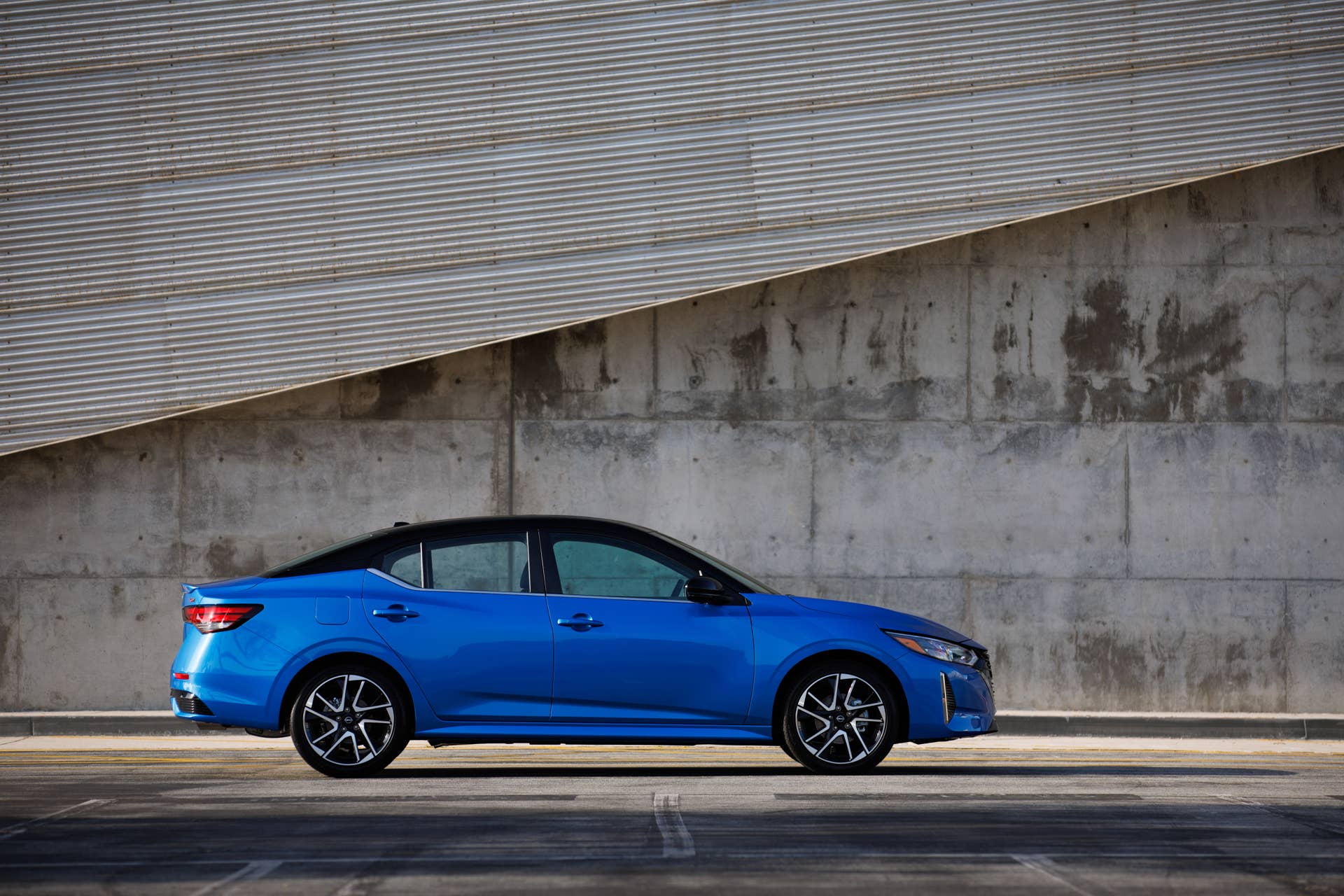
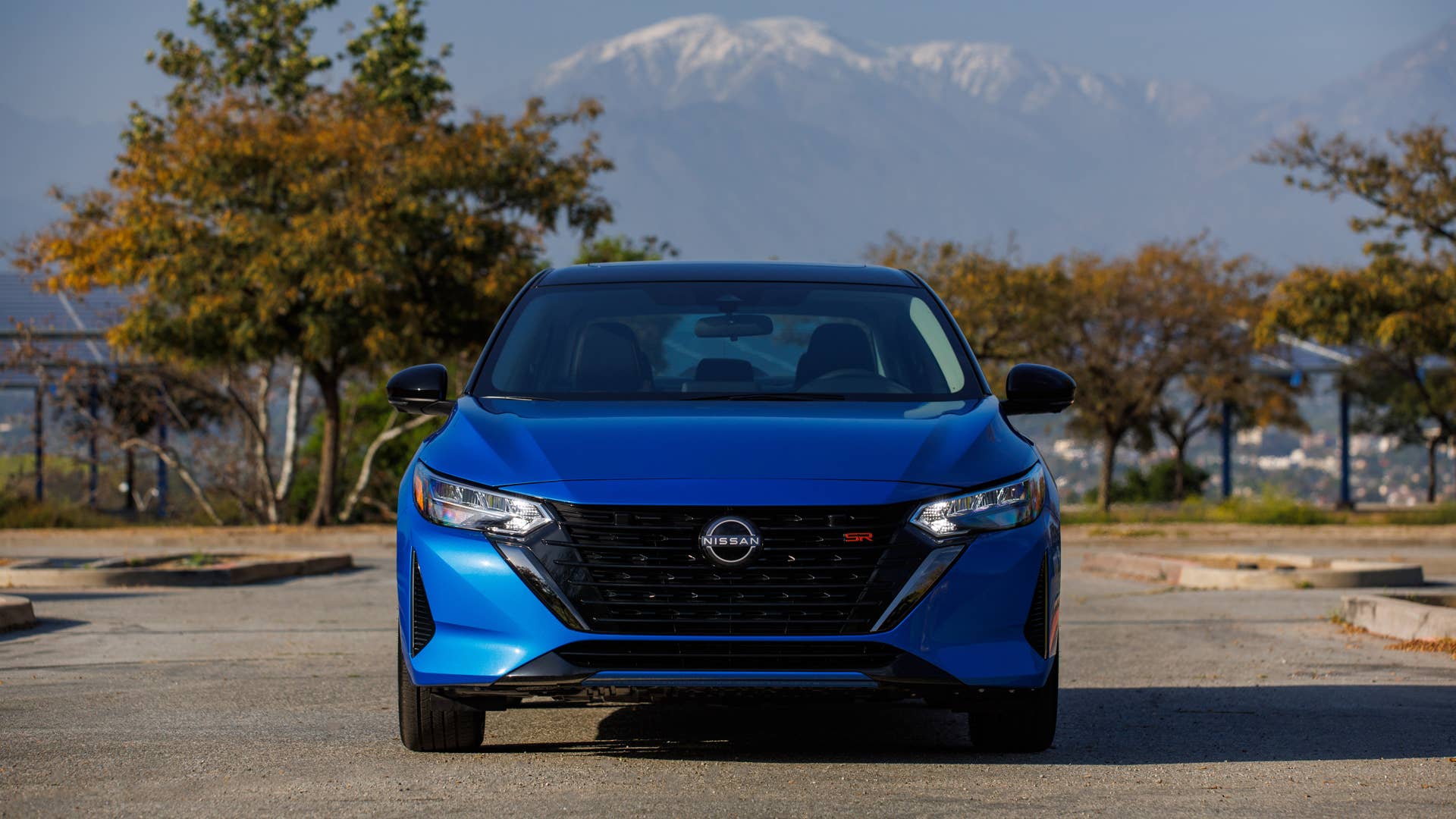
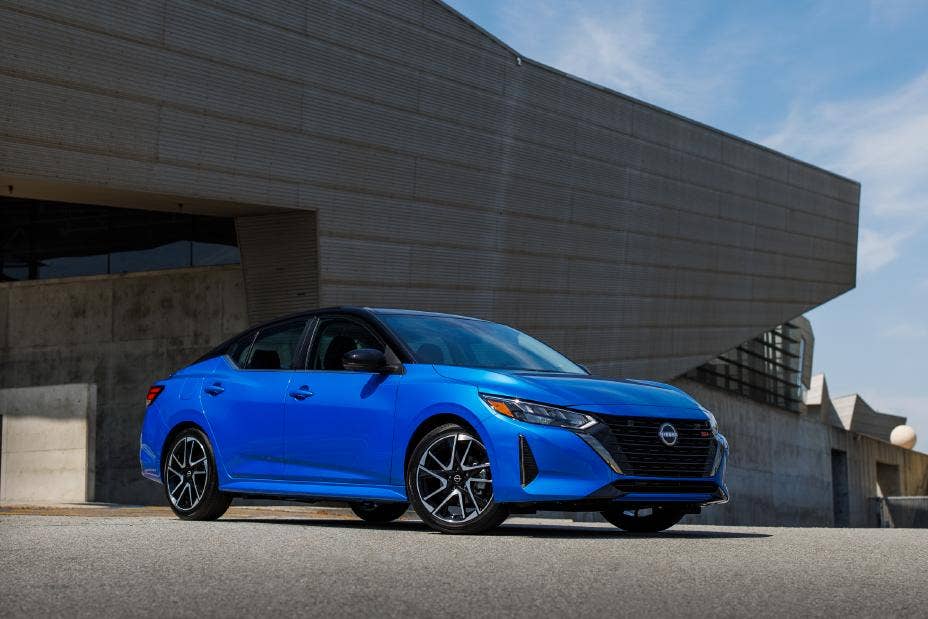
The Nissan Sentra undercuts the Elantra by a little over $500, but it doesn’t cut corners. The Japanese sedan boasts a handsome exterior that leans towards sporty without becoming gaudy. Entry-level Sentra models feature 16-inch wheels and a black grille with chrome accents. At the top of the range, the Sentra gets upgraded to more athletic 18-inch wheels, a dark chrome or black grille, and LED lighting. The top Sentra models also get heated side mirrors for added convenience.
Fuel efficiency trumps performance
On the performance side of the arena, the Hyundai Elantra comes with one of two engine options. Most models come stocked with a 2.0-liter four-cylinder engine that sends 147 horsepower and 132 lb-ft of torque through a CVT to the front wheels. Elantra models equipped with that engine earn up to an EPA-estimated 32 mpg in the city and 41 mpg on the highway.
Hyundai
The Hyundai Elantra N Line trim, not to be confused with the more powerful Elantra N model, packs a 1.6-liter turbocharged four-cylinder engine paired with a seven-speed dual-clutch transmission. That combination generates 201 horsepower and 195 lb-ft of torque. The Elantra N Line is rated for an EPA-estimated 28 mpg in the city and 35 mpg on the highway.
All Nissan Sentra models feature a 2.0-liter four-cylinder engine mated to a CVT, producing 149 horsepower and 146 lb-ft of torque. As is the case with almost all compact sedans, FWD comes standard. At its most efficient, the 2025 Sentra earns up to 30 mpg in the city and 40 mpg on the highway.
Nissan
Interior design and features
With prices starting at under $25,000, neither the Hyundai Elantra nor the Nissan Sentra will be the pinnacle of comfort or tech. Instead, they focus on delivering practicality as a daily driver, with modern infotainment systems and ergonomic controls. Both models feature the convenience of Apple CarPlay and Android Auto compatibility, but only the Elantra offers wireless connectivity. Interestingly, however, that wireless connectivity is limited to lower trim levels, as the top three trims all require a wired connection.
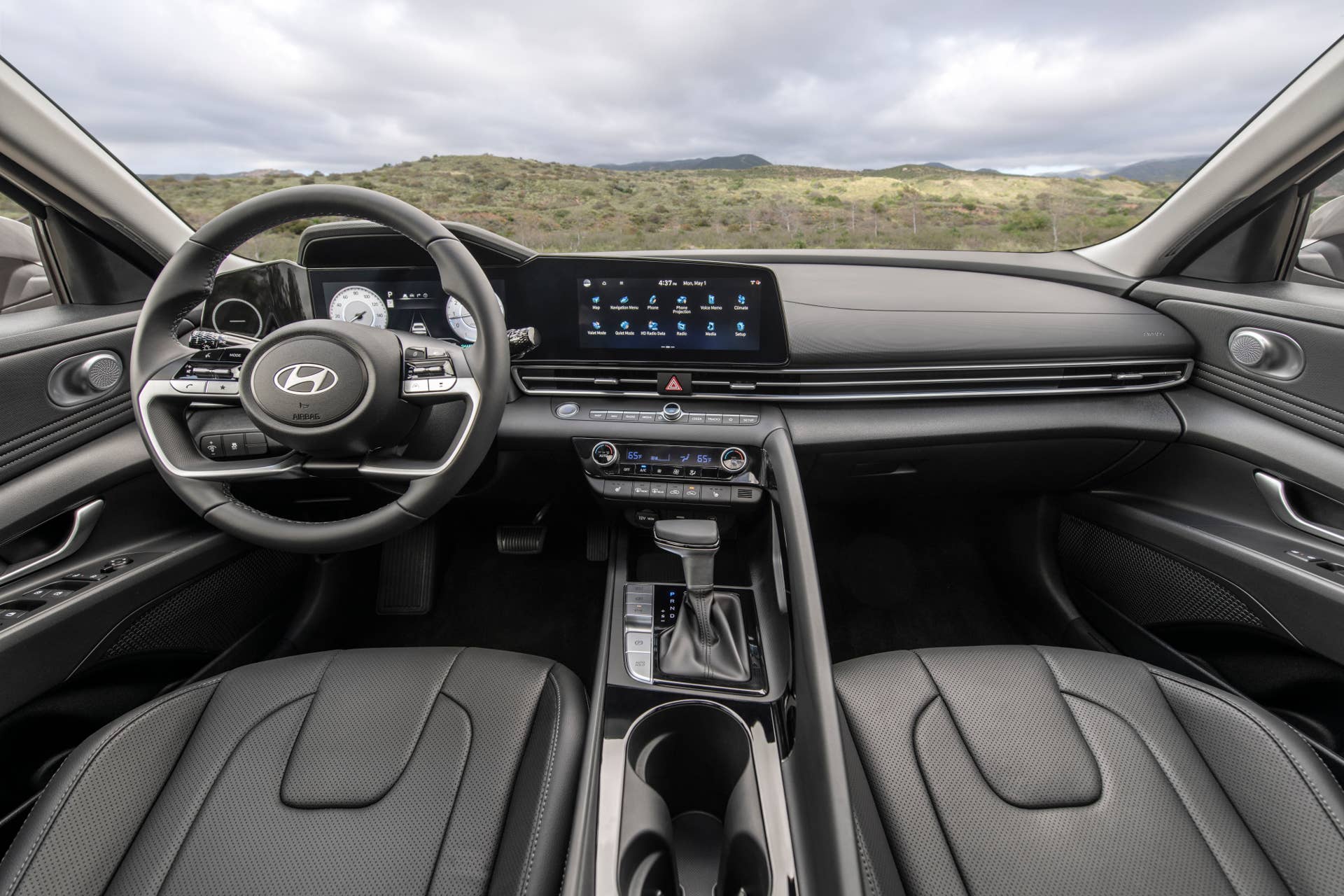
All Nissan Sentra models get an eight-inch touchscreen display, except for the base model, which features a seven-inch unit. Lower Elantra trim levels get an eight-inch touchscreen display as well, but higher trim levels get upgraded to a 10.25-inch infotainment display. Both the Elantra and Sentra are available with an eight-speaker Bose premium sound system, but it only comes standard in the Elantra Limited trim.
As one might expect at this price point, both compact sedans come with cloth seating and hard plastics throughout the cabin. Heated front seats are available in both models, but only the Sentra offers an optional heated steering wheel. Top trims on both models feature a steering wheel wrapped in leather or leatherette, depending on the model. The Elantra N Line also includes trim-exclusive elements designed to nurture a sportier aesthetic, including alloy sport pedals.
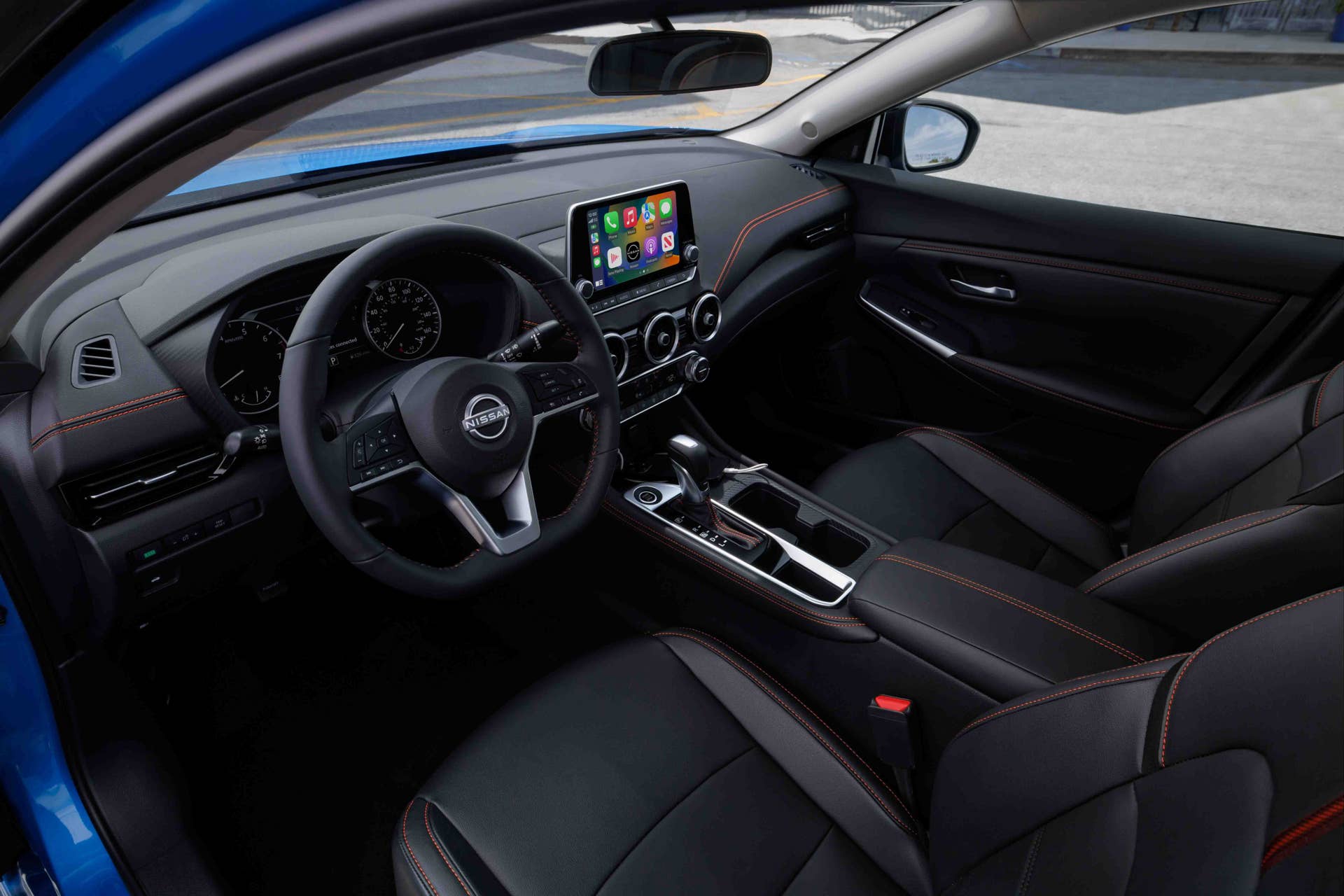
No matter how you cut it, the Nissan Sentra and Hyundai Elantra are closely matched. The Sentra has a slight edge when it comes to trunk space, measuring in at 14.3 cu ft., beating the Elantra’s 14.2 cu ft. The Sentra also offers a tad more front leg room, at 43.8 inches versus the Elantra’s 42.3 inches. The roles are reversed when it comes to front headroom, though, with the Korean sedan’s 40.6 inches of space beating the Sentra’s 38.9 inches. In terms of total passenger volume, the Elantra has the upper hand, with 99.4 cu ft. of space versus the Sentra’s 96.1 cu ft. of passenger space.
Final thoughts
Hyundai
Picking between the Hyundai Elantra and Nissan Sentra isn’t easy. Both models roll out with sleek styling that hints at athleticism, but only the Elantra N Line trim offers the performance to match its design. The Korean sedan also packs in more advanced tech, like wireless Apple CarPlay and Android Auto compatibility, compared to the Sentra. On the other side of the coin, the Sentra is the more budget-friendly option, albeit not by much. If every dollar counts, the 2025 Nissan Sentra is the way to go, but if you have a slightly higher budget, the Hyundai Elantra is a solid contender.
About the author

Joseph Pudlewski
Contributing Writer, Autoblog