
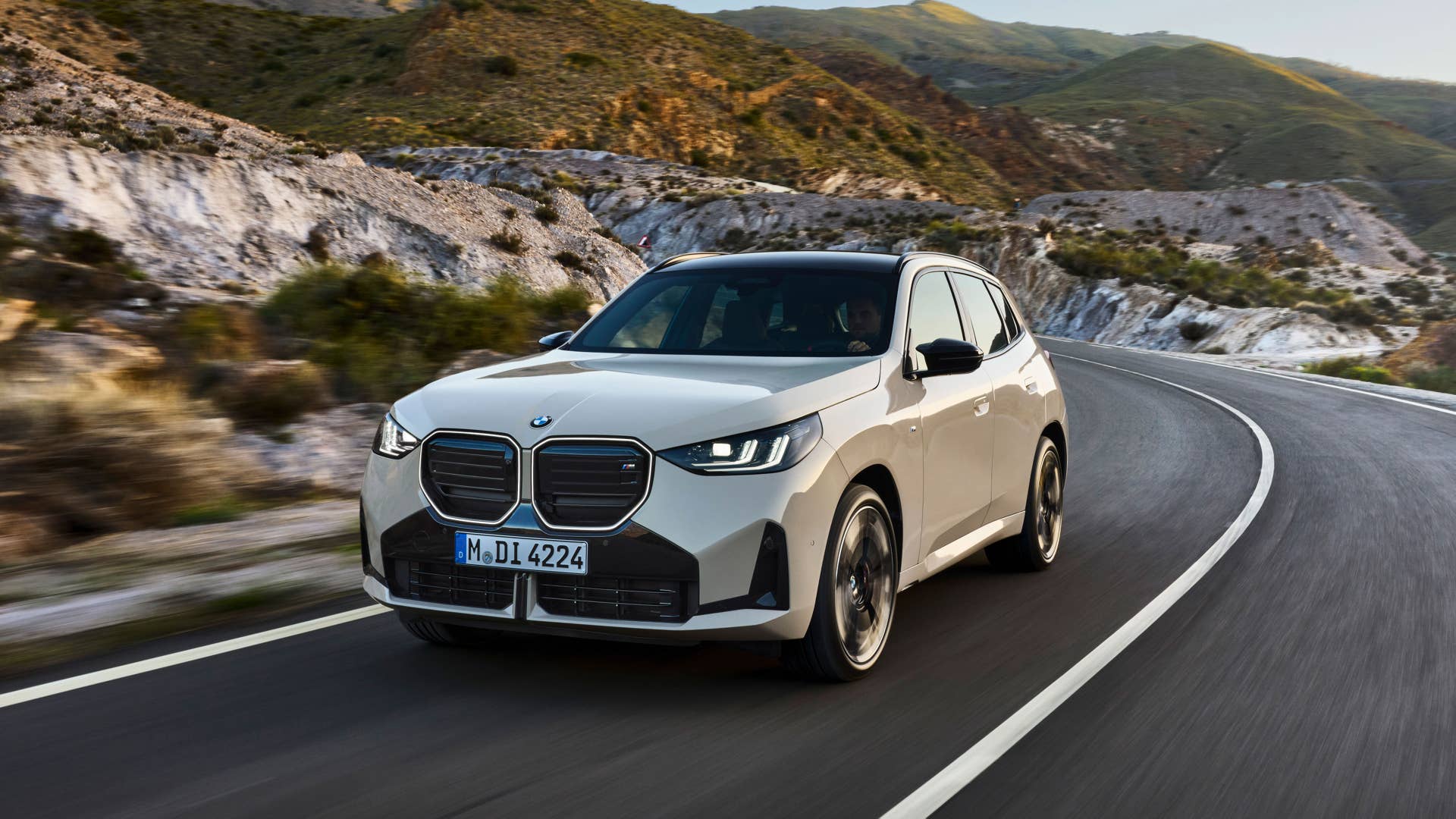
Weighing your priorities: Comfort and efficiency vs. power and sportiness
The BMW X3 is available in two main models: the X3 30i xDrive, starting at $51,125, and the M50, with a base price of $65,875. Many know that the X3 30 xDrive gives you a balance of power, efficiency, styling, and practicality, while the M50 is the high-performance variant. Still, fewer may have a fuller understanding of how these design differences manifest. We’ll be covering what to expect from each model, inside and out, so you can more easily identify an option suiting your driving needs.
BMW
Exterior spotlight
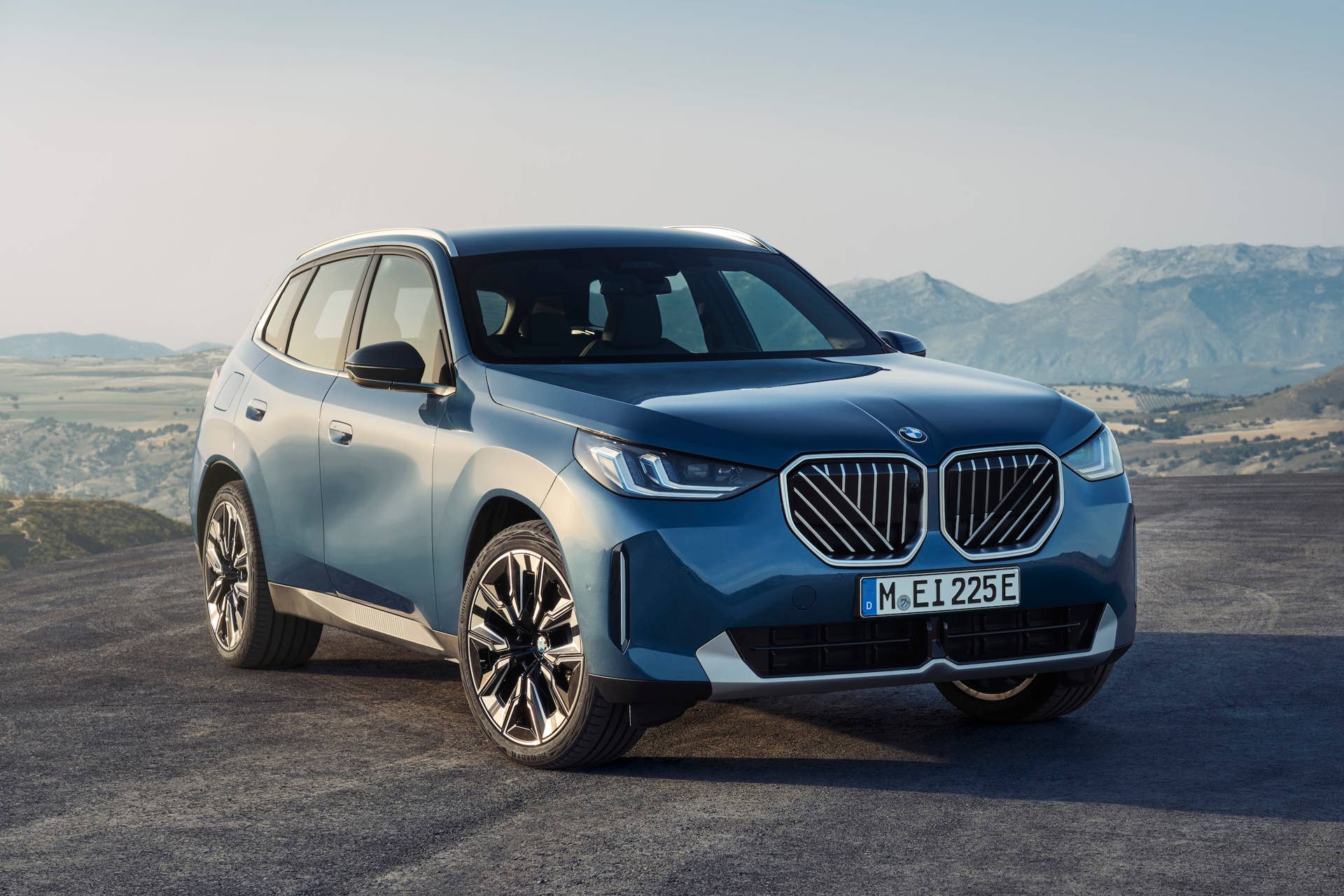
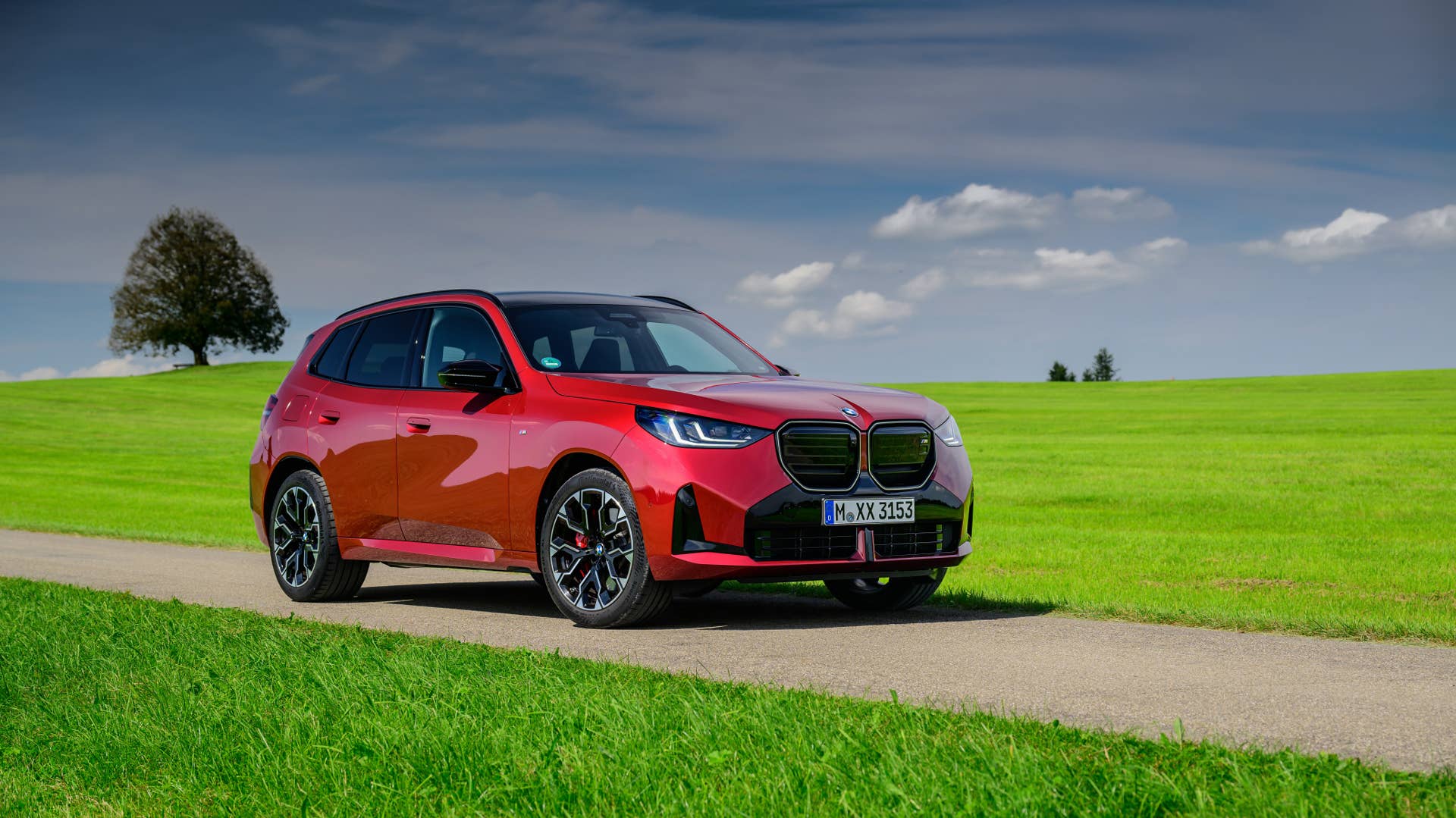
The 2025 standard X3’s exterior is significantly different than last year’s, opting for a futuristic design over more traditional BMW styling. This SUV’s front grille now contains a pattern with vertical and diagonal bars, highlighted by a surrounding glow. You’ll also find new double light signature headlights and a larger body with more dramatic curves. The X3 M50 gives you 20-inch or 21-inch wheels, while the standard X3 comes with 19-inch or 20-inch wheels. More noticeable features defining the 2025 X3 M50’s sporty exterior include a quad exhaust system, blue brake calipers, and additional M-specific aerodynamic components, like a prominent rear diffuser.
The base X3’s interior doesn’t disappoint
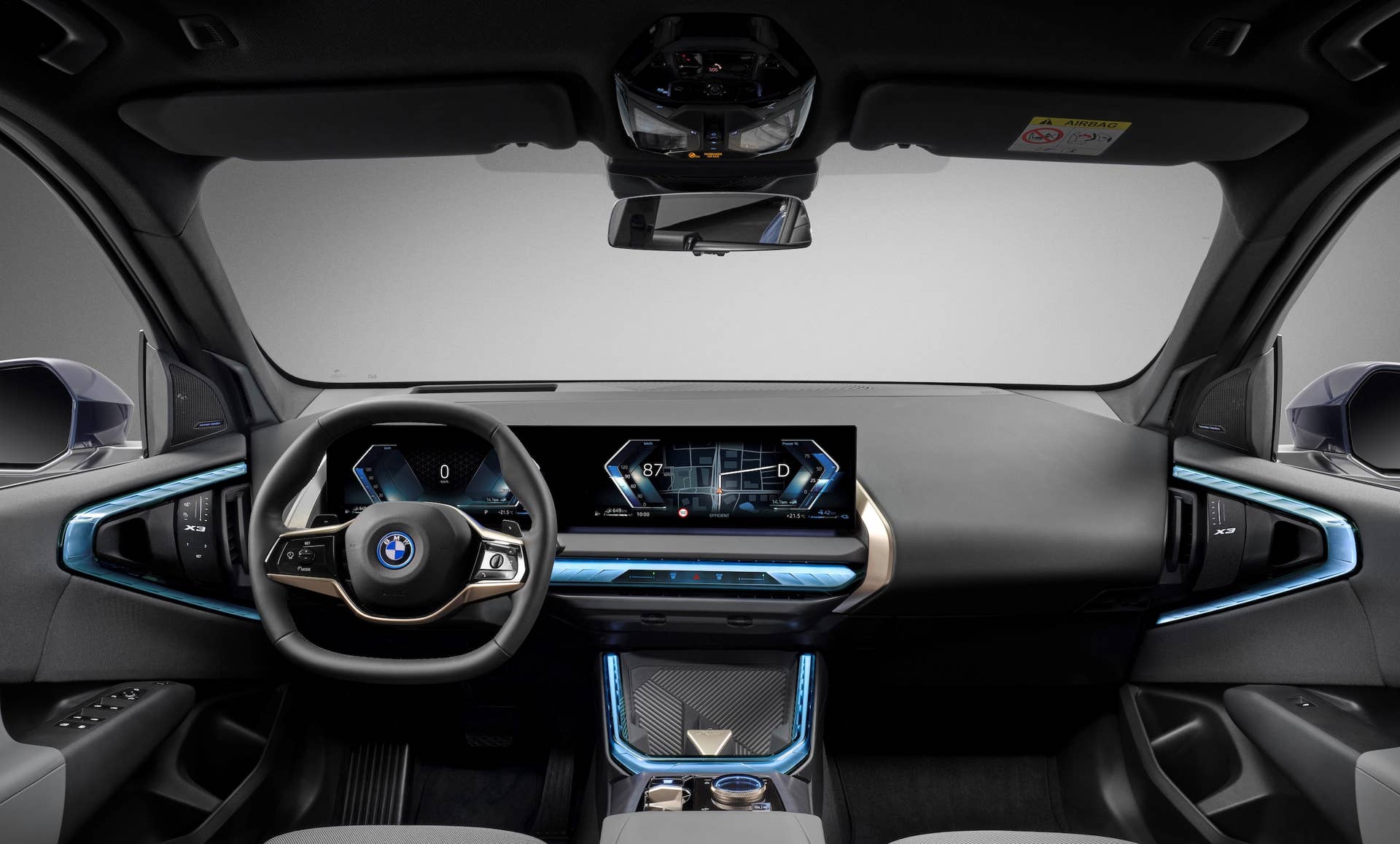
An M50 might be the sportier 2025 X3 variant, but the base X3 30 has athletic styling of its own with standard front sport seats. Both models seat five passengers and boast a competitive 31.5 cu ft cargo capacity, along with synthetic leather Veganza upholstery. The X3 30 also doesn’t skip out on features like wireless device charging. In comparison, the X3 M50’s interior distinguishes itself with an M leather steering wheel with a red center marker, front seats with optional faux-suede inserts, and M badging on areas like the wireless charging pad.
BMW
Significant differences in power—but mileage, not so much
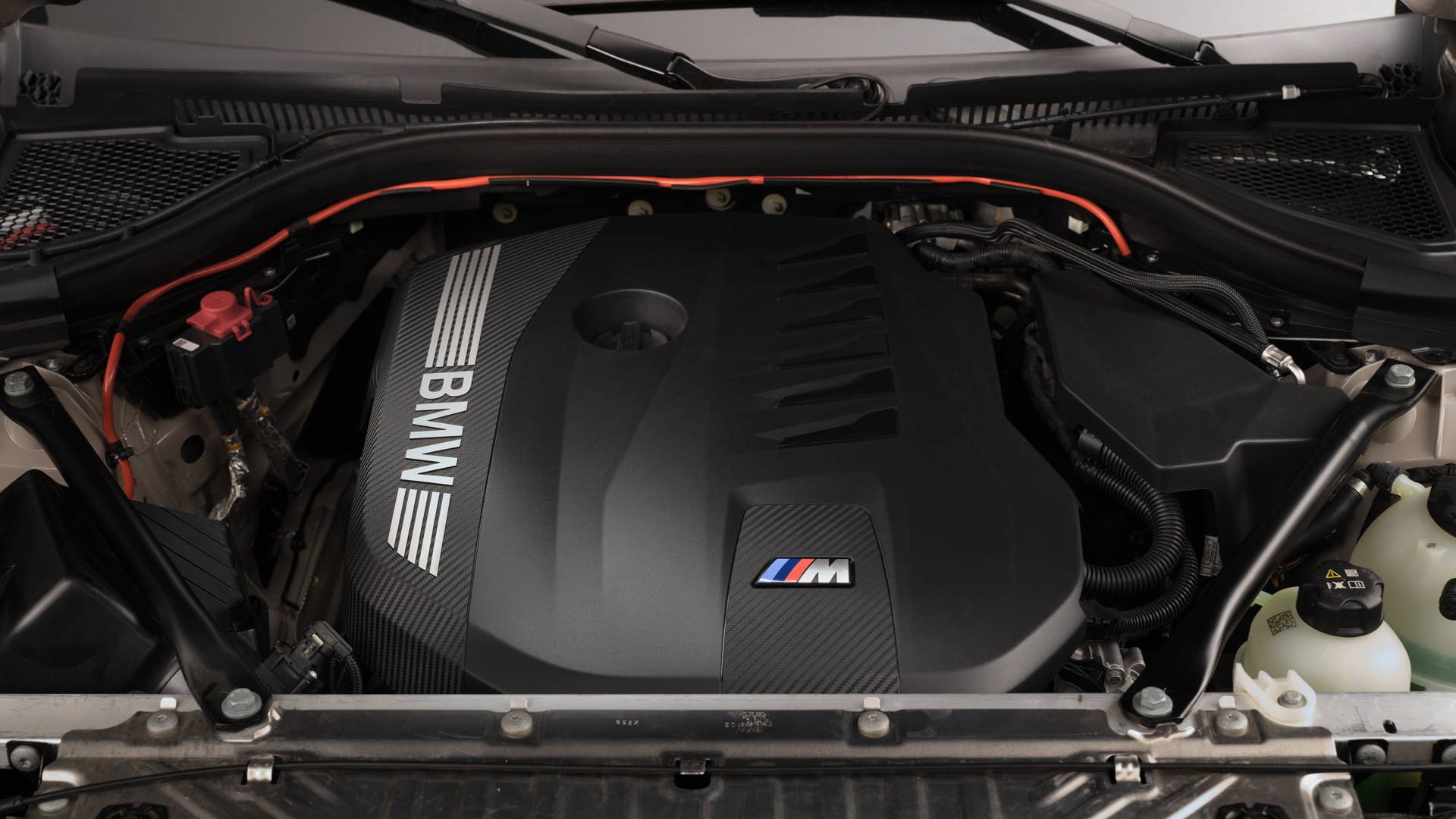
The 2025 BMW X3 30 comes standard with all-wheel drive (AWD) and a 2.0-liter turbocharged four-cylinder engine producing 255 horsepower and 295 lb-ft of torque. Mileage for the base 2025 X3 is 27 mpg in the city and 33 mpg on the highway. On the other side, the X3 M50 gives you a robust 3.0-liter turbocharged inline-six engine with 393 horsepower and 428 lb-ft of torque, and mileage is comparable to the X3 30 at 25 mpg in the city and 30 mpg on the highway. The X3 M50 is also equipped with standard AWD, and its 0-60 mph time is 1.6 seconds faster than the X3 30 at 4.4 seconds.
BMW
Infotainment similarities and technology differences
Both the 2025 X3 30 and M50 use a 14.9-inch curved infotainment touchscreen and an integrated 12.3-inch digital instrument cluster, but you’ll get a standard 15-speaker Harman Kardon sound system within the M50 that’s optional in its counterpart. These two models use much of the same basic technology, but the real difference lies in the M50’s additional performance technology, which includes but isn’t limited to Adaptive M Suspension, M Sport Differential, and M Sport Brakes.
BMW
Final thoughts
At first glance, you may not be able to tell the difference between a 2025 BMW X3 30 and an M50, emphasizing that the key factor distinguishing these models is the M50’s higher performance. If you’re looking for a more practical ride as a daily driver, it makes more sense to save around $15,000 by getting an X3 30. However, if performance SUVs are your thing, the difference in power with the M50 is notable, and some sleek M-specific design elements remind you of this.
About the author

Cody Carlson
Contributing Writer, Autoblog