
Two Affordable EVs, One Smart Choice
Kristen Brown
Gemini
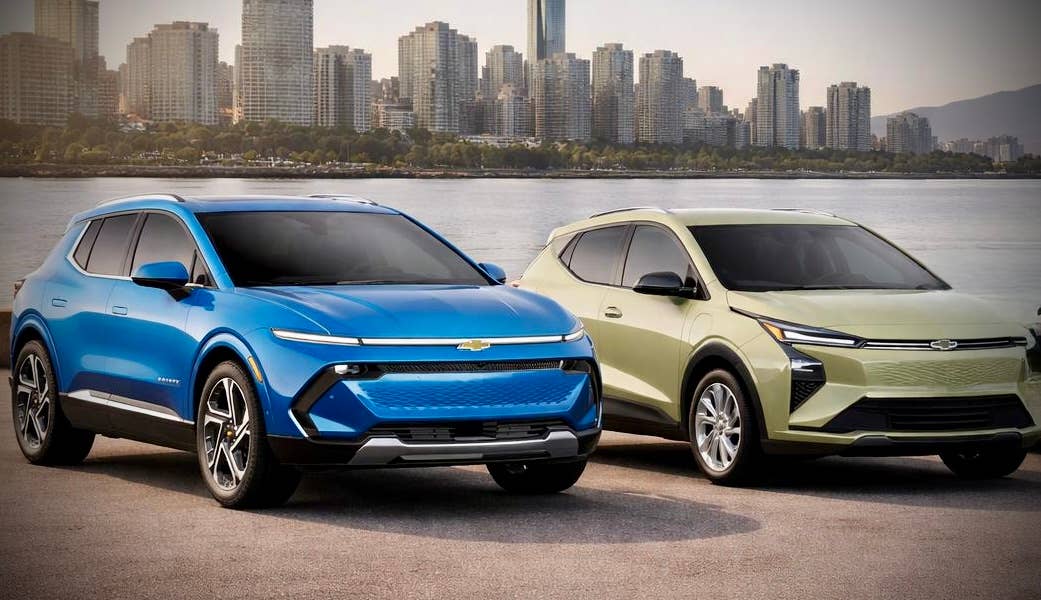
Let’s get this out of the way: calling this a simple comparison misses the point.
The Chevrolet Bolt EV and Chevrolet Equinox EV play in different segments, target slightly different needs, and come in at different price points. And yet, they are chasing a similar buyer. Someone who wants to go electric without blowing up their budget.
That may be an oversimplification of the facts. There are very few EVs that can compete with these vehicles’ pricing. The rather excellent (new) Nissan Leaf comes to mind, along with the Volvo EX30 and even the Tesla Model Y. However, most of those vehicles are pricier. Chevrolet undercuts most competitors with their base prices. More on that later.
These two vehicles also share more DNA than you might expect. Which makes this less about spec sheets and more about intent. You might be surprised.
Chevy

Chevrolet
The Budget Hero Meets the Everyday EV
The “all-new” Bolt is not entirely new, and that is not a bad thing. It sticks with a familiar formula while layering in meaningful updates.
A 65 kWh LFP battery delivers a claimed 262 miles of range, and the new X76 drive unit pushes out 210 horsepower. That is just 10 horsepower shy of the Equinox EV, which uses the same motor and stretches range to as much as 319 miles in front-wheel drive form.
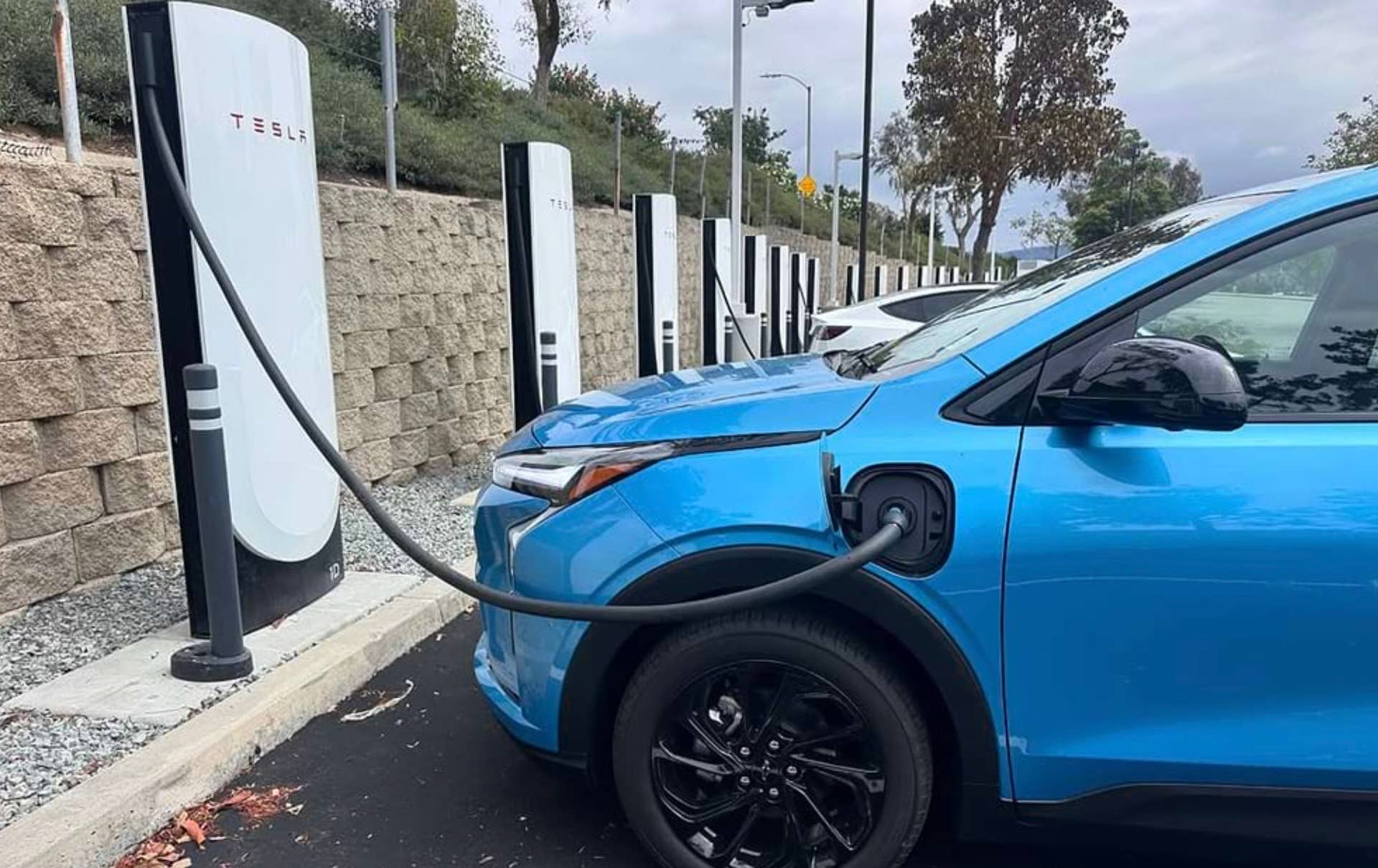
Both now use the Tesla-style NACS port, opening the door to the Supercharger network. Charging speeds top out at 150 kW for each, which levels the playing field in a way older EV comparisons never could.
On paper, they are closer than expected.
In practice, they are not.
Chase Bierenkoven
Back-to-Back: Small Car vs. Real Car
Drive them back-to-back and the differences show up immediately.
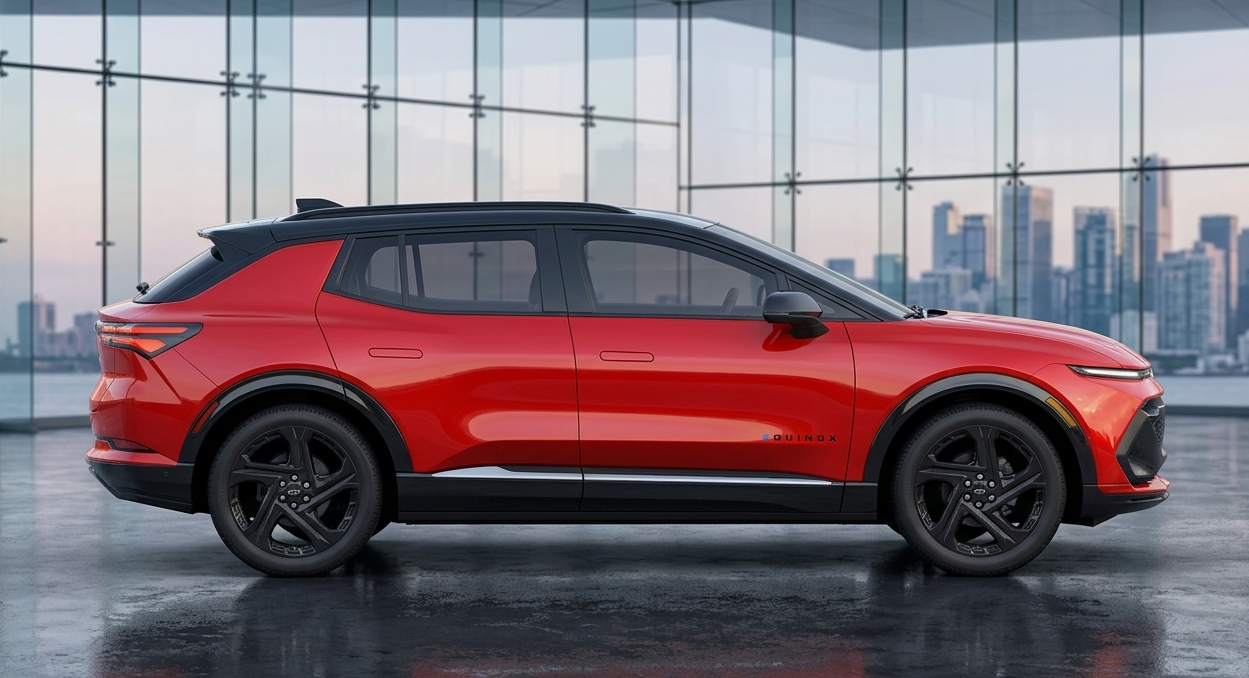
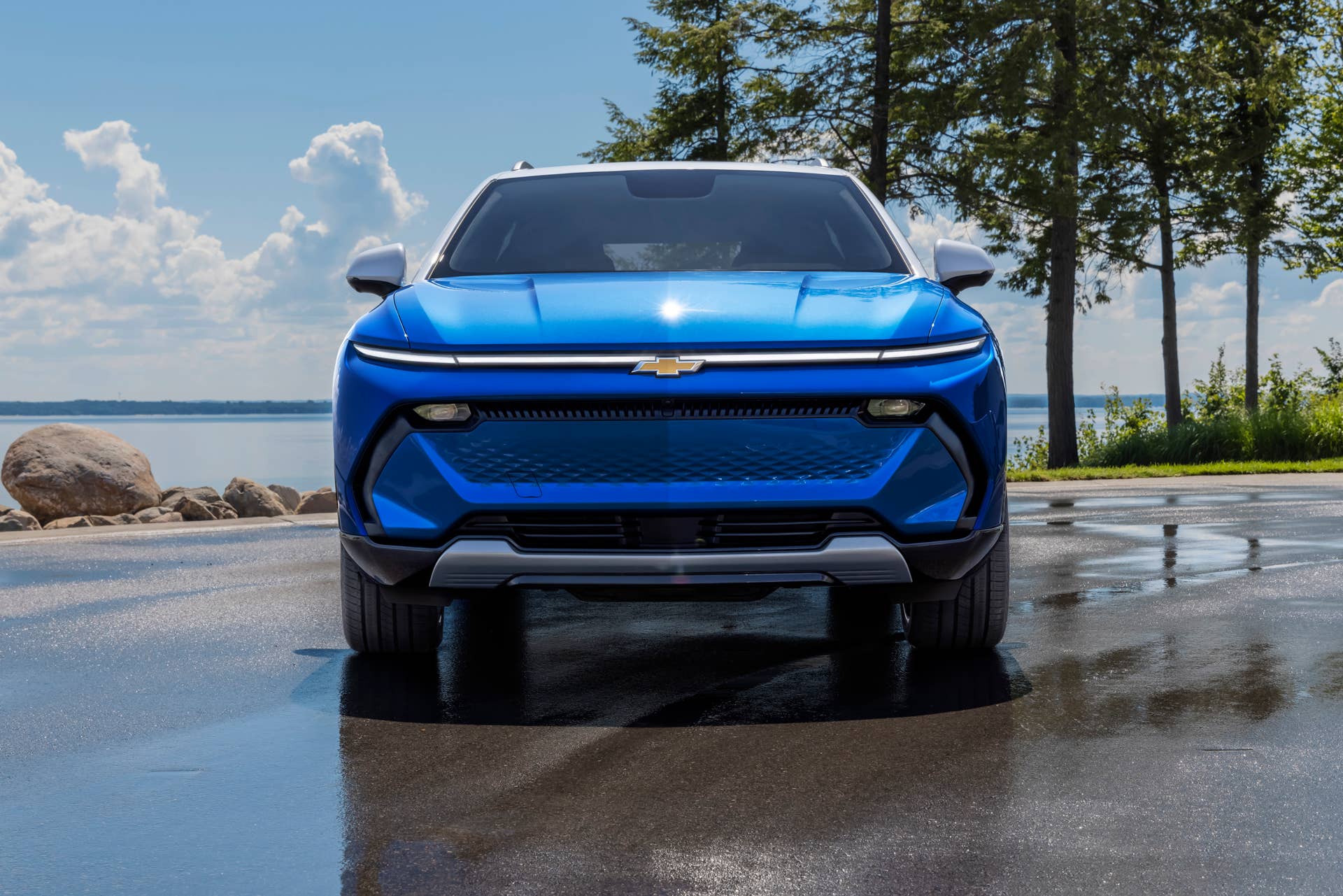
The Equinox EV rides on a much longer wheelbase, and it feels like it. The ride is composed, quiet, and borderline plush for the price point. It behaves like a proper crossover (or tall hatchback), not an experiment. It’s not that exciting to drive vigorously.
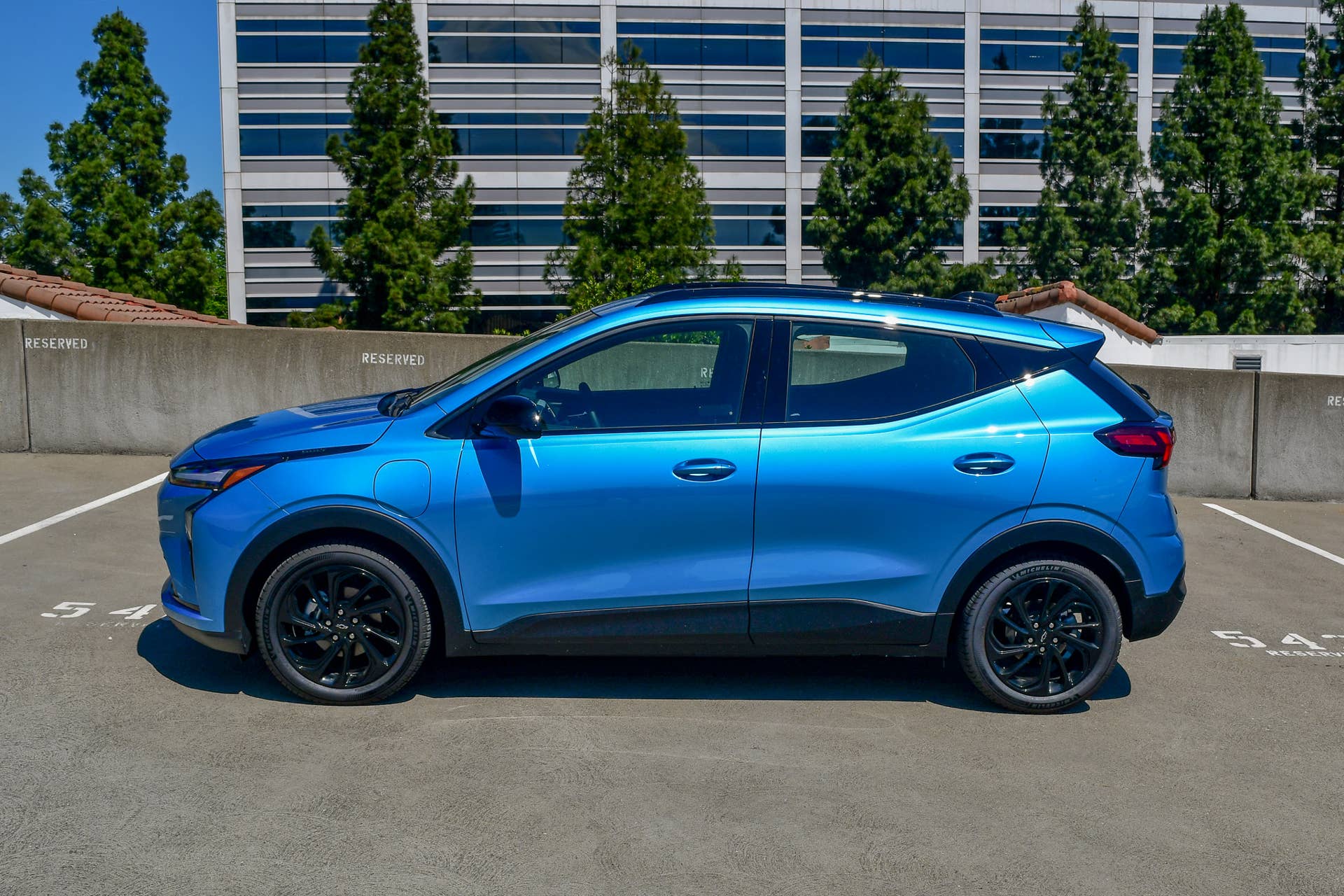
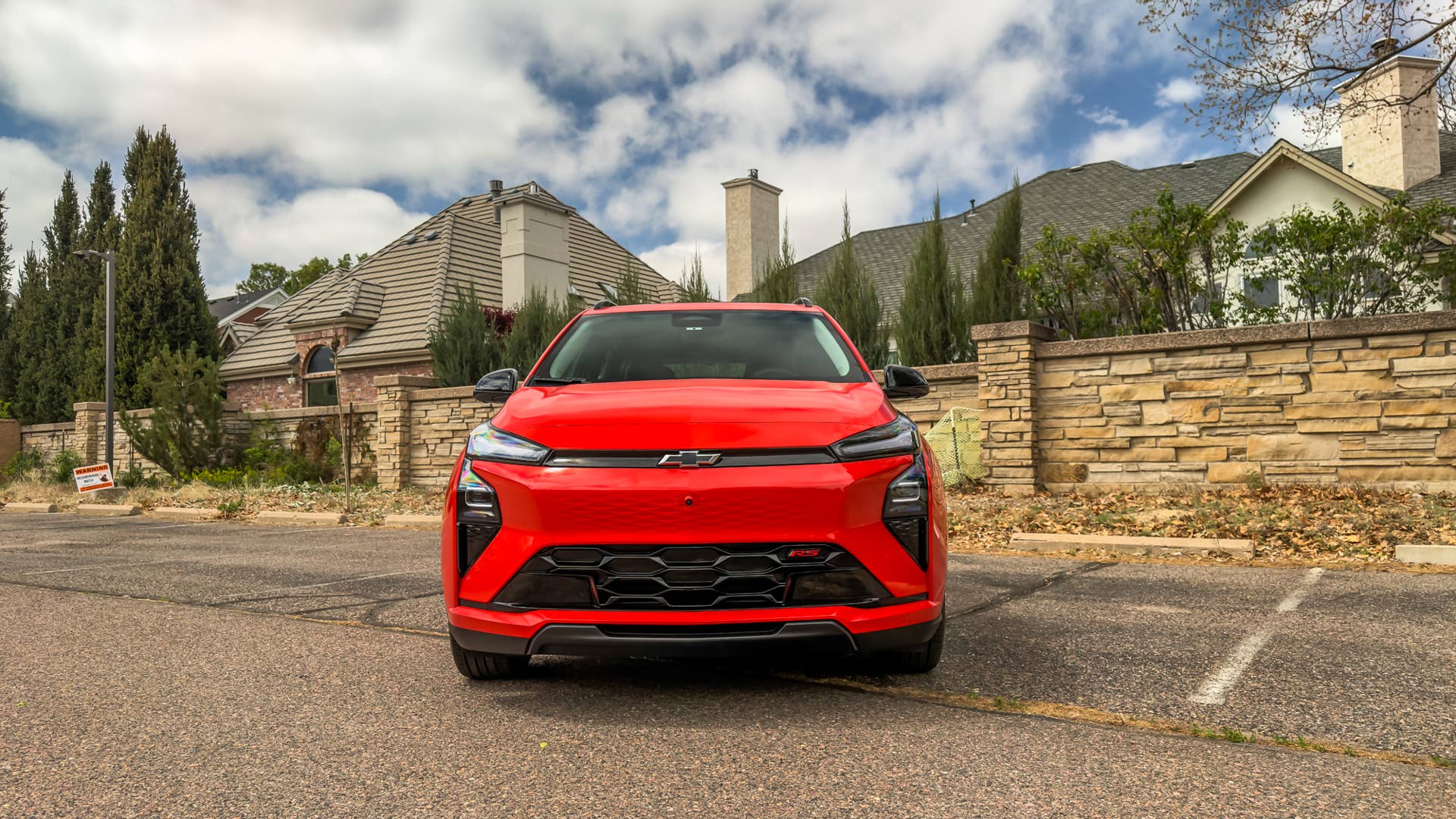
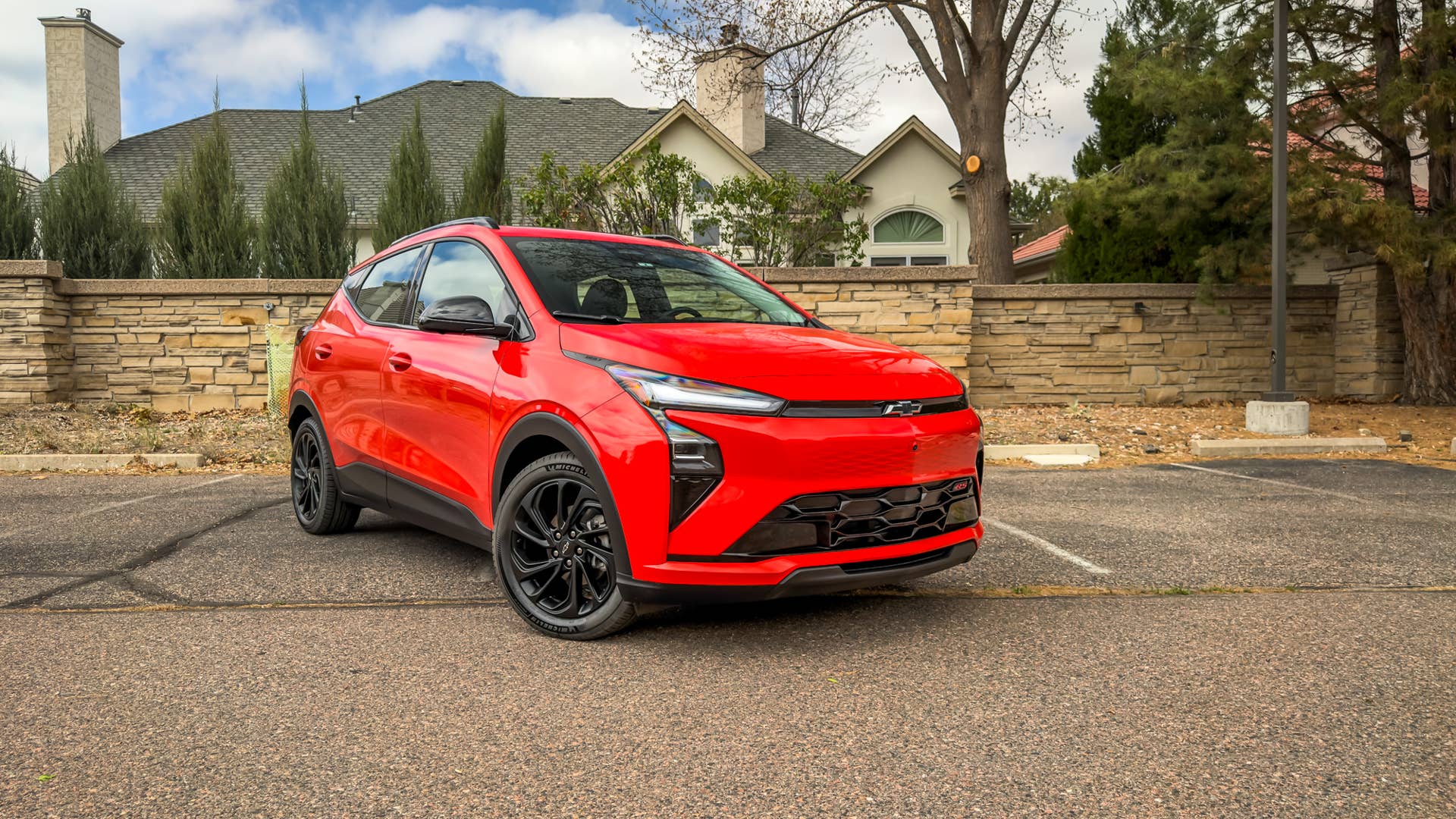
The Bolt goes the other direction. It is smaller, lighter, and far more maneuverable. Around town, it feels quick, responsive, and easy to place. Parking it is almost effortless. It’s somewhat fun to drive by comparison.
Neither approach is wrong. They just answer different questions.
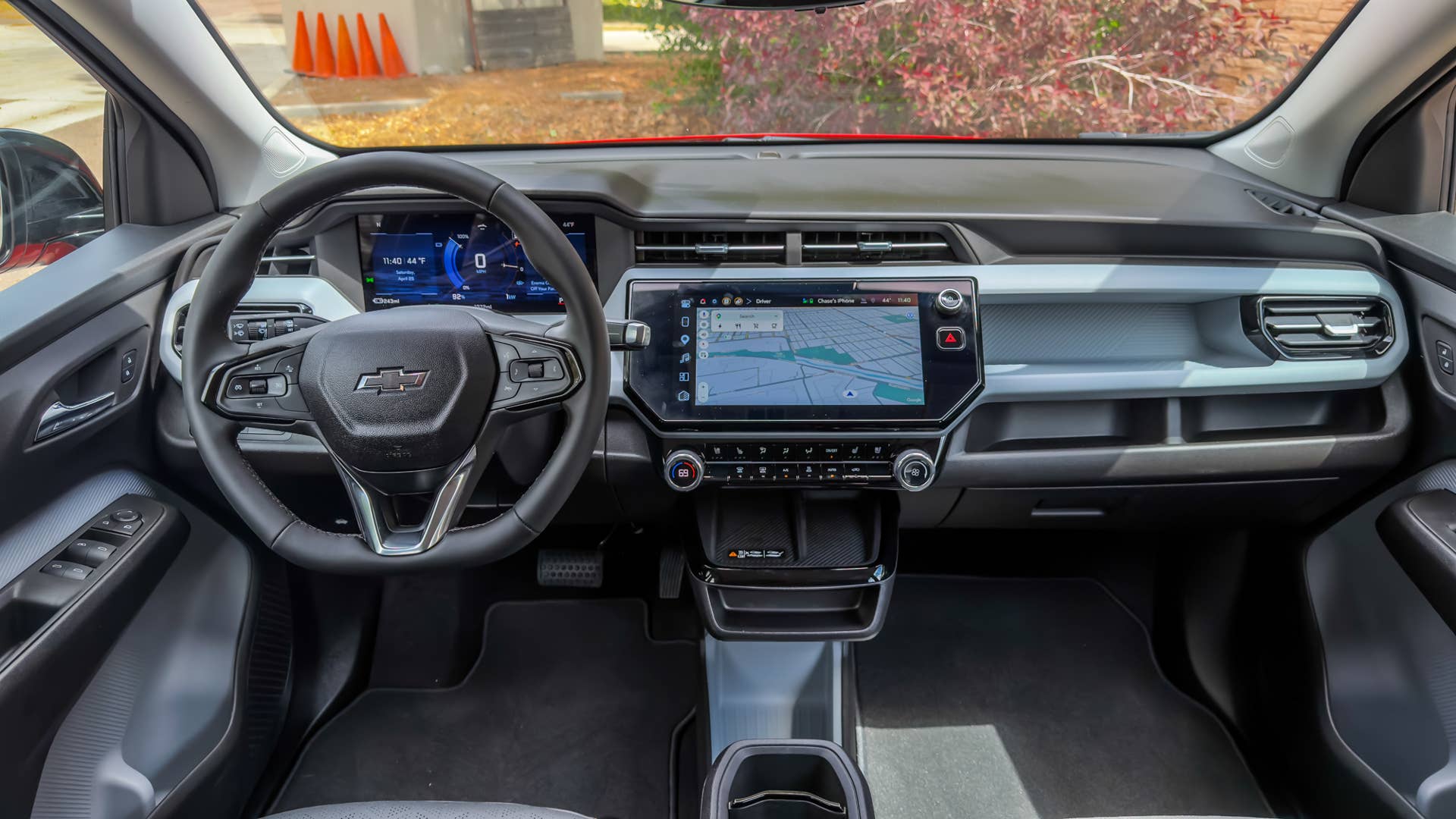
What stands out is how easy both are to live with. They are approachable, intuitive, and well-packaged for the money. That said, skipping Apple CarPlay and Android Auto still feels like an unnecessary gamble. General Motors is betting on its Google-based system, and not every buyer is going to take that bet.
Chase Bierenkoven
Chase Bierenkoven
chargepozitive/Instagram
Design and Interior: Familiar vs. Forward
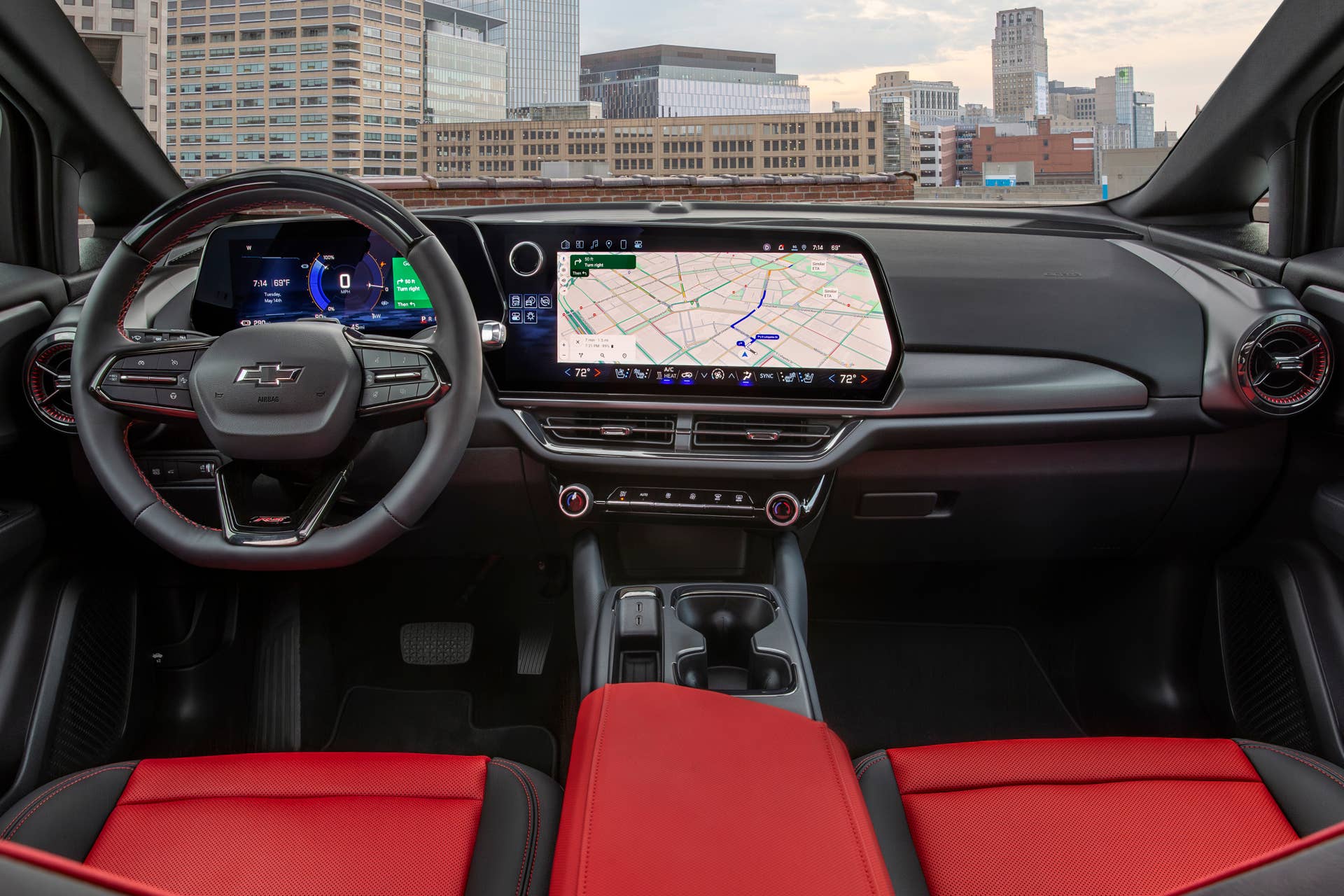
The new Bolt sticks close to what worked before. It looks a lot like the outgoing EUV, just cleaned up and modernized. Inside, the upgrades are meaningful, with dual digital displays and improved tech throughout.
It is comfortable, practical, and well thought out. It just does not feel particularly new.
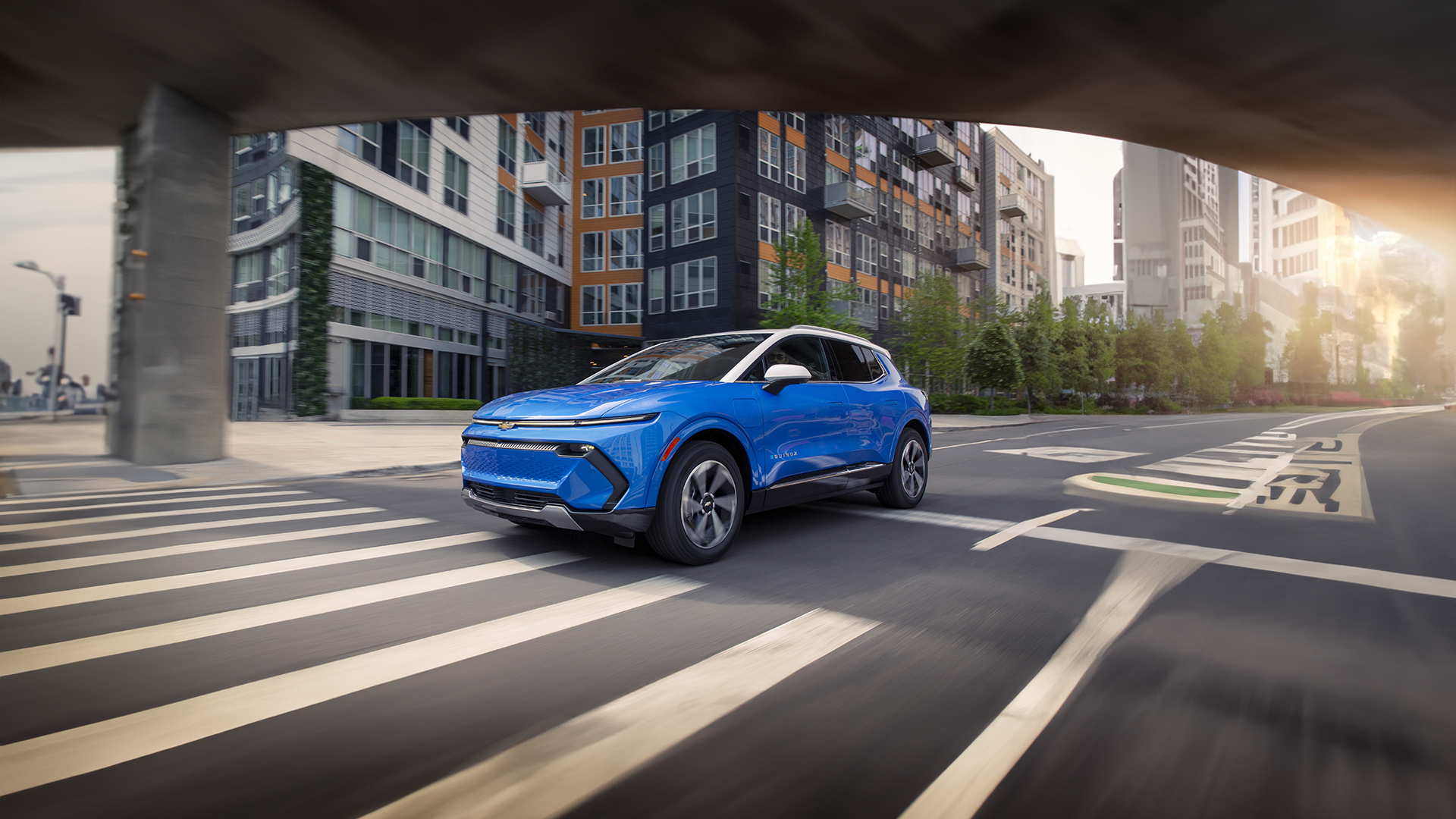
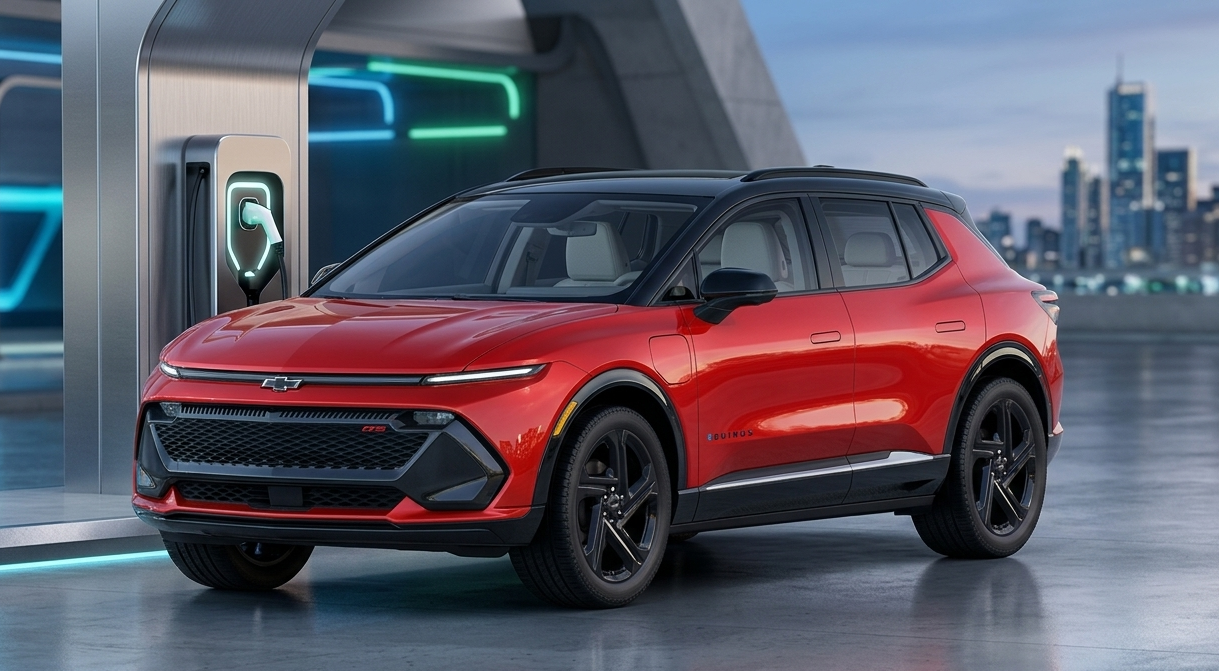
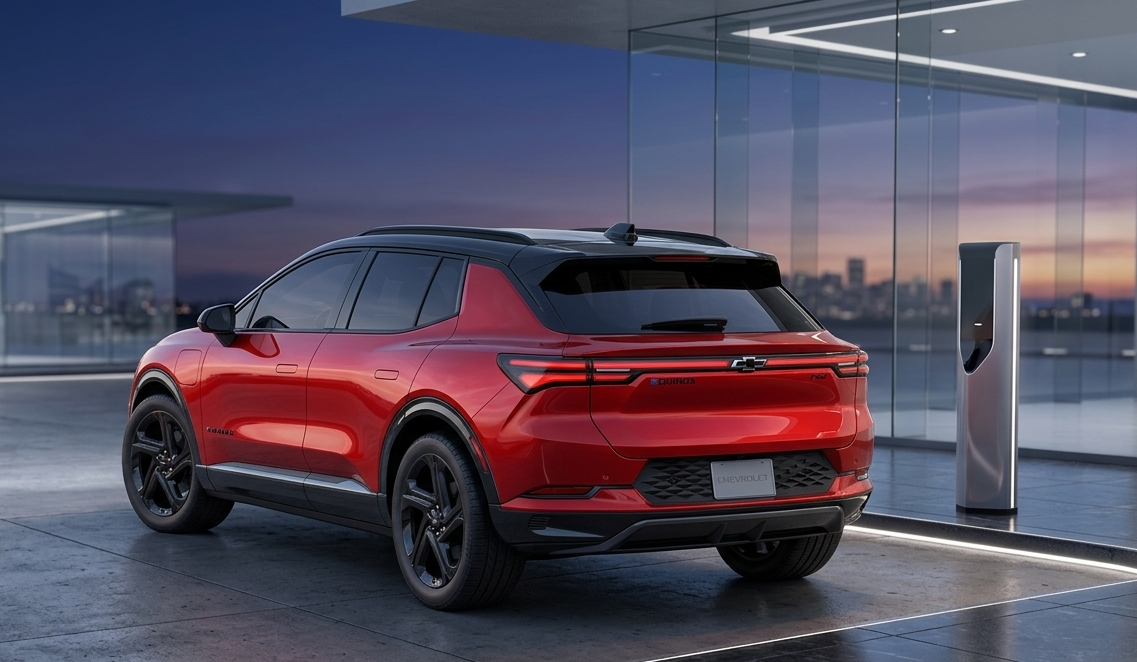
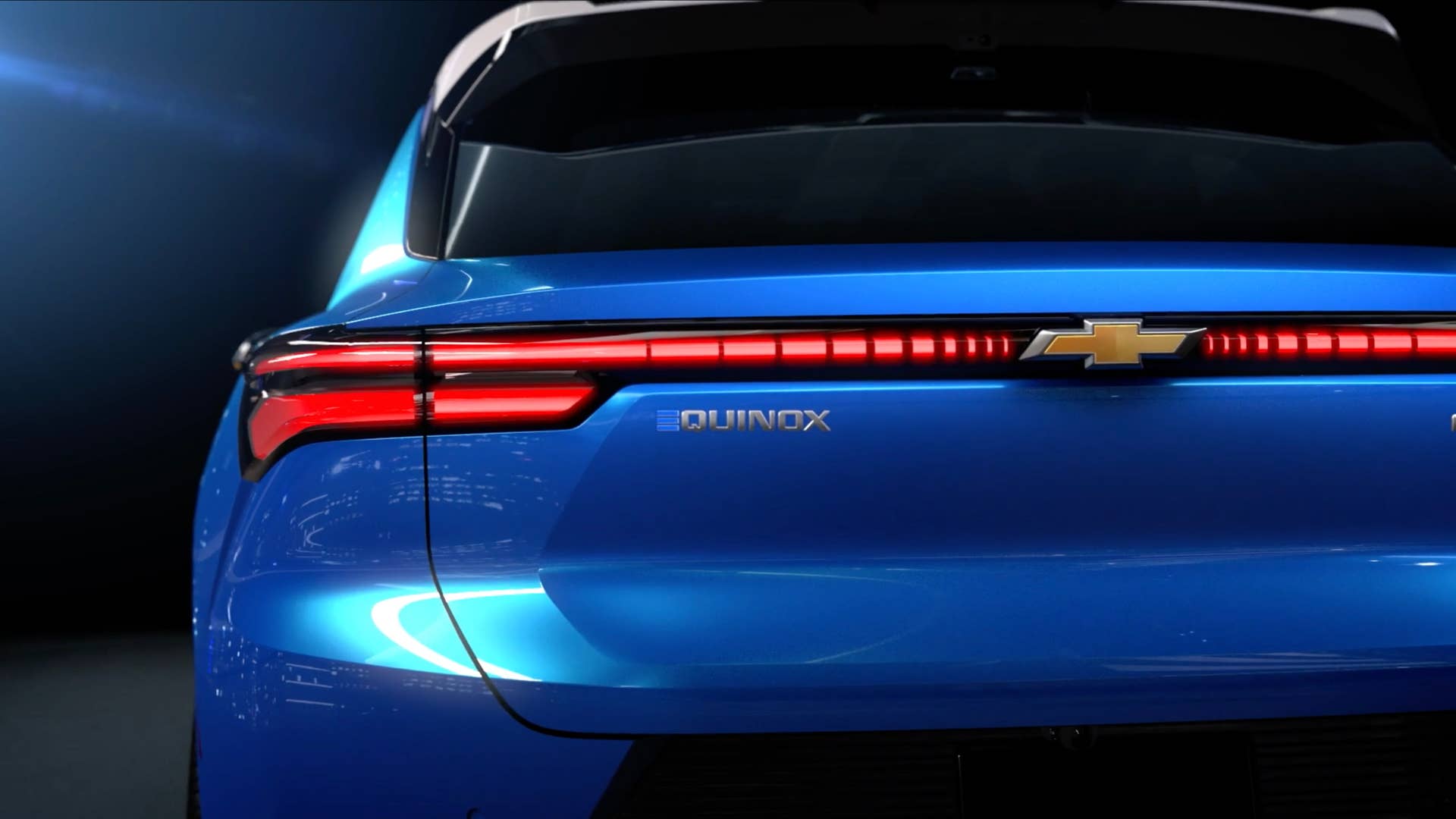
The Equinox EV, by contrast, feels like a reset. The exterior borrows cues from the Chevrolet Blazer EV, and the interior leans heavily into a more modern layout. The massive 17.7-inch display dominates the cabin, and the added space makes a real difference for passengers.
This is the first affordable Chevy EV that feels like it was designed to replace a gas-powered SUV outright.
Gemini
Chevrolet
Gemini
The Price Problem That Isn’t
On paper, the Bolt still wins the value argument.
It starts under $19,000 and manages to keep the pricing reasonable throughout the lineup. Still, you can add tons of items that will bring the price to the $40,000-zone. The Equinox EV starts closer to $35,000 and climbs quickly from there.
But that is not how people actually buy cars. Incentives, dealer pricing, and timing can pull the Equinox EV down into Bolt territory. When that happens, the conversation changes completely. Because now you are choosing between a small hatchback and a fully usable crossover for roughly the same money.
That is not a fair fight.
If your definition of a bargain is simple math, the Chevrolet Bolt EV still wins. It is the cheapest, easiest way to get into a competent EV, and it does exactly what it promises.
But if your definition includes usability, flexibility, and long-term livability, the Chevrolet Equinox EV takes it.
It is bigger, more comfortable, and more capable in ways that matter every single day.

Chase Bierenkoven
Final Thoughts
The Chevrolet Bolt EV is the smart entry point. Keep things simple, and you can drive a genuinely enjoyable little EV for around $30,000.
The Chevrolet Equinox EV is the smart endpoint, giving you a more substantial, more versatile vehicle for a competitive price. And if pricing overlaps even slightly, the decision becomes pretty straightforward.
Still, I have a soft spot for cars that are fun to drive, and the new Bolt delivers just enough personality to stand out. So even if there is a slight price gap, the one that makes me smile more is probably the one I’m taking home.
About the author

Nathan Adlen
Contributing Writer, Autoblog