
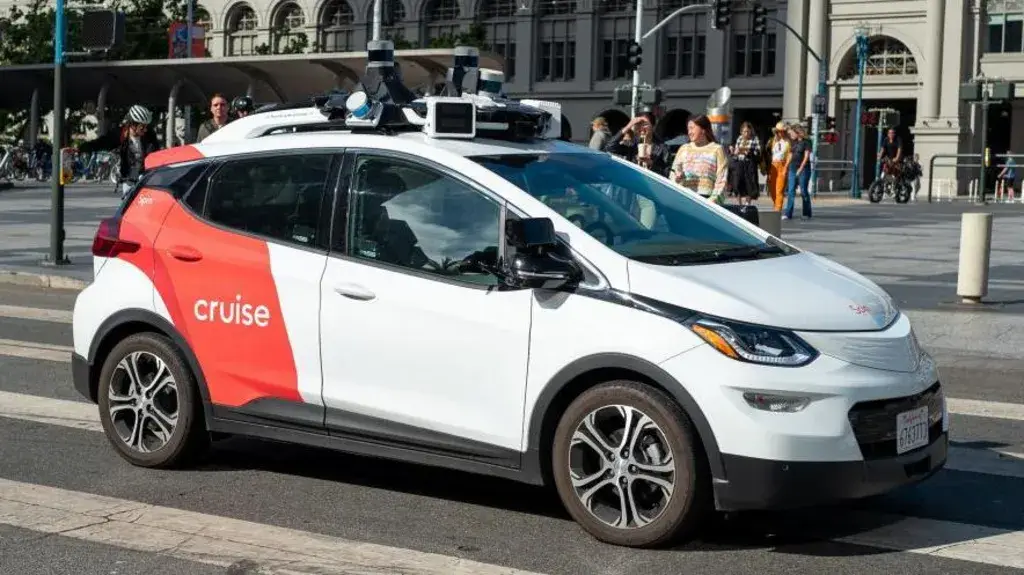
It looks like this town isn’t big enough for all of the autonomous taxis out there. GM has officially bowed out of the game, leaving Google’s Waymo and Elon Musk’s upcoming Cybercab to battle it out for supremacy.
Cruise had been having a rough time since 2022
A few days ago, GM announced that it would stop funding the Cruise division that it acquired in 2016. They had reportedly been having issues since the announcement of their Origin taxies in 2022 which led to their rectangle on wheels never seeing the light of day.
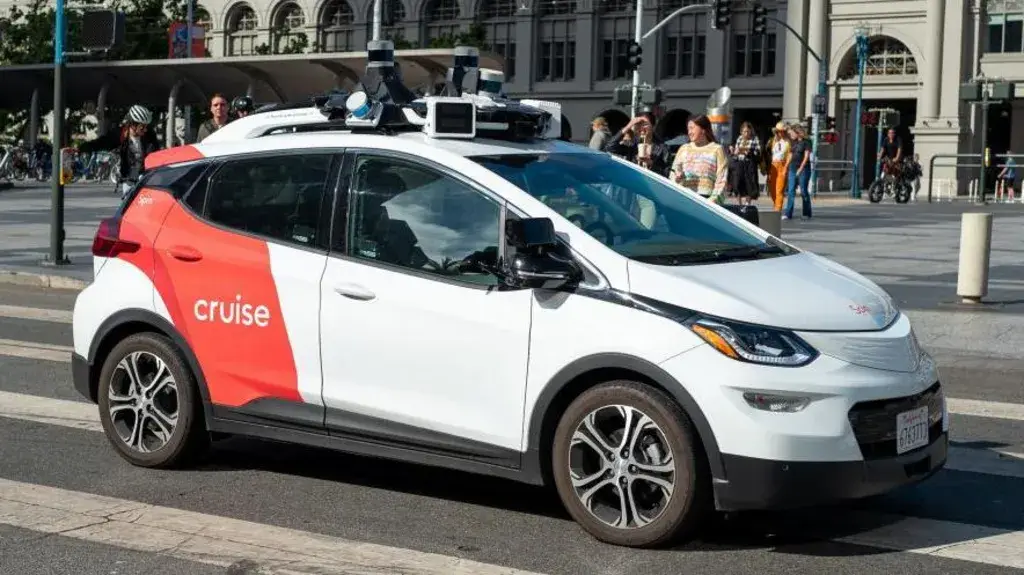
For starters, GM’s autonomous Chevrolet Bolts caused a number of rear-end collisions following sudden braking back in 2022, which led to GM’s Cruise division losing its autonomous testing permits in 2023.
Earlier in 2024, the company announced that it would instead focus on developing a better autonomous Bolt with the release of the model’s second generation, but those plans, too, will now never come to fruition.
Getty Images
The division will be absorbed into GM to focus on its Super Cruise feature
GM, which currently holds a 90% stake in Cruise, intends to fully acquire the company and integrate it into its autonomous vehicle division to advance the development of its self-driving Super Cruise feature.
The automaker stated that the time and resources used to allow Cruise to compete with other leading robotaxi companies was a drag on its other operations and expects the reorganization to save them over $1 billion.
Rimac
Further competition arose from Europe this year
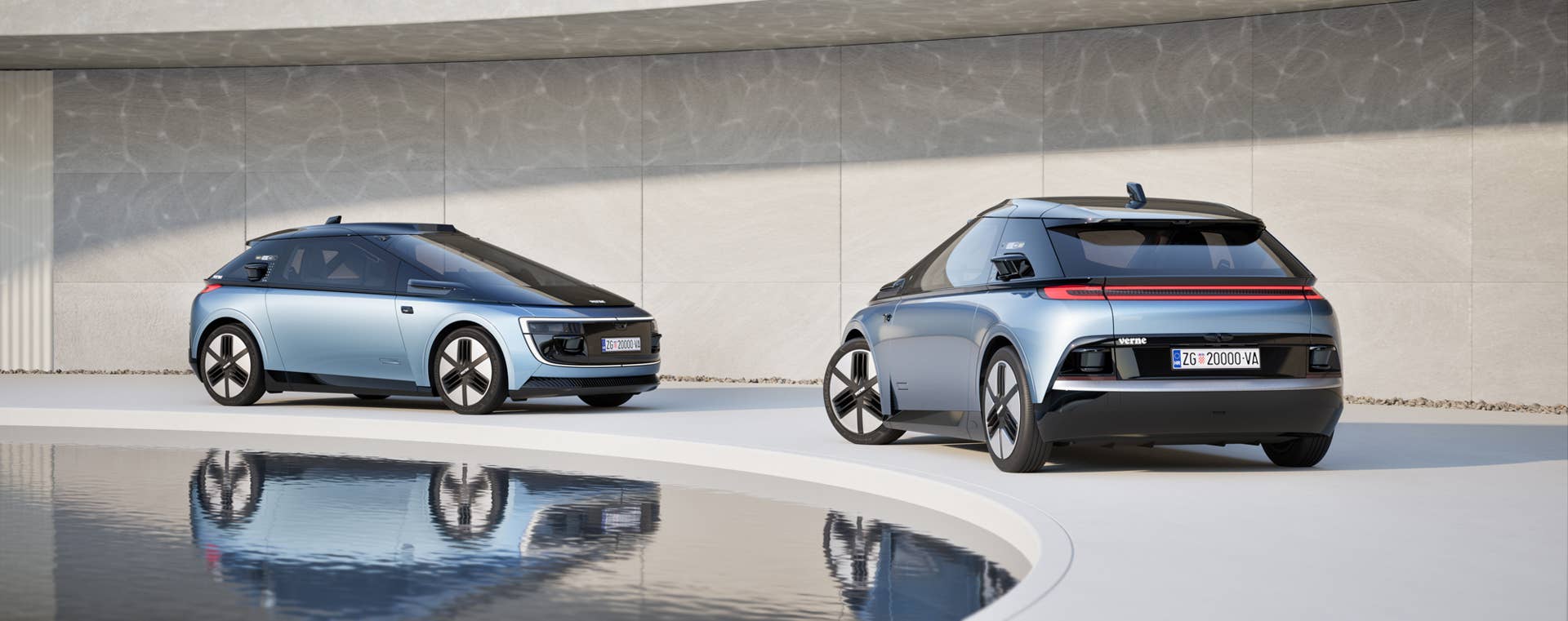
Even Rimac threw their hat into the robotaxi ring earlier this year when they revealed “Verne.” Named after French sci-fi author Jules Verne, the two-seater taxi will use technology from Israeli company Mobileye and will initially launch in Zagreb, Croatia in 2026. Rimac has plans to bring Verne all throughout Europe and the Middle East, but there is no word on North America yet.
Waymo
Final thoughts
Much like the EV market, the robotaxi segment is heating up to be a tough race to win. With so many companies rushing to develop their own autonomous driving cars to haul passengers around busy metropolises, survival increasingly requires greater financial investment and resources.
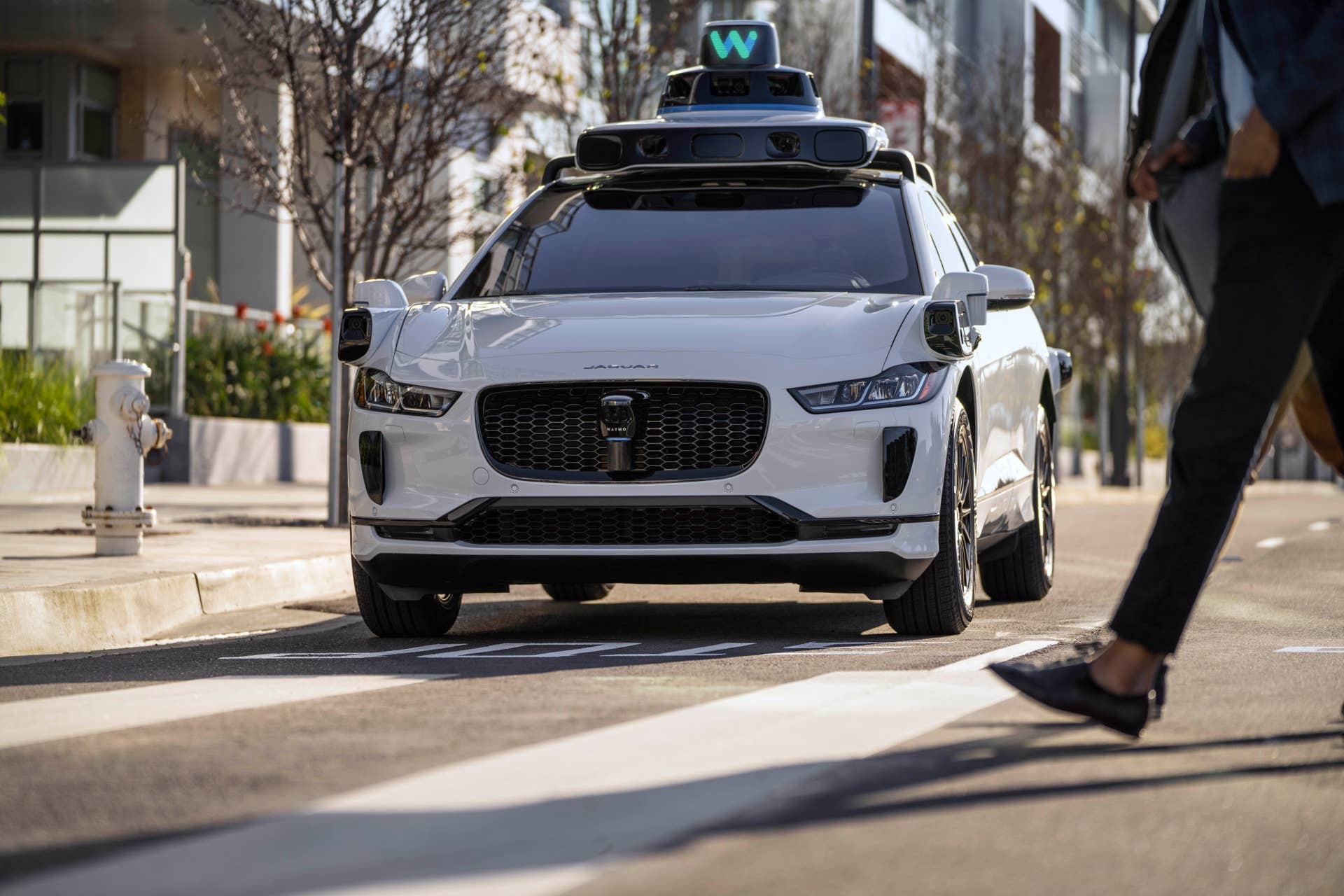
It will be interesting to see which company (or companies) end up being victorious in the end. With over 15 years of experience in the space, it’s a fairly safe bet to assume that Waymo will remain in business. The question then is who else will rise to the challenge?
About the author

Gabriel Ionica
Senior Editor, Autoblog