
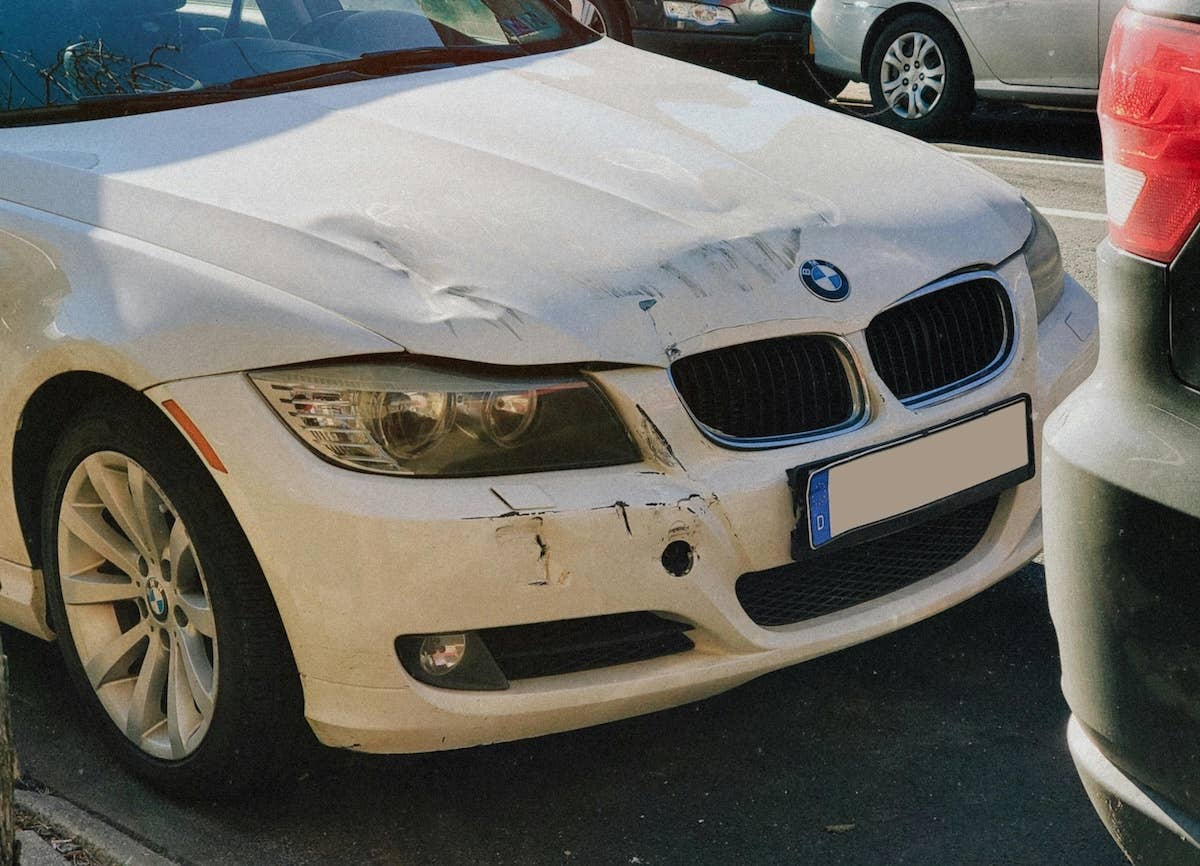
The Classic Hit-and-Run
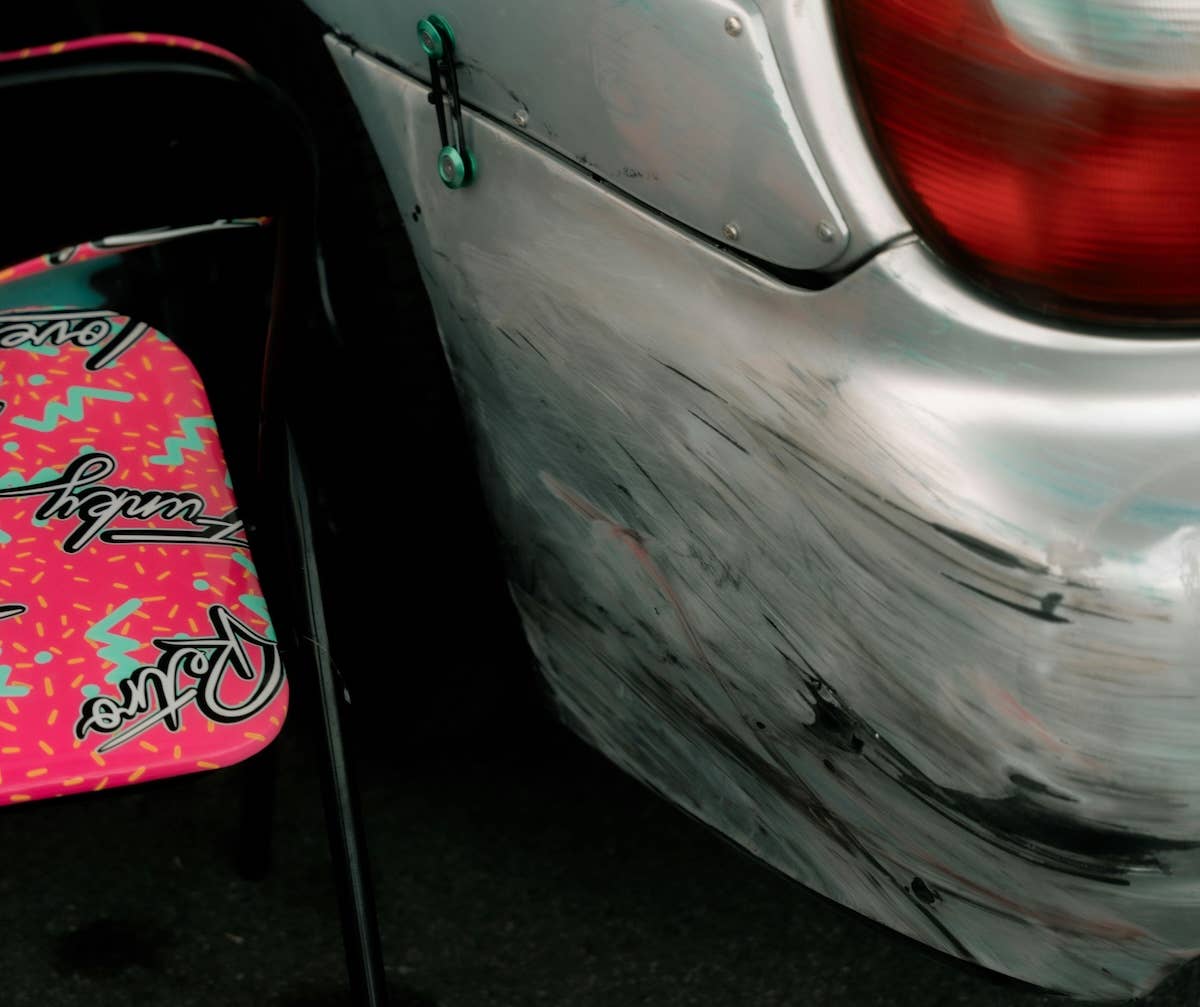
Imagine stepping out for a short errand and returning to your car only to see a big, glaring dent. Ah, the classic hit-and-run. An insurance claim for the repair would help, sure, but the fact remains: someone broke the law and left. No note, no witnesses.
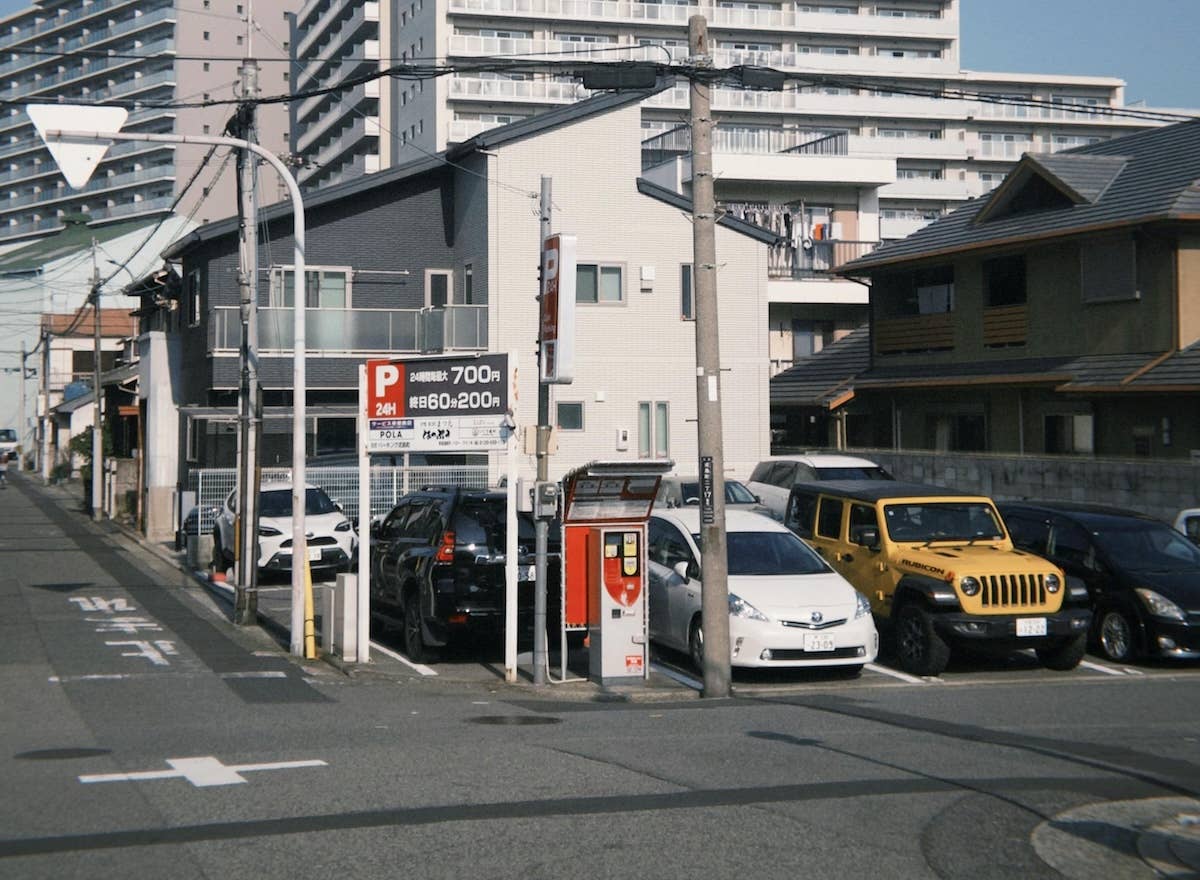
In Japan, the offender wouldn’t be getting off lightly. Even minor collisions are taken seriously, and leaving the scene can result in severe penalties, with authorities treating it as a failure of civic responsibility. Japan’s system combines criminal and administrative penalties to make sure offenders think twice before driving off.

Pexels
Strict Laws, Simple Logic
Japan’s Road Traffic Act outlines what drivers must do after an accident: stop immediately, assist any injured persons, prevent further danger, and report the incident to the police. Failing to do is a chargeable offense.
According to Kuruma, a hit-and-run in Japan can mean up to three months in jail or a fine of up to 50,000 yen (about $320) for not reporting, and up to a year in prison or a 100,000 yen fine (about $640) for not preventing danger. Add administrative penalties on top – seven violation points – and even first-time offenders face a 30-day license suspension.
The system has teeth because Japan’s roads are now heavily monitored. Dashcams are nearly standard equipment, and urban areas are full of cameras. It’s much harder to argue you “didn’t notice” a collision than it used to be. For victims, that’s some reassurance. For offenders, it’s a clear message: running won’t help.
Pexels
Should the US be As Strict?
In the US, hit-and-run laws vary by state. Some classify them as misdemeanors for property damage or felonies if someone’s hurt or killed. Penalties range from fines to years in prison, but enforcement isn’t as uniform. In some states, minor offenders may face only fines or points on their record.
Japan’s approach has less room for interpretation, and accountability is immediate. Whether it’s a fender-bender or a major crash, the obligation to stop and report remains absolute.
So, while US drivers may face different outcomes depending on where they live, Japan’s clear-cut system ensures that fleeing the scene – no matter how small the accident – has one definite result: you lose your license, at least for a while.
Pexels
About the author

Jacob Oliva
Senior Editor, Autoblog