
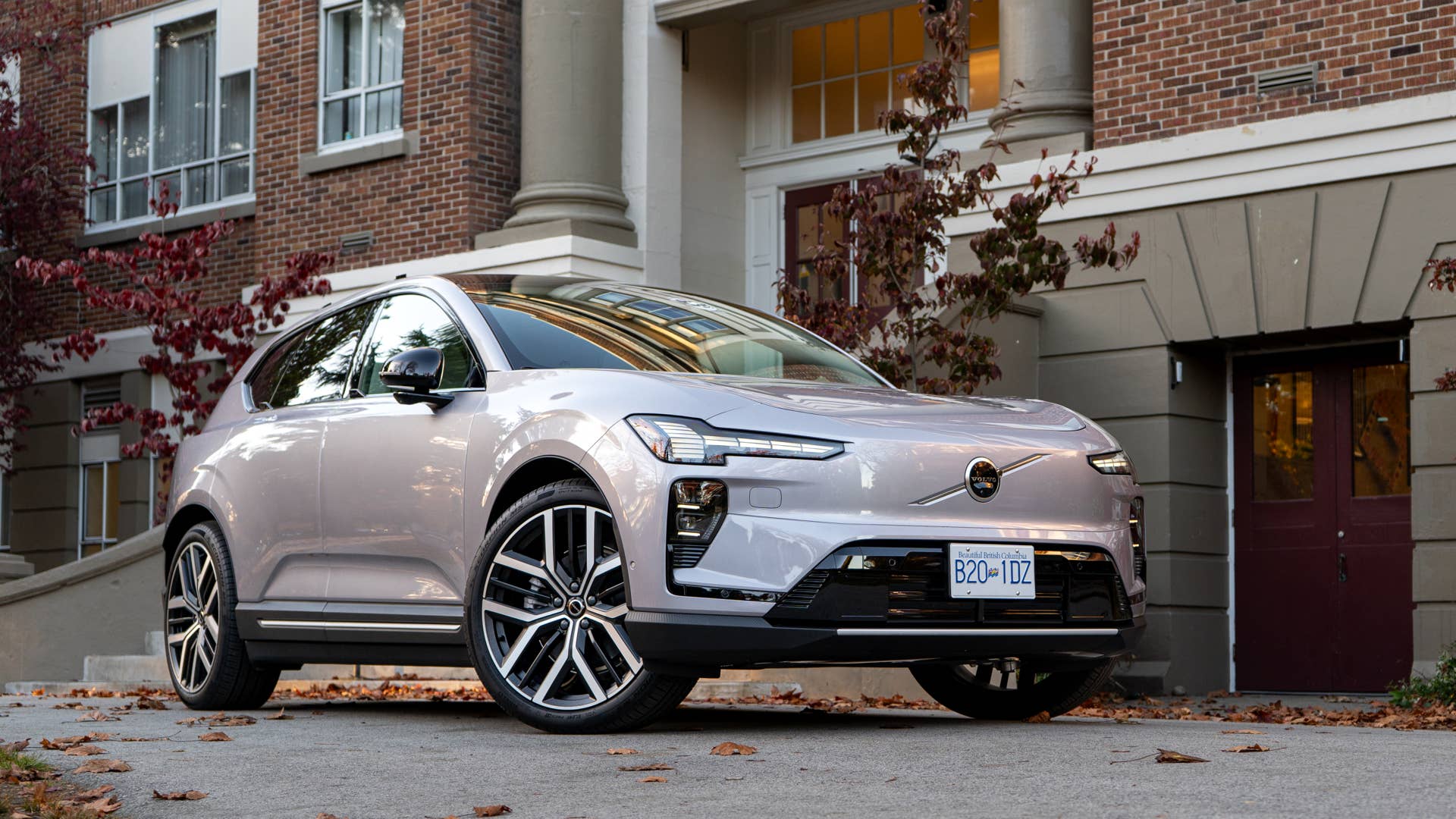
Volvo Cars, once among the most popular foreign premium brands in the United States, is going through one of the worst phases in half a century in the market.
A perfect storm of prohibitive U.S. import tariffs on China-made EVs, significant EV sales slump in the wake of the federal EV tax credit’s termination and the ban of sister brand Polestar from selling cars in the U.S. have proved devastating for the Chinese-owned Swedish automaker. As a result, Volvo is finding it really difficult to stay profitable in North America’s largest car market.
The company’s third-quarter results show that, and on the earnings call its top brass admitted that consumer optimism in the brand is at the lowest in 50 years.
Volvo Admits It Did a Poor Job of Assessing the Tariffs’ Impact on Its U.S. Unit
Cole Attisha
“U.S. has proven to be a difficult market to find profitability,” Volvo’s Chief Commercial Officer, Erik Severinson, said during the third-quarter earnings call last week, according to Automotive News. “The consumer sentiment in the U.S. […] is at a 50-year low.”
Severinson’s comments were echoed by those of CEO Hakan Samuelsson, who noted that Volvo did a poor job of assessing how tariffs would affect its business in the U.S. He said Volvo would need to “localize more in the U.S.” to address them.
Samuelsson added that Volvo is currently working on ways to address tariff-related shortcomings, mainly by increasing localization. Volvo also noted that it divided the U.S. market in four regions “to enable faster decision-making and improve sales.”
The fact remains that the discontinuation of its cheapest EVs in the U.S.—the EX30 and EX40—after the 2026MY, as well as the botched launch of the EX60 was a bitter pill to swallow for U.S. dealers and customers. Still, Volvo has promised a new global EV that will also be sold in the U.S. from 2027 with a sub-$40,000 base price.
Increasing Production Localization Is Key to Reviving U.S. Sales
Volvo
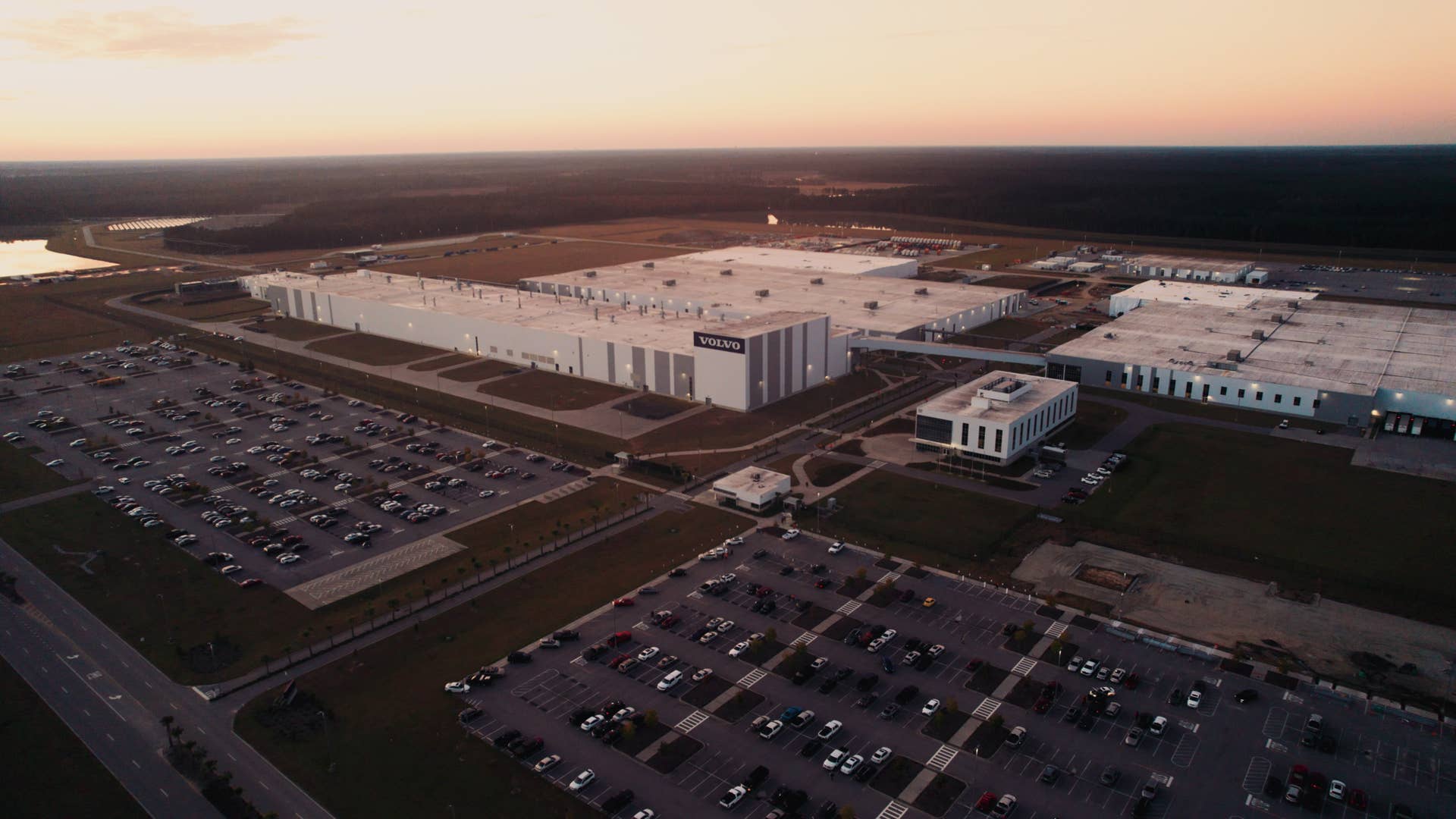
Increasing production localization of Volvo models in the United States should be a no-brainer, especially since its plant in South Carolina is currently running at just 20% of its 150,000-vehicle a year capacity.
The factory makes the Volvo EX90 and will soon add the XC60, its global best seller. By the end of the decade, the automaker will also build a next-generation hybrid model at the Ridgeville plant near Charleston.
The facility also assembles the Polestar 3 SUV, but production will end after the 2026 model year as Volvo’s sister brand has been banned from the U.S. market starting next year.
Earlier this year, Volvo Cars’ CEO said the company was willing to open up the doors of its U.S. plant to other automakers in a bid to increase production capacity at the underutilized factory.
Volvo Cars Posted a $482 Million Net Loss Globally in Q3
Michael Nagle/Bloomberg via Getty Images
Globally, Volvo Cars posted a third-quarter net loss of around $482 million and an operating loss of $378 million driven by severe market contractions in China and the aforementioned headwinds in the United States.
The Q3 results were also affected by a negative revaluation of $112 million in CAFE credits due to legislation changes in the U.S., negative raw material developments, and $92 million due to the recognition of Polestar’s losses in Q2 2026.
In the U.S., Volvo Cars sold 23,766 vehicles in the third quarter, down 8.7% year over year due to “weaker consumer sentiment, increased SUV competition and softer electrified-vehicle demand.”
The automaker said it is fast-tracking the production start of long-range plug-in hybrid versions of the XC90 and XC60. These models will start deliveries this year in Europe and in the U.S. shortly after.
About the author

Dan Mihalascu
News Editor