
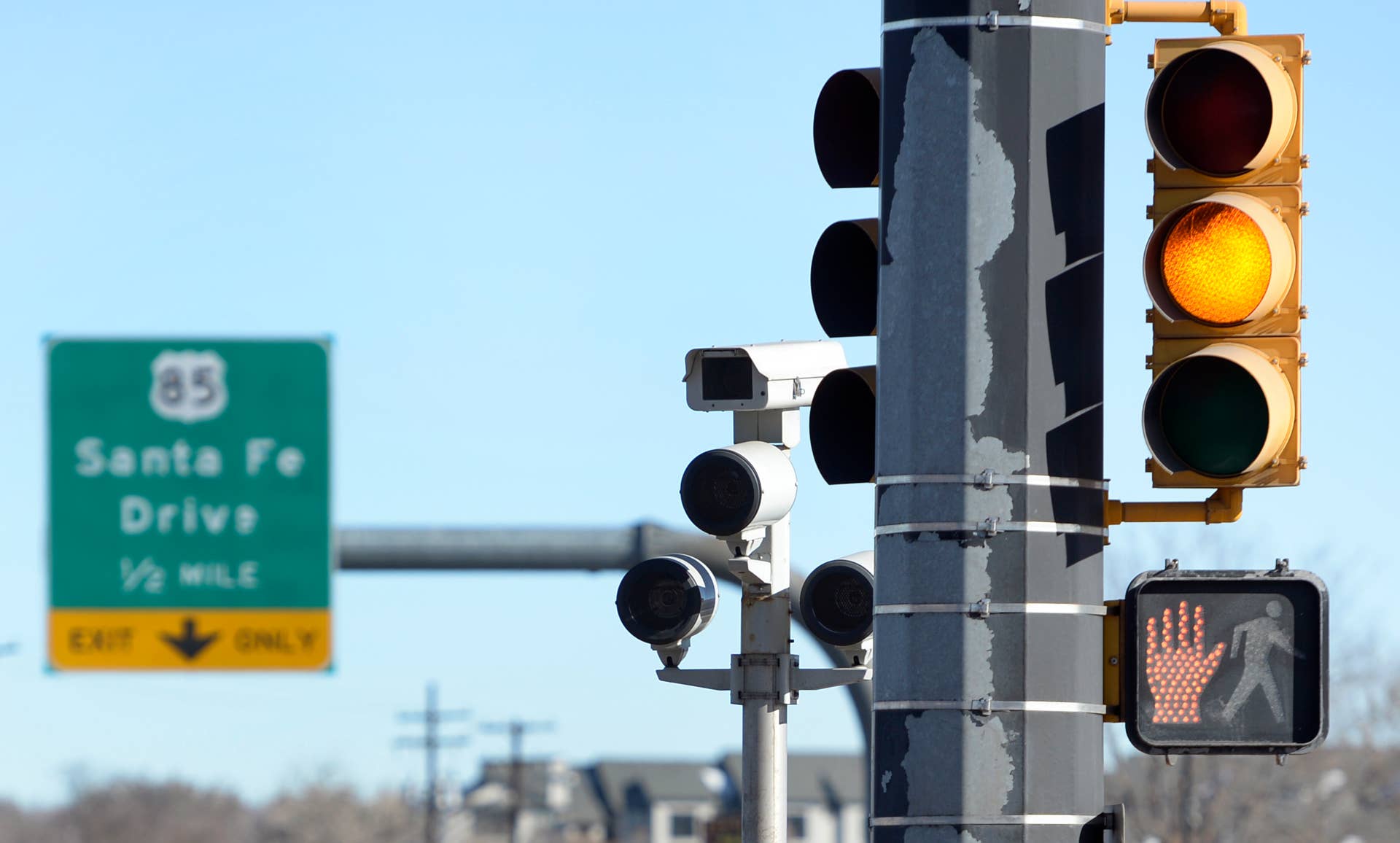
There have been many studies over the years about
the effects of red-light cameras. But for the first time,
a new study by the Insurance Institute for Highway Safety (IIHS) takes a look at what happens when cities end their programs.
The IIHS says this is the first time an organization has studied the effects of ending programs instead of starting them. The study also included another look at the effects of cities that started and continued camera programs. All of the cities the IIHS examined were cities that had populations greater than 200,000 people.
The organization first compared 57 cities that started and continued programs from 1992 to 2014 with 33 cities that don’t have any. In the end, cities with red-light cameras had 21 percent fewer deaths related to collisions with red light runners and 14 percent fewer deaths from other crashes than cities without cameras.
To discover the effects of deactivating cameras, the IIHS looked at 14 cities that ended their programs between 2010 and 2014. The organization then compared those cities with 29 others that had similar populations and regions. The IIHS discovered that doing away with the cameras resulted in a 30 percent increase in deaths due to crashes with red-light runners and a 16 percent increase in deaths from other collisions.
This study shows pretty clearly that red-light cameras can save lives. However, the IIHS notes that there are actually fewer active programs than there were at the peak in 2012. In 2012 there were 533 cameras in service while in 2015 there were 467.
“Debates over automated enforcement often center on the hassle of getting a ticket and paying a fine. It’s important to remember that there are hundreds of people walking around who wouldn’t be here if not for red light cameras,” said Adrian Lund, president of the IIHS. Perhaps this new study will start reversing the trend.
Related Video:
Video ID:
8f034258-4c8a-3231-8027-58b6fba3489e
Playlist ID:
Autoplay:
false
Mute:
false
Continuous:
false
Ad Key:
Ad Value: