
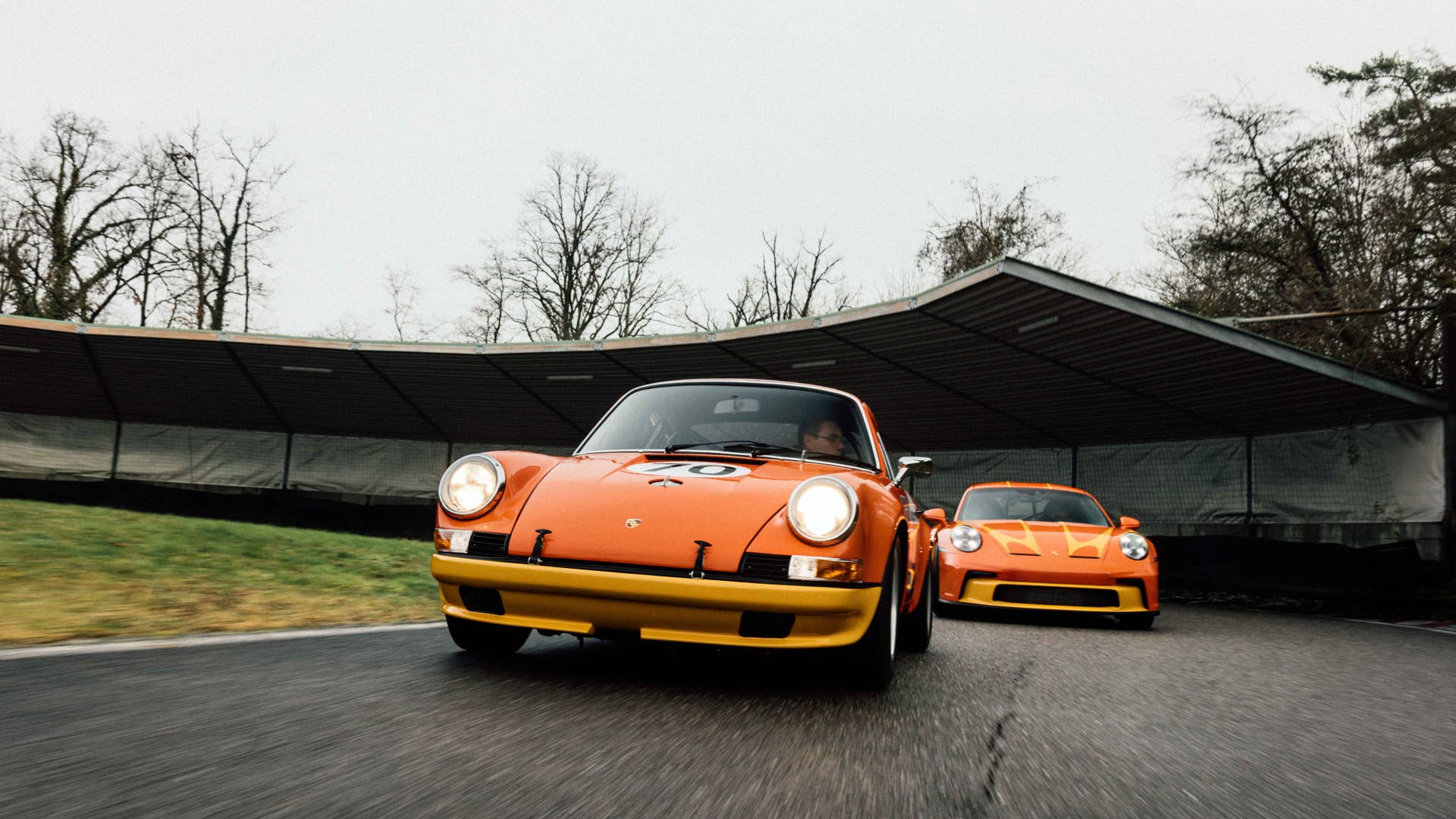
A (Very) Colorful History
If we were to truly get to the root of Porsche’s story, we would go all the way back to the ’30s with the development of the Volkswagen project that eventually became the Type 1. Of course, we all know that now as the Beetle, but things really started kicking off after the Second World War.
While Ferdinand Porsche is the person behind the brand, it was his son Ferry who turned it into what it is today. It all started with the Beetle-based 356 from 1948, and the rest is history. That said, the company recently celebrated, in its words, over “75 years of doing everything wrong,” and we reckon it’s a good time to list the best mistakes it’s made and continues to make.
Porsche 911
Okay, to make things clear, the 911 was never based on the Beetle. It’s true that it continued the Beetle-derived form of the 356; its successor was anything but. Of course, the main point here is that its engine was, and still is, at the back.
This layout has its advantages, namely better off-the-line traction as there’s more weight over the driven wheels. The pendulum effect made it a tail-happy little sports car, catching out over-eager drivers who drove it like a typical front-engined vehicle.
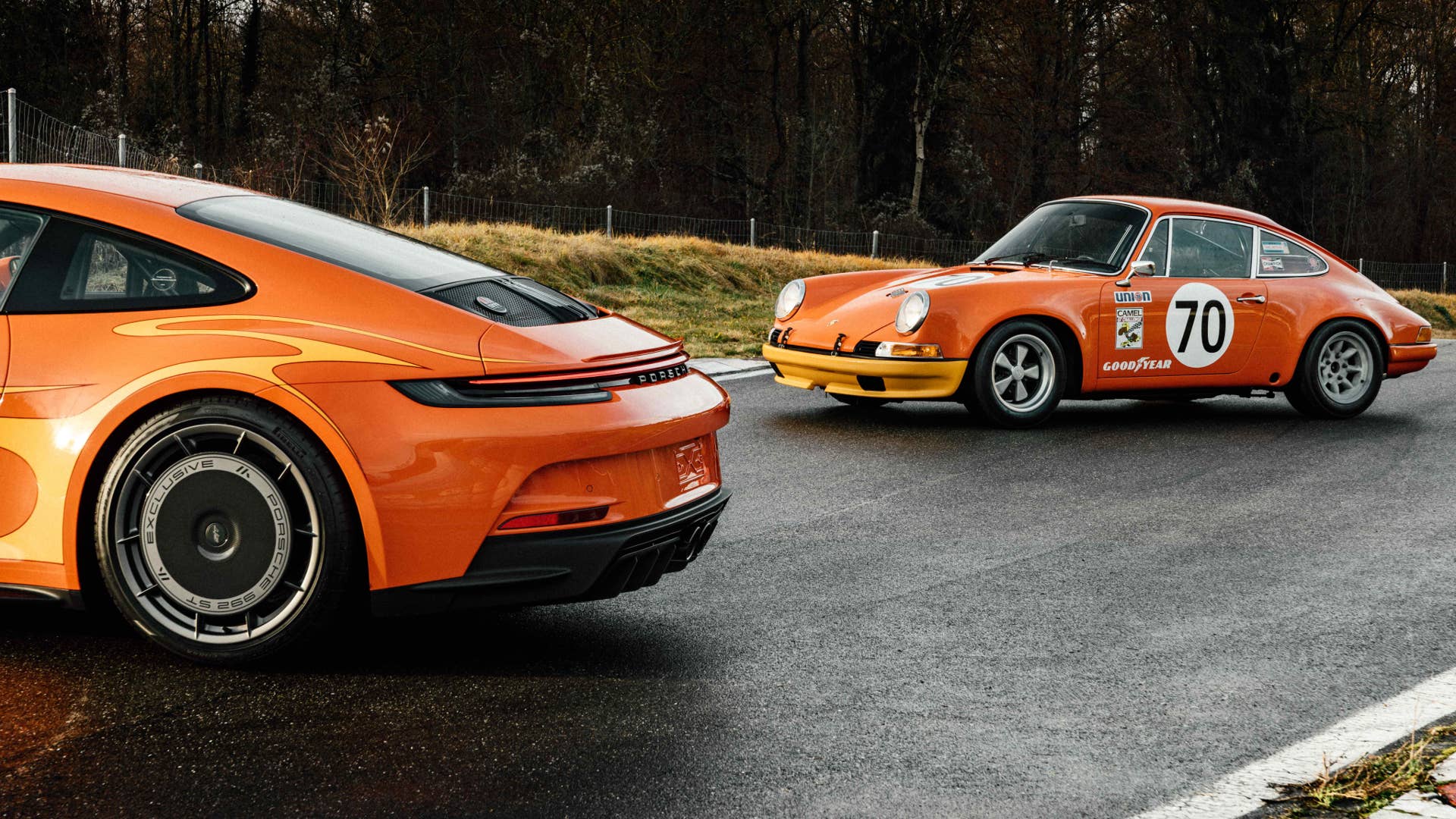
But those who knew what they were doing saw it as a blessing, as it allowed the car to rotate in a way that a front-engined car can’t. It blitzed through hairpins and slithered through tight bends like butter.
Instead of inching the engine forward through the years, Porsche stuck to its guns. Call it stubbornness, but that defining characteristic is what makes the 911 such a great car to drive.
Ignitions by the Door
Porschephiles know the answer to why Porsche’s ignitions are always close to the door, but it’s always something worth mentioning. It’s mainly rooted in motorsport, particularly in endurance racing.
Back in the day, drivers had to run to their cars to get started. Those old enough to remember will know that it is a Le Mans start, and the cars are switched off prior to the flag-off. Ignitions were typically located to the right, as most people are right-handed. To shave off a couple of tenths and gain an advantage, Porsche put its ignitions to the left, allowing drivers to twist the key (remember those?) before they’re fully inside.
The Le Mans start has been abandoned since 1970 because some drivers improperly fastened their seat belts to make up for lost time. That point was actually proven a year before when driver John Woolf was killed for that very reason. The driver who protested the Le Mans start was Jacky Ickx, who, ironically, drove a Porsche 917 with that advantageous ignition placement. But instead of rushing, he calmly walked to the car and ensured he was strapped in properly. He won the 1969 24 Hours of Le Mans. Still, Porsche never moved its ignition as part of tradition.
Porsche 928
By the ’70s, the 911 was getting long in the tooth. It was perceived as low-tech, and sales had already crashed. Porsche was looking to the future and planned a replacement for its rear-engined sports car. The result of that was the front-engined 928.
Prior to its introduction in 1977, Porsche had already built a front-engined coupe, the 924. But the 928 is aimed at a more wealthy clientele, touted as a grand tourer rather than a sports car. It had a V8, and not a flat-six, and its engine was water-cooled, and not air-cooled. It was, in many ways, the anti-911.
It was, indeed, a great car, but let’s all admit that the 911 had a different and endearing character. In the end, the 928 was discontinued in 1995 after 18 years in production. The 911? It’s 64 years strong. The 928 is an icon in its own right, though.

Porsche
Peter Schutz
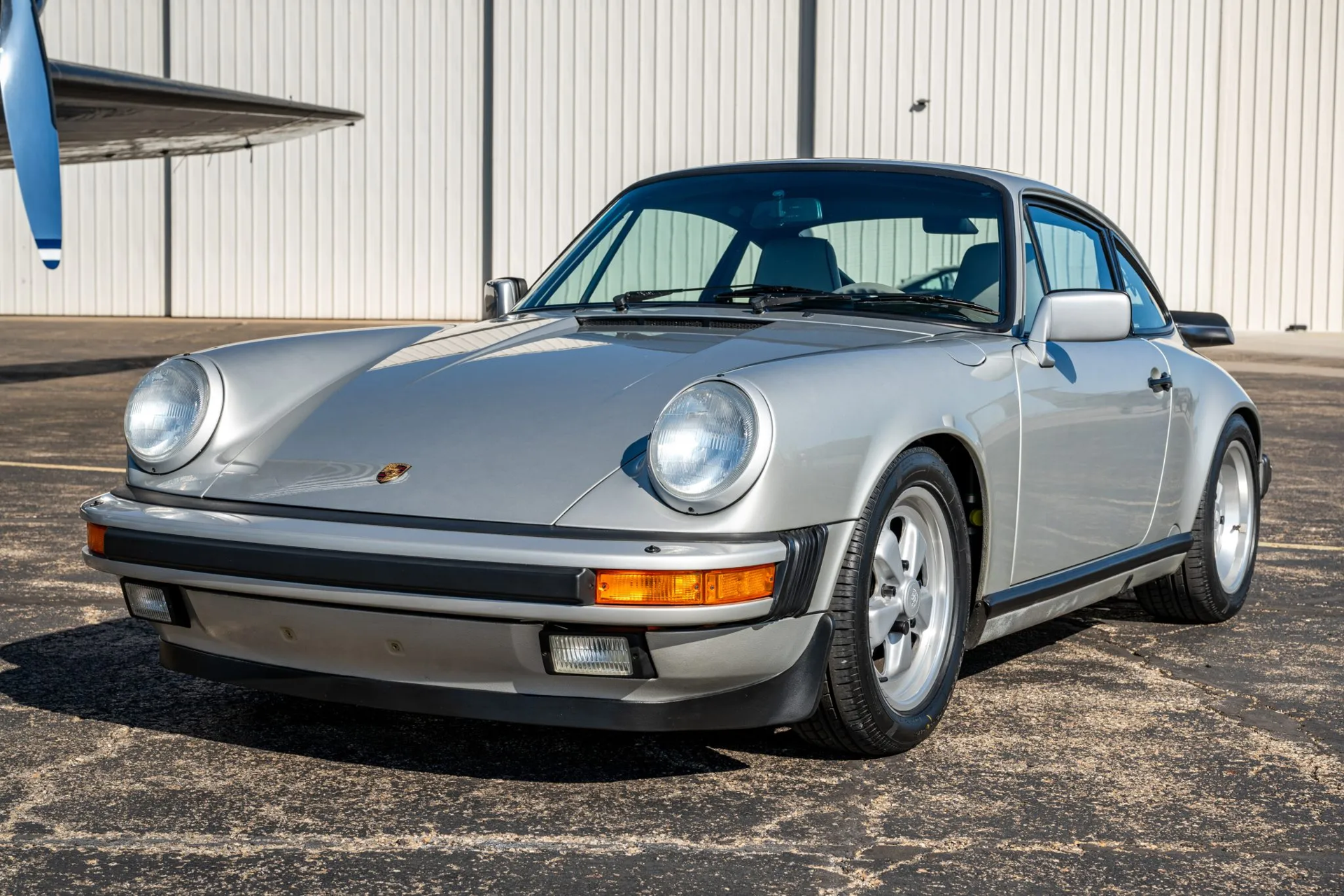
Entering the ’80s, Porsche wanted to put a hard stop to 911 production. According to the product timeline, the last car was supposed to roll off the assembly line by the end of 1981. Yes, the 911 was, by the standards at the time, old and outdated, but it was the car that defined the brand. The announcement of its cancellation led to low morale within the company ranks.
Enter Peter Schutz, who was appointed president and CEO of Porsche in 1981. As the story goes, Schutz saw a chart in Helmuth Bott’s (the chief of engineering’s) office that marked the hard stop for 911 production. Schutz picked up a marker, drew on the 911’s line as far as he could, and even drew on the wall. Schutz effectively told Bott that the 911 should never die.
Bring a Trailer
Porsche Cayenne
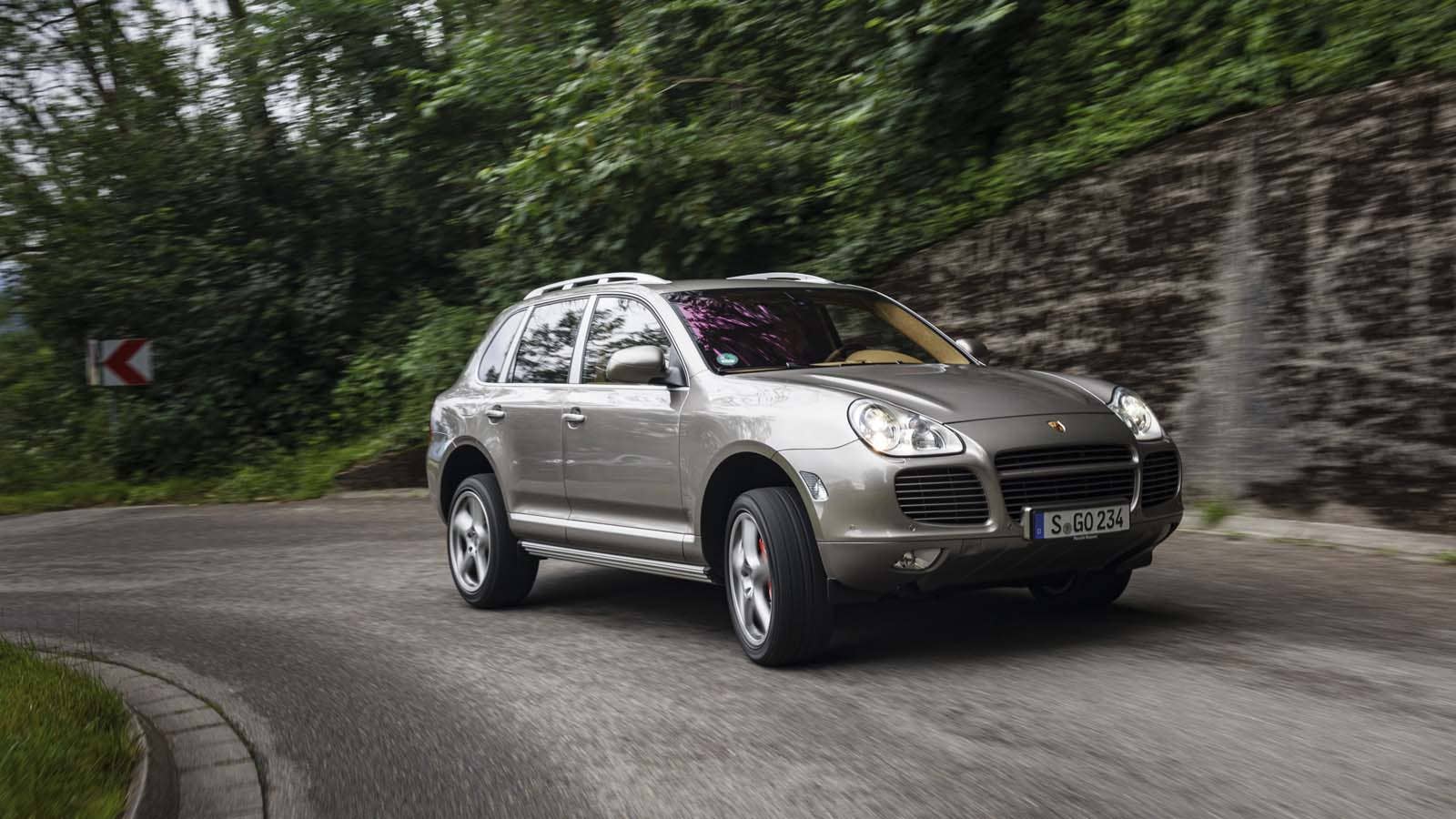
From the late ’90s to the early 2000s, Porsche offered only two models: the 911 and Boxster. Those were selling well enough, but for the sake of long-term survival, it needed a model that would rake in loads of cash. SUVs were the hot-ticket item, and Porsche wanted in.
Released in 2002 for the 2003 model year, the purists went wild. “How dare a sports car company build an SUV!” they bemoaned, but it was the best financial decision the brand ever made. Like it or not, the Cayenne gave Porsche the cash influx it so desperately needed, quickly becoming the company’s best-selling product for over a decade.
Yes, there are still those who dislike it, but without the SUV, we probably won’t see the epic GT3 models so coveted by the track-day crowd and influencers alike. We wouldn’t be able to see the Cayman evolve, too. At the end of the day, a car company is a business, and the Cayenne was born out of necessity. It helps that it’s a hugely competent vehicle, too.
About the author

Anton Andres
News Editor