
A Fragile Supply Web
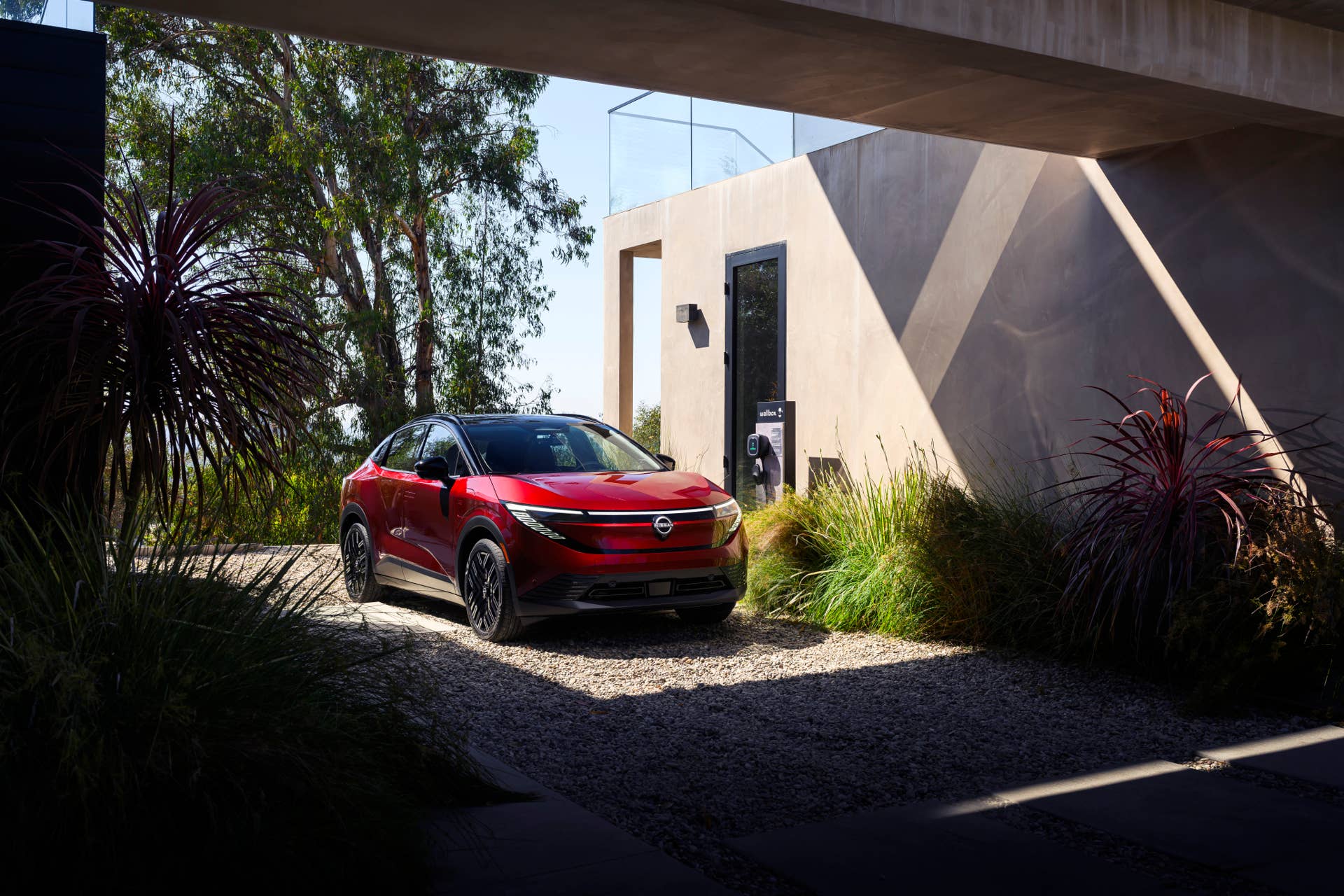
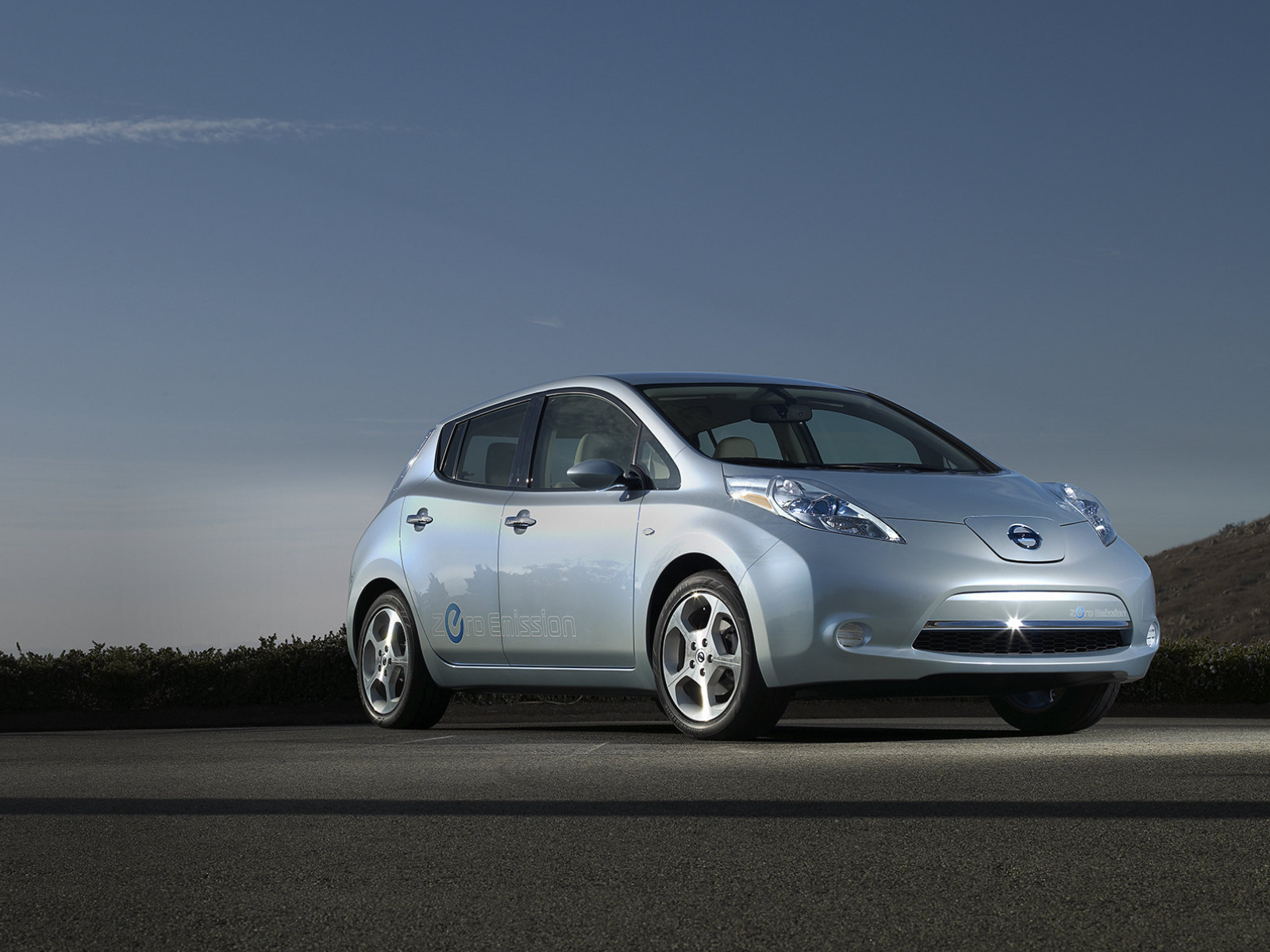
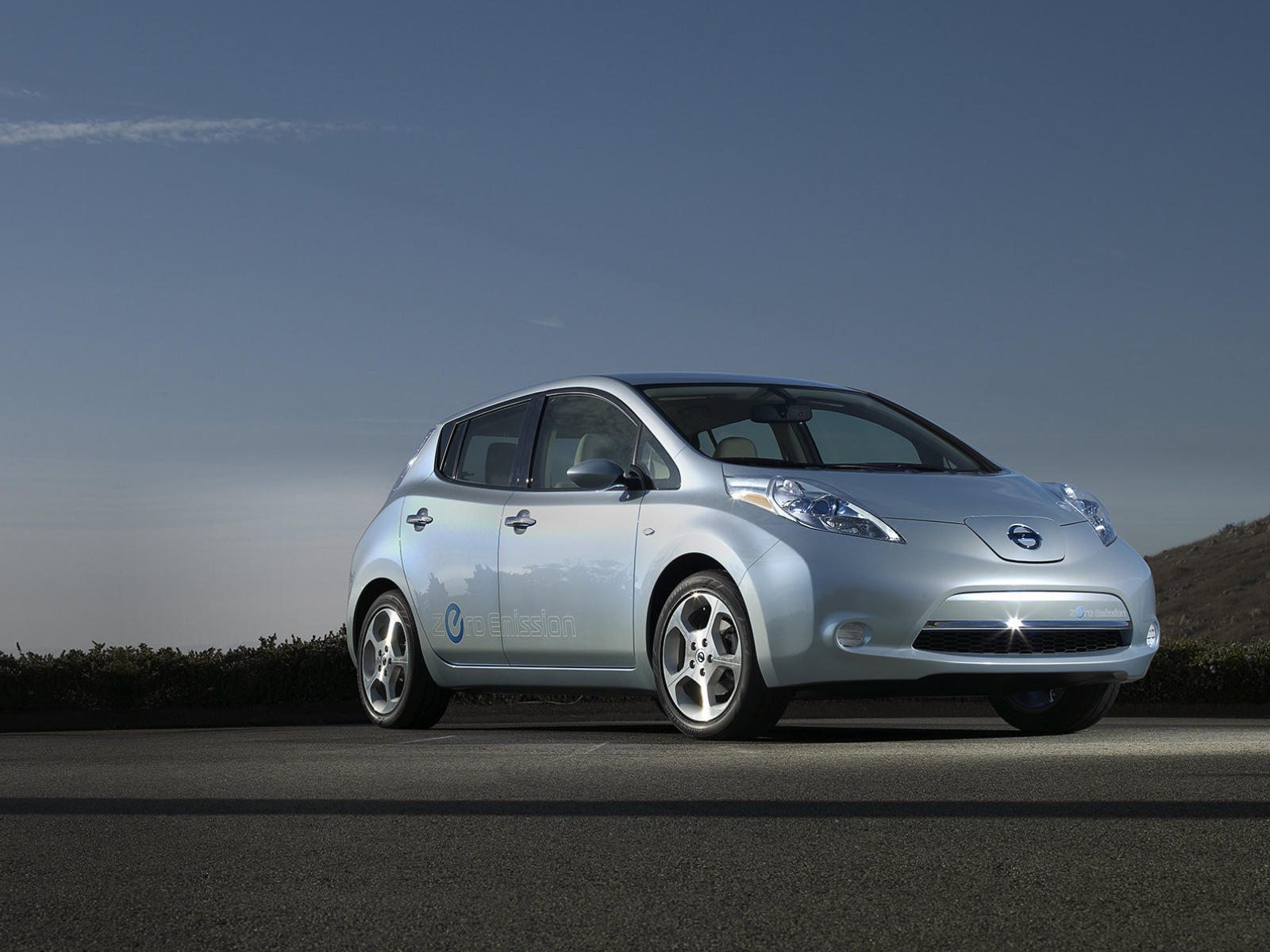
A report from Nikkei Asia says Nissan is using 90 percent less rare-earth metals, including dysprosium and terbium, in the new Leaf than in the original model released in 2010. While this reflects advancements in EV motor technology, the reduced reliance also helps limit exposure to rare-earth export restrictions, particularly in China.
China dominates the rare-earth supply chain, and while the U.S.-spec Leaf’s direct exposure is unclear, it is still likely tied to that ecosystem. As EV motor technology improves, reducing reliance on those materials could benefit the U.S. by limiting exposure to potential supply disruptions.
Nissan
The Original EV Evolves
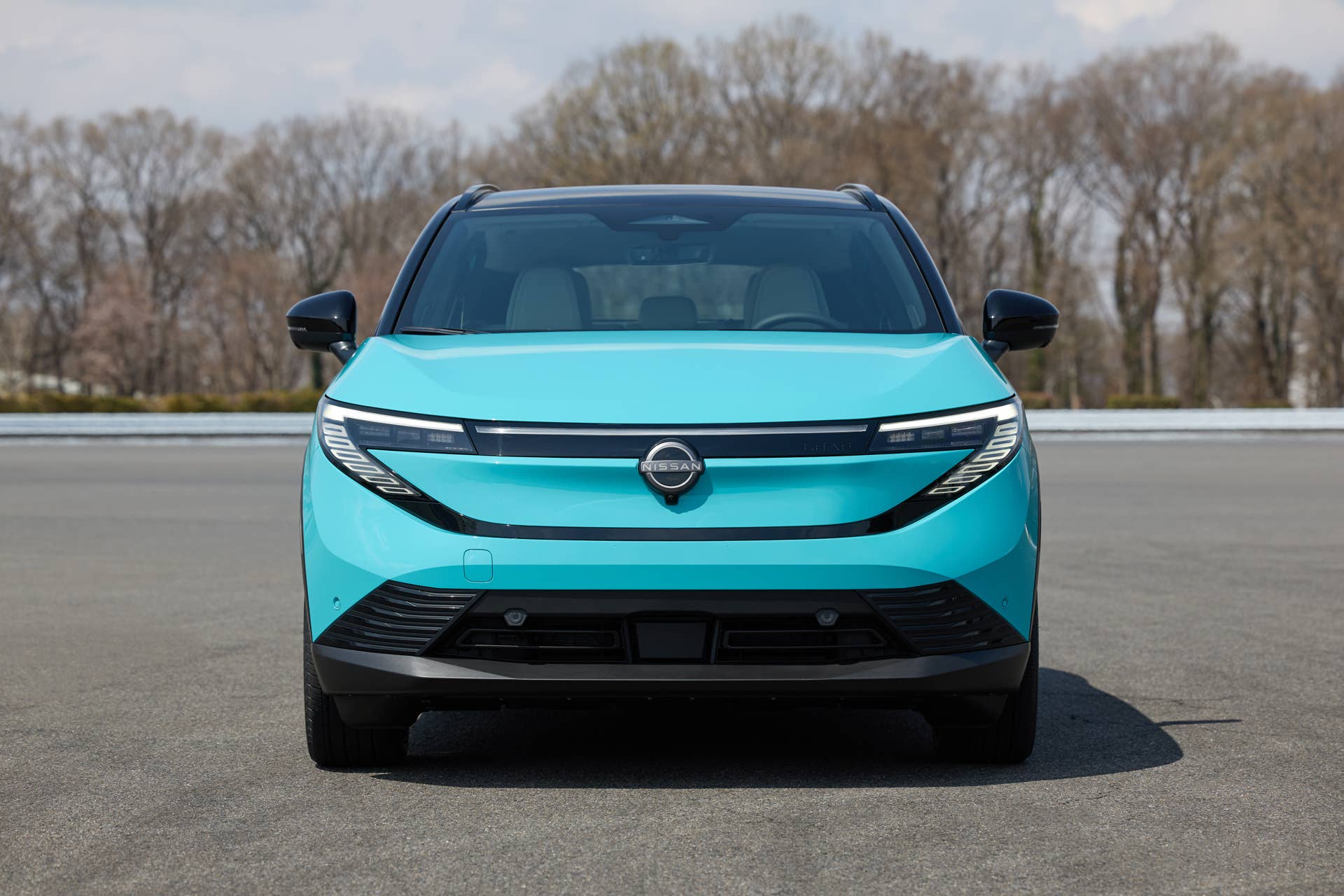
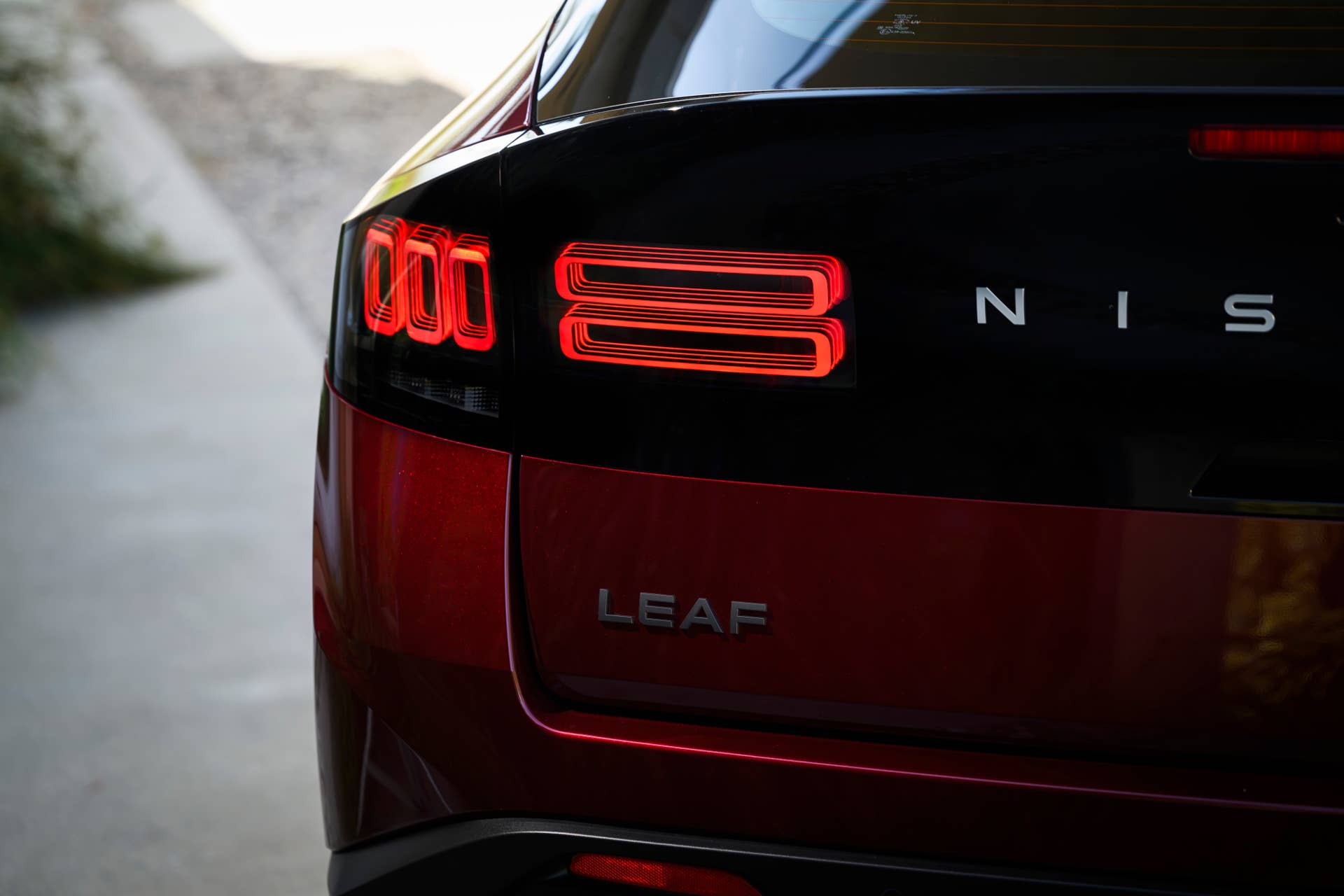
The previous-gen U.S.-spec Nissan Leaf was built at Nissan’s Smyrna, Tennessee plant, which currently produces SUV models like the Nissan Pathfinder. However, for the next-generation model introduced last year, production has shifted to Sunderland, England, as demand for the model and EVs in general has cooled in the U.S.
Still, the Leaf remains one of the most affordable EVs stateside, alongside models like the Chevrolet Bolt EV. It features a 75-kWh lithium-ion battery and a single AC synchronous motor producing 214 horsepower and 261 lb-ft of torque. The estimated range is up to 303 miles, while a 10 to 80 percent charge via DC fast charging takes about 35 minutes.
The Leaf is one of the longest-running mainstream EV nameplates, having arrived even before Tesla launched the Model S in 2013 – a flagship now nearing the end of its run alongside the Model X. That makes the Leaf a strong case study on how far EV technology has come, with the report noting that Nissan aims to keep cutting rare-earth use as development continues.

Nissan
Cutting Back on Critical Materials
Nissan offers the Leaf with a starting price of $29,990, excluding destination fees. It is now the Japanese marque’s sole EV model sold in the U.S., following the discontinuation of the larger, more upscale Ariya after the 2025 model year.
Aside from Nissan, General Motors is also working to address its reliance on rare earths. GM, which owns Buick, Cadillac, Chevrolet, and GMC, is taking part in the U.S. administration’s plan, including a $12 billion commitment to stockpile rare earths and other critical minerals. The effort is intended to help protect American automakers from potential pricing and supply chain disruptions.
Nissan
Nissan
About the author

Rex Sanchez
News Editor