
Featured Gallery

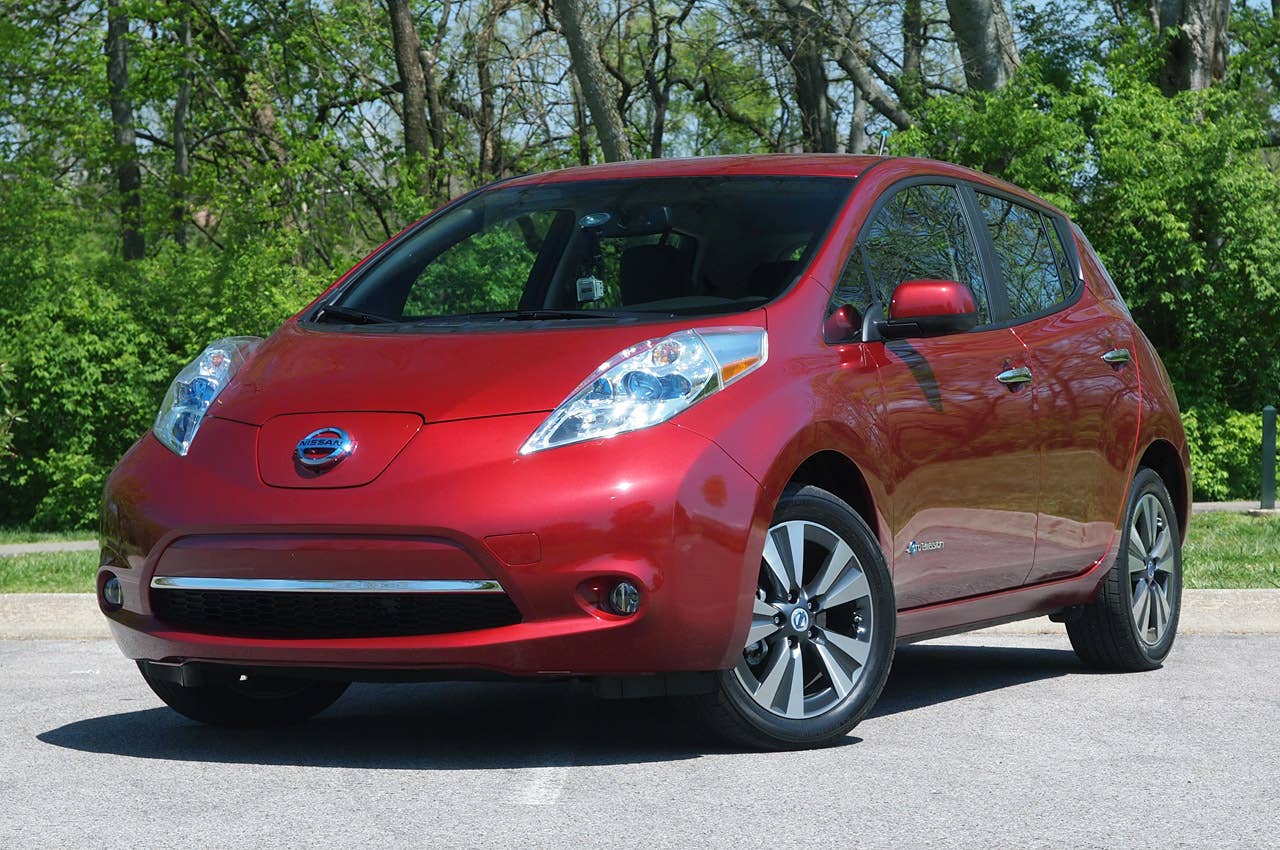
2013 Nissan Leaf front 3/4 view
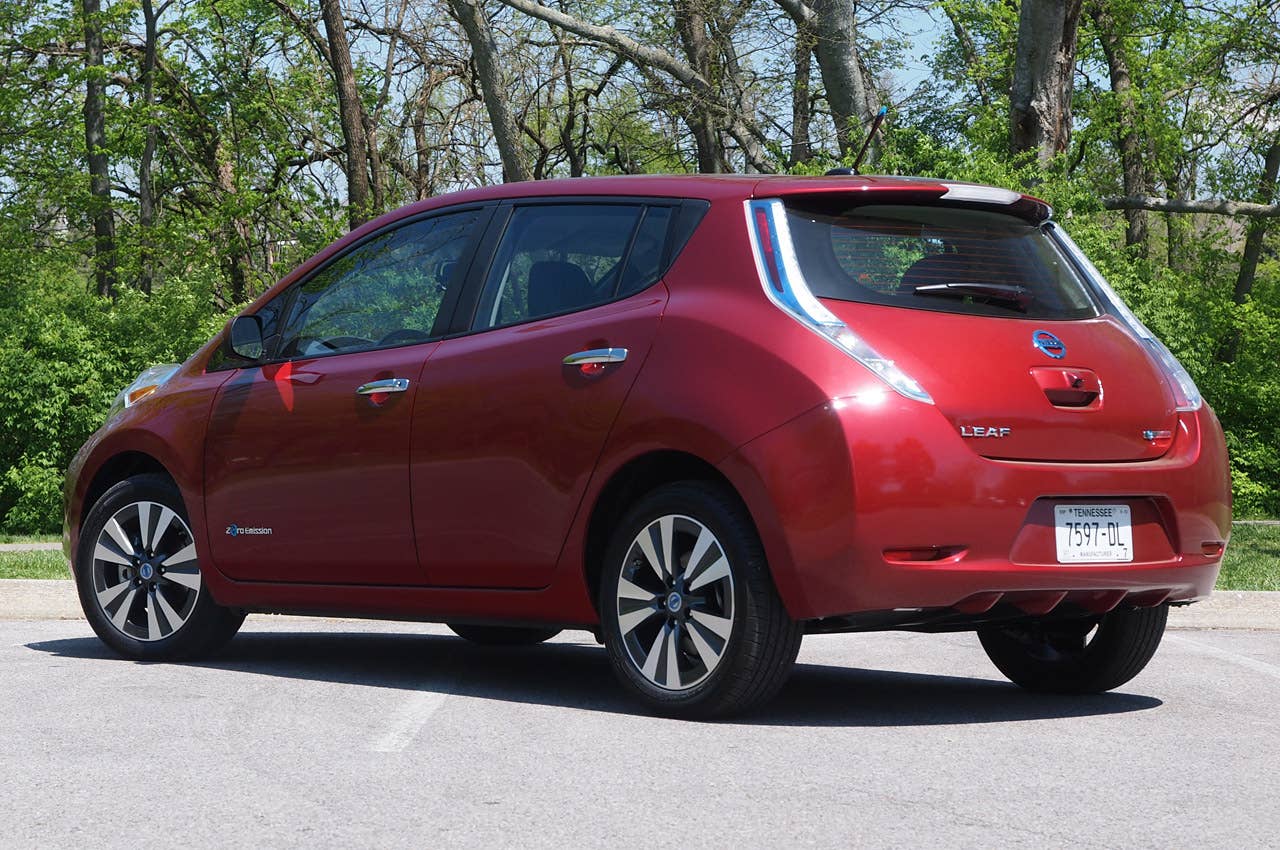
2013 Nissan Leaf rear 3/4 view

2013 Nissan Leaf side view

2013 Nissan Leaf front view

2013 Nissan Leaf rear view

2013 Nissan Leaf logo

2013 Nissan Leaf headlight
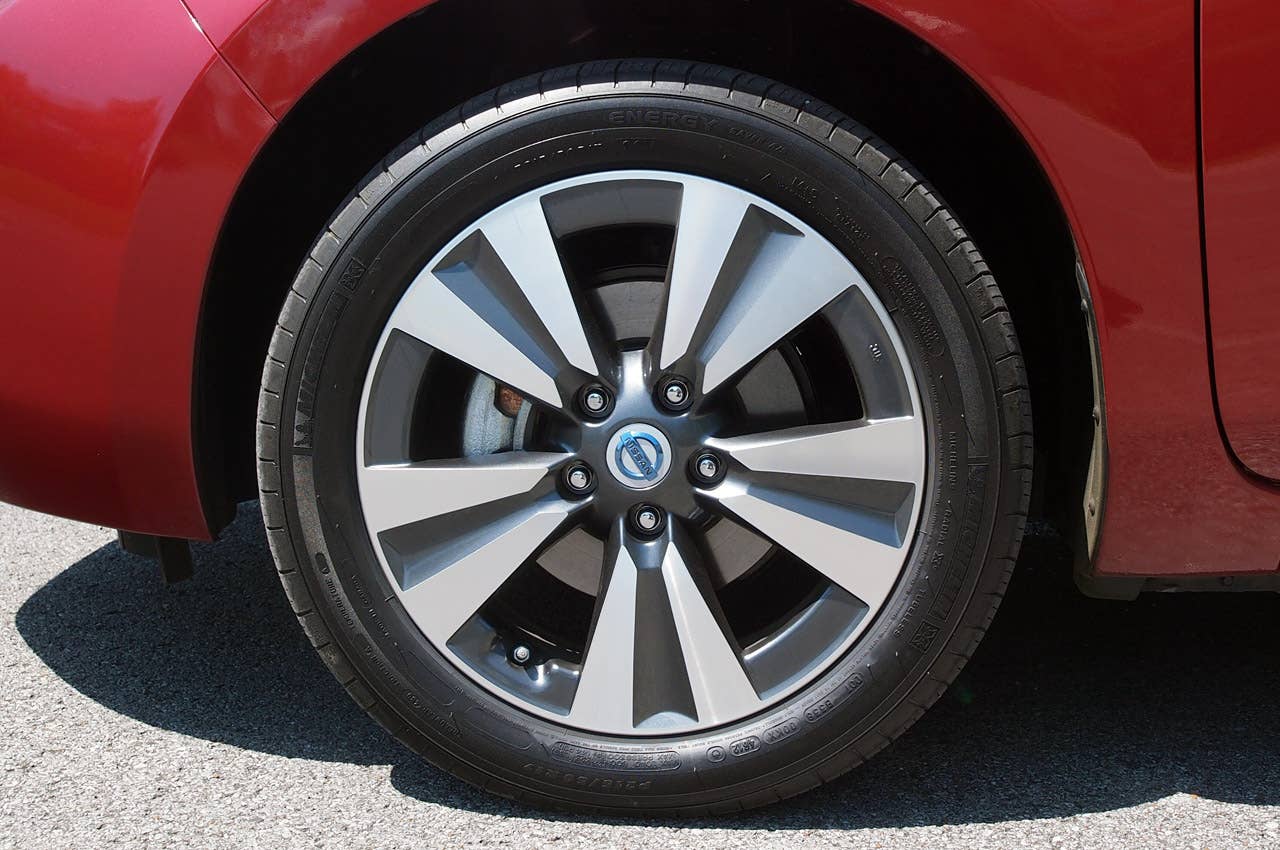
2013 Nissan Leaf wheel

2013 Nissan Leaf badge

2013 Nissan Leaf solar panel

2013 Nissan Leaf badge

2013 Nissan Leaf charging port

2013 Nissan Leaf charging port

2013 Nissan Leaf battery pack

2013 Nissan Leaf battery pack

2013 Nissan Leaf interior

2013 Nissan Leaf interior

2013 Nissan Leaf interior

2013 Nissan Leaf gauges
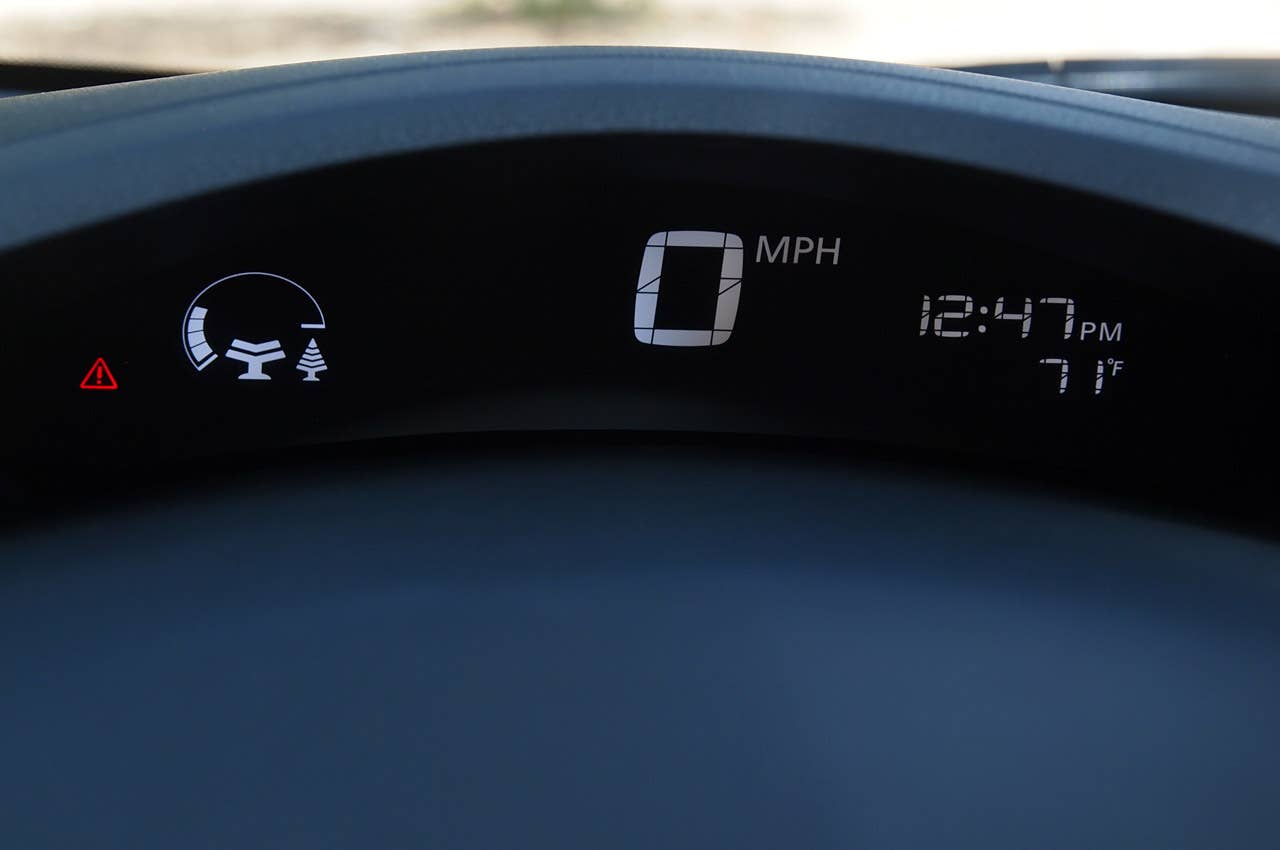
2013 Nissan Leaf speedometer

2013 Nissan Leaf energy info display

2013 Nissan Leaf energy info display

2013 Nissan Leaf audio system display

2013 Nissan Leaf navigation system

2013 Nissan Leaf back-up camera display

2013 Nissan Leaf climate controls

2013 Nissan Leaf gear selector

2013 Nissan Leaf rear cargo area
The Basics: Nissan is recalling 46,859 examples of the 2013-15 Leaf EV manufactured between November 19, 2012, and July 31, 2015.
The Problem: The relay inside the electronic brake booster could freeze and not function properly, forcing the driver to apply more effort to slow down the vehicle.
Injuries/Deaths: None reported.
The fix: A simple reprogramming of the Intelligent Brake Control Unit is all that’s required.
If you own one: Watch out for the brake warning light when starting up the vehicle after it was parked in the cold for a long period of time, and prepare yourself to apply more pressure than usual on the brake pedal.
Related Video:
Show full PR text
RECALL Subject : Brake Relay may Freeze in Cold Temperatures
Report Receipt Date: FEB 29, 2016
NHTSA Campaign Number: 16V119000
Component(s): SERVICE BRAKES
Potential Number of Units Affected: 46,859
Manufacturer: Nissan North America, Inc.
SUMMARY:
Nissan North America, Inc. (Nissan) is recalling certain model year 2013-2015 LEAF vehicles manufactured November 19, 2012, to July 31, 2015. During very cold temperatures, the relay inside the electronic brake booster may freeze, requiring the driver to exert more effort to slow the vehicle down.
CONSEQUENCE:
If the brake relay fails, longer distances or additional brake effort would be required to stop the vehicle, increasing the risk of a crash.
REMEDY:
Nissan will notify owners, and dealers will reprogram the Intelligent Brake Control Unit software, free of charge. The manufacturer has not yet provided a notification schedule. Owners may contact Nissan customer service at 1-800-647-7261.
NOTES:
Owners may also contact the National Highway Traffic Safety Administration Vehicle Safety Hotline at 1-888-327-4236 (TTY 1-800-424-9153), or go to www.safercar.gov.