
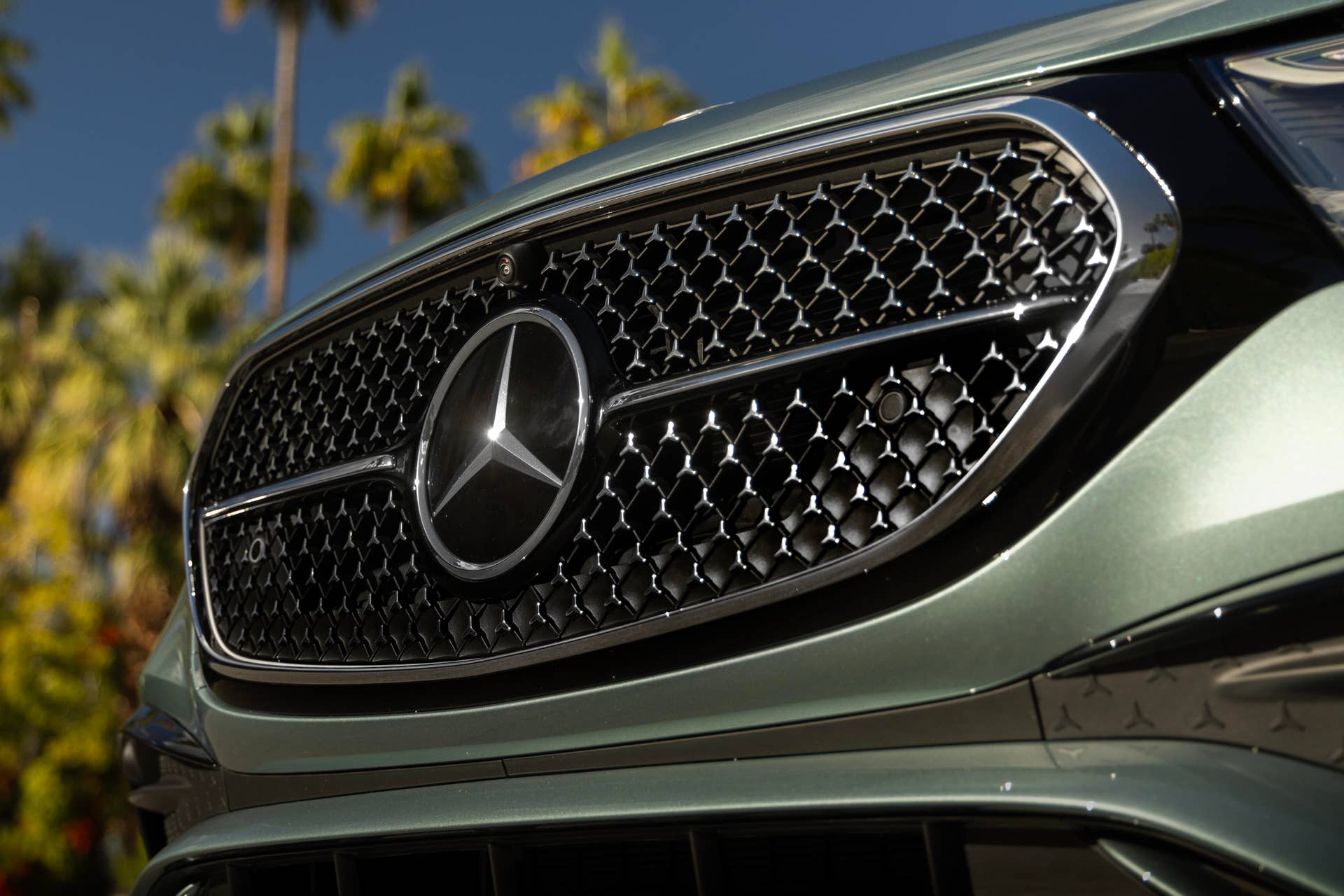
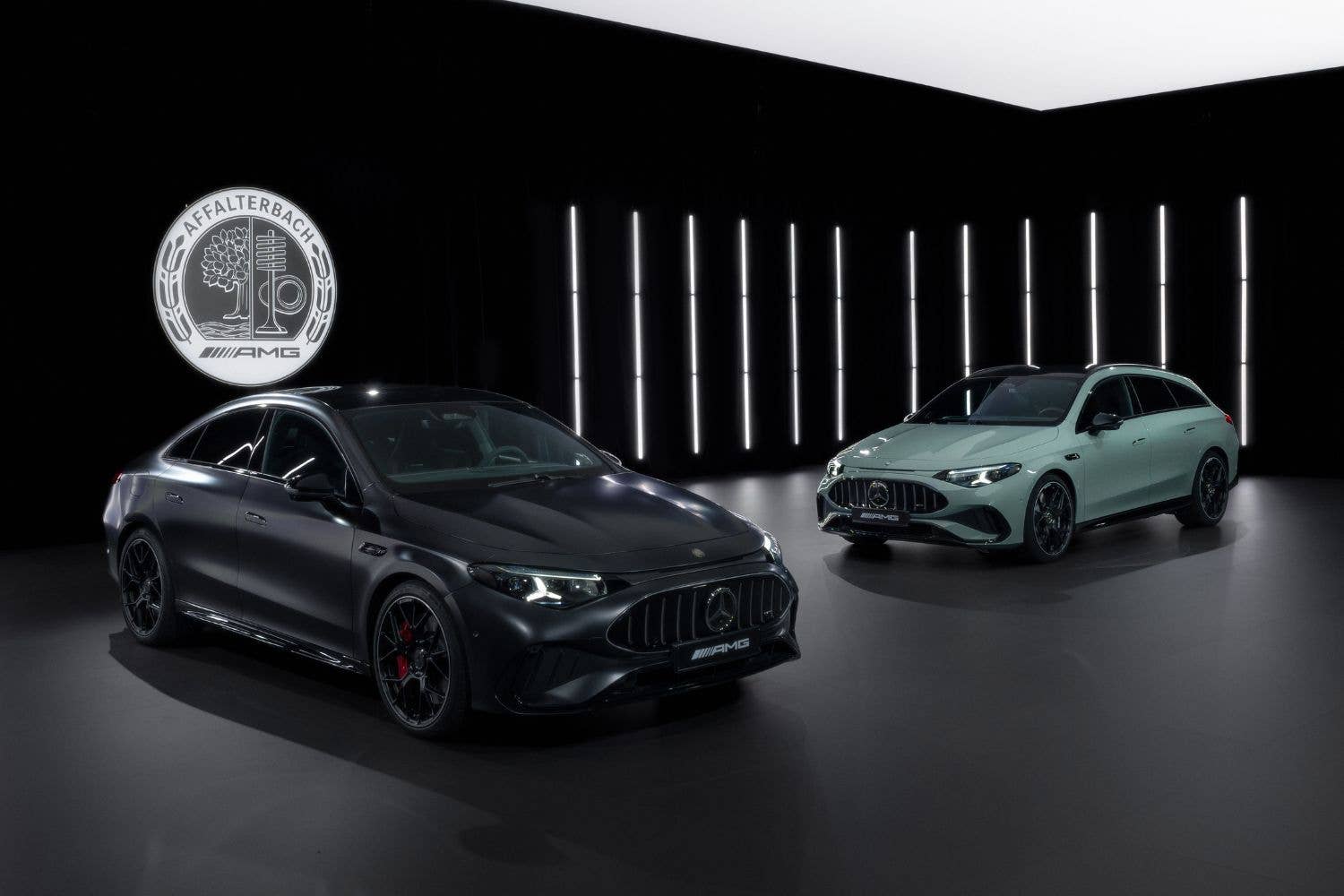
Few automakers feel more American in production than Mercedes-Benz, which has built cars in Alabama for nearly three decades. Yet a new bill in Washington could still push it out of the US market, not because of anything it builds or installs, but because of who owns its shares. Legislation advancing through the Senate would ban automakers more than 15% owned by Chinese entities from selling connected vehicles, and Chinese investors hold close to 20% of Mercedes. The result is an unusual situation in which a law designed to block Beijing’s automakers could instead ensnare a storied European luxury marque.
Mercedes-Benz
The ownership math that triggers it
At the center of the story is a single number. A bipartisan bill, the Connected Vehicle Security Act, advanced unanimously by the Senate Commerce Committee, would prohibit the sale or import of connected cars from any automaker that is more than 15% owned by Chinese interests.
Mercedes clears that bar easily, since state-owned BAIC holds 9.98% and Geely founder Li Shufu controls another 9.69%, a combined stake near 19.67%. What makes it awkward is that Mercedes is German, headquartered in Stuttgart, with no operational control in China, so it would be caught out in its shareholder register rather than its vehicles or software.
Mercedes-Benz
A rule built to stop Chinese automakers
Chinese automakers, not German ones, were the intended target. Written to keep Chinese-linked technology out of the country, the bill would cement into law a connected-vehicle rule finalized in early 2025, hand the Commerce Department authority to block high-risk vehicle tech, and extend its reach to cars tied to Russia, Iran, and North Korea. Separate measures already restrict Chinese vehicle software from the 2027 model year and hardware from 2030, and if this bill passes as written, its provisions could begin to bite as early as January 2027.
Why Washington says it matters
Supporters frame this as national security rather than protectionism, even if the two blur together. Lawmakers argue connected cars can collect sensitive data, with the bill’s sponsors casting Chinese-linked vehicles as a surveillance risk and a danger to domestic industry, and one has described the goal as sealing off the US market from Chinese entrants entirely. They also have a recent precedent to point to, as Polestar, majority-owned by Geely, was forced out of the US after regulators denied its authorization under existing connected-car rules, while sister brand Volvo won approval.

Mercedes
Mercedes wants the line redrawn
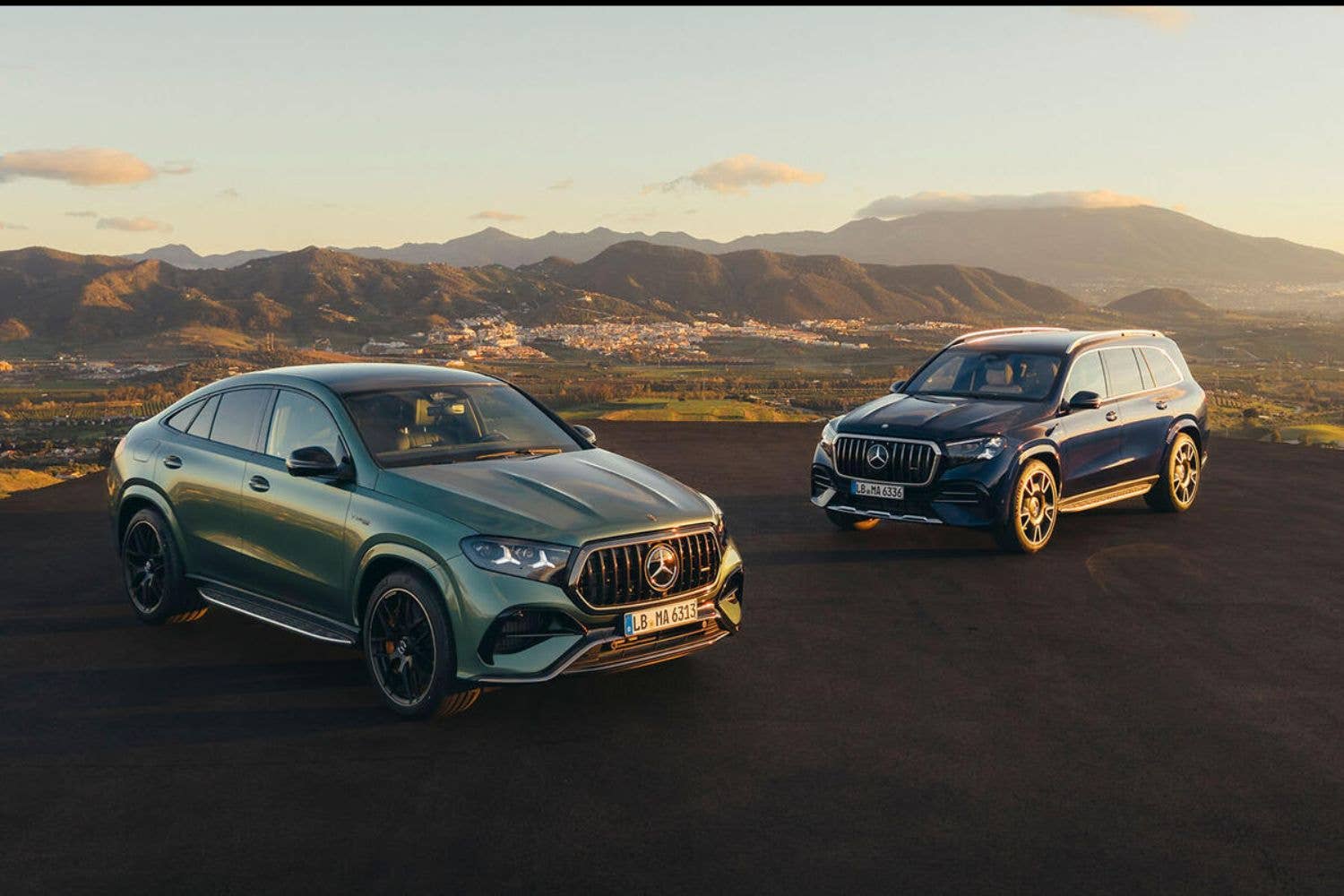
For its part, Mercedes is lobbying hard to move the goalposts. Leaning on its US footprint, more than 10,000 employees, and assembly plants in Alabama and South Carolina, the company wants the threshold raised from 15% to 25%, which would leave it in the clear.
A group representing foreign automakers has backed the bill’s intent while warning against unintended harm to US manufacturing, and lawmakers are reportedly weighing a switch from the flat percentage to a case-by-case security review. Stakes are high for Stuttgart, whose China sales fell about 30% in the second quarter of 2026, making US access more valuable than ever.
Not a done deal yet
Plenty could change before any of this becomes law. The unanimous committee vote masked real disagreement over the wording, and Chairman Ted Cruz warned that the 15% cutoff could inadvertently rope in Mercedes, which clouds the bill’s odds of passing in its current form. Sponsors note the automaker would have until 2030 to comply and could apply for a waiver in the meantime, so no dealership is closing tomorrow. From here, the measure heads to the full Senate, where the debate will turn on how to define a security threat, and whether a German luxury brand belongs on that list. More on the brand and its current cars sits at Mercedes-Benz and its US lineup.
About the author

Kyle Edward
Editor-in-Chief, Autoblog