
It’s the ultimate Porsche Party. Luftgekühlt. Luft-ge-kühlt. You can say it. It’s easy.
What does it mean? Well, it’s German for air-cooled and describes the engines used in most Porsche models until early 1998. These engines relied on nothing more than air and oil to remain at operating temperature. None of that water-based anti-freeze for these early Porsches.
So, it was only fitting that the ultimate Porsche party would be named after the characteristic that most defined these cars. Then again, most Porsches of this generation are rear-engined, so Heckmotor (German for rear-engined) would have been accurate, too, and almost as fun to say.
German words aside, what is it about Porsche that attracted thousands of people to look at the 400 air-cooled classic cars arranged across the Universal Studios campus on October 5th?
Paraphrasing Jerry Seinfeld, a Porsche exhibits an “authentic economy of design.” When you look at a 911, especially an earlier one, “it is the thing that it sets out to be.” Porsches are also “humanistic in their design.” They are made for people, unlike Italian cars, which are made for beauty.
People think Porsches are sports cars. But, I once read that the Porsche factory preferred to call them GT, or Grand Touring, cars. In other words, they were made to get you from where you are to where you want to be quickly and efficiently.
As the ad says, there is no substitute.
Jason Meshnick
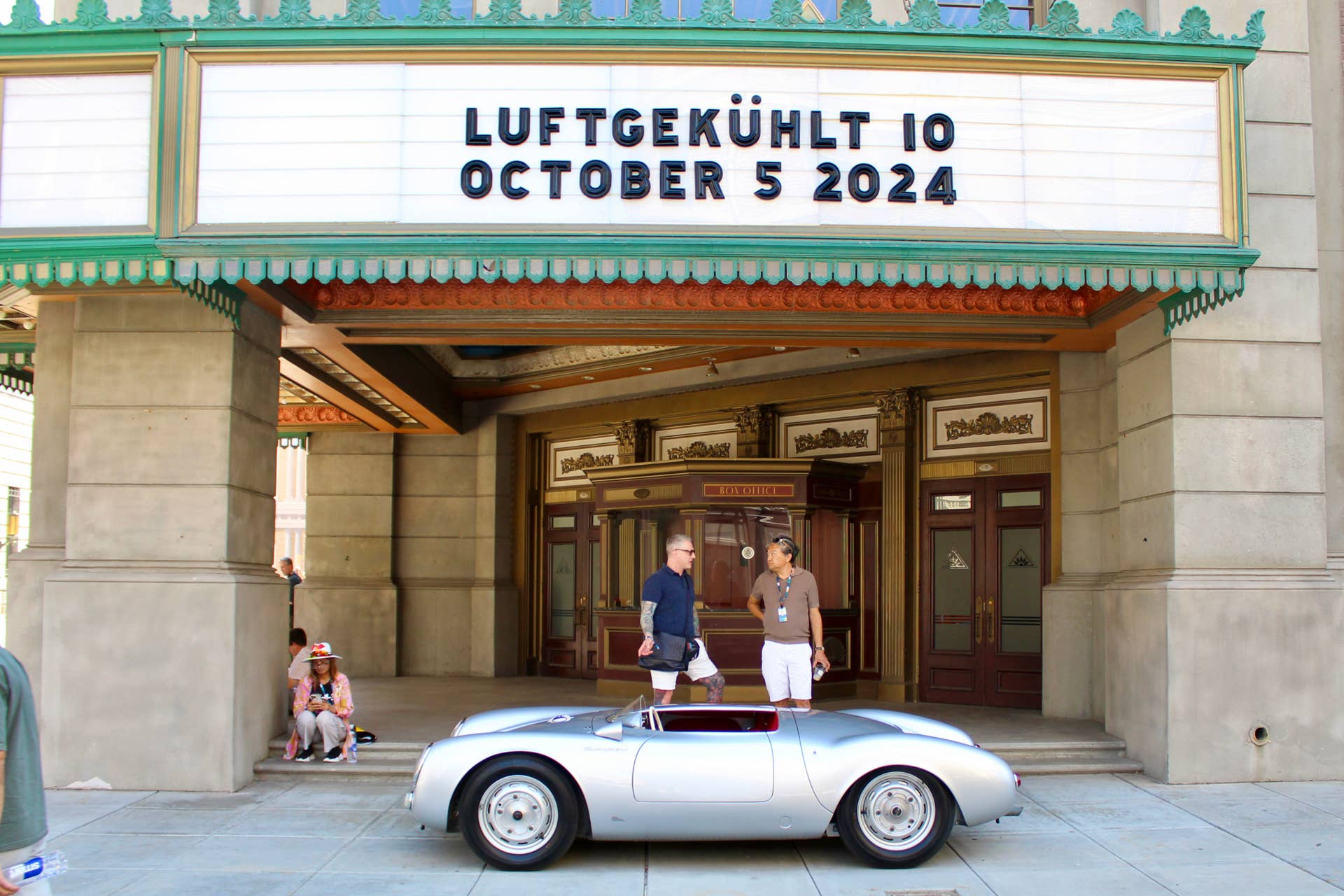
And there is no substitute for Luftgekühlt. This year’s was the 10th edition.
It was a birthday party, no less, for one of Porsche’s biggest hits. The 911 Turbo was introduced at the Paris Motor Show 50 years ago this month. Happy birthday, icon.
The party, obviously, included lots of turbos.
Jason Meshnick
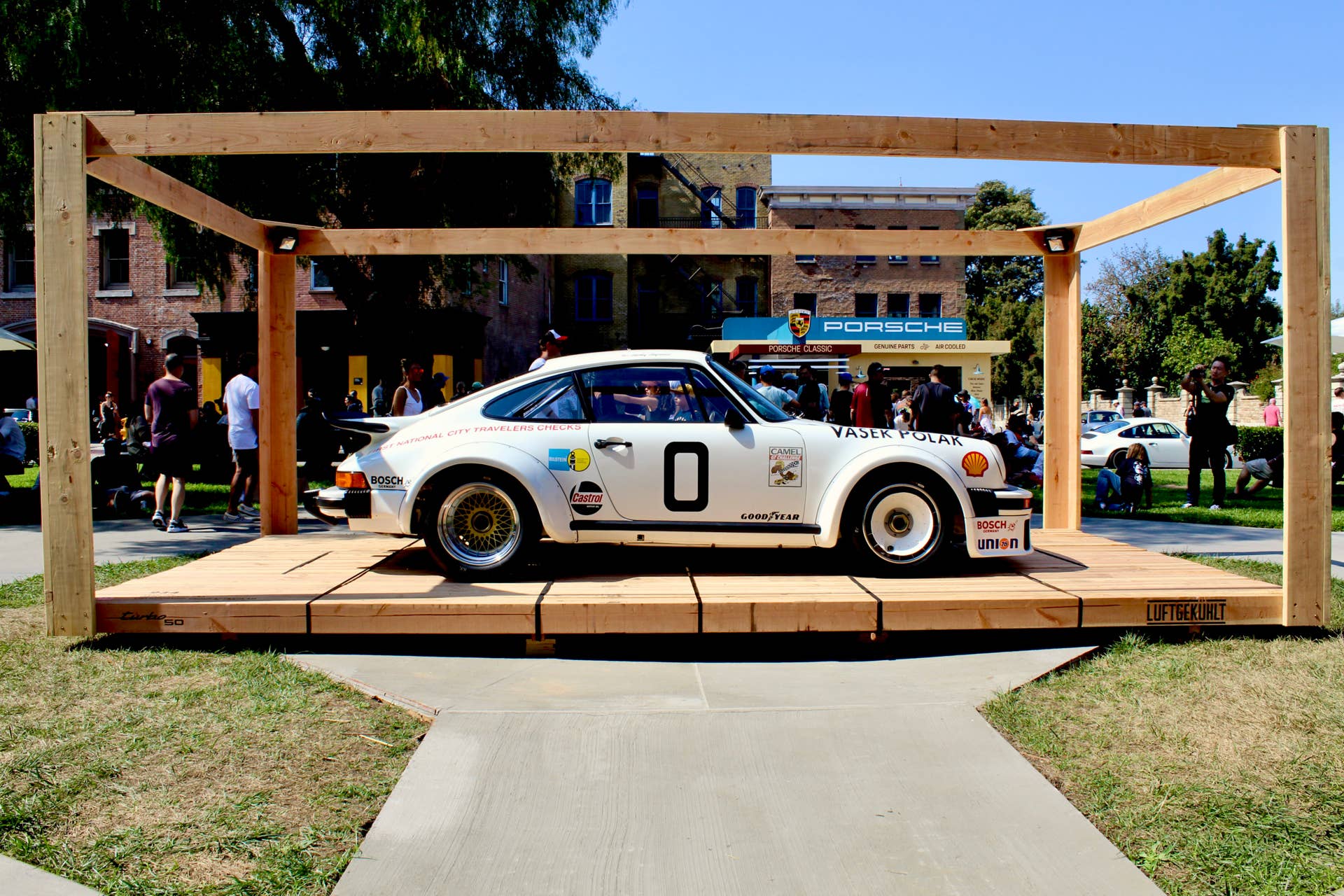
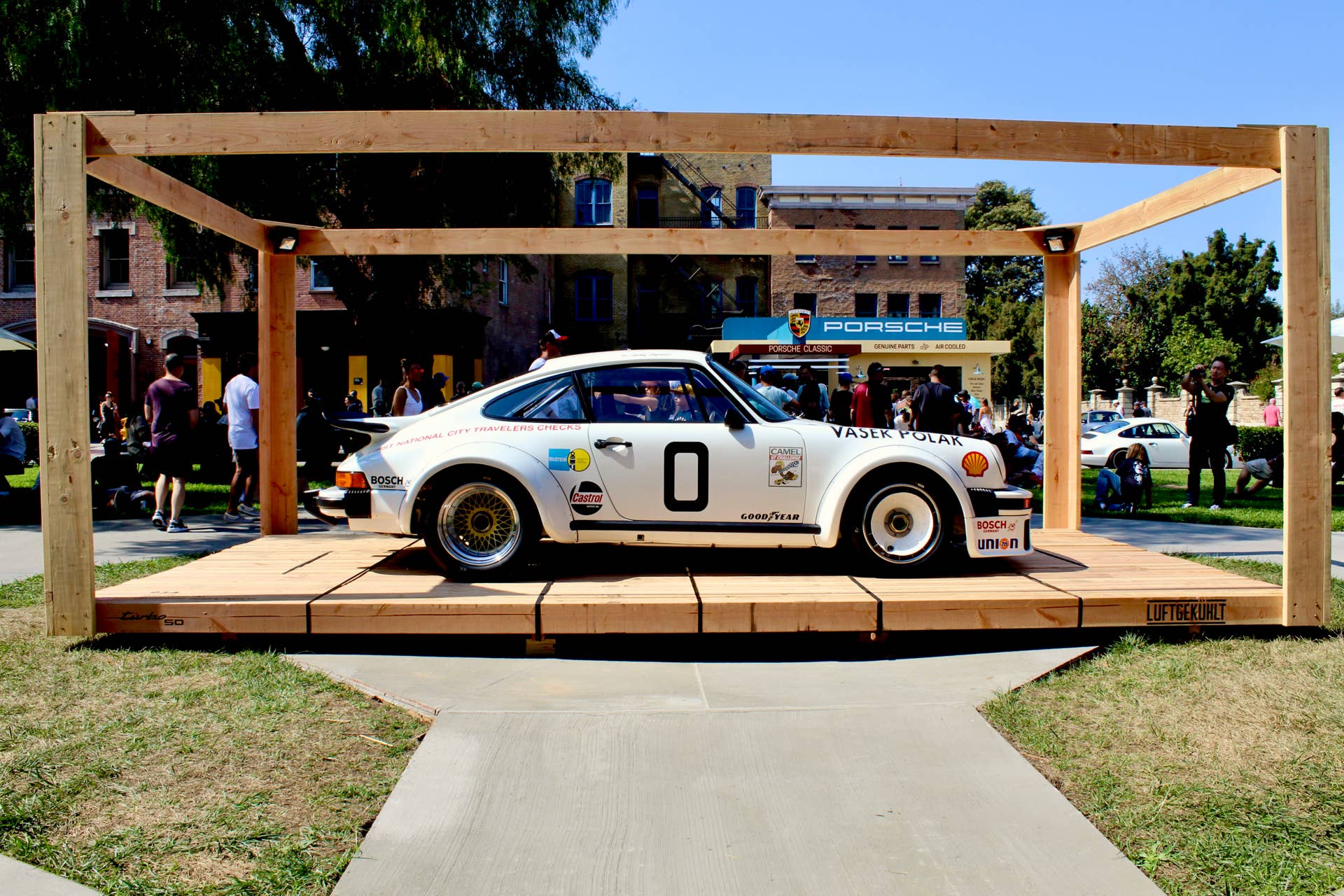
The centerpiece of the celebration was this Porsche 934 that won the 1976 Trans Am championship. 934s are factory-based racers built on the 911 Turbo.
Jason Meshnick
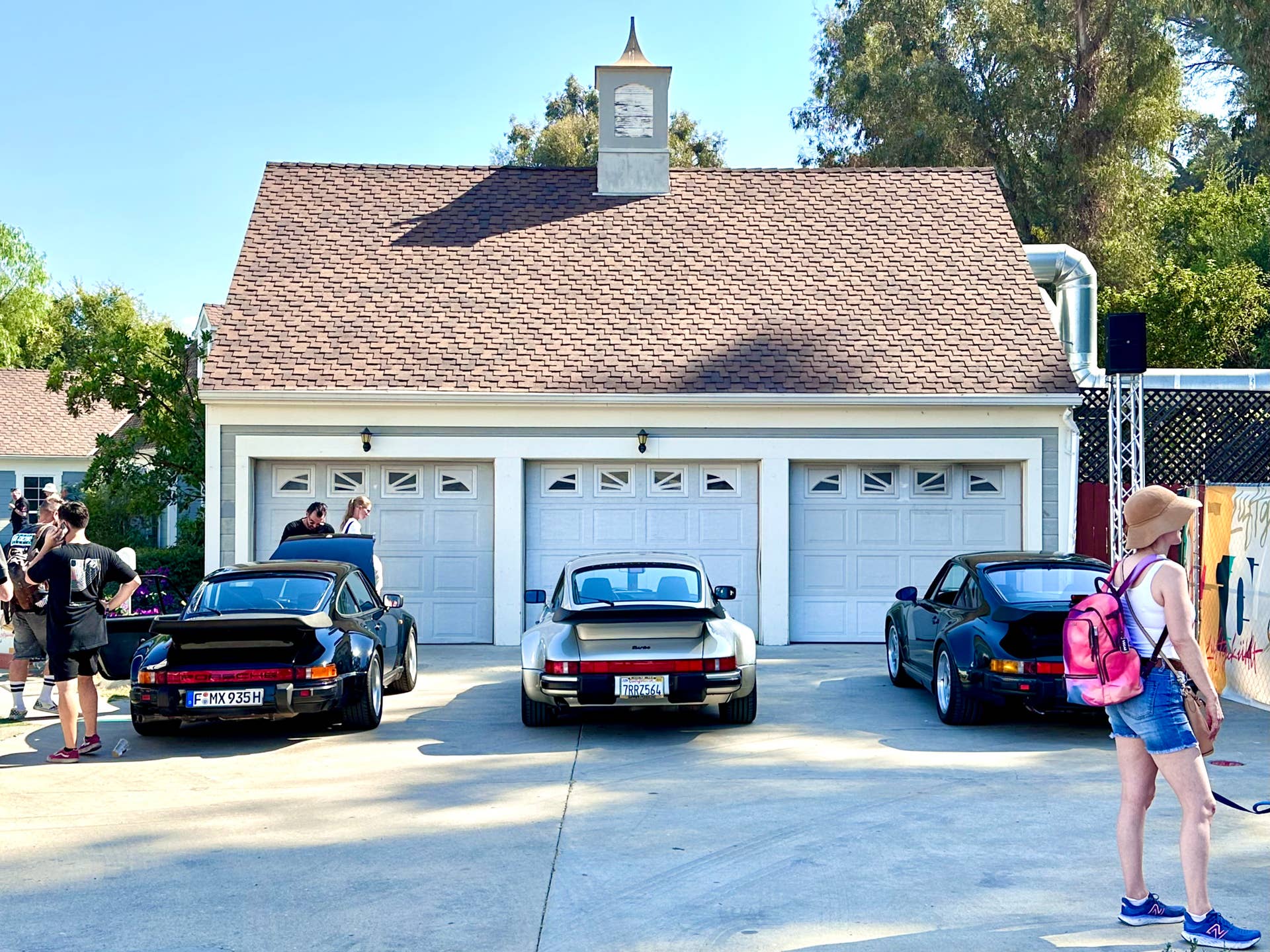
As the saying goes, race on Sunday, sell on Monday. And, what Porsche enthusiast wouldn’t want a driveway full of Porsche 911 Turbos, known as 930 Turbos in the US?
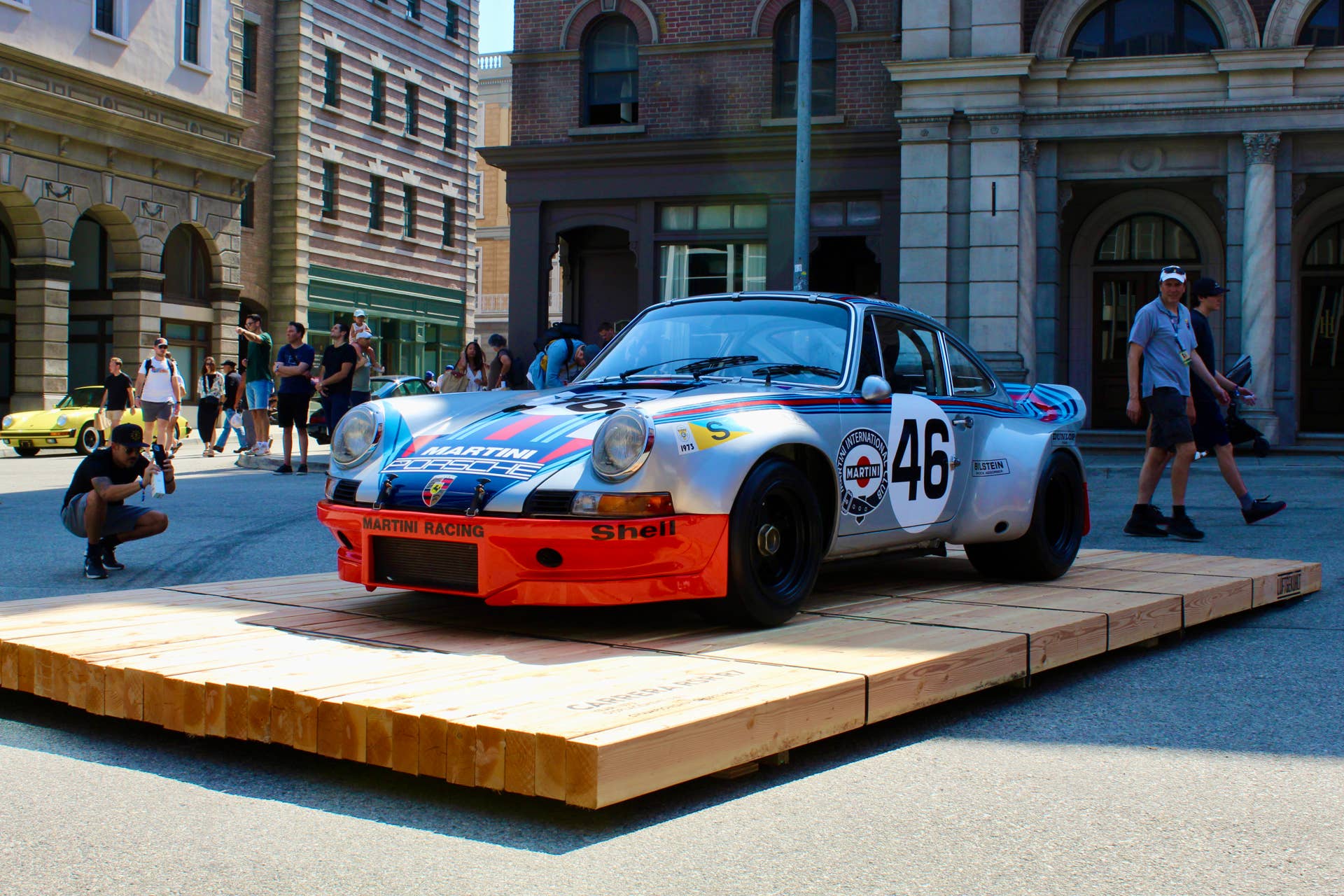
As insane as Porsche’s early turbo race cars were, the highlight for me were the 1973 RSRs, which predated the turbocharged race cars.
Jason Meshnick
This RSR is my favorite, with its Martini Livery and “Mary Stuart, Queen of Scots” wrap-around rear spoiler. Despite being a production-based car, it came in fourth overall at the 1973 24 Hours of LeMans. The car was an underdog, and it proved Porsche’s durability.
Does Luftgekühlt matter?
The question ringing in my head as I drove the 1000 miles to Luft in my own air-cooled 911, was, why does Luft matter?
It’s simple, really: community creativity. Humans crave creative expression, and when we can find a community to share it with, everybody wins.
That’s the secret to Luft’s success. It provides a venue for community creativity. It’s the ultimate in social expression. And one key to that is the location.
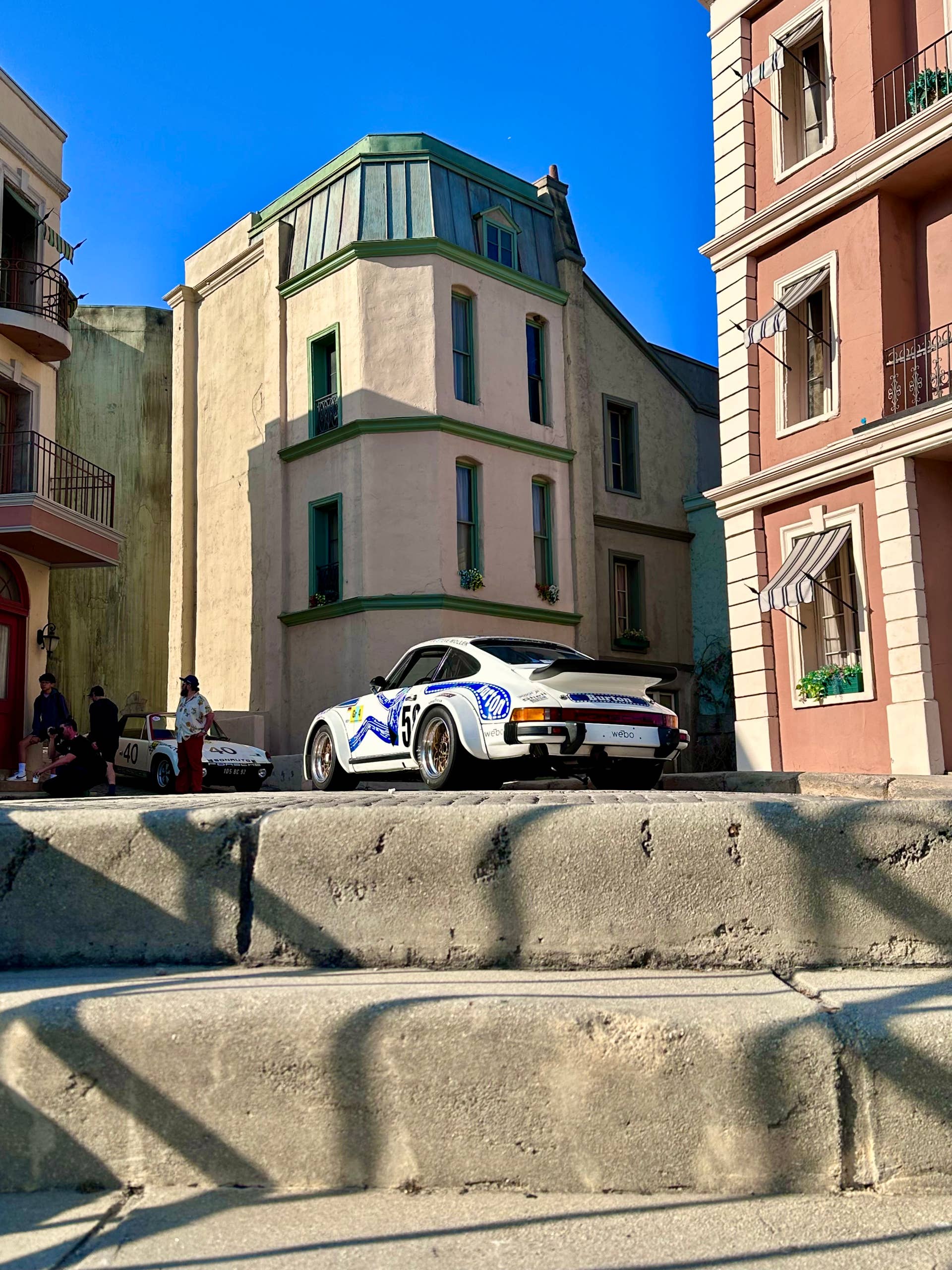
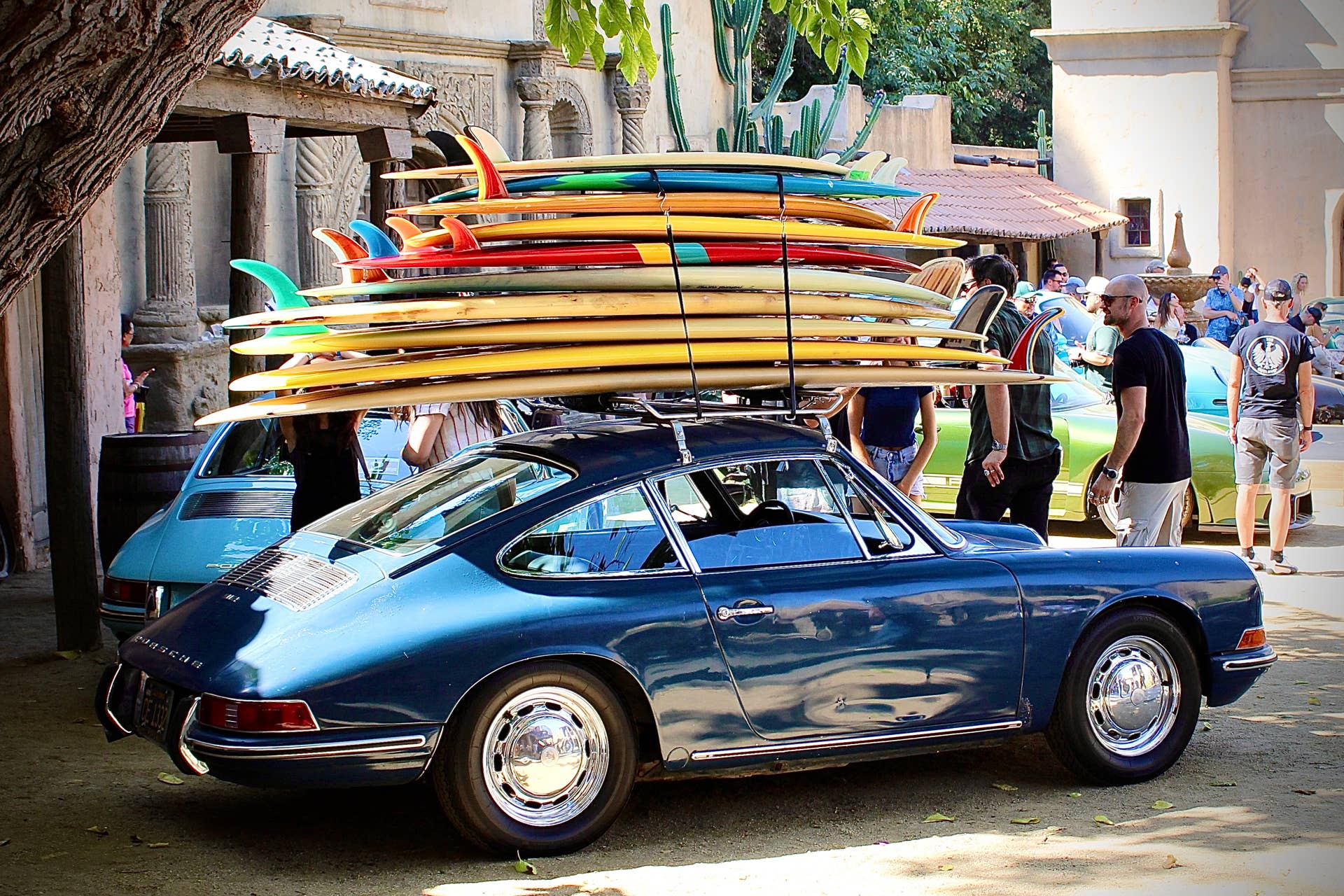
This year’s event was held at Universal Studios. This allowed the team, led by Creative Director Jeff Zwart and former Porsche factory driver and Luftgekühlt co-founder Patrick Long, to arrange the cars in creative settings, from an Italian Piazza to a Mexican Surfing Safari and everything in between.
Jason Meshnick
Jason Meshnick
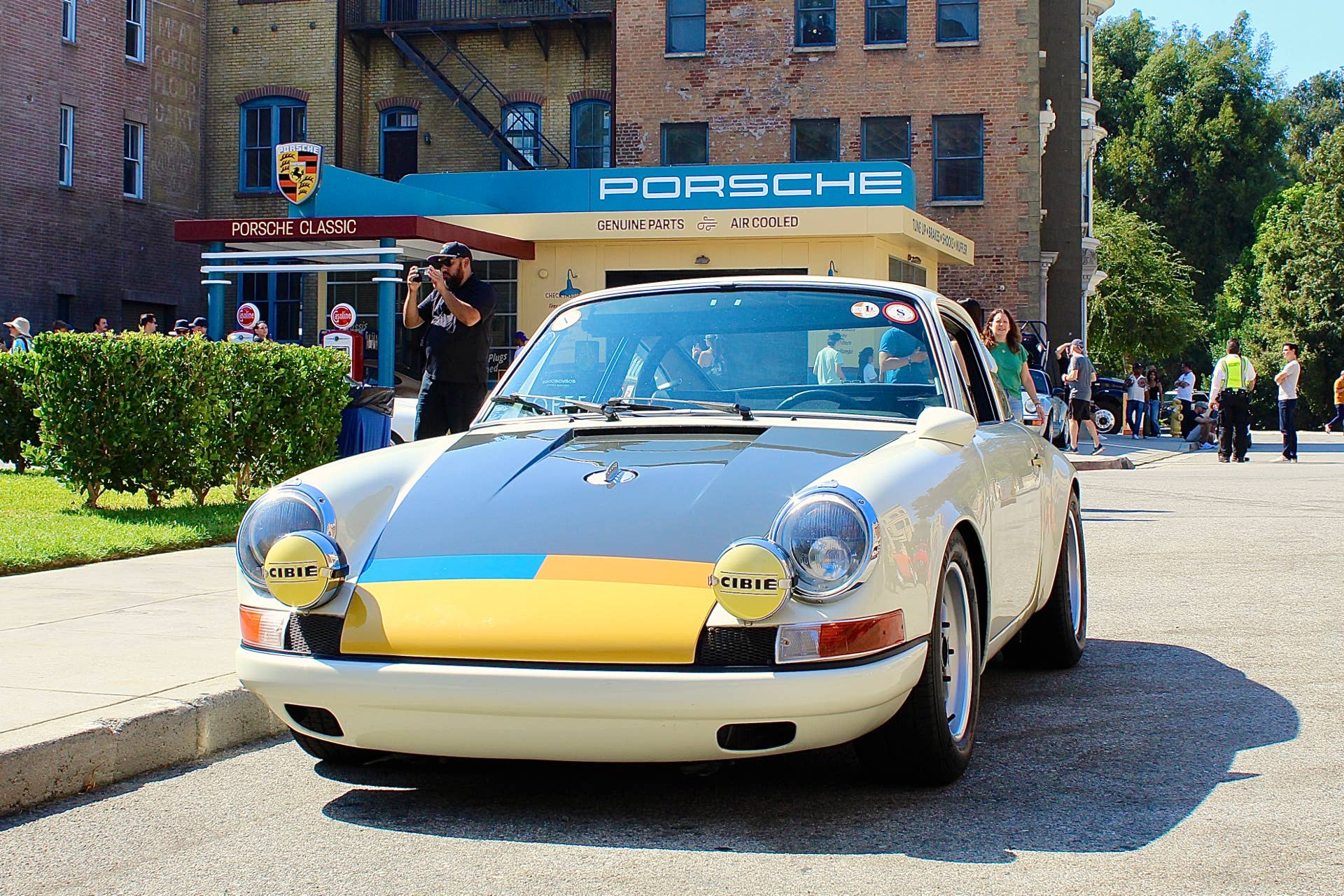
Then, it’s all about the cars. Luftgekühlt is an opportunity for people who’ve created something special in their own garage to share it with the community.
Jason Meshnick
And, the community loved it. They dove right in, creating content that has likely blown up your social media feeds.
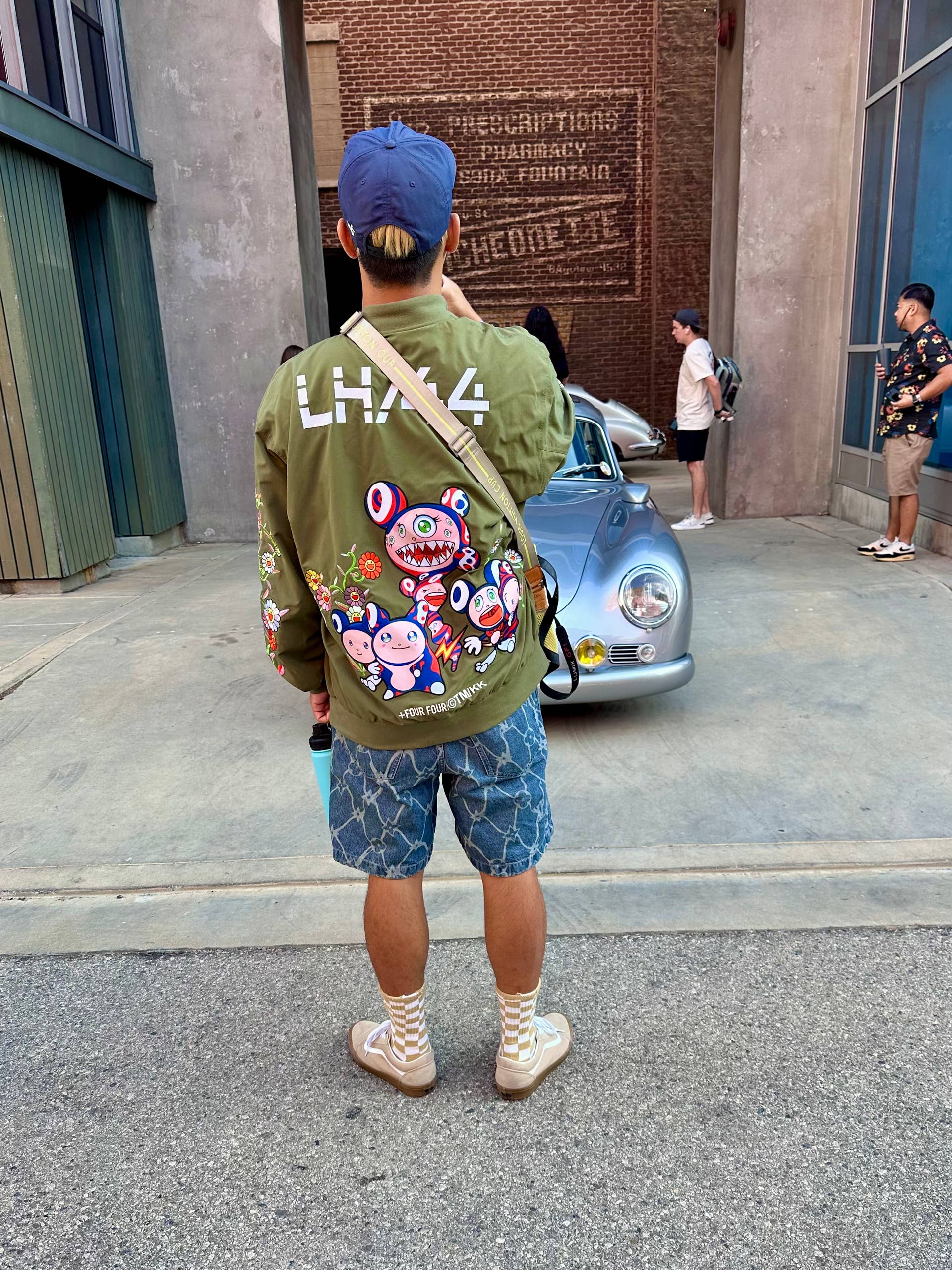
Jason Meshnick
But, not all of the content created was digital. Some people chose to enjoy the day using a more analog medium.
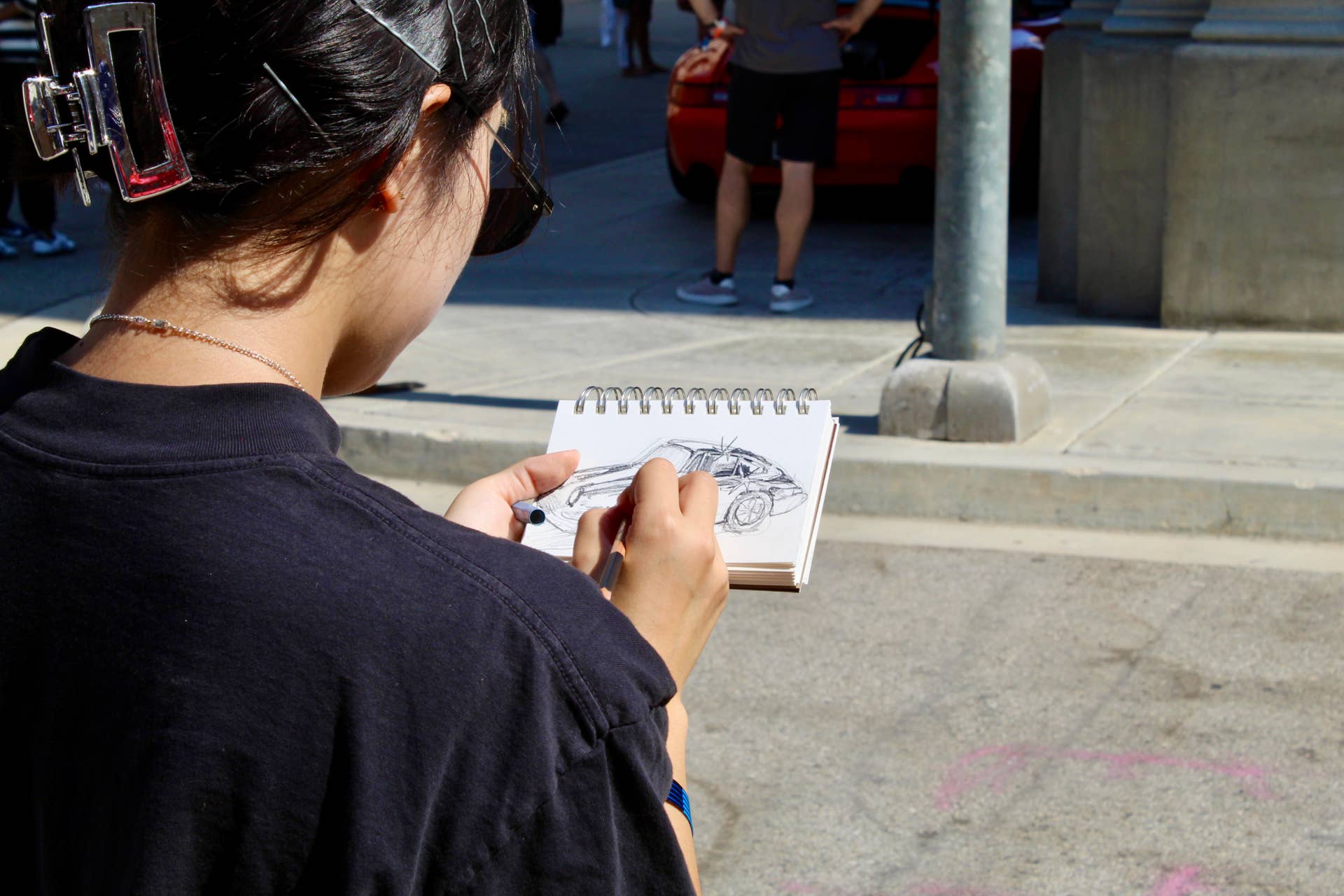
Jason Meshnick
In some cases, the content was shared in conversation between friends. My friends and I discussed the shape of the 917. How it appeared to be bigger than it actually is, and that the driver, feet hung over the front axle, sat with his head just barely above the car’s front fenders. Its proportions seem impossible. Impossibly wide, long, and low. It set the stage for every endurance race car that followed.
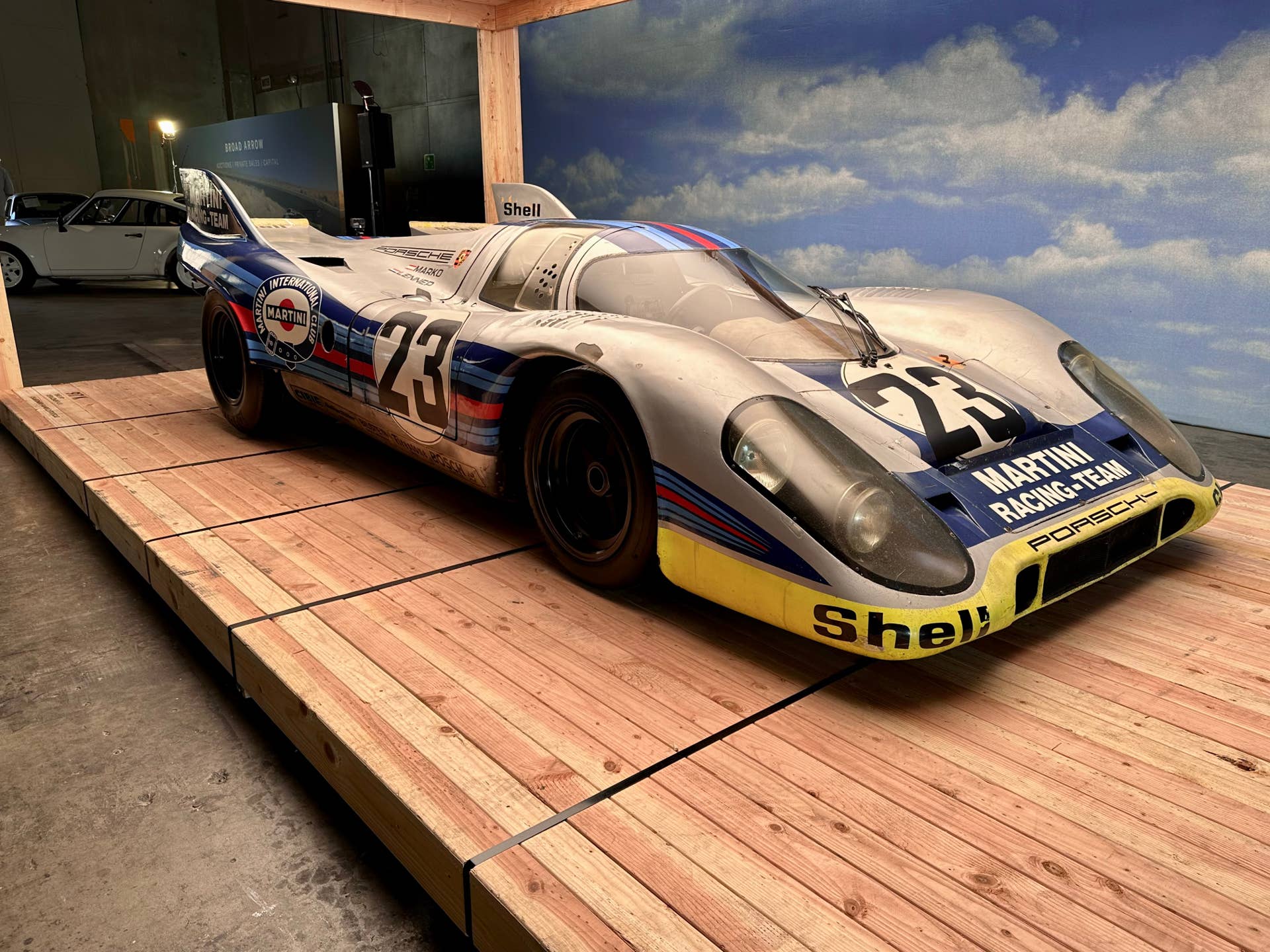
Jason Meshnick
So yeah, Luftgekühlt is relevant. It’s a celebration of what many think is the perfect car. A car whose purity of design has never been rivaled. A car whose design and robust mechanicals allow owners to personalize their cars and make each on unique.
In fact, no other car brand, and few other brands of any sort, can bring together so many fans to participate as part of the community.
And that’s why Luft matters.
About the author
Jason Meshnick
Editor-at-Large, Autoblog