
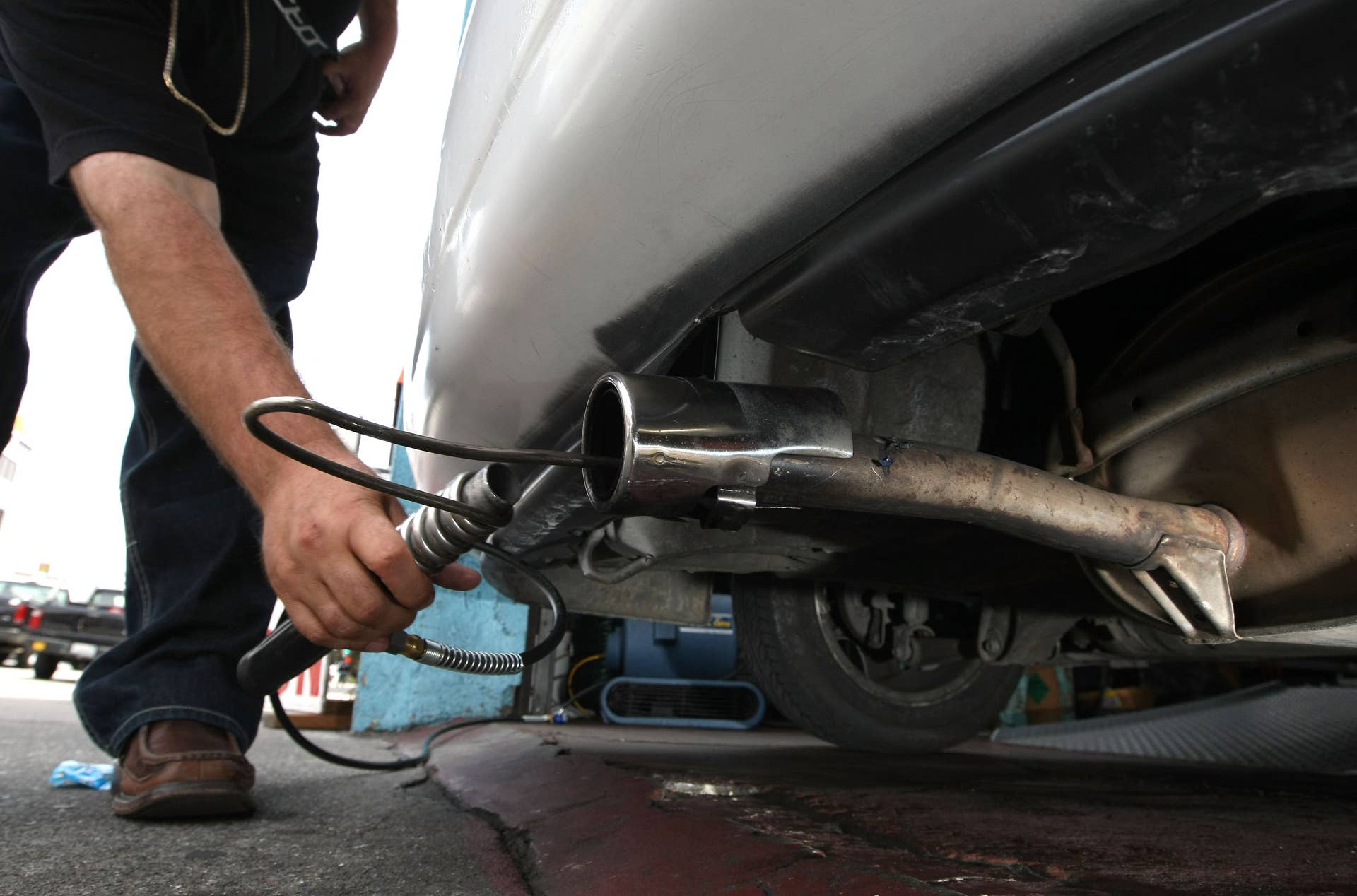
One Environmental Protection Agency (EPA) official has sent a mighty shot across the bow when it comes to measuring the effectiveness of international emissions-testing procedures. In fact, this shot was clear across the Atlantic. And we probably have Volkswagen to thank for that.
Christopher Grundler, the EPA’s director of transportation and air quality, testified earlier this week at a European Parliament committee that was formed to address violations involving diesel-vehicle emissions testing,
Reuters says. In short, Grundler said
European emissions-testing procedures were inadequate, and have been known to be substandard for a couple of decades.
Some European regulators have proposed using real-world testing methods on new cars instead of just measuring their emissions in laboratories. Grundler wants more, though, suggesting that vehicles’ exhaust measurements should be taken after a few years on the road in addition to being measured when new. Grundler added that the EPA has fined automakers a collective $1 billion because of emissions-related shenanigans, suggesting that European regulators haven’t done enough to deter automakers from engaging in such subversive practices.
The debate over emissions-testing effectiveness was largely spurred by Volkswagen and the automaker’s emissions-testing scandal that broke last September. Europe’s largest automaker equipped as many as 11 million of its vehicles with software designed to ensure that the diesels produce artificially low levels of emissions while being tested. As a result, some VW diesels emit nitrogen oxide (NOx) levels of as much as seven times European limits once those cars are on the road.
VW in late June reached a settlement with the EPA and other US regulators over its diesel-emissions practices that may cost the automaker as much as $15 billion. The US is home to about a half-million diesel vehicles equipped with the so-called “cheat” software.
Related Video:
Video ID:
0f53e9f9-2606-3858-9d6d-25114cfba693
Playlist ID:
Autoplay:
false
Mute:
false
Continuous:
false
Ad Key:
Ad Value: