
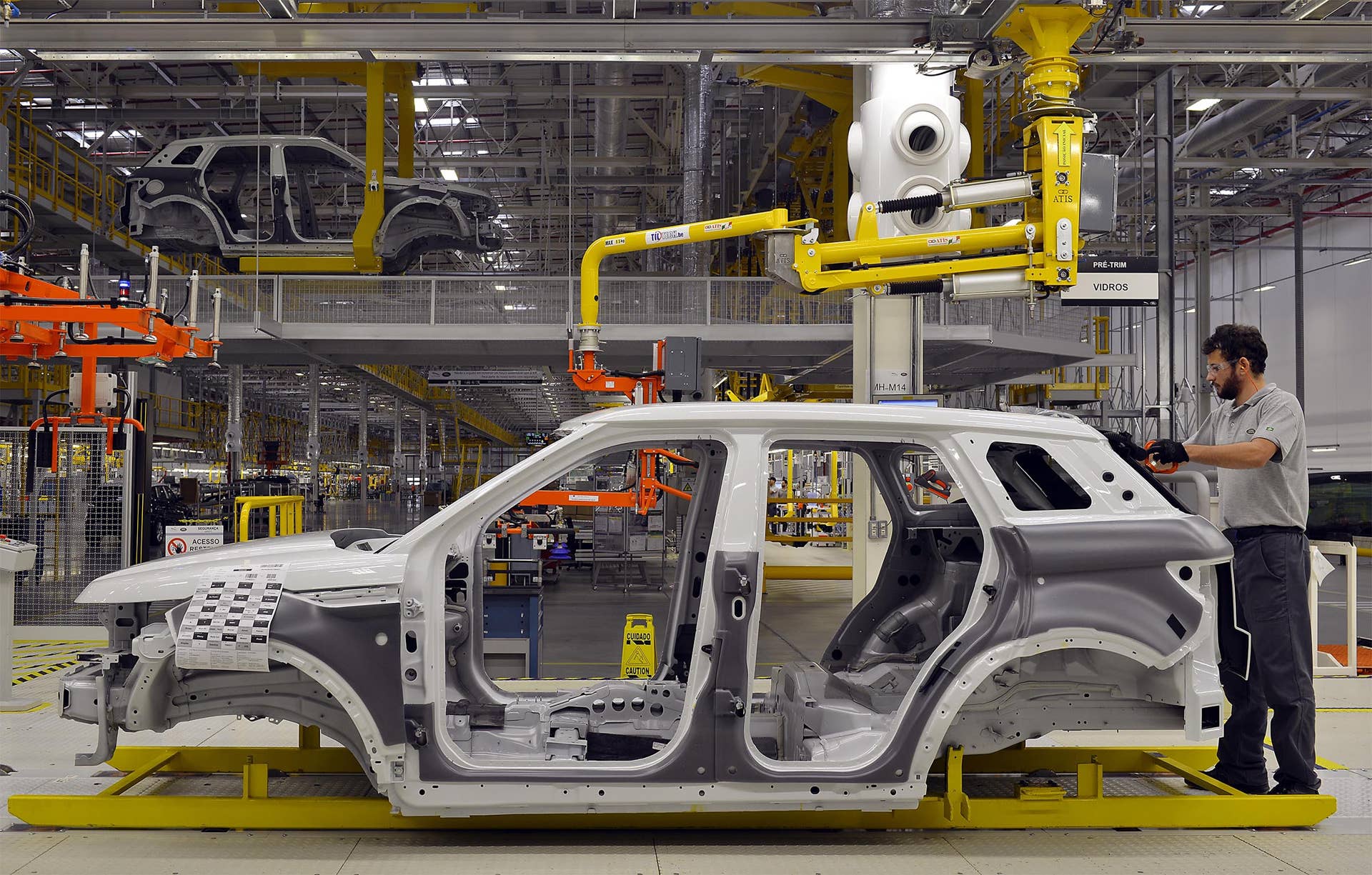
Tariffs could mean there’s no end in sight to cars growing in size and weight
It’s a word that has dominated the automotive industry in 2025 in so many ways, but could tariffs really mean that cars, trucks, and SUVs continue to gain poundage? Industry experts seem to think so. With higher material costs and financial forecasts uncertain at best, automakers have to put their money where it matters most. Unfortunately, building the lightest car possible simply might not be priority number one as costs continue to climb.
BMW
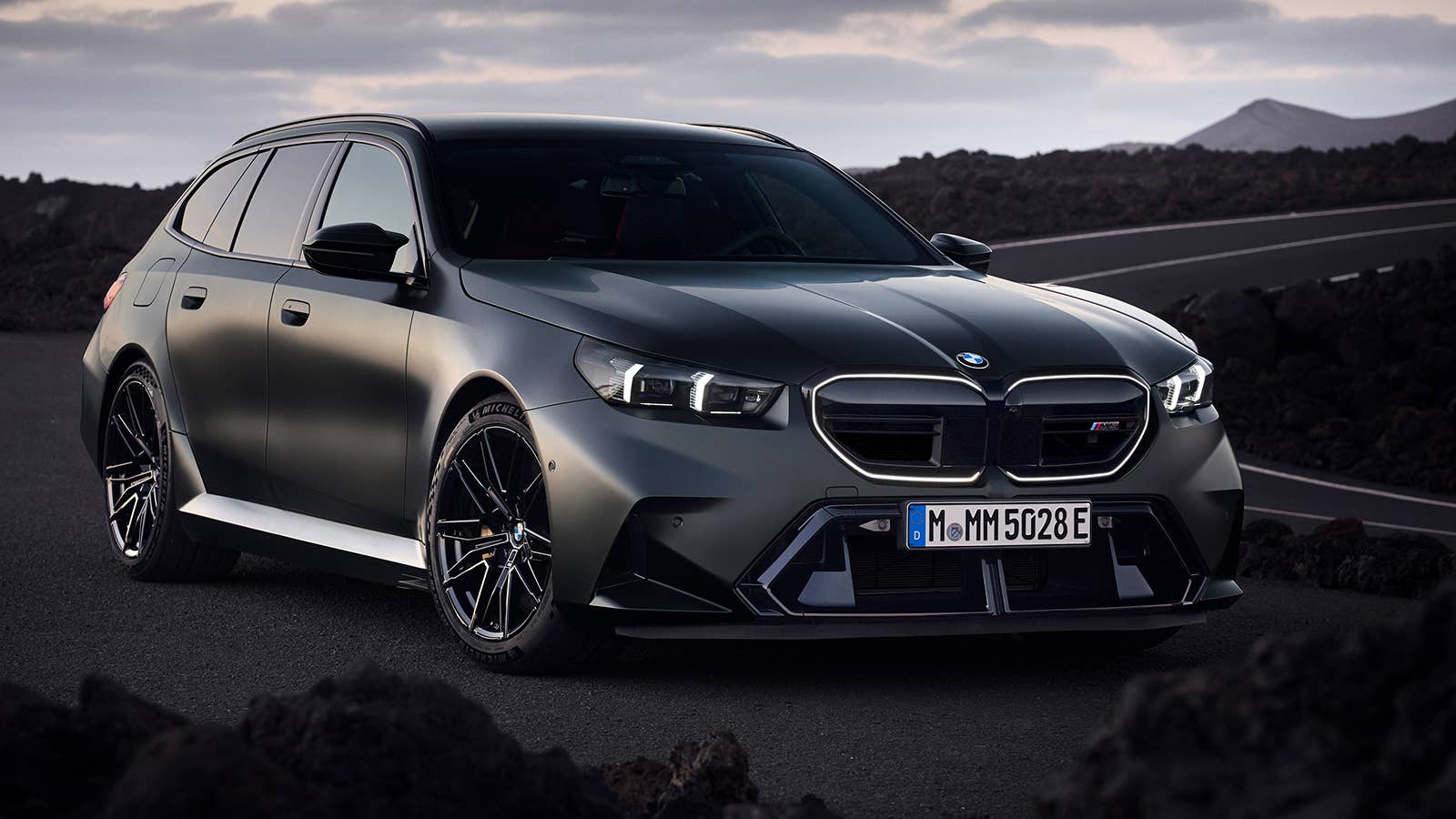
As Automotive News originally reported, automakers are in for a world of hurt when Trump-imposed duties are factored in. By 2027, automakers could be out $188 billion in total thanks to additional fees imposed on vehicles, parts, steel, and aluminum. “Lightweighting is, for a minute, slightly less important than it was,” Stephanie Brinley, associate director of AutoIntelligence at S&P Global Mobility, told AN. Another reason automakers could justify moving away from costlier, lighter materials is the easing restrictions on gasoline engines and emissions — two things that the Trump administration has already expressed a desire to scale back. Brinley hints that a diminished focus on fuel efficiency could further lead automakers to “change components,” instead opting for a heavier but less expensive version of a part.
Why weight matters, and not just to enthusiasts
Those who love to drive are likely already familiar with the benefits of “lightweighting,” or replacing heavier components with lighter ones that don’t sacrifice performance or resiliency. Lighter weight means quicker acceleration and braking, nimbler handling, and reduced tire and brake wear. It also means better fuel efficiency and less wear on the surfaces underneath said vehicle, including highways and roads. That, in the long run, means less frequent repairs on bridges and highways, which ultimately means less of your tax money spent repairing roads.

Mazda
Rivian
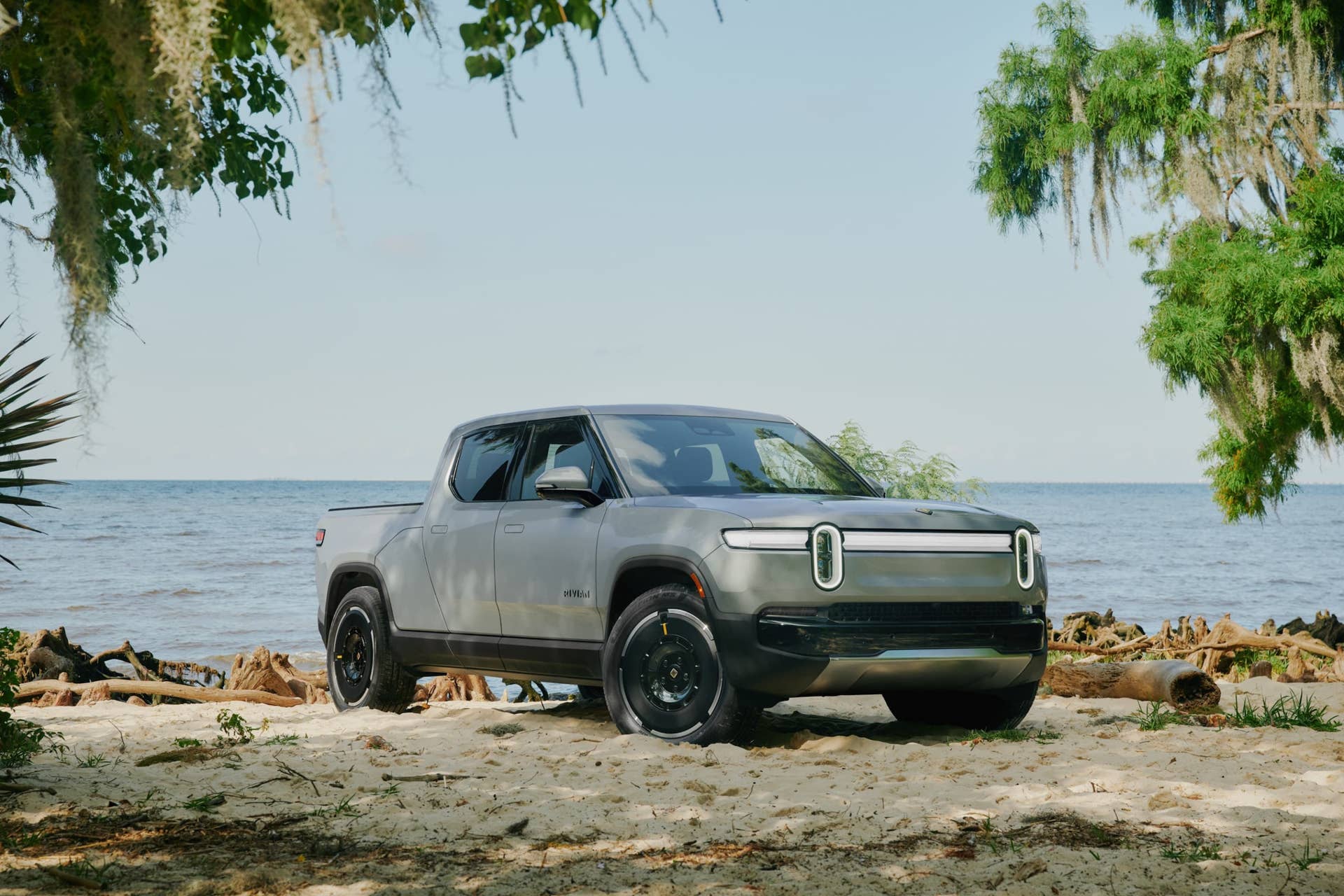
Manufacturers share many of the reasons to love lightweighting. Will the almighty dollar win out? Maybe, maybe not. Should they decide to revert to older, heavier components, there could be long-term ramifications. Supply chain changes move slowly, and switching now means seeing real results in years, not days. Without knowing what the next administration looks like or how the rulebook might change, it’s almost impossible to weigh the pros and cons — much less balance an automaker’s checkbook. Perhaps a darker concern is how easily and severely some automakers could fall behind. Research (which you can read here) indicates that a 15% increase in EV weight can drive energy use up by 9%, making it harder and more expensive for brands to stay competitive as demand for EVs grows.
Final thoughts
It’s a cause any gearhead should be able to get behind: lighter weight directly translates to better vehicles. It’s an even more widespread win when you consider the benefits regarding fuel efficiency and long-term maintenance of our road and highway infrastructure. Hopefully, growing costs won’t mean growing curb weights, but as an insider told Automotive News, “Affordability is the number one problem right now.” How each automaker handles it could determine financial outlooks for the next decade or more. It could also foreshadow just how dedicated their next batch of enthusiast cars might be.
About the author

Steven Paul
Contributing Writer, Autoblog