
Americans will pay about $4,000 extra for vehicles that have self-driving features, according to a study by
Transportation Research. Drivers are typically willing to fork over a $3,500 premium for partial automation and about $4,900 extra for “full automation,” said the report, citing a poll of almost 1,300 Americans. Some people said they would be willing to pay as much as $10,000 for fully-autonomous vehicles. Take a look at the report’s abstract
here.
The results are topical because more automakers are adding various levels of autonomous-driving features and are figuring out how to price them. California-based electric-vehicle maker Tesla has long been a leader in this effort, and is charging a premium of between $5,000 and $8,000 for its various “autopilot” features.
Additionally, technology companies who’d previously not invested in autonomy are getting into the act.
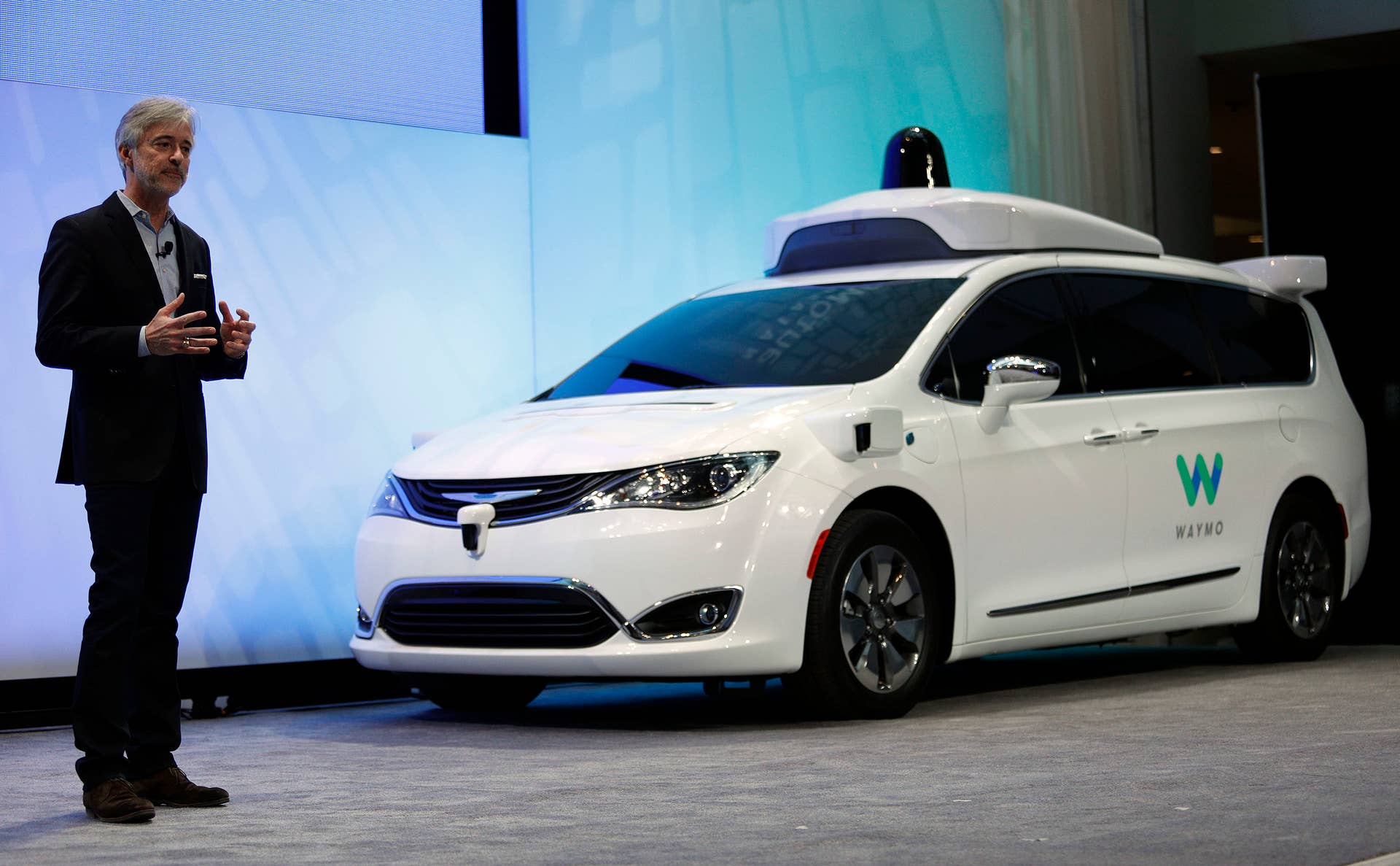
Google affiliate Waymo said late last month that it would retrofit 500 Chrysler minivans with autonomous technology in order to expand the test of its self-driving car program to hundreds of families in the Phoenix area. Ride-hailing service Uber has also been investing aggressively in self-driving technology.
How successful such automakers will be at fetching those premiums remains in question, though, as older, and often wealthier consumers are less trusting of self-driving technology than are their younger counterparts.
According to a study, less than a quarter of Baby Boomers trust autonomous technology, while just 41 percent of Gen X-ers are more willing to put their cars on autopilot than taking the wheel themselves. And more than 55 percent of those qualifying as millennials or younger trust self-driving technology.
Related Video:
Video ID:
0d72b4d9-9815-3b0b-928d-b3afbb27c86a
Playlist ID:
Autoplay:
false
Mute:
false
Continuous:
false
Ad Key:
Ad Value: